
The Tata Punch EV gets a facelift, but unlike in most such facelifts, Tata has listened to its consumers to make the…
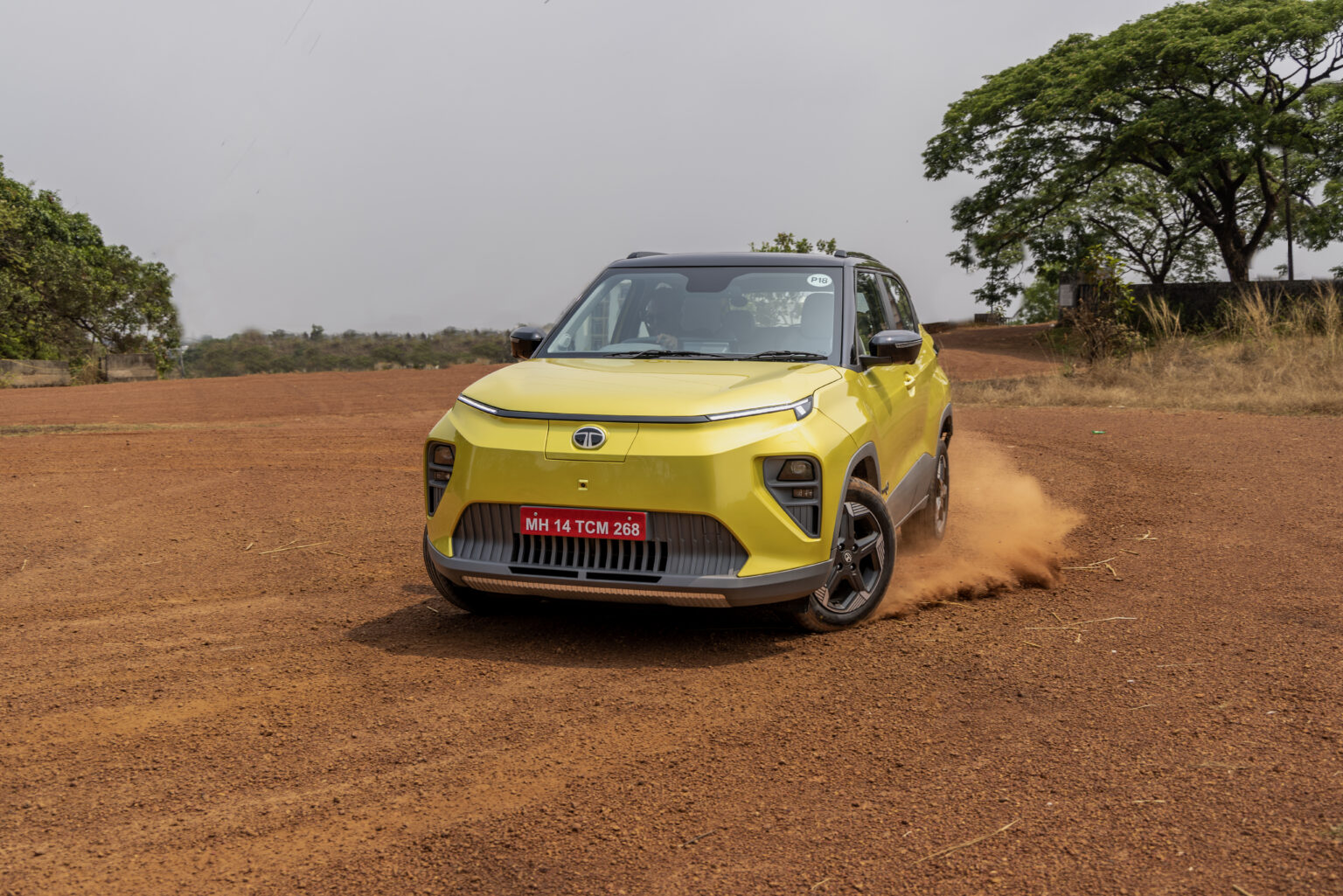
The Tata Punch EV gets a facelift, but unlike in most such facelifts, Tata has listened to its consumers to make the changes that really matter.
Kochi is a city that exists in a state of beautiful, humid suspension. Between the ancient spice warehouses of Mattancherry and the gleaming IT hubs of Kakkanad, there is a pulse that is both laid-back and relentlessly progressive. It is a city of narrow lanes, sudden bursts of tropical heat, and a growing appetite for the future. It was the perfect backdrop to test the 2026 Tata Punch EV- a car that is no longer trying to prove its green credentials, but rather emphasising its dominance as a small electric car.
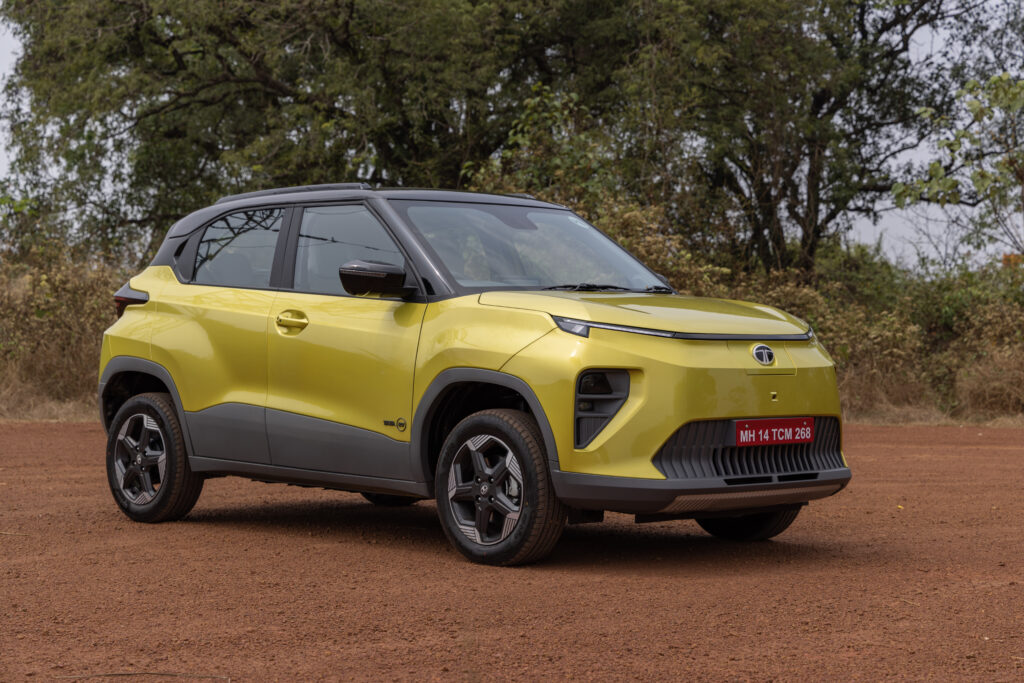
For the modern city dweller, luxury is increasingly defined by seamlessness. We look for the hotel that anticipates our needs and tech that works without a manual. In the automotive world, that seamlessness has long been hindered by the ‘EV Tax’- the premium price you pay for the privilege of silence. But in Kochi’s hot, salt-tinged air, the 2026 Punch EV felt like it had finally solved that equation.
THE MATH
The big story for 2026 isn’t just a bigger battery; it is how you pay for it. Tata’s new Battery as a Service (BaaS) model feels like a democratisation of the electric dream. By decoupling the battery cost, the entry price drops to a startling Rs 6.49 lakh.
In a lifestyle context, we think of this like a high-end subscription. You own the car, but you pay for the battery usage – Rs 2.6 per kilometre. It brings the upfront cost of an EV right into the territory of a premium petrol hatchback. For the first time, choosing the electric life doesn’t feel like a financial sacrifice. Even if you buy it outright, the price at the top end has come down to Rs. 12.44 lakh, Rs. 1.85 lakh more affordable than the pre-facelift model, even with a larger battery and updated drivetrain.
DESIGN
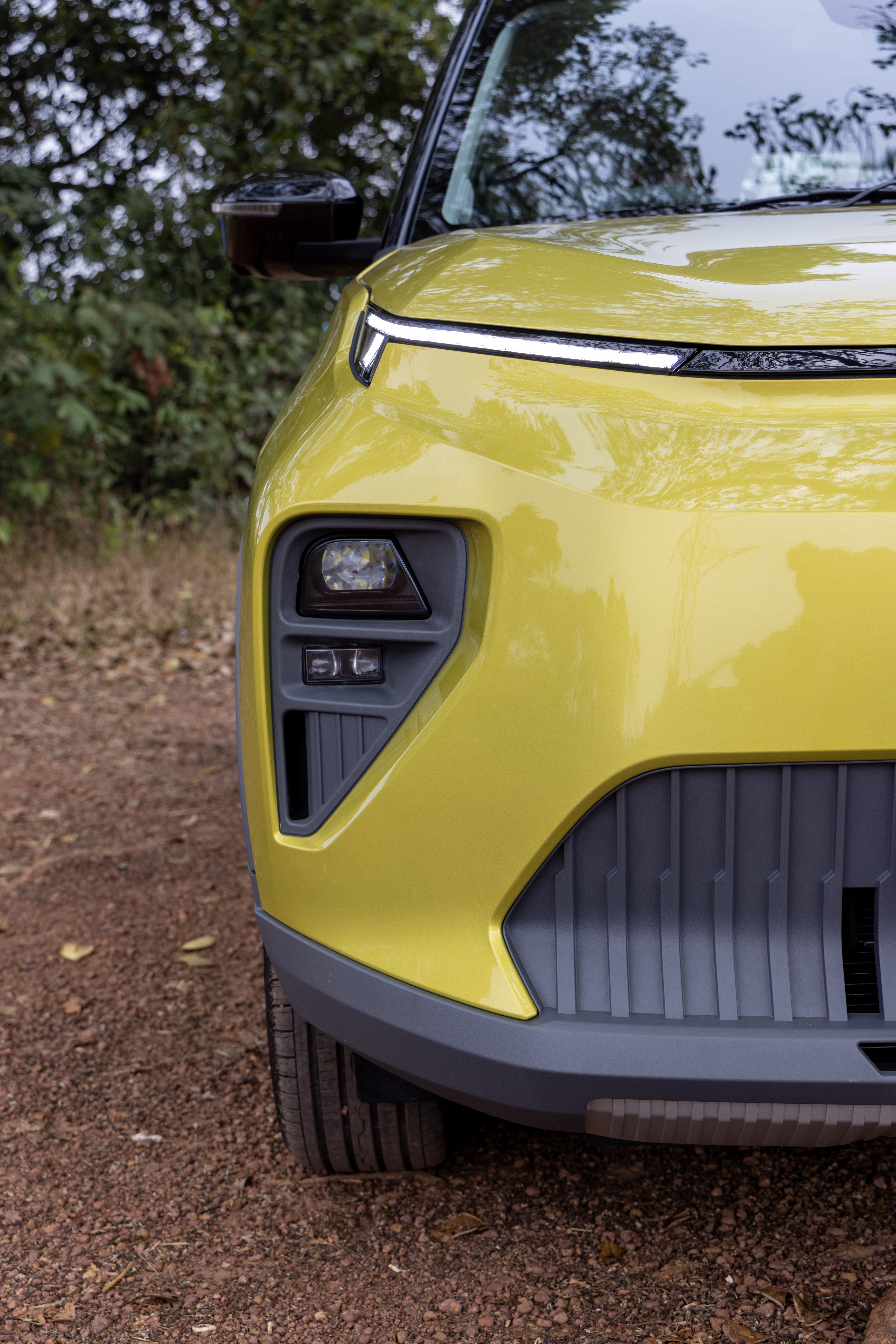
Driving through the vibrant, mural-covered streets of Fort Kochi, the Punch EV fits right in. Tata has exercised a surprising amount of restraint with this mid-cycle refresh. The connected light bar at the front is gone, replaced by a cleaner, more sophisticated DRL signature.
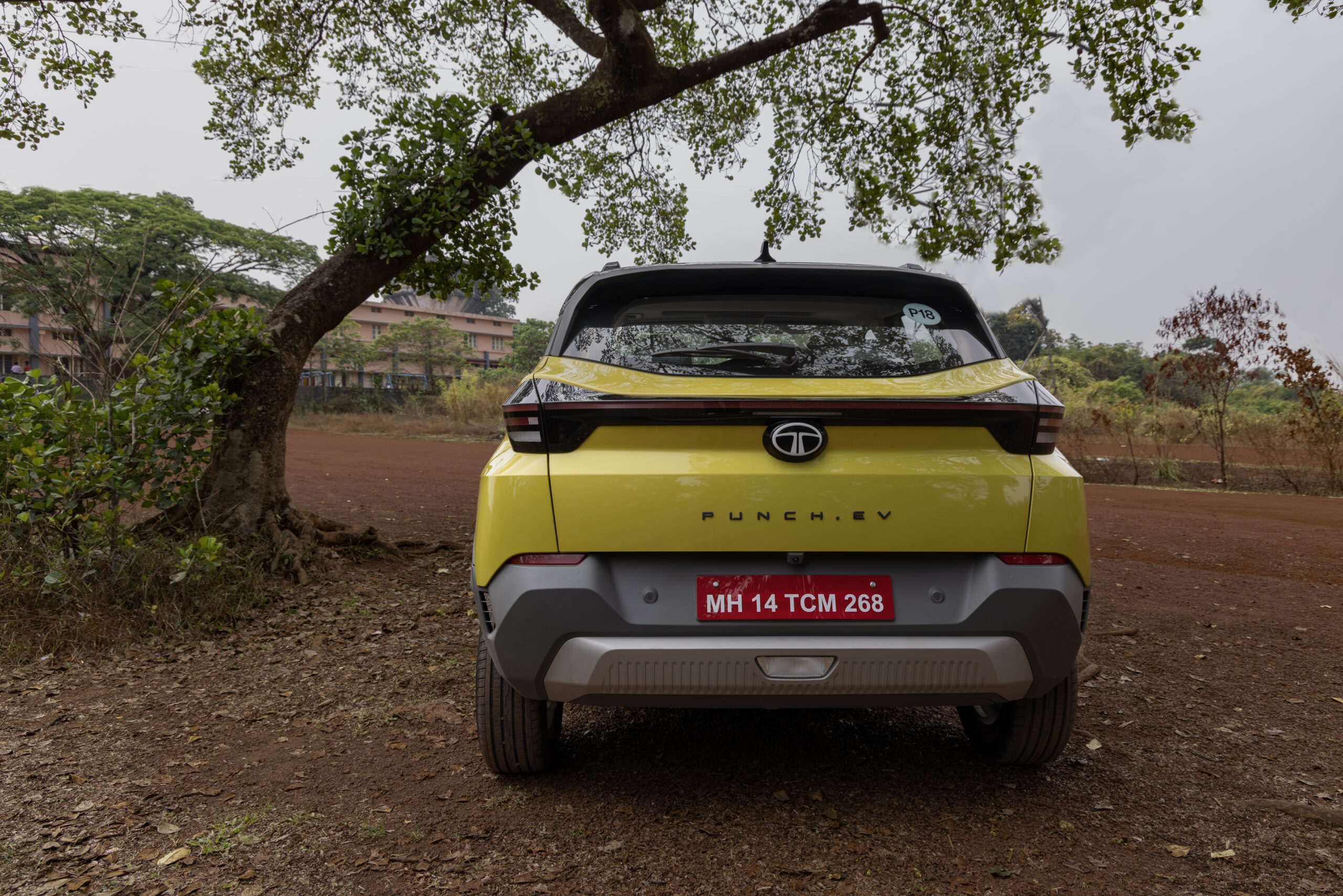
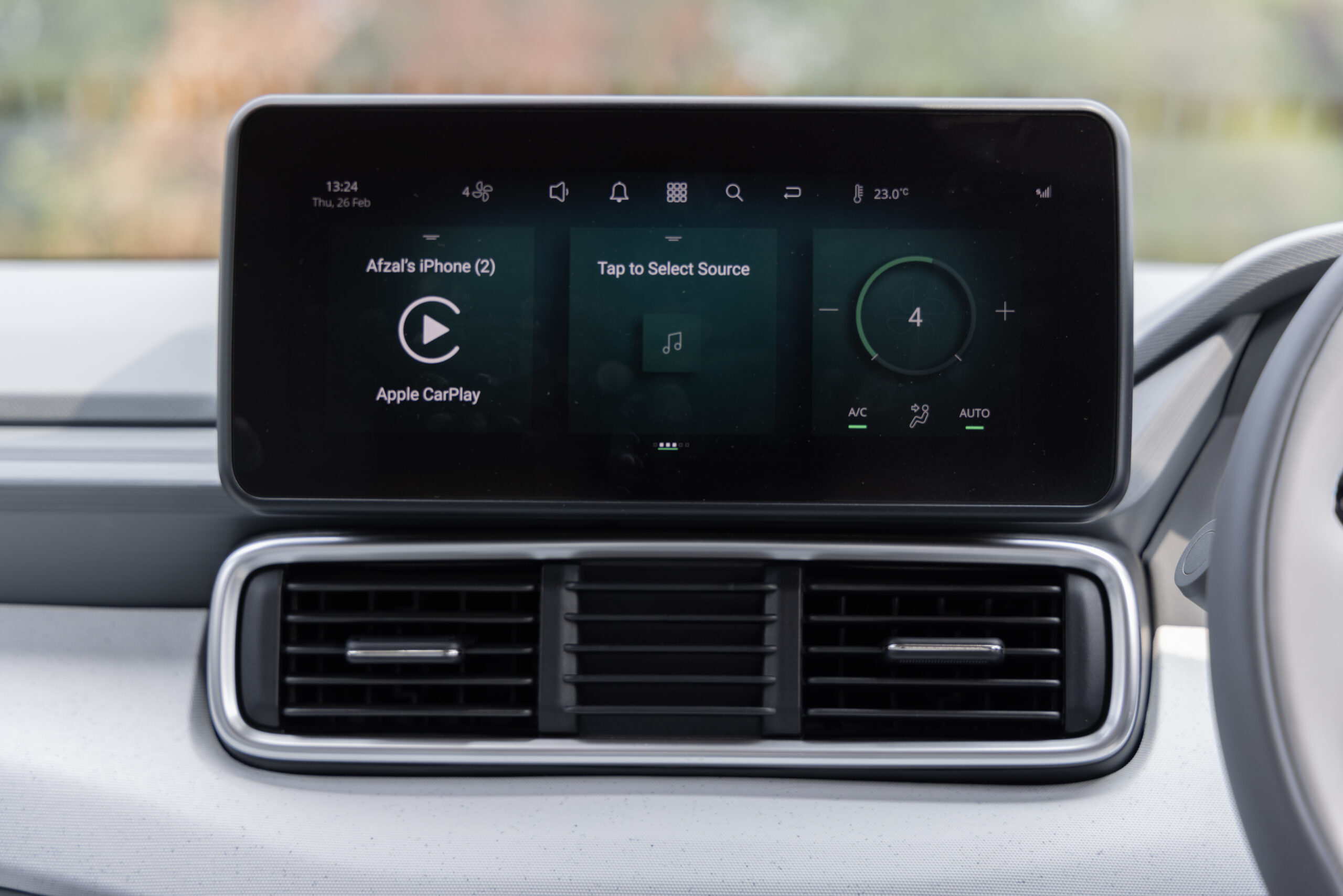
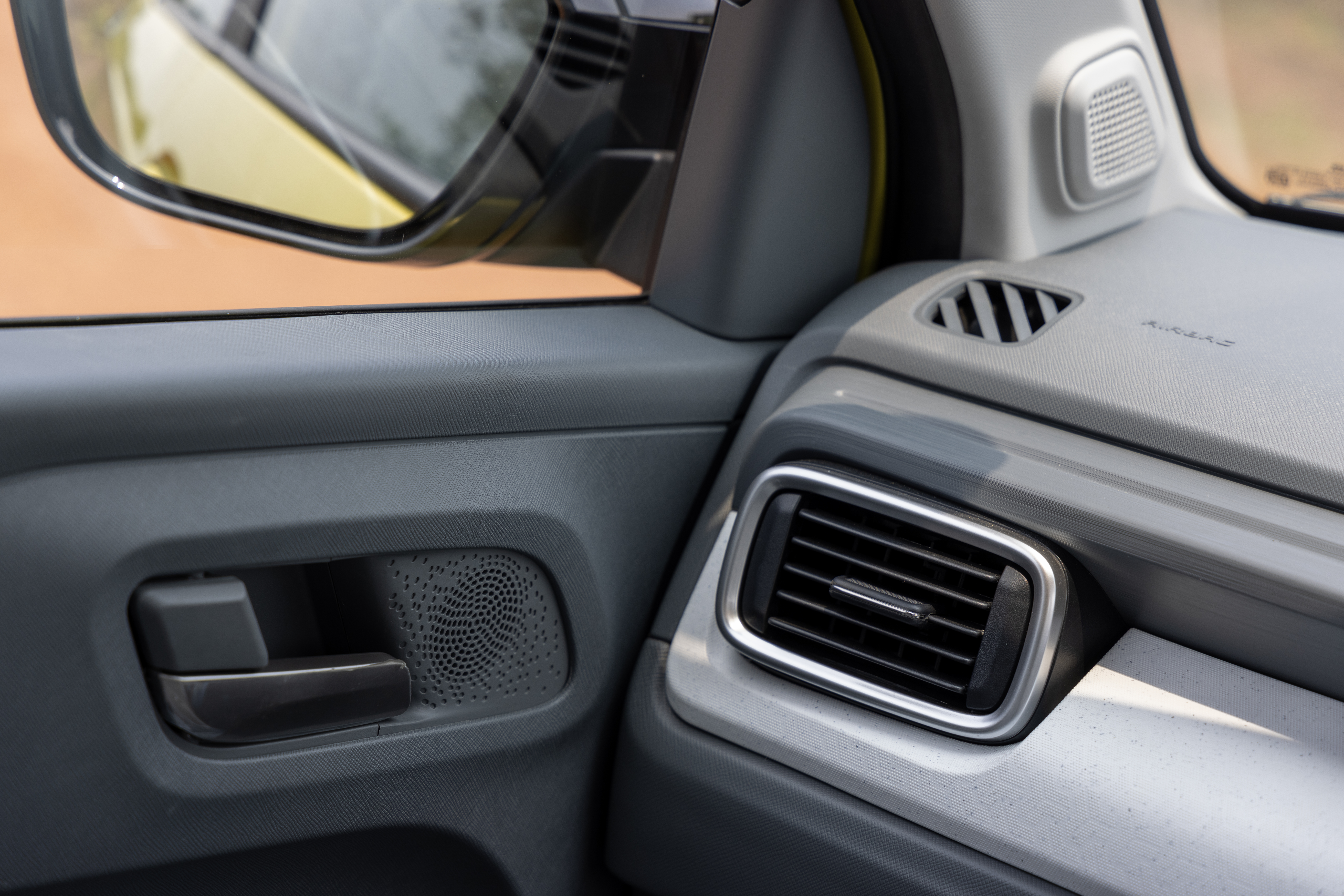
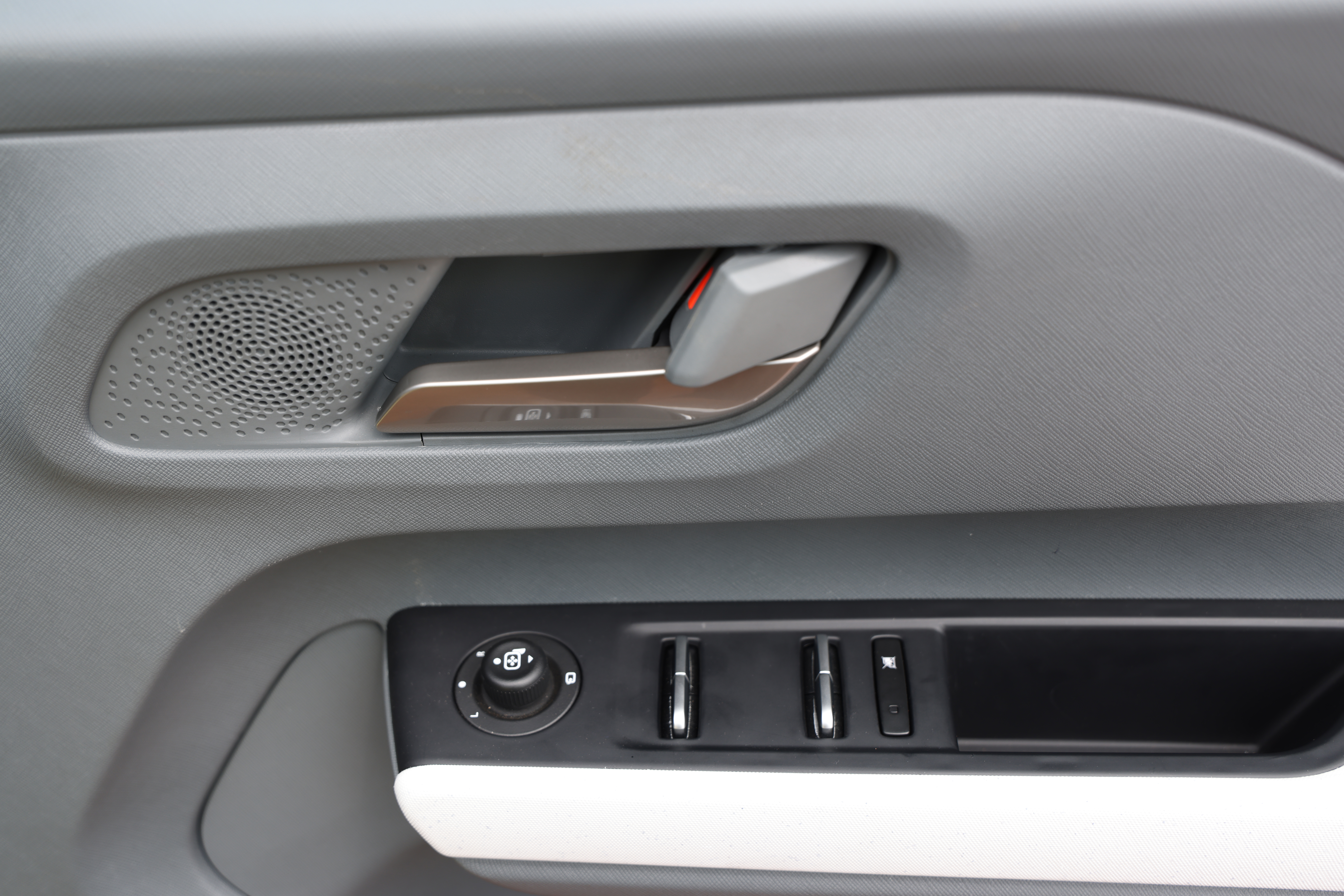
Inside, the 90-degree opening doors remain a highlight. In the 35°C Kochi heat, being able to step into the cabin quickly and let the climate control (now featuring a more sensitive touch panel) take over is a blessing. The seats, updated with better under-thigh support, offer a sanctuary from the midday sun. The new 360-degree camera proved its worth instantly while navigating the tight, tourist-heavy corners of Kochi, making the footprint of the Punch feel even more manoeuvrable.
ENGINEERING UPDATES
The true test of an EV in a tropical climate is its thermal management and range. The 2026 model now packs a 40kWh battery in its Long Range avatar, up from 35kWh. On the open stretches, the efficiency of the new integrated motor unit was evident.
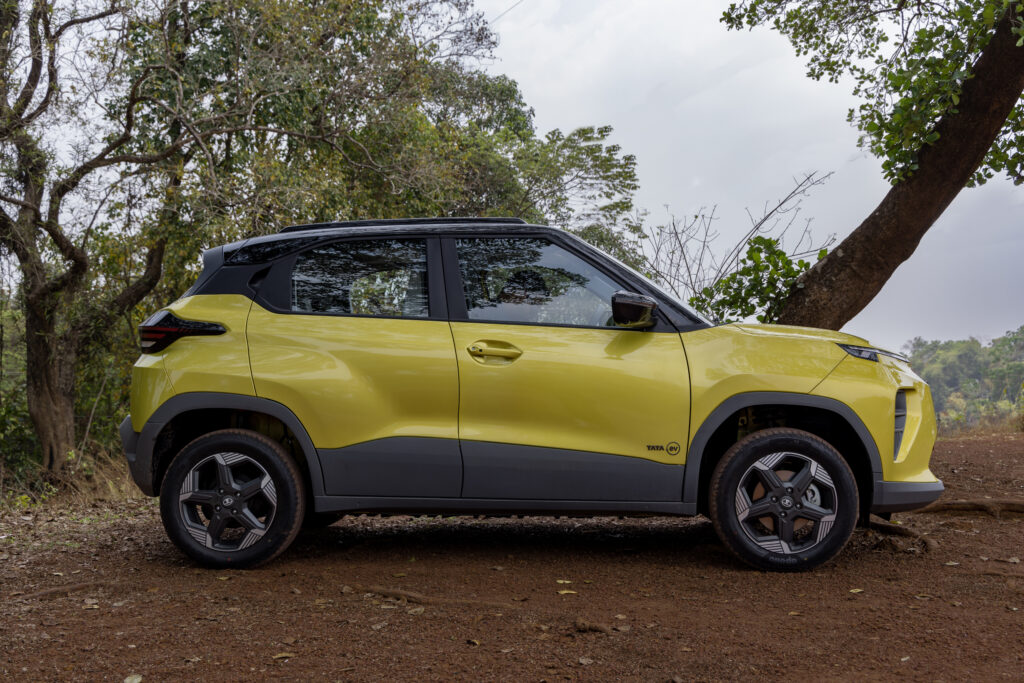
Despite the air conditioning working overtime to combat the Kochi humidity, the range held steady. Tata claims a real-world range of 355km, and based on our drive, that feels achievable, if a little ambitious. The fact that the car maintains its 1360kg weight despite the larger battery is a testament to the engineering team’s less-is-more approach.
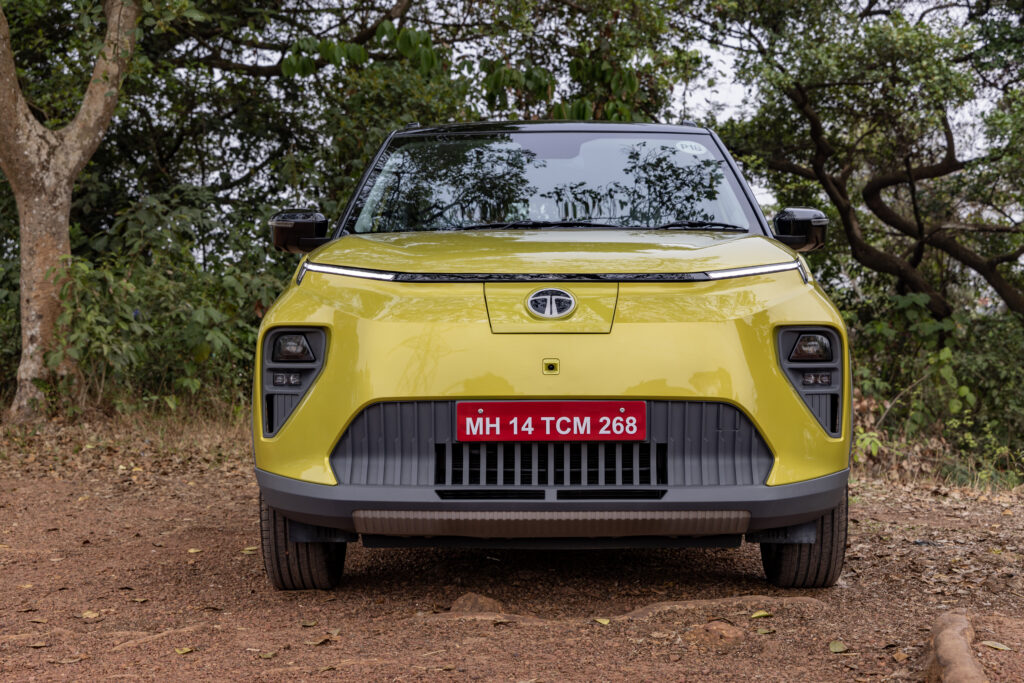
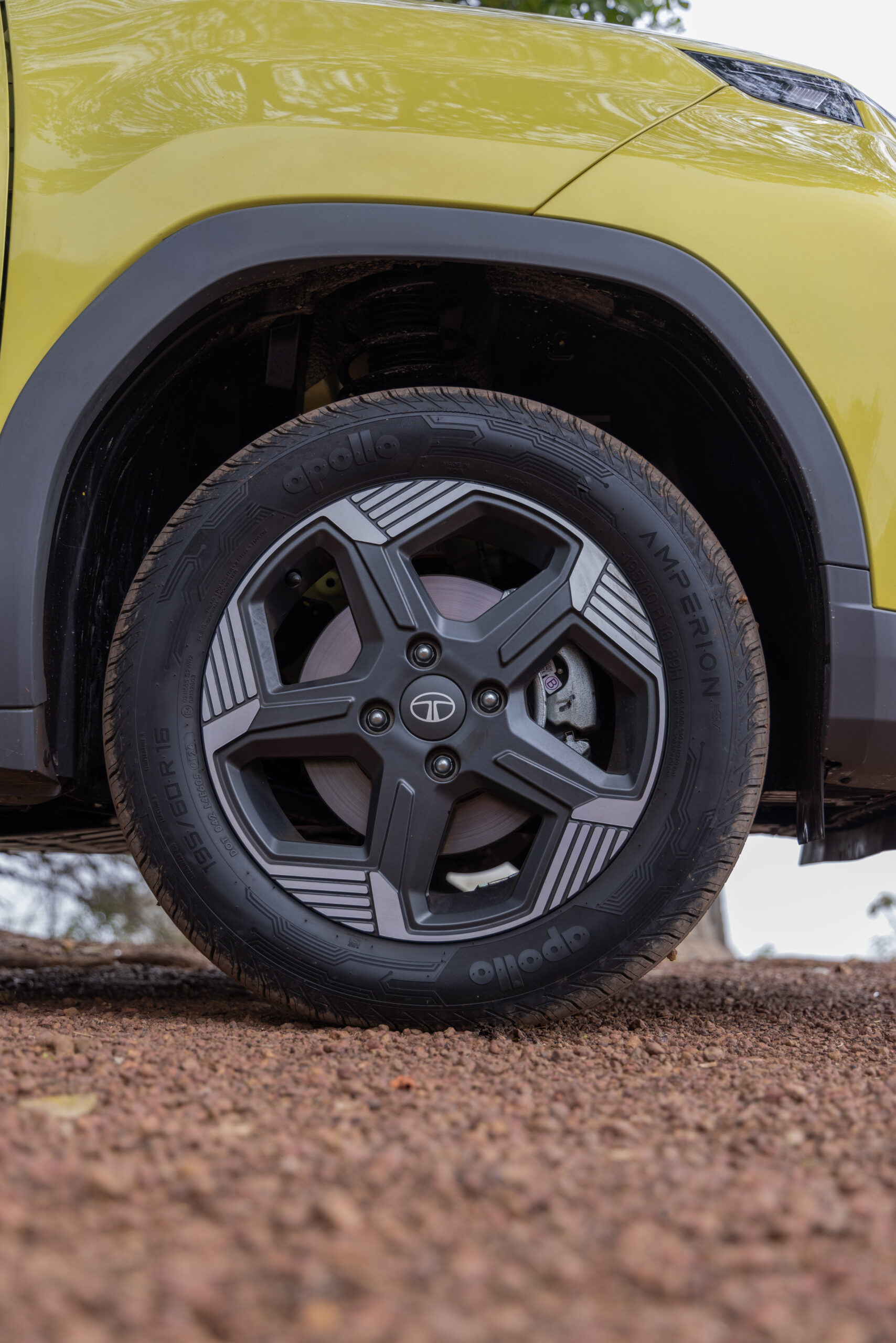
And then there is the capability. While Kochi isn’t as prone to the deep floods of Mumbai, the afternoon tropical showers can turn side streets into streams. The 195mm ground clearance and 450mm water wading depth provide a layer of confidence that most city cars simply can’t match. It’s a car built for the realities of the Indian city.
IMPROVED PERFORMANCE
With 127hp on tap, the Punch EV is surprisingly quick, hitting 100 kmph in under 9 seconds. In the frantic, zig-zagging traffic of the city, that instant electric torque is your best friend. It allows you to claim gaps with a silent, effortless surge that leaves internal combustion engines sounding frantic in your wake.
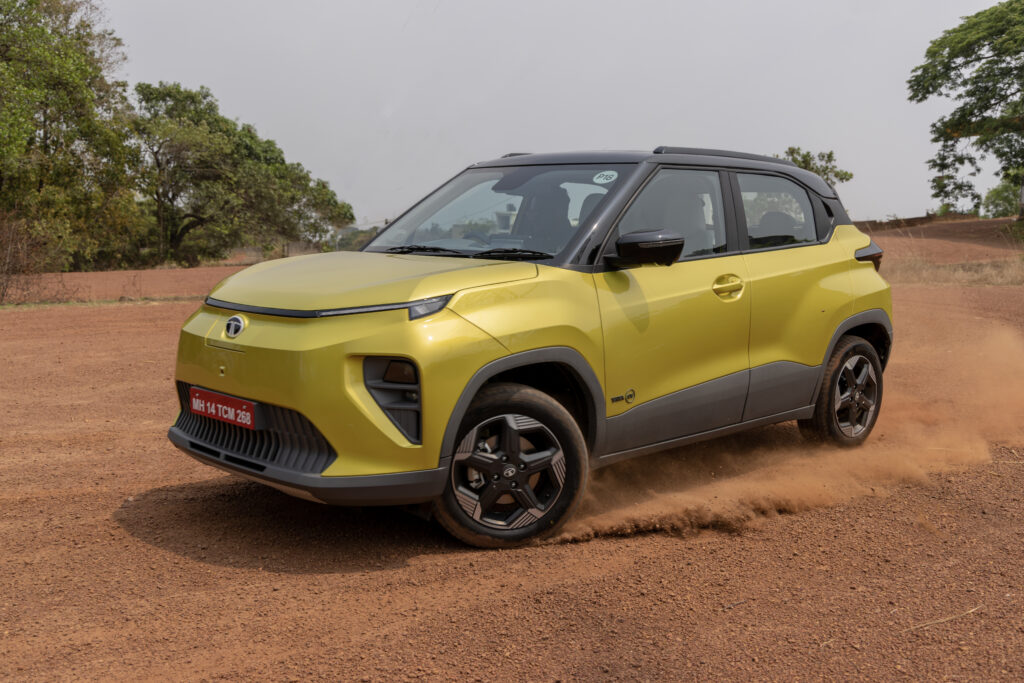
Charging has also evolved to match our on-the-go lifestyle. A 20-to-80 per cent charge now takes just 26 minutes on a 65kW fast charger- roughly the time it takes to enjoy a proper Malabari biryani. To sweeten the deal, Tata is offering a lifetime battery warranty for the first owner, effectively silencing the sceptics who worry about long-term battery health in our harsh climates.
RIDE AND HANDLING
Kochi’s roads are a patchwork of smooth coastal tarmac and unpredictable, broken inner lanes. In this environment, the Punch EV reveals its most impressive trait: its maturity. The suspension setup is biased toward a slight firmness, which serves it well when you hit a sharp undulation at speed. Instead of the wallowing bounce you might expect from a small crossover, it settles almost instantly.
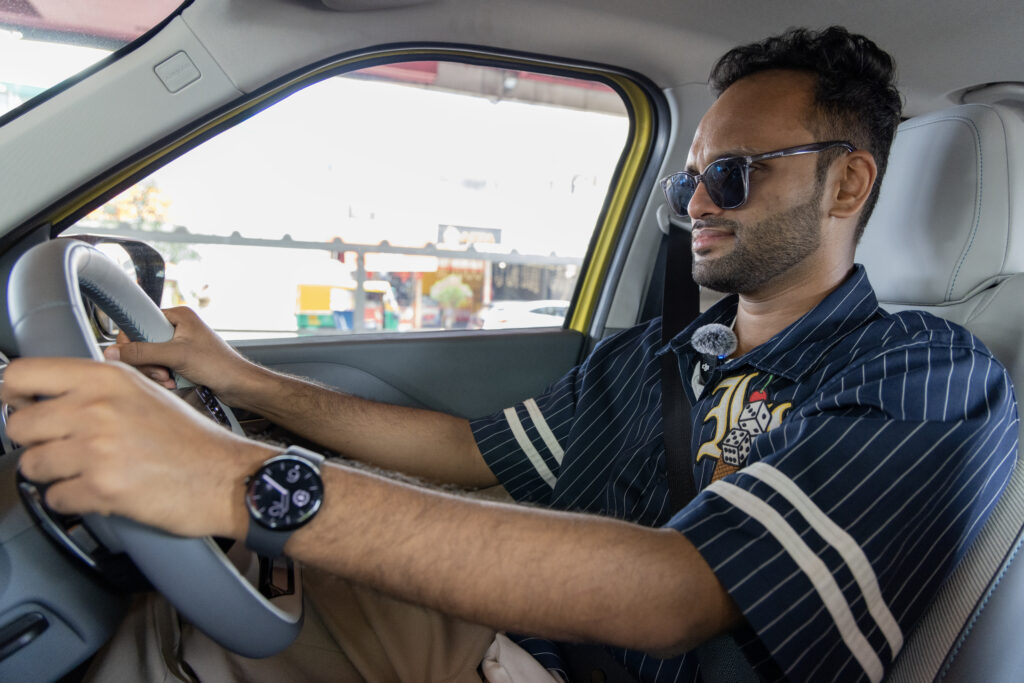
As I drove it through the day, the car displayed a robustness that felt more in line with a mid-size SUV. It absorbs the chatter of rough surfaces with a muffled, distant thud rather than a bone-jarring rattle. Even with the slightly firmer dampers required for the battery’s weight, the ride remains remarkably compliant. It manages to isolate the cabin from the chaos of the road, ensuring that the only thing you feel is the cool air from the ventilated seats.
The Punch EV, much like other Tata cars, has the steamroll through bad roads. It is the kind of car that won’t exactly enthral you with its handling on a twisty road, but it has the ability to carry very good speed over bad roads. And that creeps into how you drive the Punch EV. I frequently noticed how most of the traffic would slow down for a typically Indian bad stretch of road, but the Punch EV was able to keep its momentum.
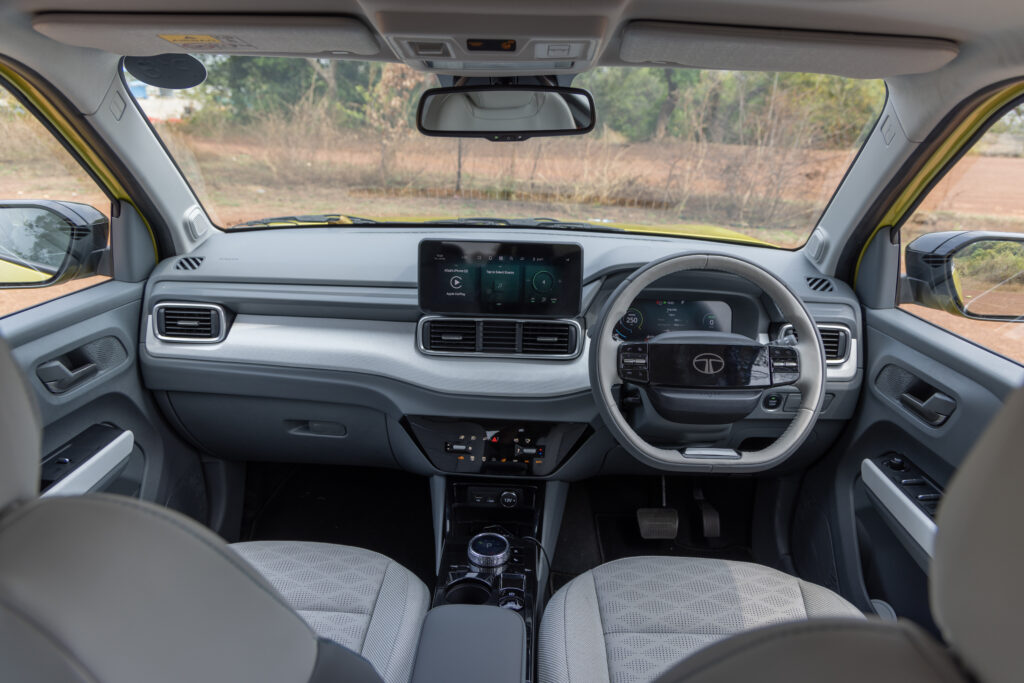
The steering, too, is well-weighted. It is light enough for effortless three-point turns in tight parking spots yet gains a reassuring heft as you pick up pace on the highway. There is a directness to the front end that inspires confidence. You always know exactly where the wheels are, which is vital when you are squeezing past a parked auto-rickshaw on a sun-drenched lane. It is a composed, stress-free experience that allows you to focus more on the view and less on the effort of driving.
VERDICT
As the sun dipped into the Arabian Sea, casting a golden hue over the city, the Punch EV made its way back to the hotel. It is a car that understands the modern Indian city. It doesn’t ask you to change your life; it simply makes it easier.
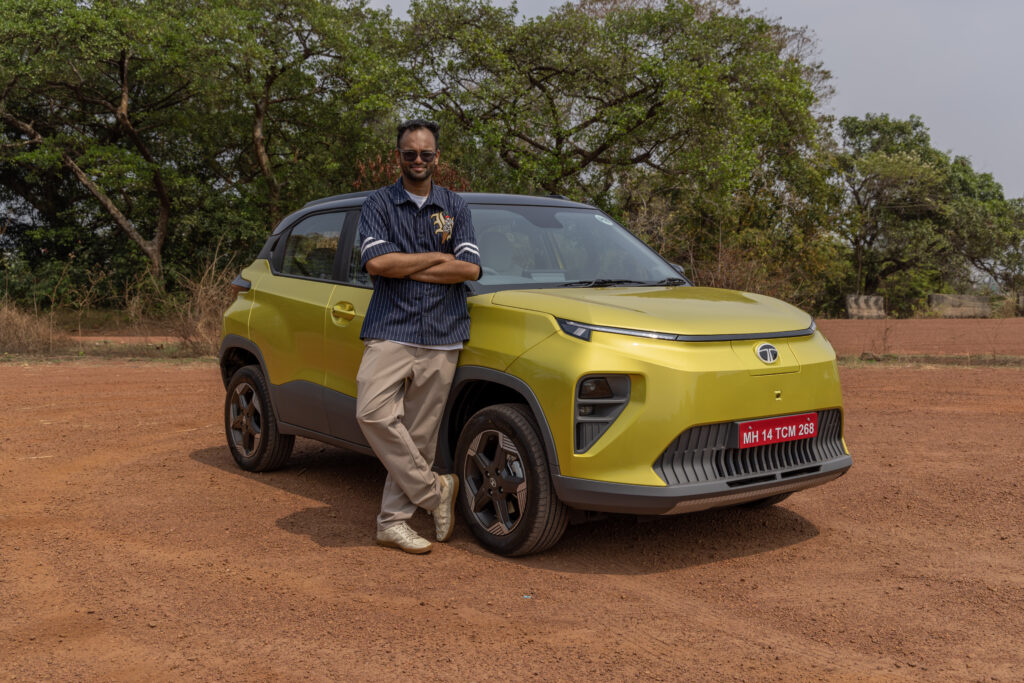
By fixing the price barrier with BaaS and extending the range for those weekend getaways to Munnar or Alleppey, Tata has turned the Punch EV into a legitimate primary car. It is practical, stylish, and affordable, three attributes that deserve more credit than they receive.
SHOT BY: Shreya Somani for DAG INDIA