
The quicker car on our roads is not a sedan anymore. The BMW X3 30 makes a solid argument for SUVs. A…
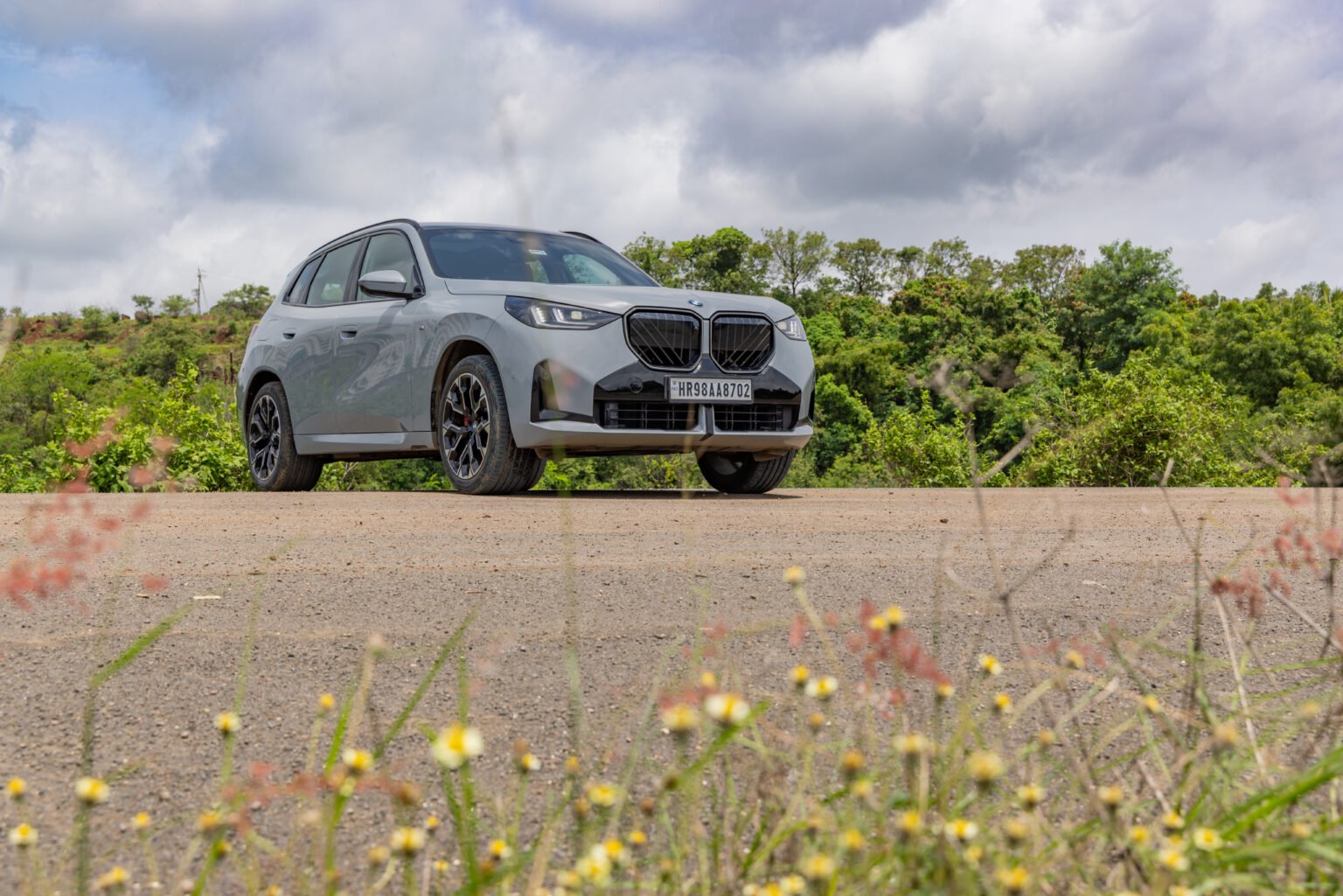
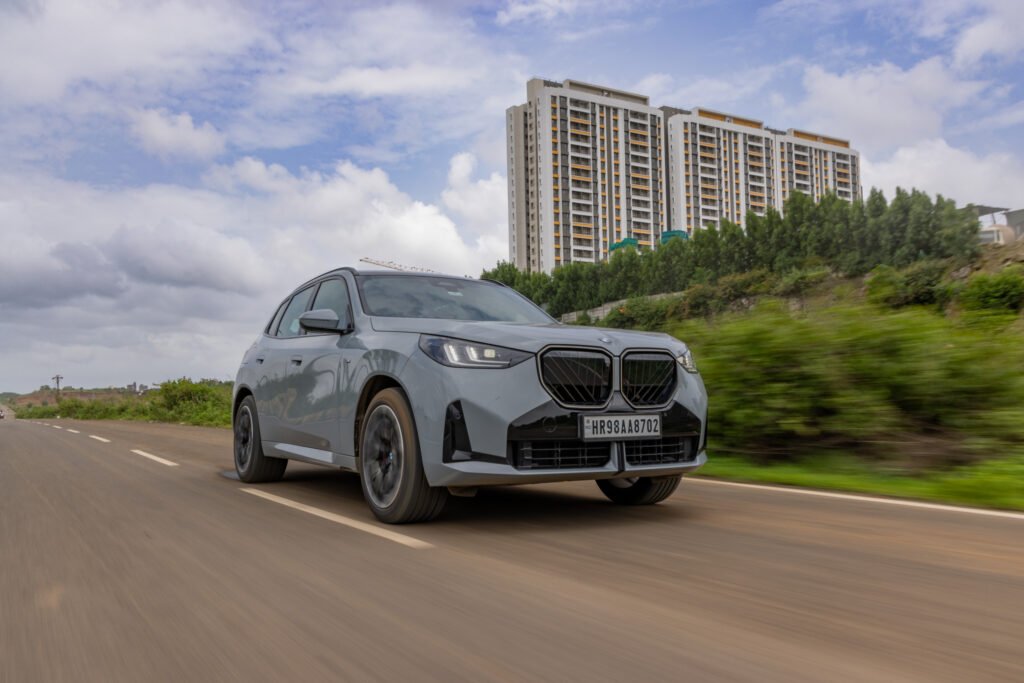
The quicker car on our roads is not a sedan anymore. The BMW X3 30 makes a solid argument for SUVs.
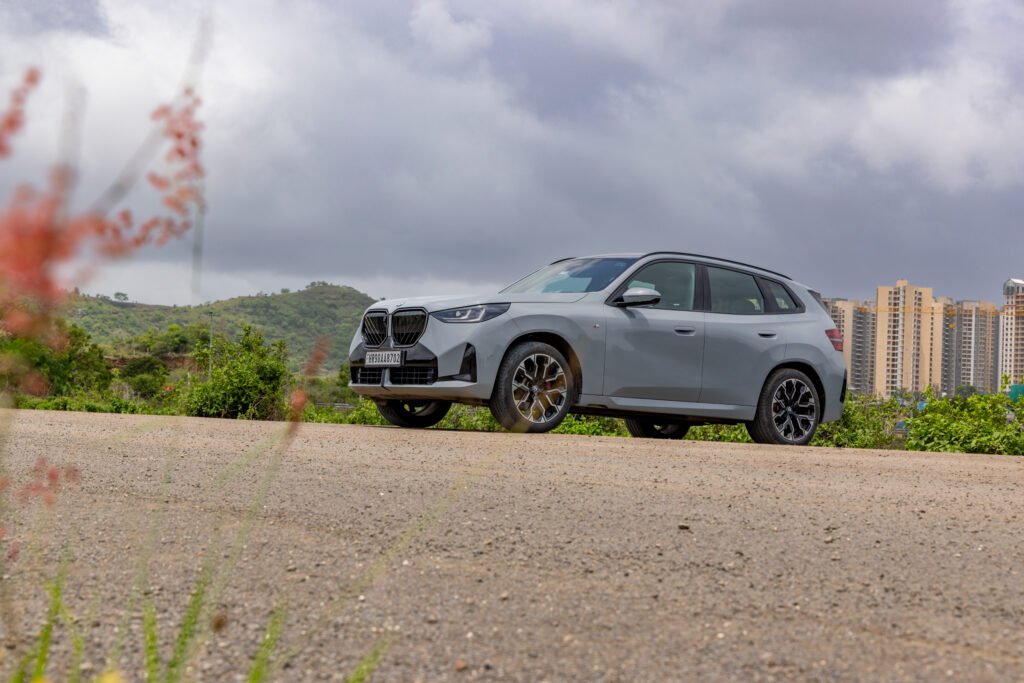
A few weeks ago I drove the BMW 5 Series down to Goa, and came back with a conclusion that has nagged at me since. That car is no longer built for the person driving it. It is long-wheelbase, it is soft, and it is aimed squarely at the man in the back. The E-Class has gone the same way. So if you have seventy-five lakh and you actually want to enjoy driving, what do you buy? On current evidence, an SUV.
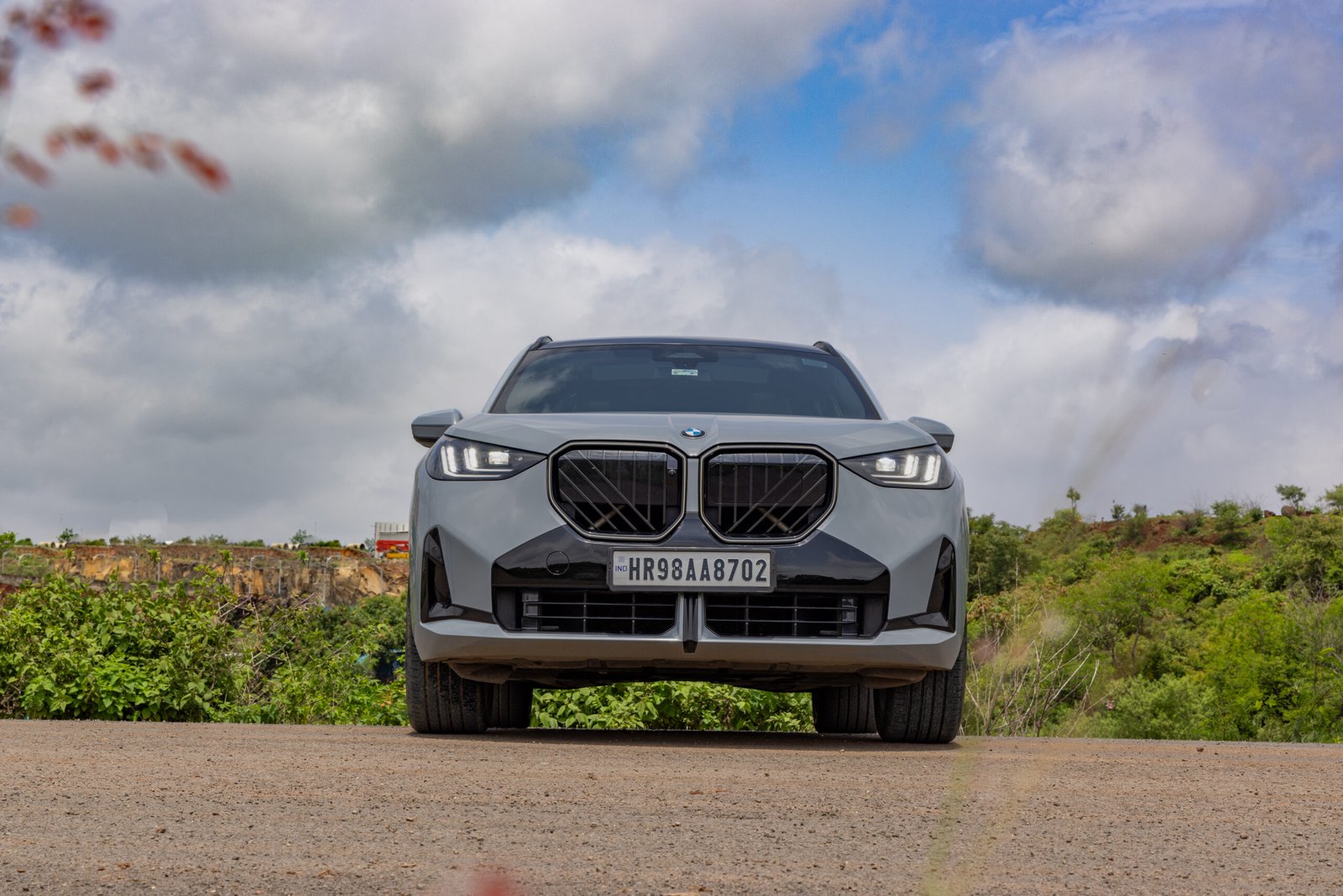
The irony is thick, because BMW used to own this space. The 5 Series was the enthusiast’s default for decades. Now, if you want the character that badge once promised, you are looking at the X3. That should feel like a compromise. Drive this one, and it does not.
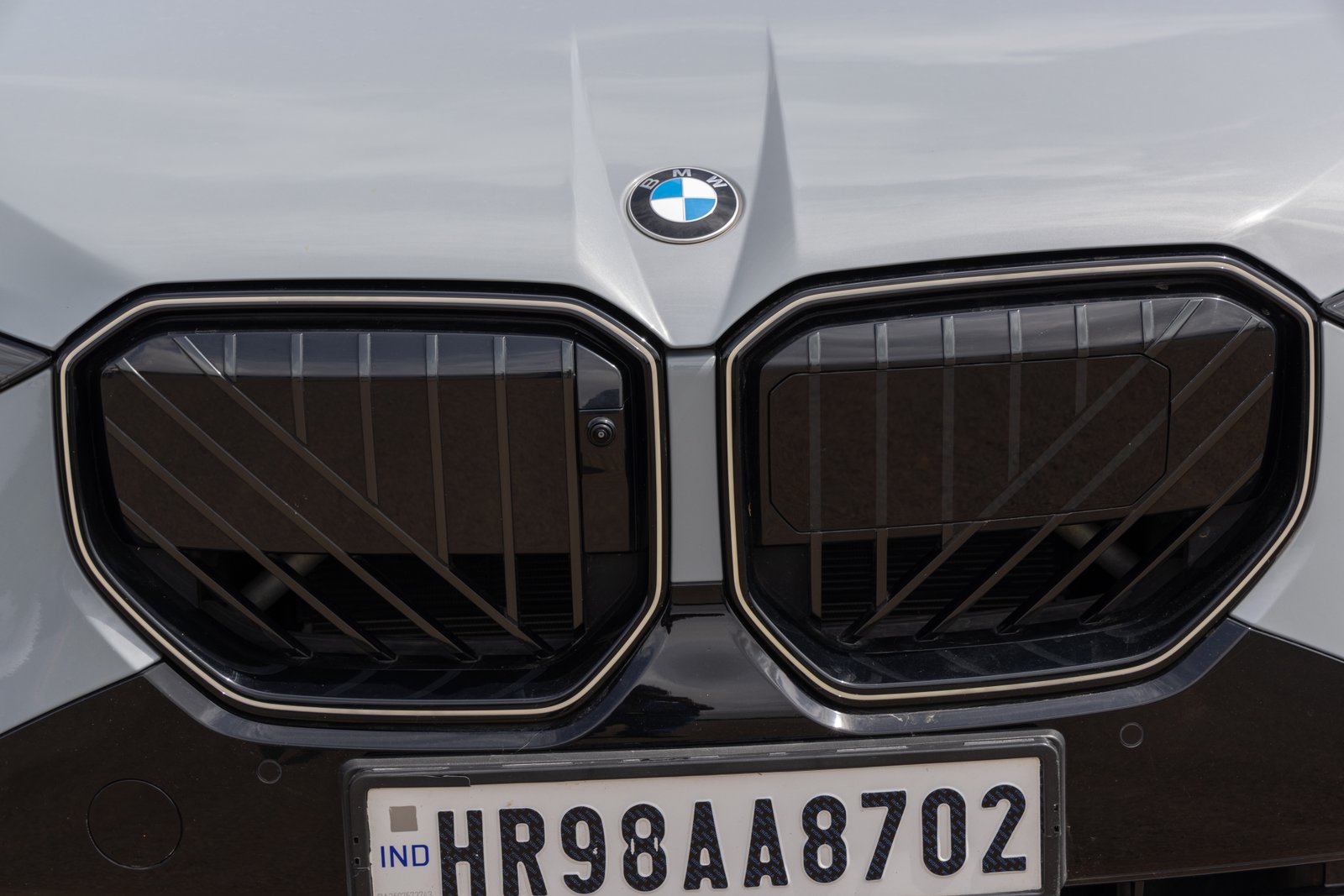
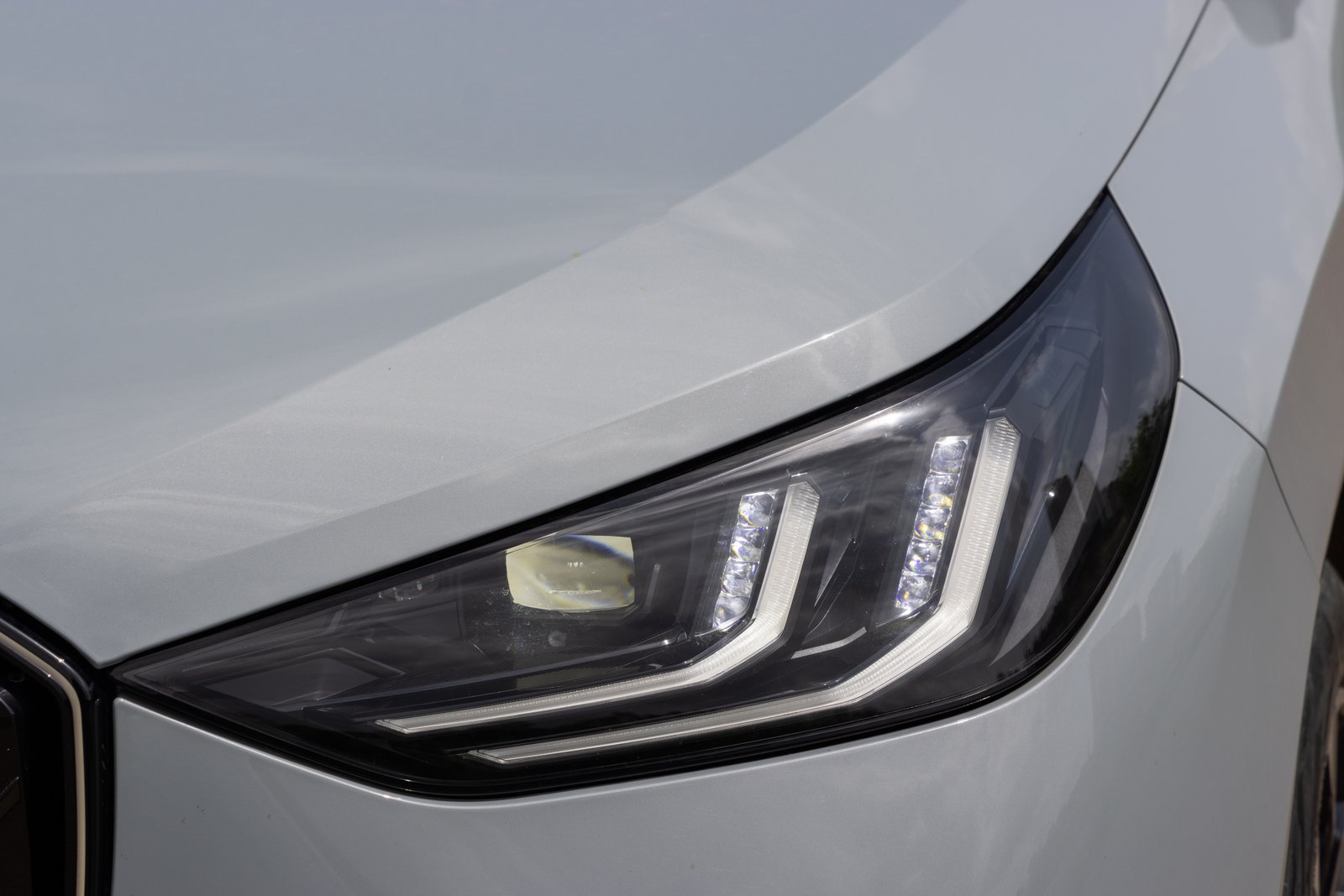
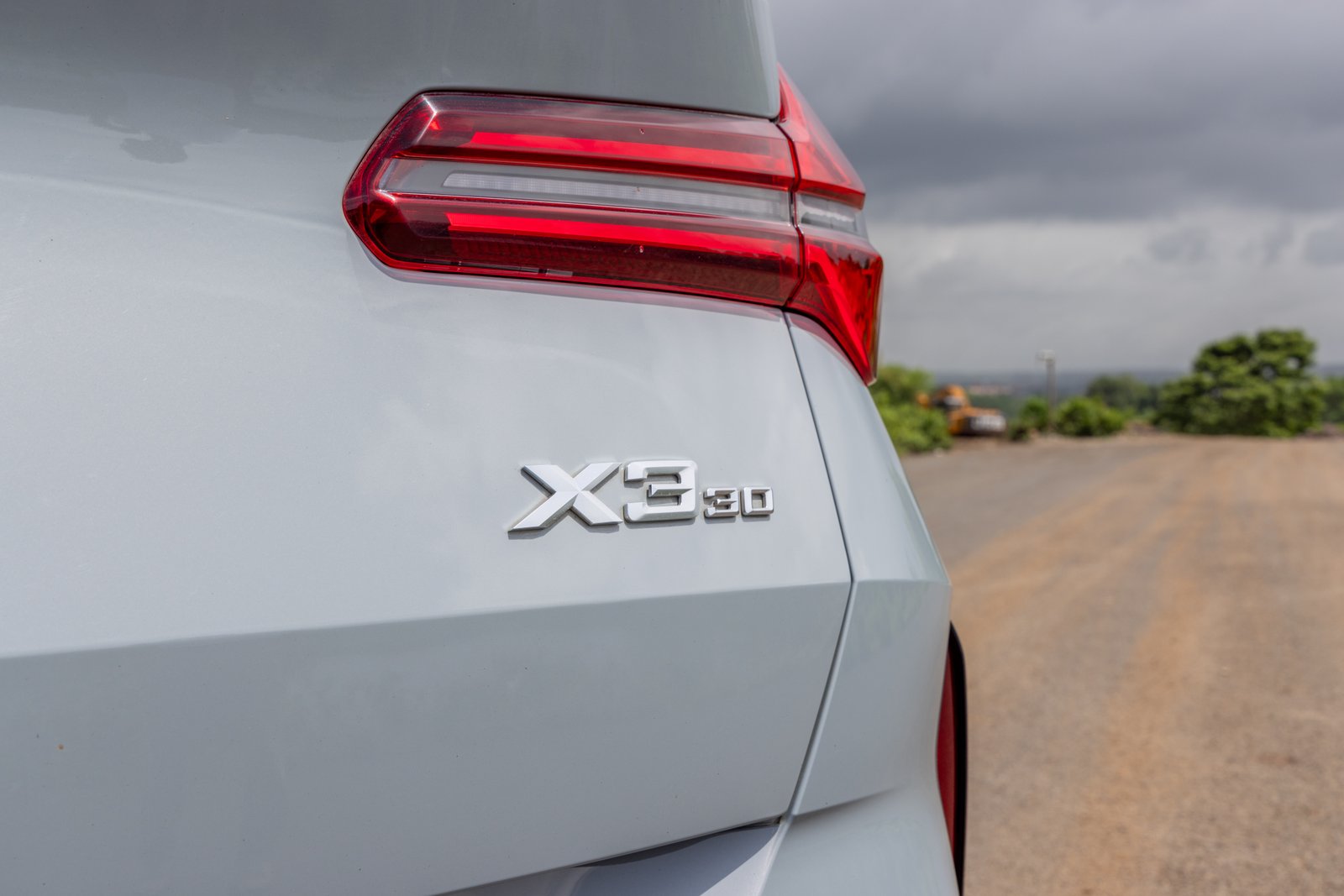
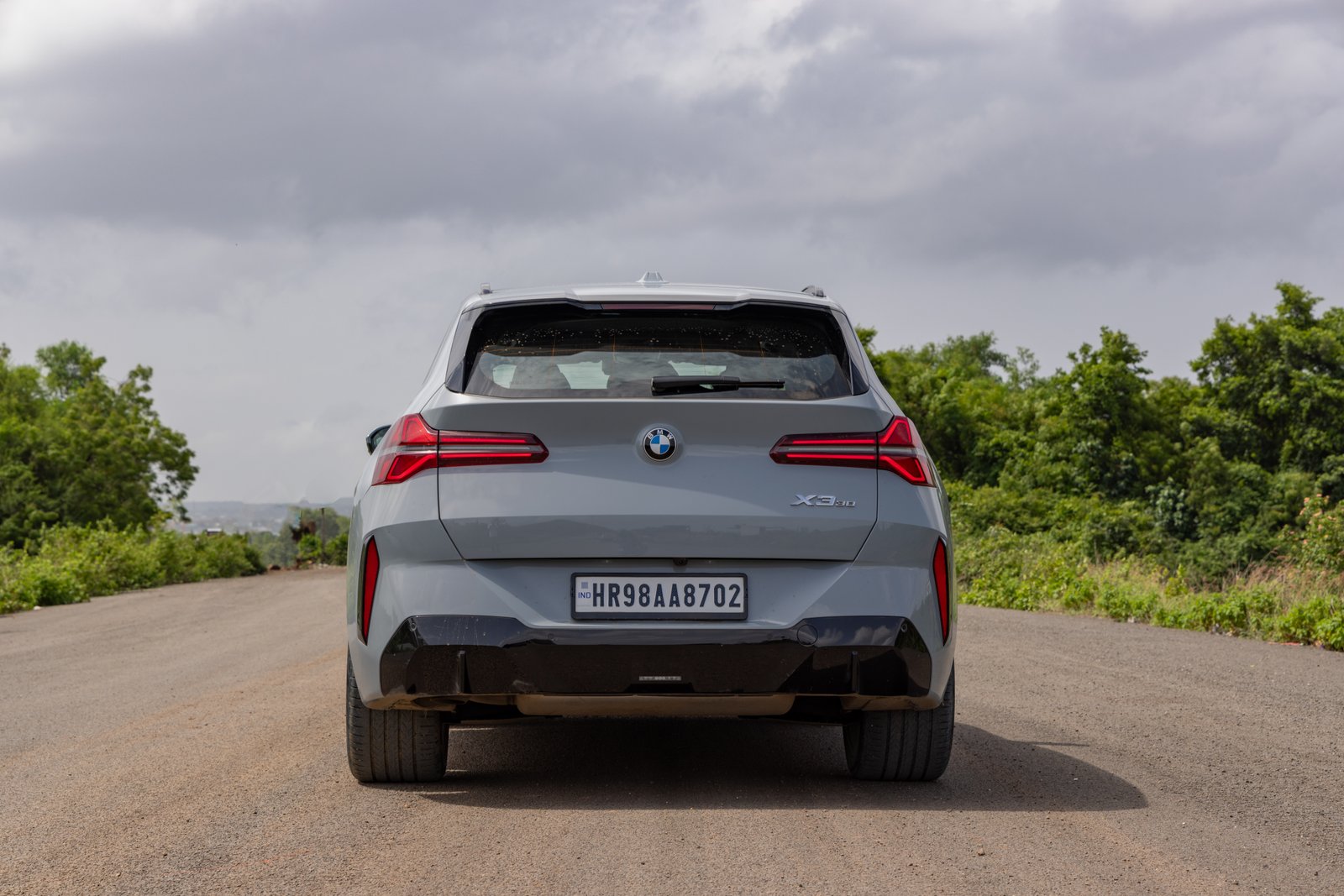
Start with what was always the X3’s problem. The petrol was underpowered. In 20 guise, it made 190 horsepower in a car this big and this expensive, and it never felt like enough. The 30 fixes that properly. Same two-litre four-cylinder turbo-petrol, much higher state of tune, now 258 horsepower and 400Nm. That’s 68 horses and 90 Nm more than before, and level with the Mercedes GLC 300. BMW claims 0-100 in 6.3 seconds; there is a 48-volt mild-hybrid helping low down, and the eight-speed automatic is the familiar BMW unit, which is to say it is excellent. But the number that matters is not the 0-100; it is the mid-range. The 20 always felt like it was giving you everything it had. This one feels like it is holding something in reserve, and that changes the character of the whole car. Sport mode sharpens the responses and pipes some engine note into the cabin, though no speaker trickery makes this four-cylinder sound special. It is refined rather than characterful, and only coarse at the very top.
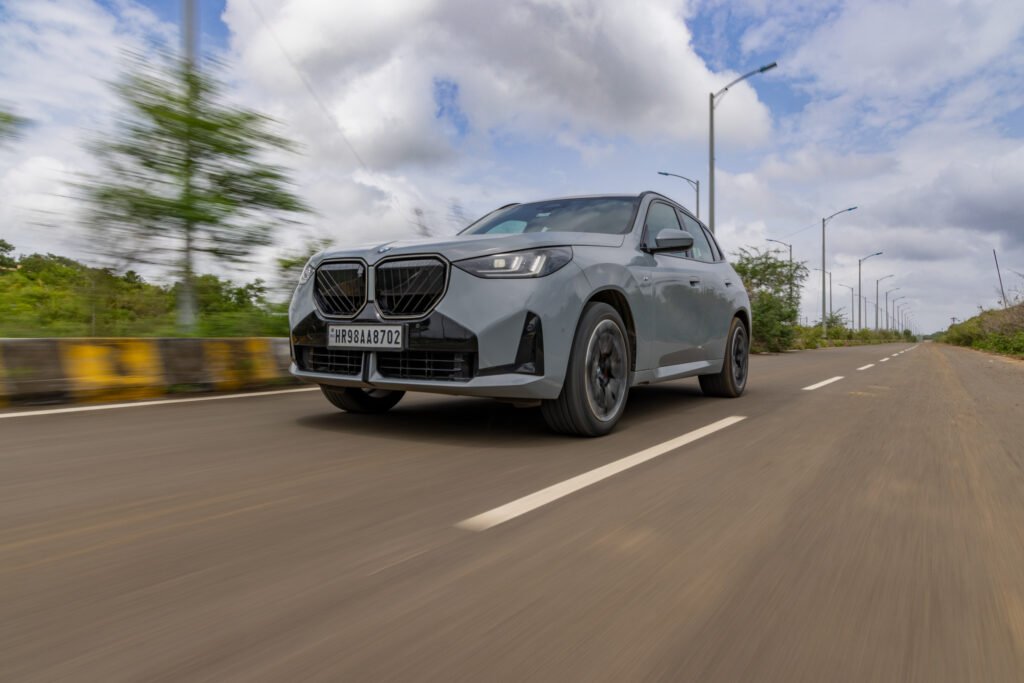
Then the suspension, which is where my argument lives or dies. The 30 gets adaptive damping with electronically controlled dampers. The 5 Series LWB does not, and that is not a small detail. Without them, the sedan is tuned soft and stays soft, and it loses the ability to be two different cars. This one has that ability. In Comfort, it settles and breathes with the road. In Sport, the body draws itself in, flattens, and starts changing direction with real intent. That range is exactly what enthusiasts used to buy a 5 Series for.
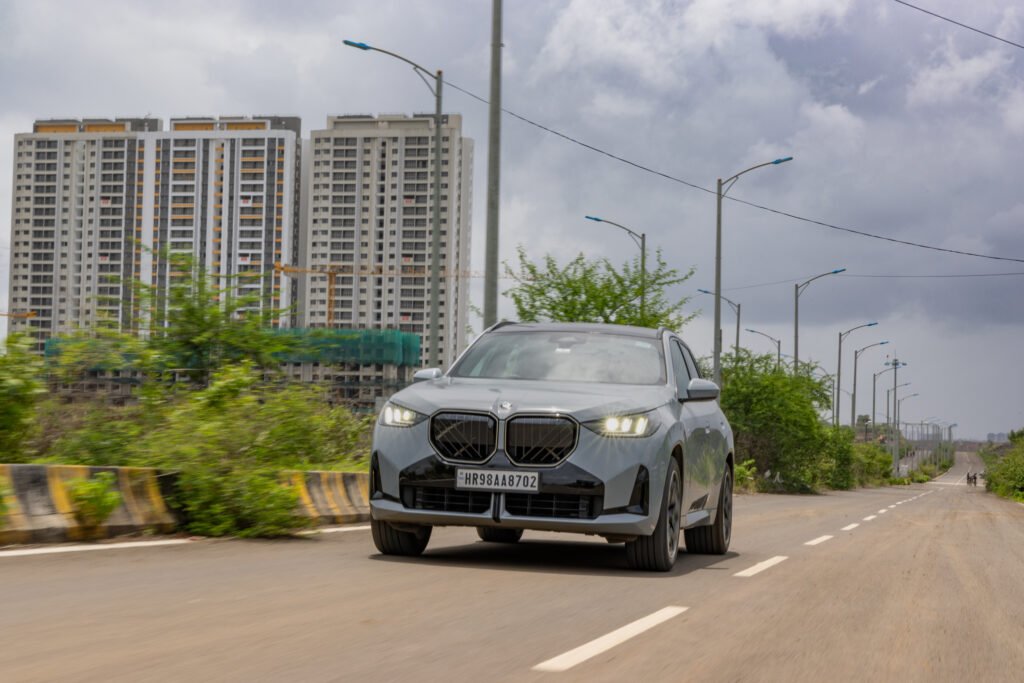
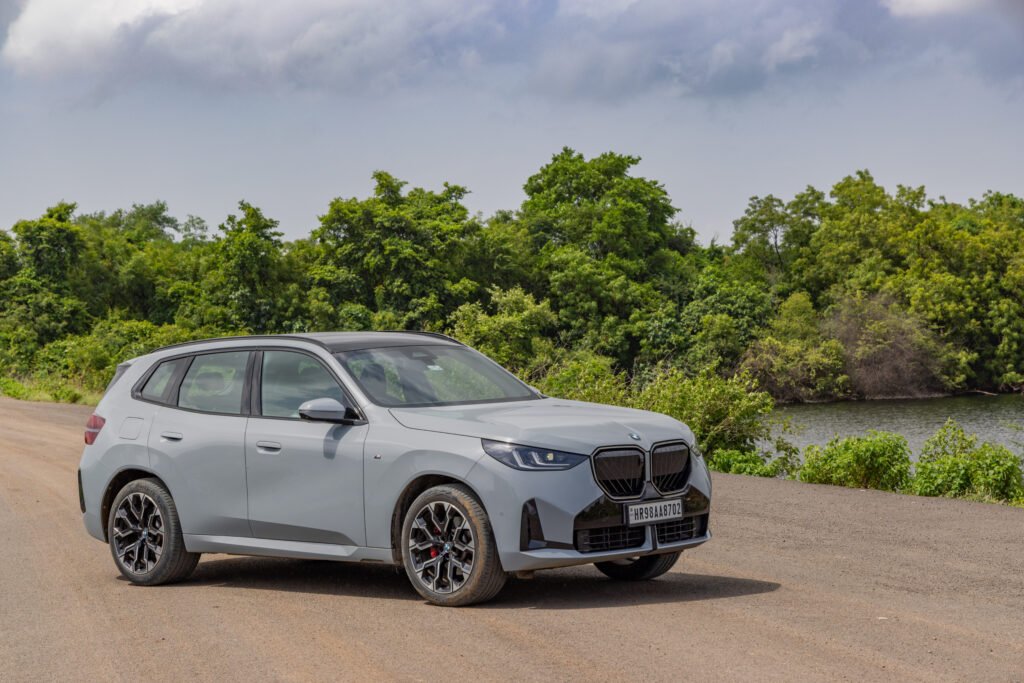
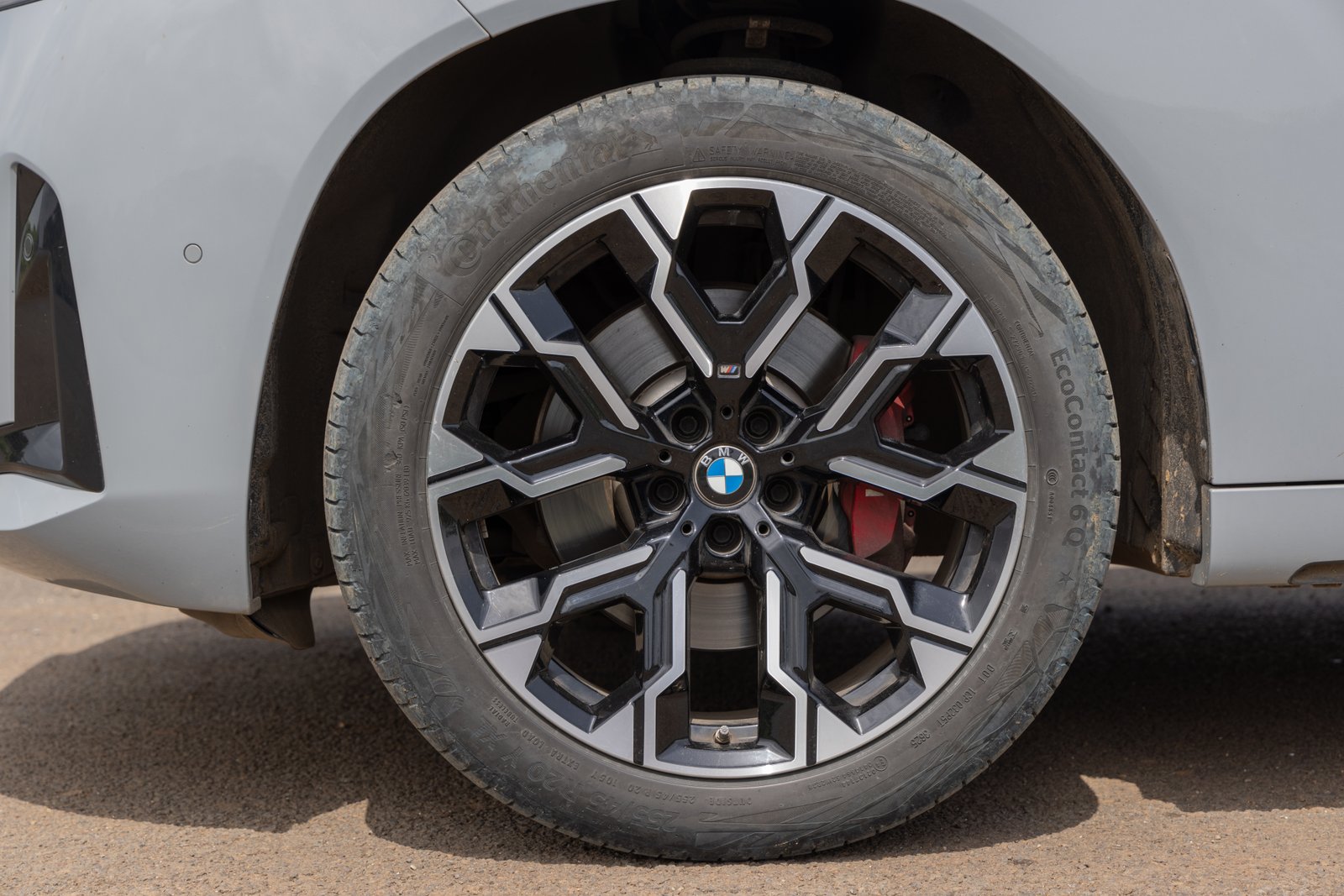
The catch is the wheels. Twenty inches, staggered, 255-section front and fat 285s at the rear, and those low-profile sidewalls mean sharp edges come through abruptly at low speed. But the long drive out to our location told me more than any amount of hard cornering could. Around town you feel the tyres. As the speed builds, the ride settles beautifully, the body stays flat over undulations and high-speed stability is excellent. The test that matters to me is not whether a car can do one heroic corner, but whether you would happily do three hundred kilometres in it on a Sunday. This one, you would.
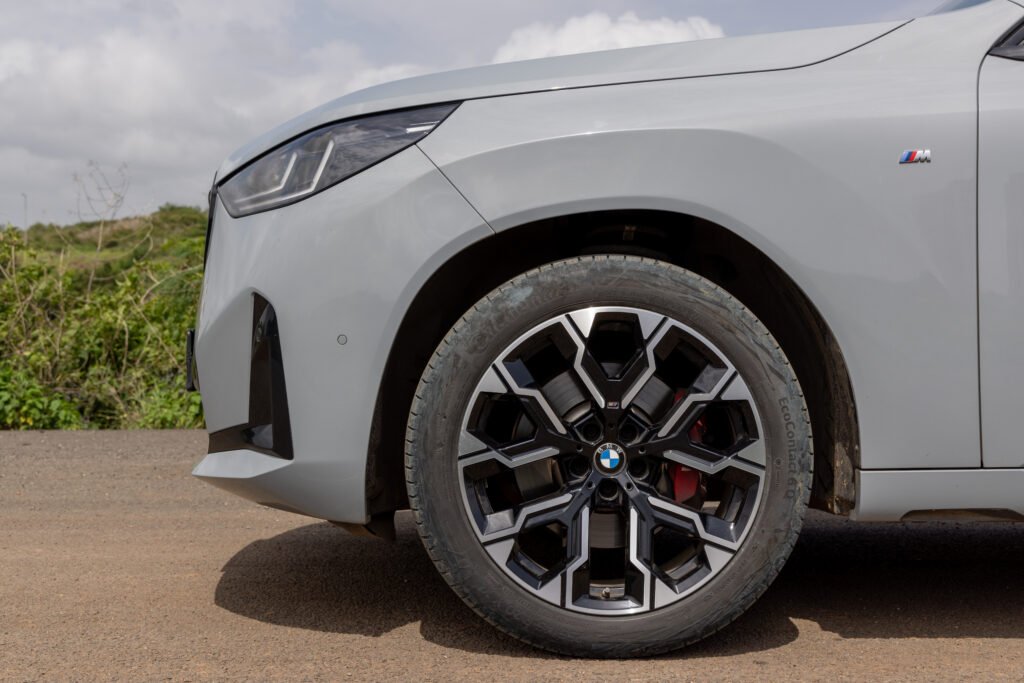
On a good road, the payoff is real. The wide tyres and xDrive give grip that is almost excessive for the class; the front end responds immediately, and the rear finds traction without drama. My gripe is the steering. Quick, direct and easy to place, but it tells you very little, and it could use more weight in Sport.
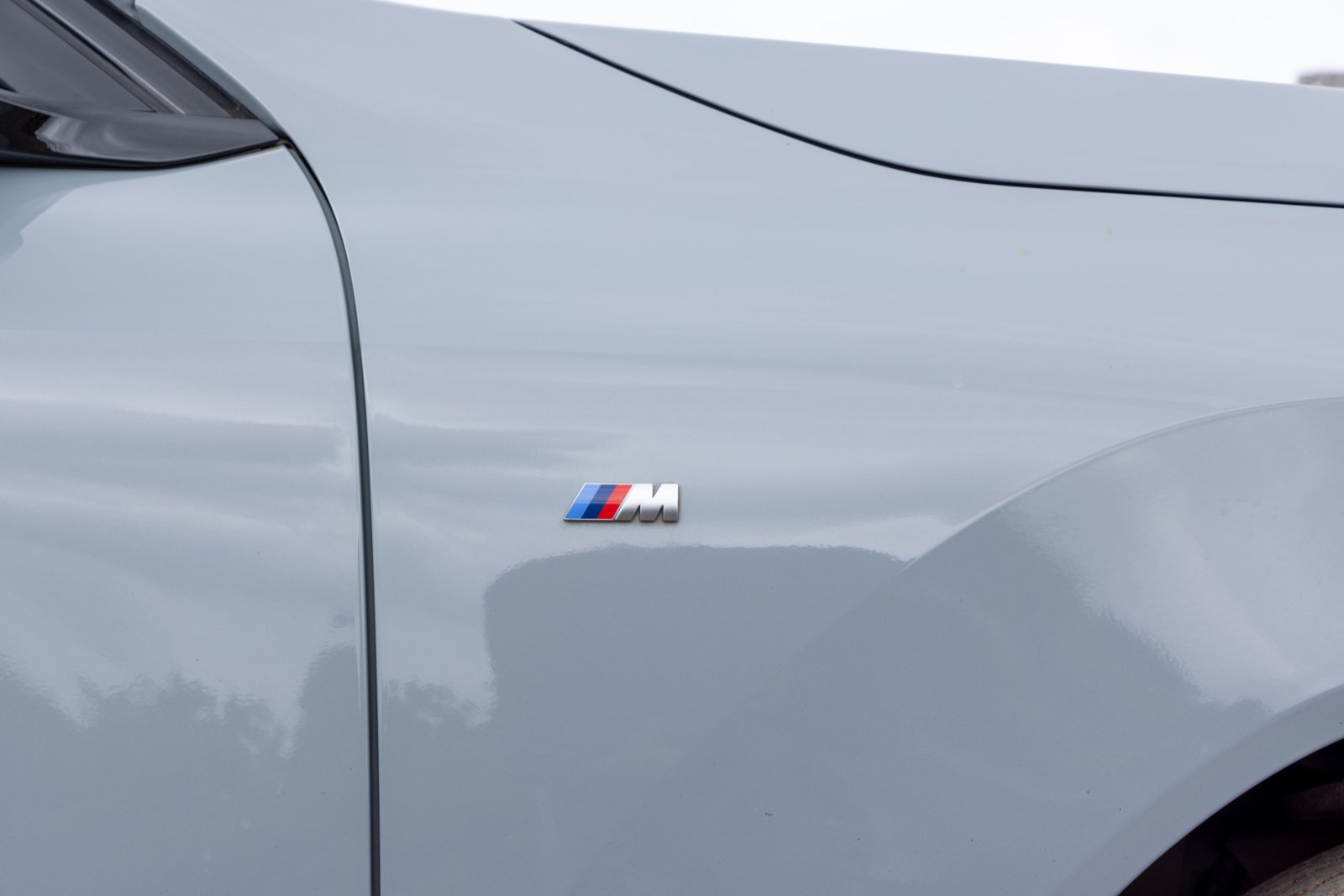
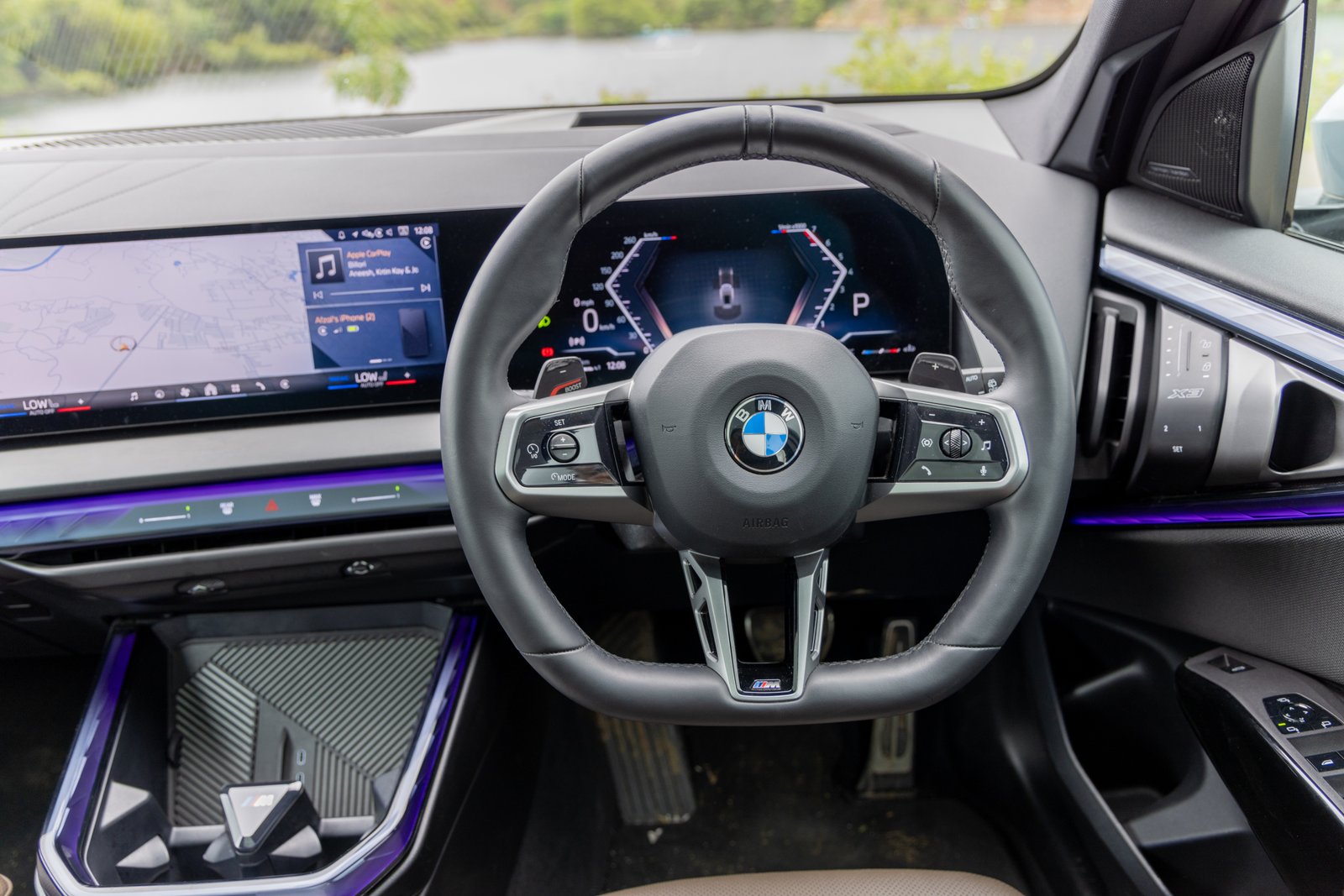
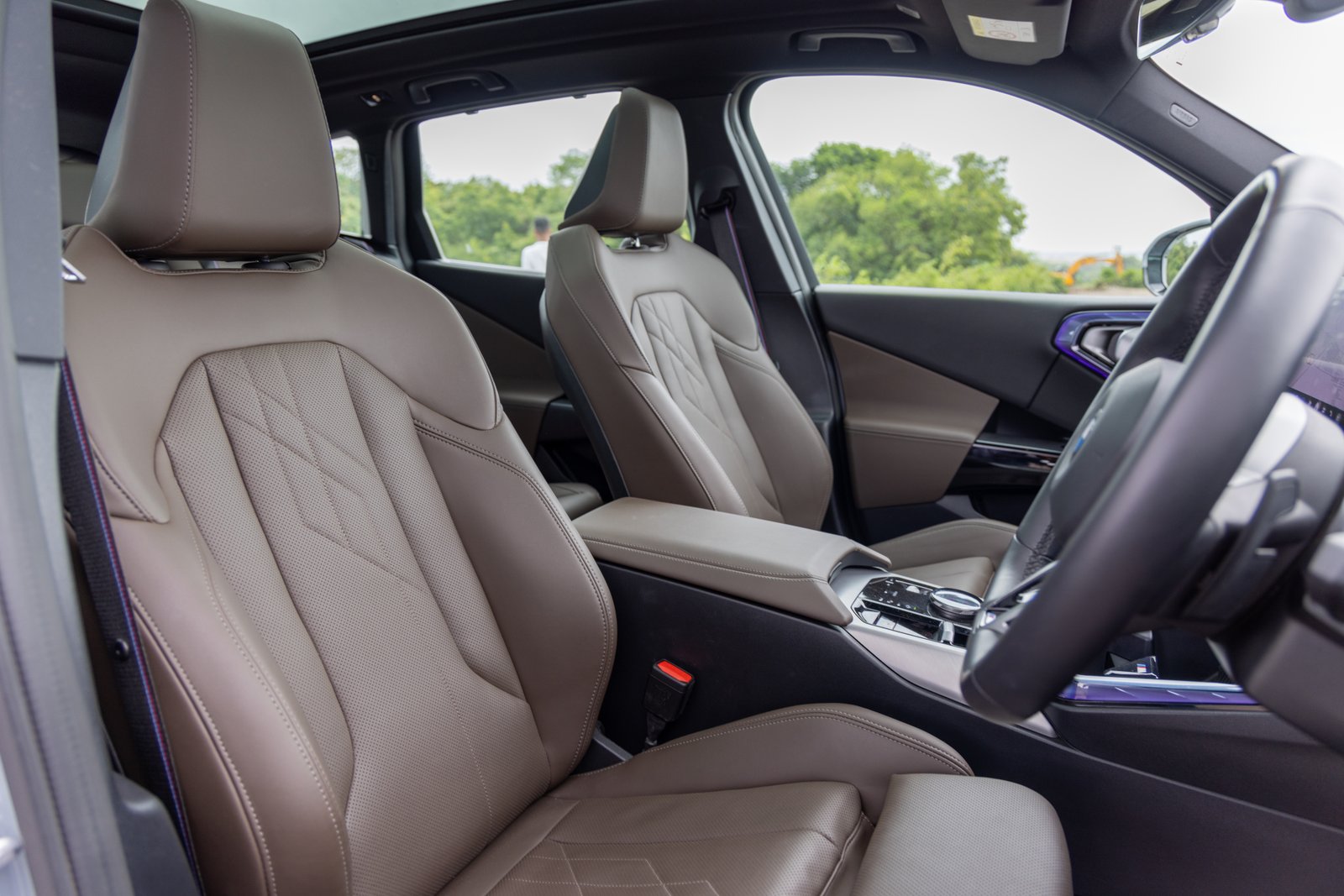
Inside, the 30 earns its position. The dash top and door card uppers are wrapped in leatherette instead of the recycled polyester mesh used lower down, and it lifts the cabin. M stripes in the seatbelts, an M logo projected from the puddle lamps, metal sill plates.
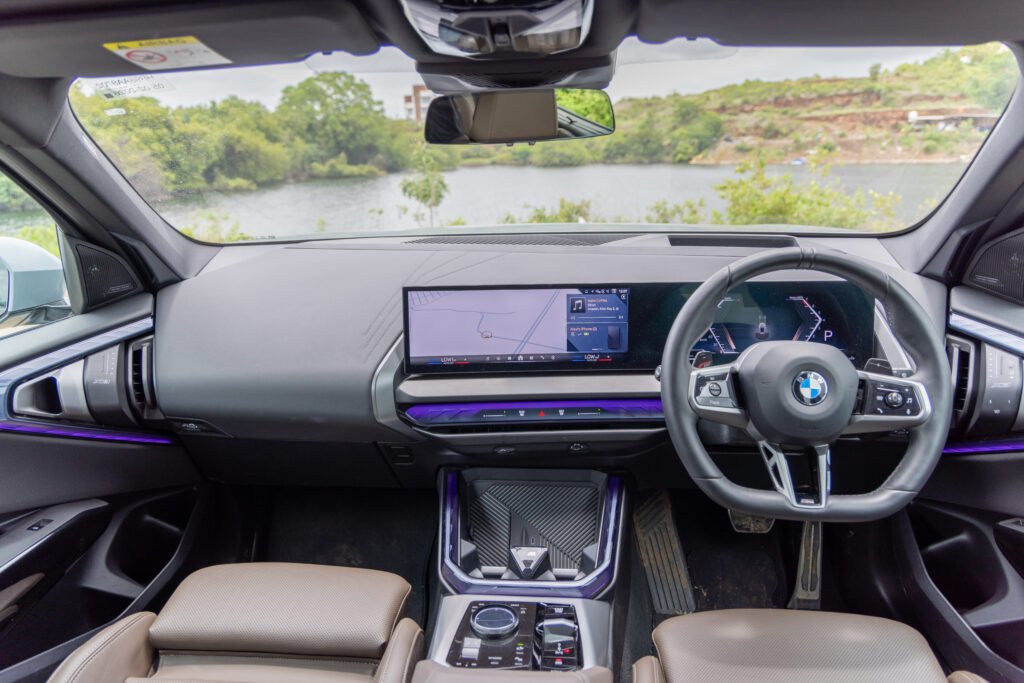
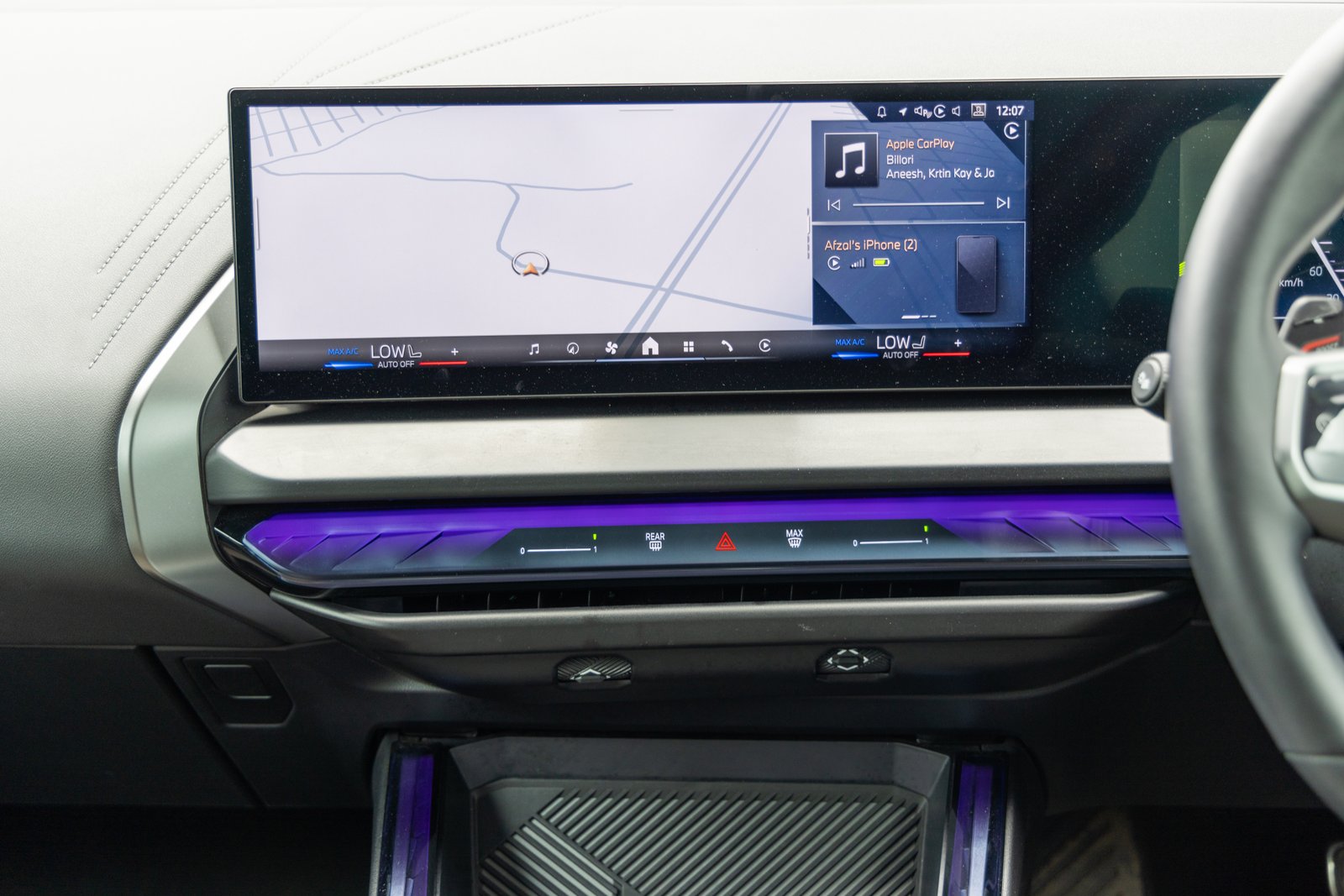
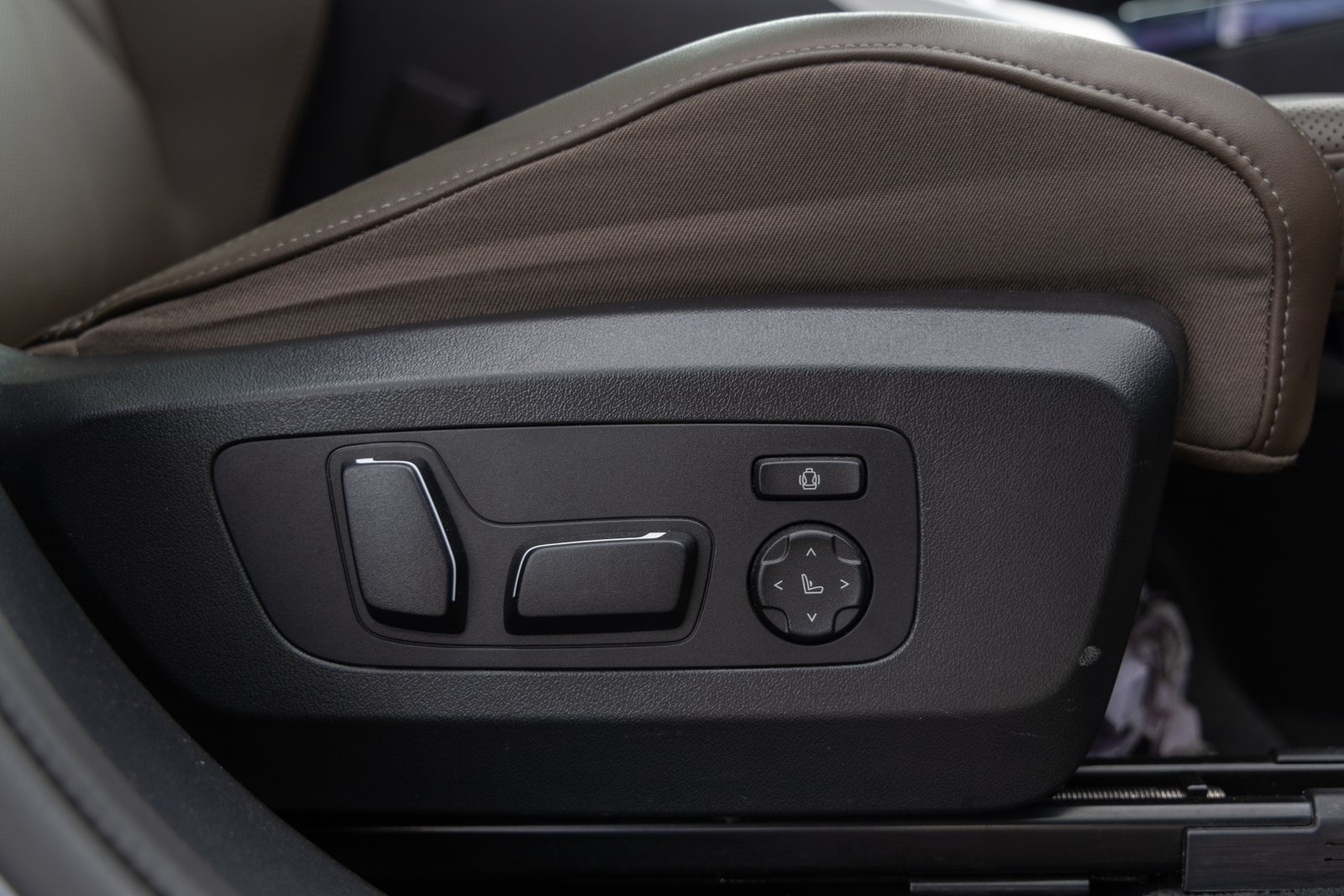
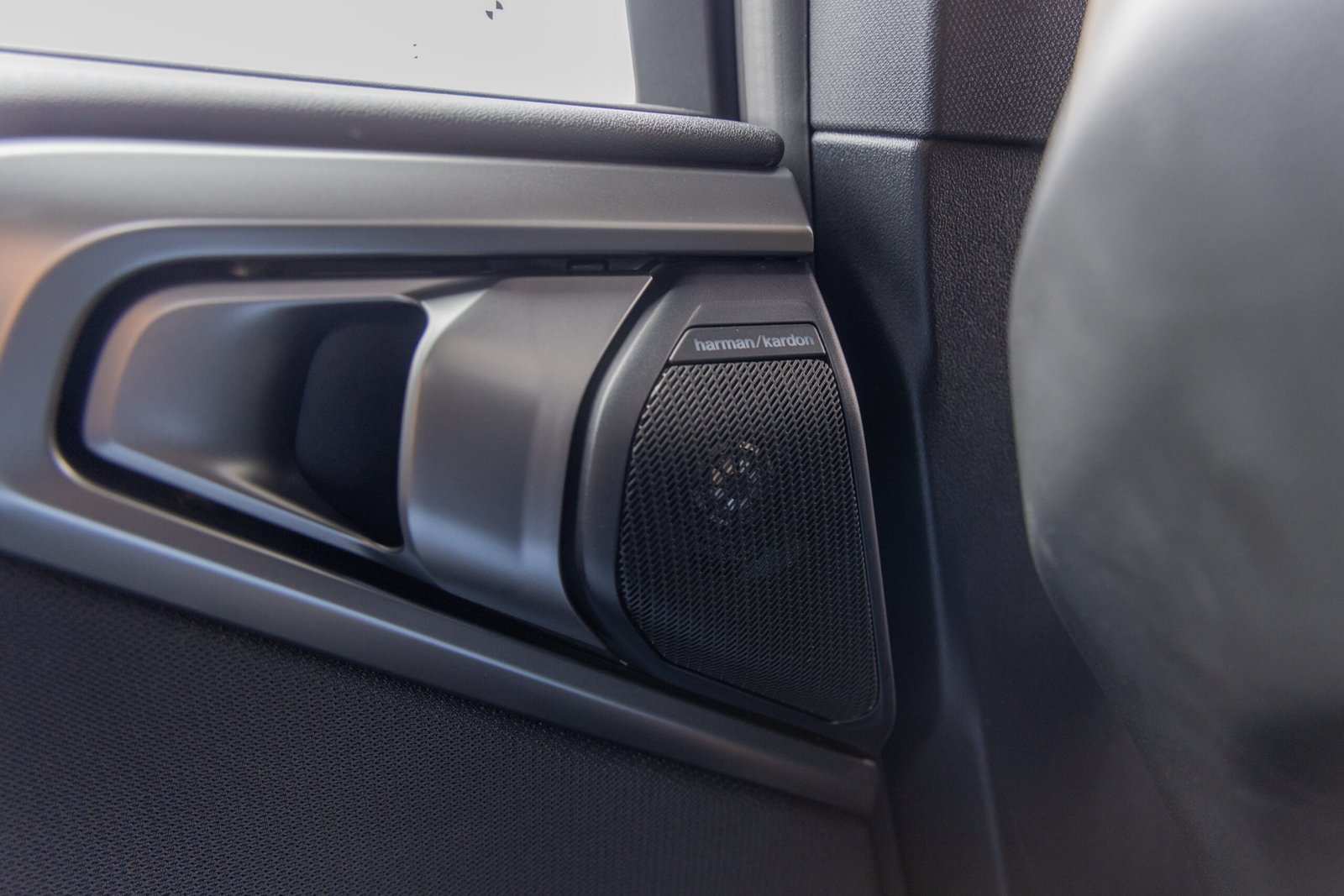
The front seats are the highlight, powered and ventilated, with extendable thigh support and bolsters you can cinch in before a good road. The kit list covers a panoramic glass roof, a fifteen-speaker 750-watt Harman Kardon system, three-zone climate, head-up display, digital key, auto park, 360-degree camera, eight airbags and Level 2 ADAS, with 570 litres of boot behind 40:20:40 seats. Two honest complaints. The plastics low down are hard and cheap for the money, and the climate controls live in the touchscreen with haptic sliders for the vents, which on the move is a distraction I do not want.
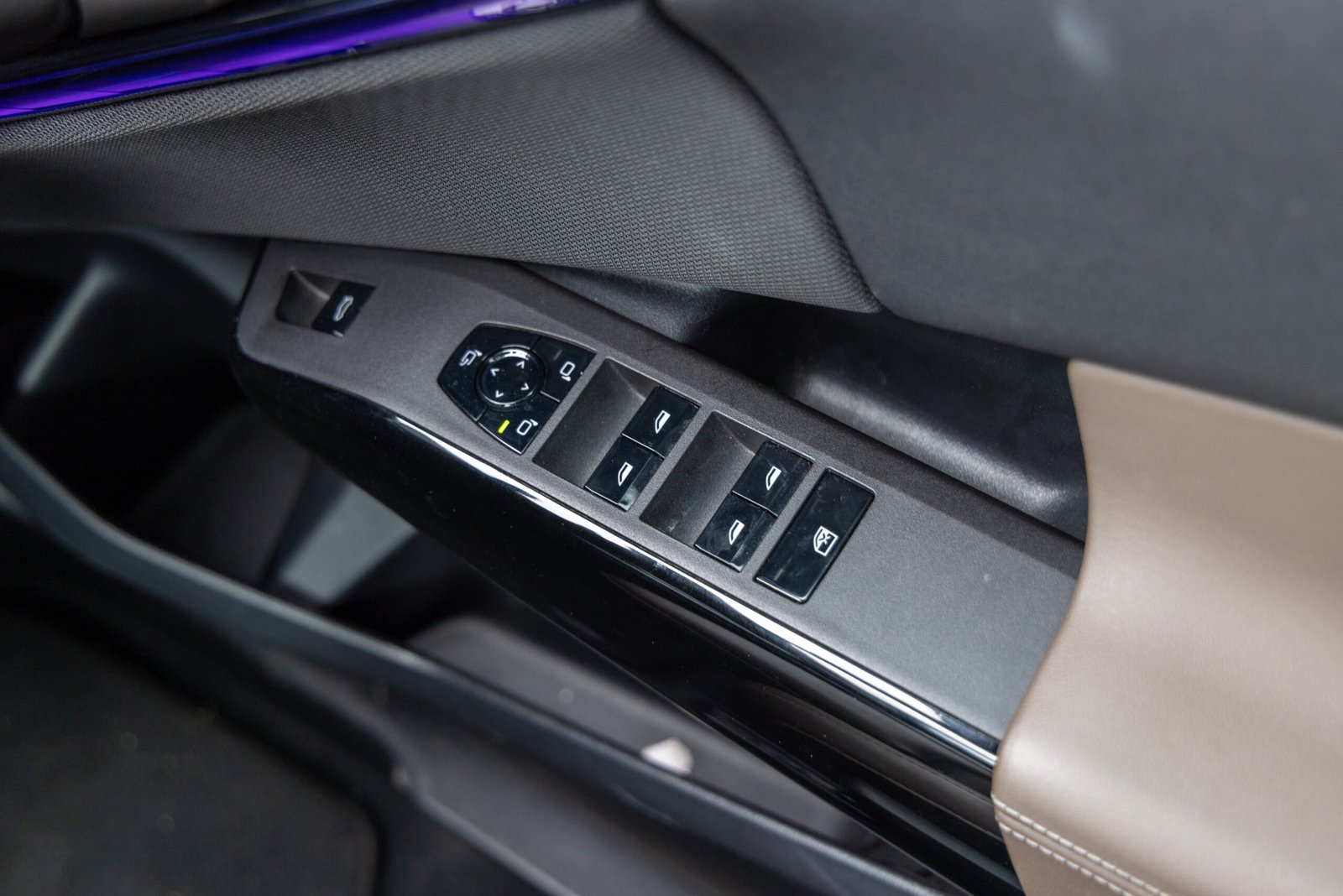
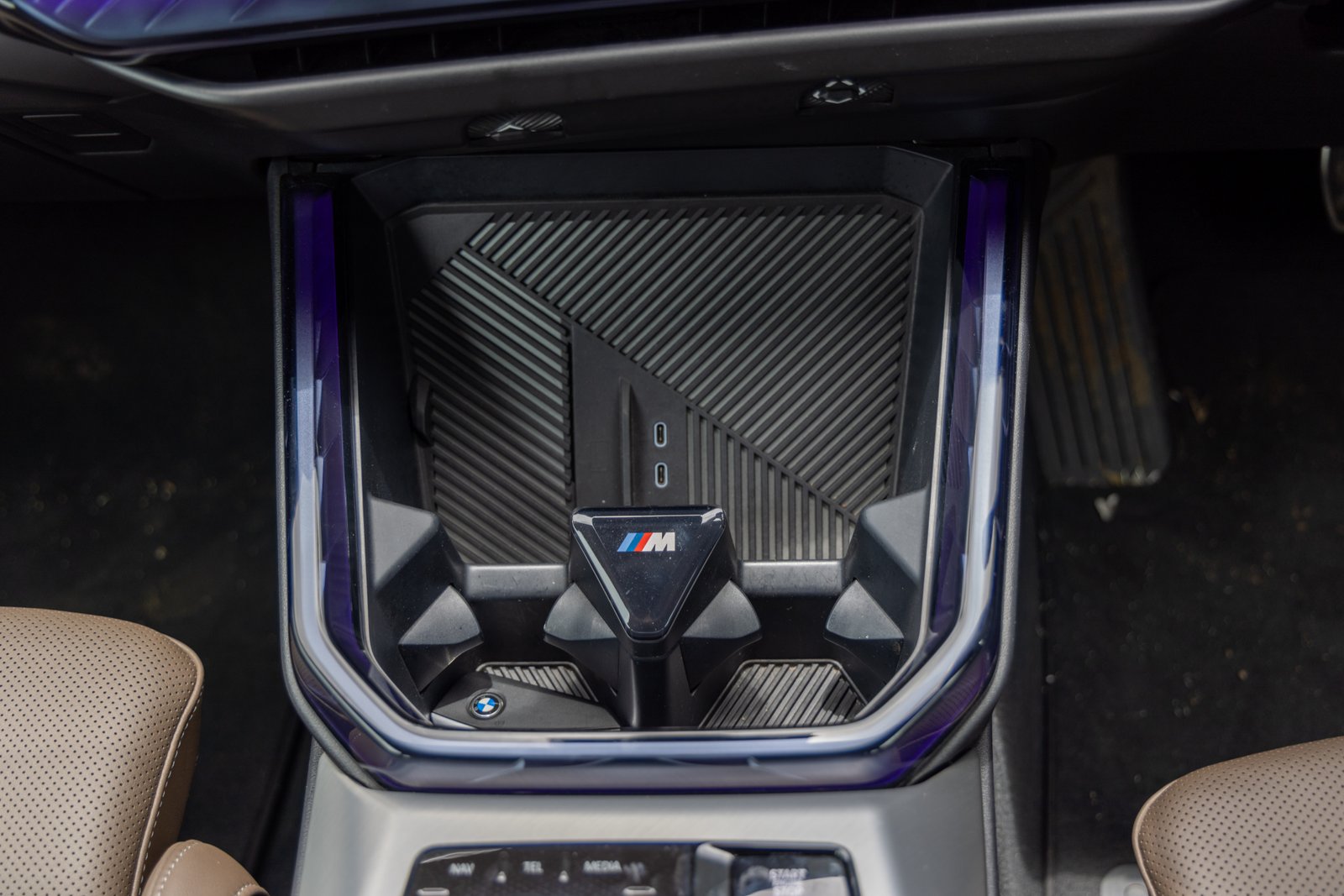
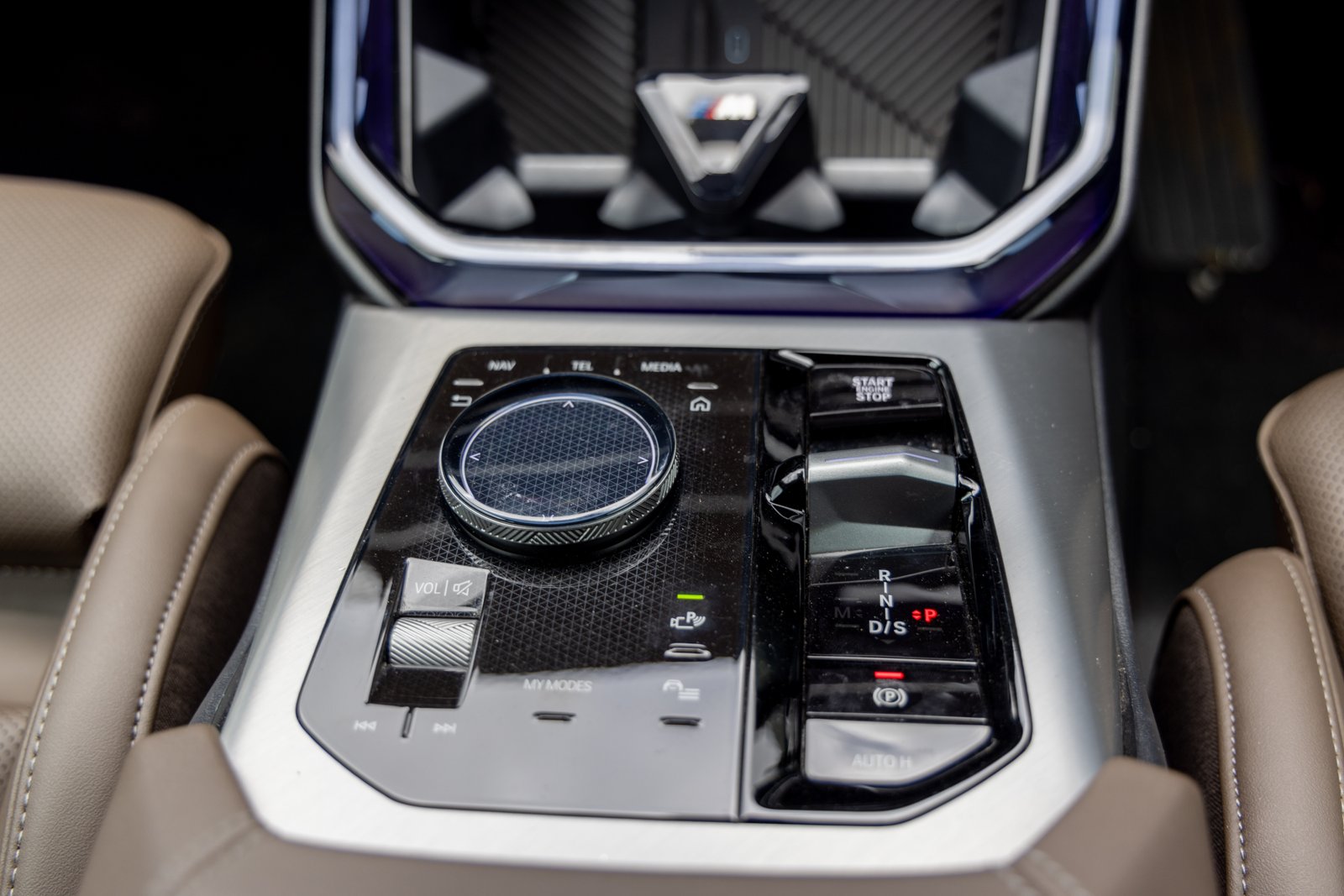
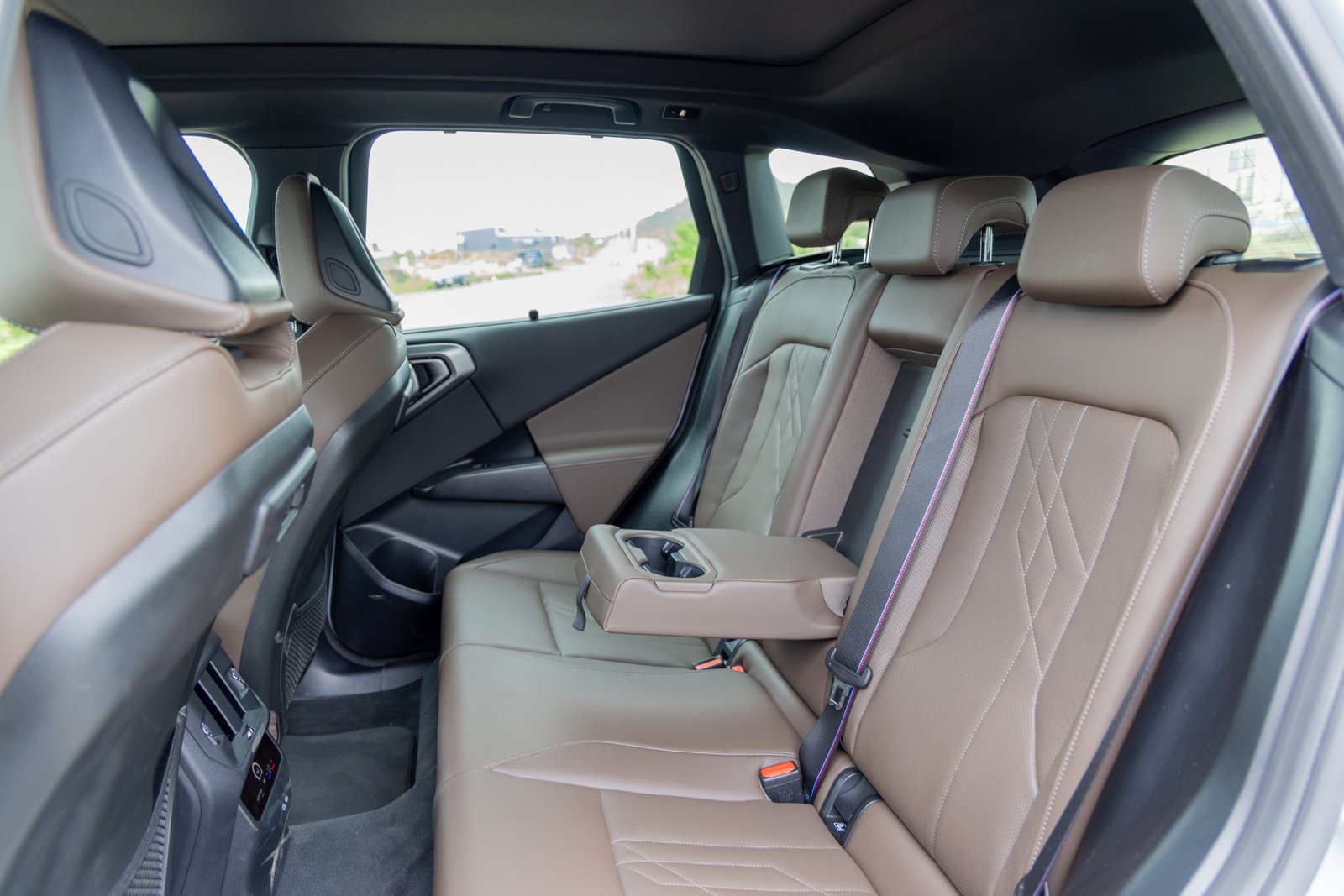
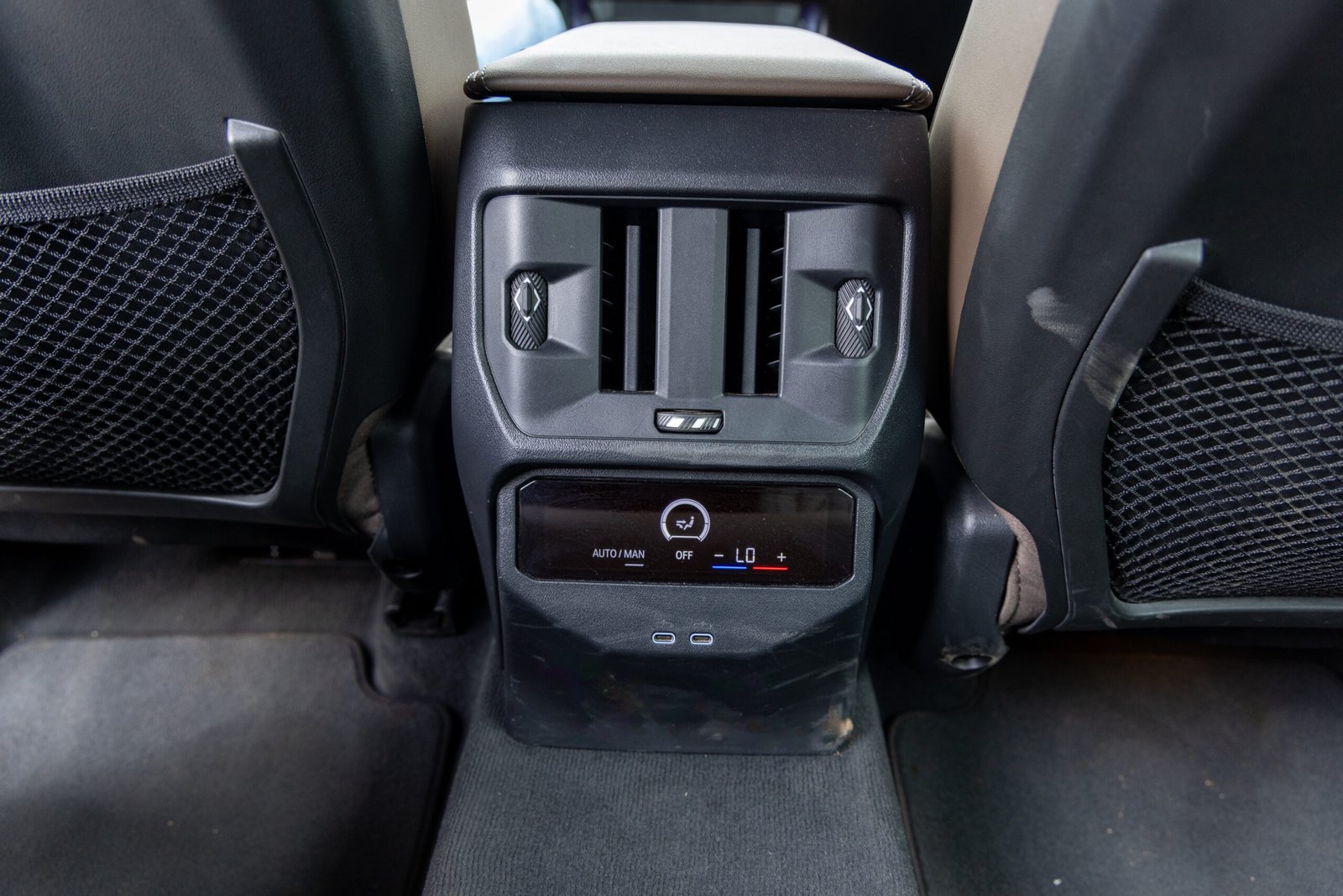
The back seat is spacious, with good legroom and headroom, but the backrest is too upright and does not recline, and three abreast is awkward around the transmission tunnel. The GLC still has the better bench. That is rather the point. This is not a car you buy to be driven in.
At Rs 76.20 lakh ex-showroom, this is the range-topping petrol X3, and close enough to 5 Series money to force the question. If you want to be driven, buy the sedan. If you are holding the wheel, this is the more complete car for India. It has the engine it always deserved, dampers that give it a breadth the sedan no longer has, the clearance and the boot to use it, and enough body control to reward you when the road turns good. The plastics disappoint, the climate controls annoy, and the steering could say more. But the enthusiast’s car at this price is not a sedan anymore.

Shot by: Shreya Somani for DAG INDIA