Hyundai has unveiled the all-new Hyundai Tucson N Line at the 2026 Paris Motor Show, introducing a sportier interpretation of its next-generation SUV. The…
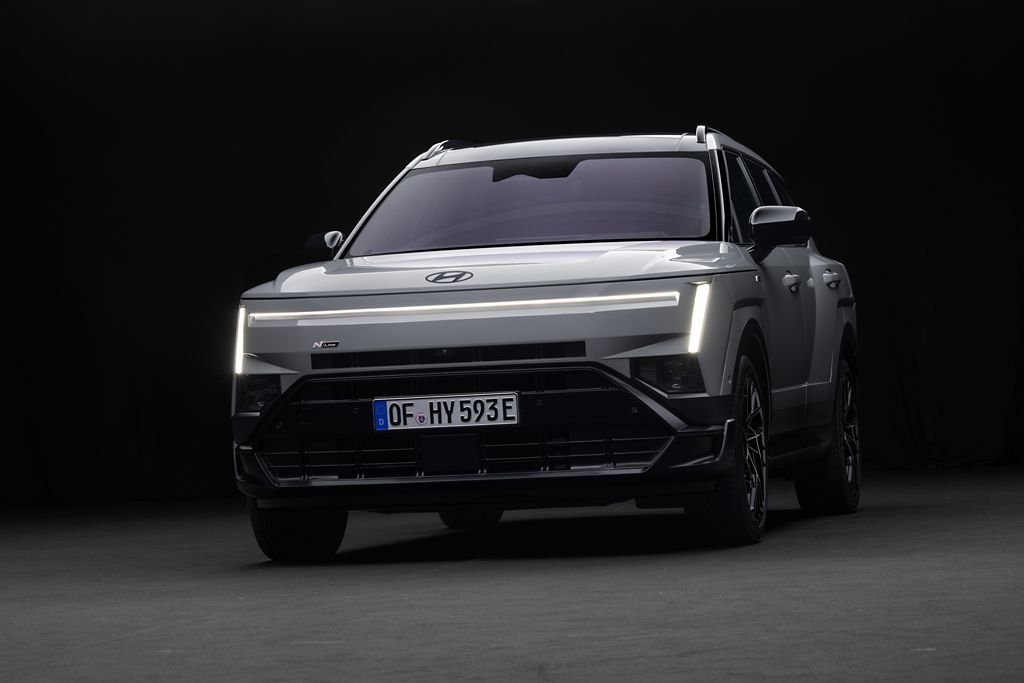
Hyundai has unveiled the all-new Hyundai Tucson N Line at the 2026 Paris Motor Show, introducing a sportier interpretation of its next-generation SUV. The new N Line combines distinctive exterior styling, a performance-inspired cabin and a choice of petrol mild-hybrid, hybrid and plug-in hybrid powertrains.
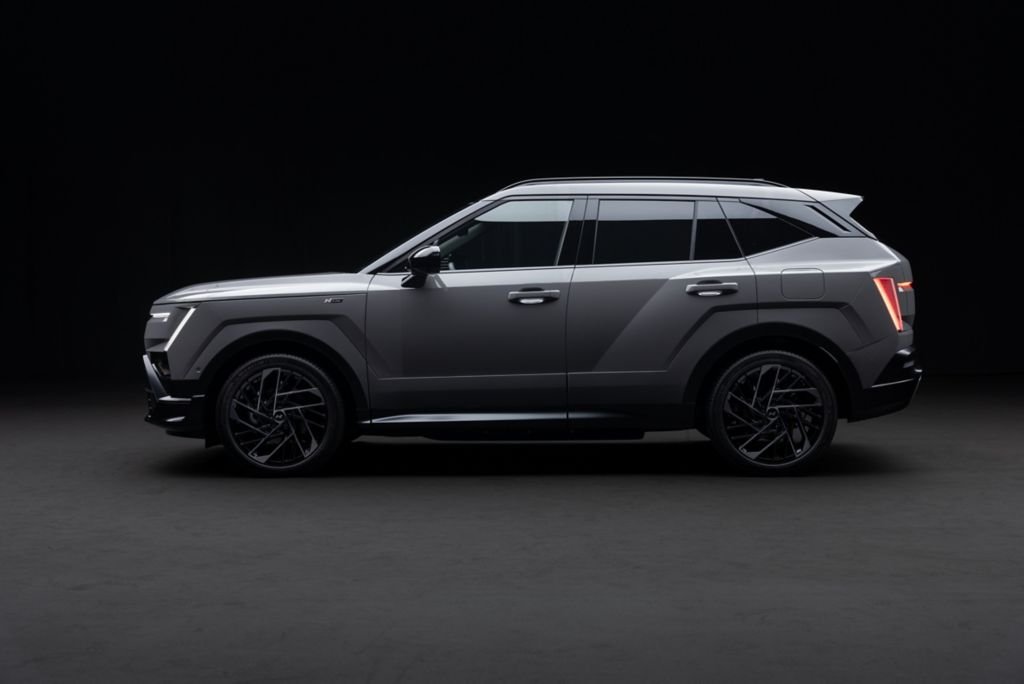
The announcement follows the unveiling of the all-new Tucson and adds a more athletic character to the SUV’s design, while retaining its focus on comfort, practicality, connectivity and everyday usability.
Hyundai Tucson N Line: A Sharper, More Athletic SUV Design
The new Tucson N Line builds on Hyundai’s ‘Art of Steel’ design language, with muscular proportions, crisp body lines and a more purposeful stance. The N Line package introduces several styling changes that distinguish it from the standard Tucson.
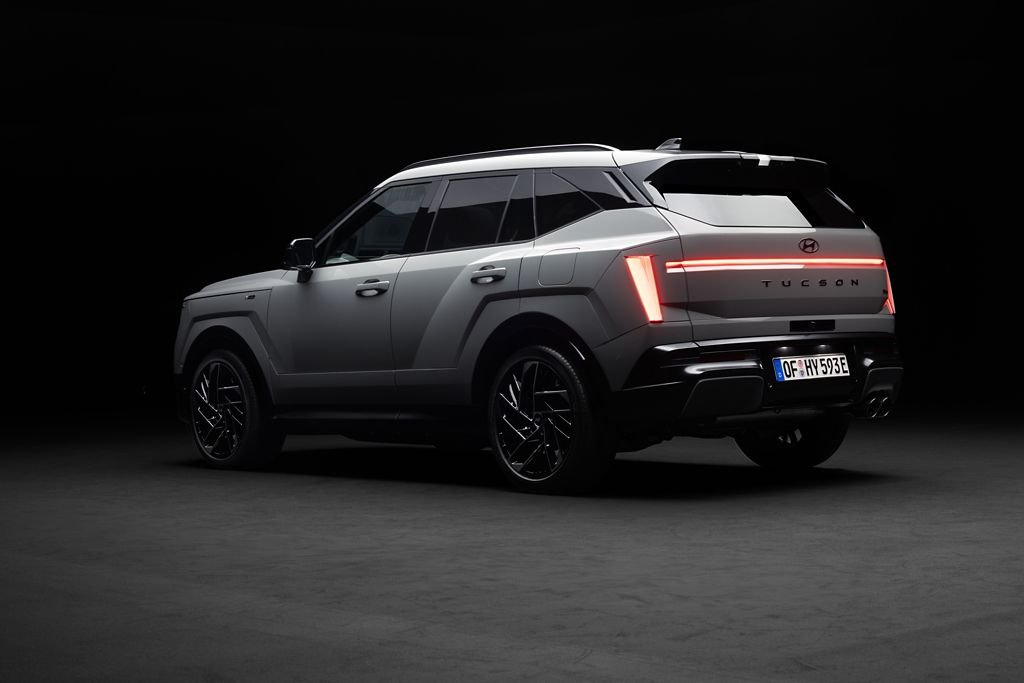
Key exterior highlights include:
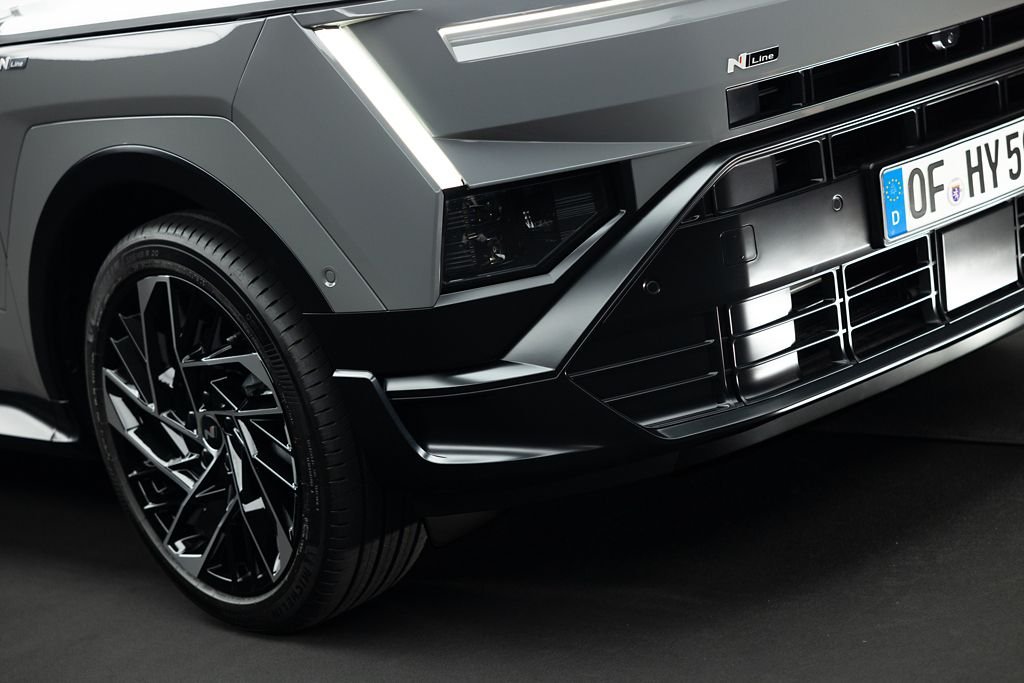
- A more angular front bumper with a pronounced chin spoiler.
- Satin-black aerodynamic ducts and muscular side skirts.
- Body-coloured lower door trims and slimmer wheel-arch cladding.
- Gloss-black door mirrors and C-pillar inserts.
- A sculpted rear bumper with diffuser-effect detailing.
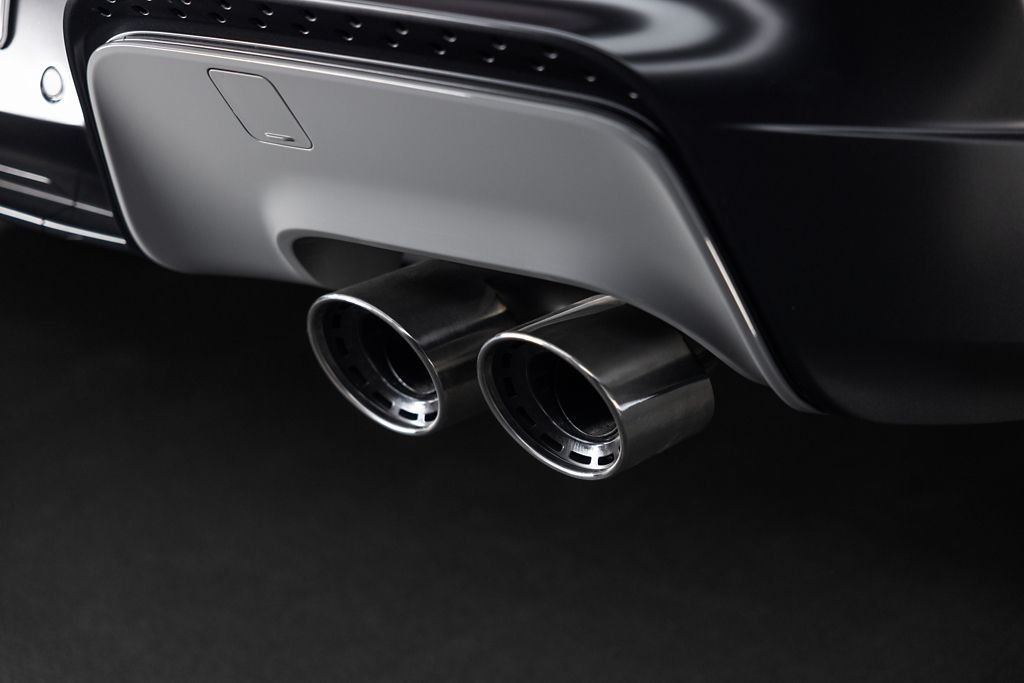
- Twin exhaust outlets with sporty brightwork.
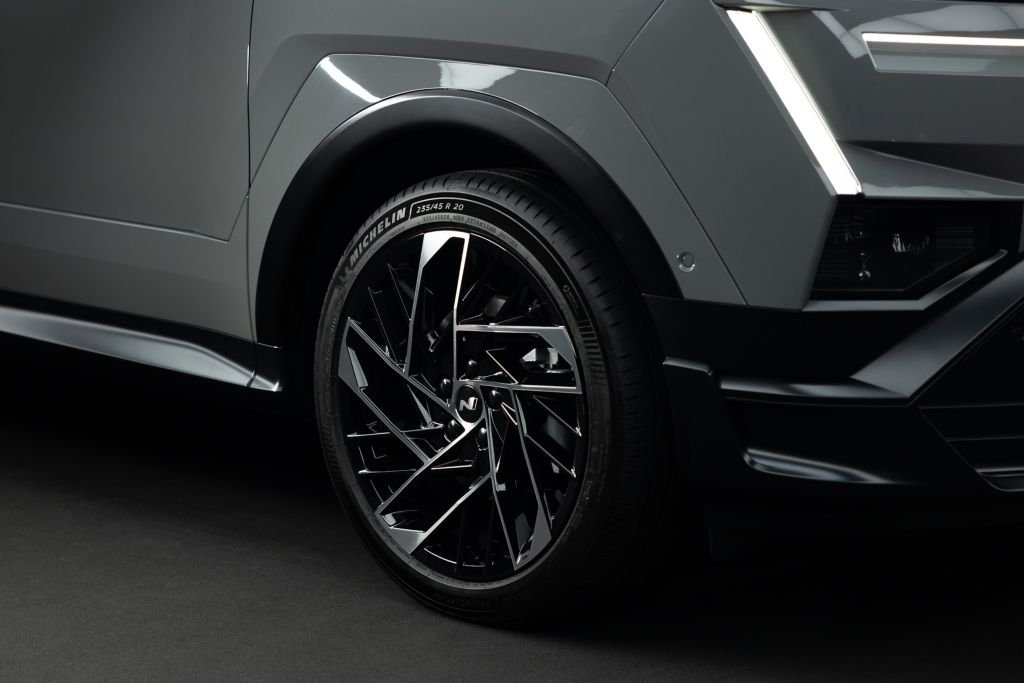
- Exclusive 20-inch alloy wheels and N Line badges.
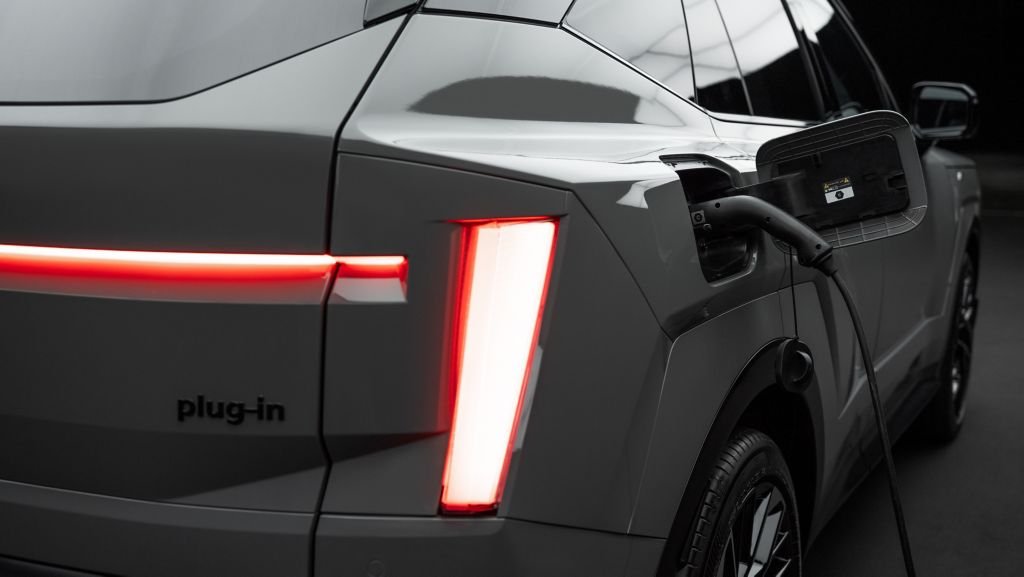
- Hyundai’s H-Edge lighting design and sculptural Prism Rear Lamp.
Together, these elements give the SUV a lower, sharper visual profile without changing its fundamental proportions. The emphasis is on a more distinctive appearance rather than a completely separate high-performance model.
Sporty Cabin With Red Accents and Premium Materials
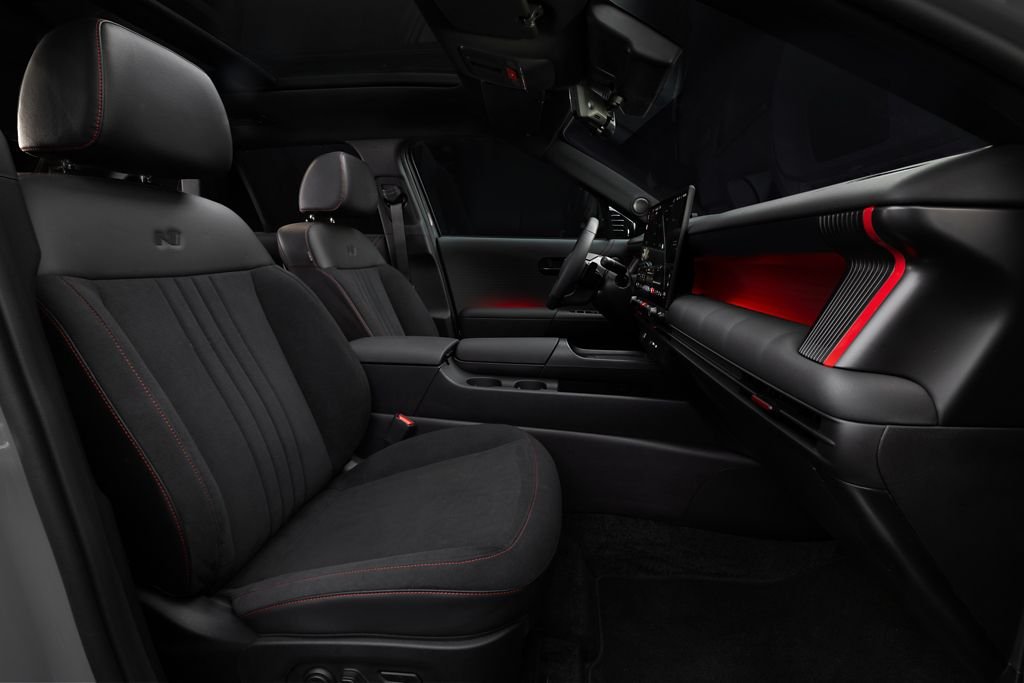
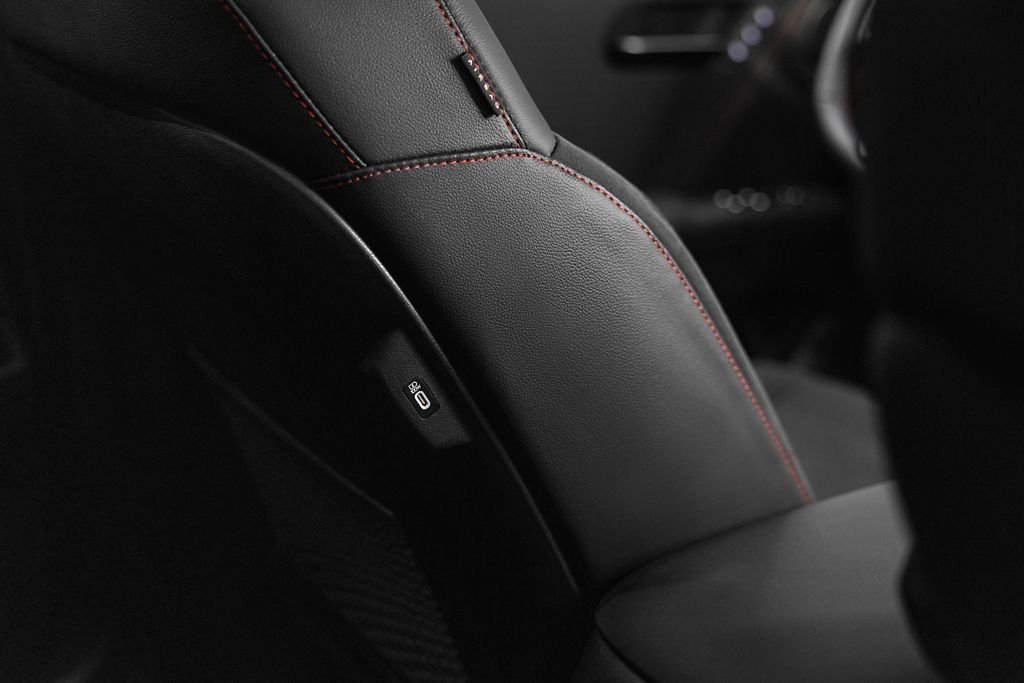
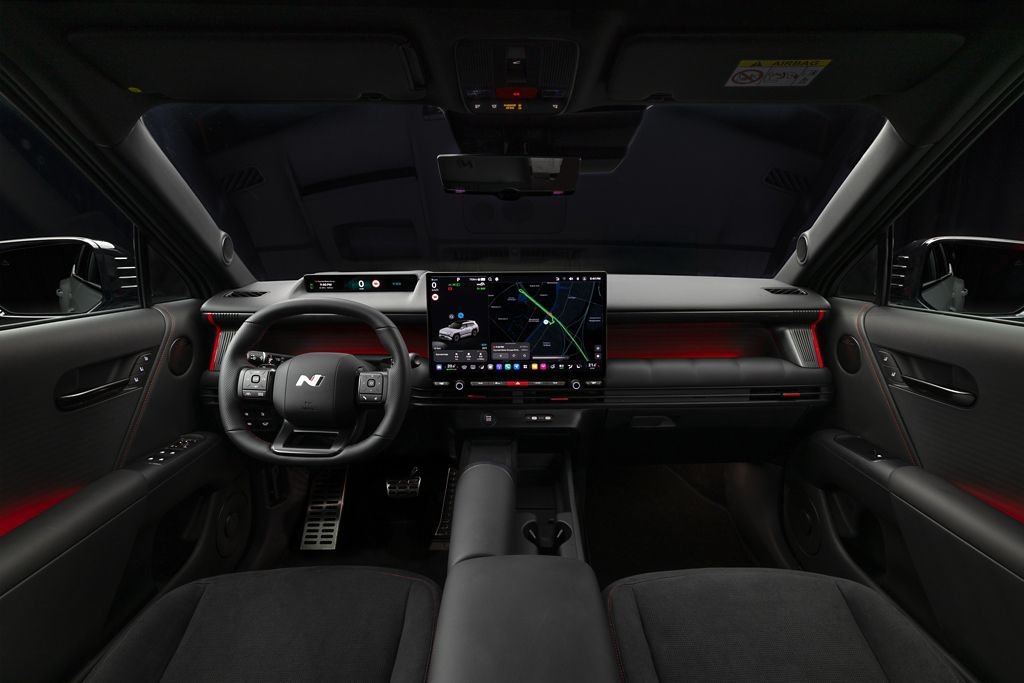
The exterior changes are complemented by a darker, performance-inspired cabin. The Tucson N Line features an exclusive black monotone interior with contrasting red stitching and detailing across the seats, doors and dashboard.
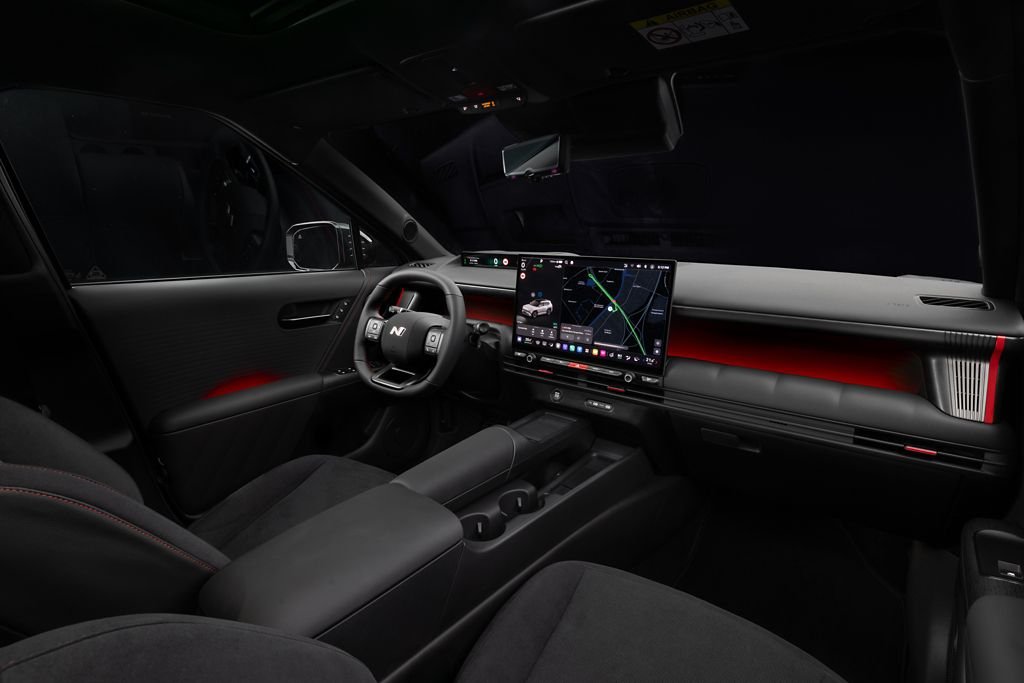
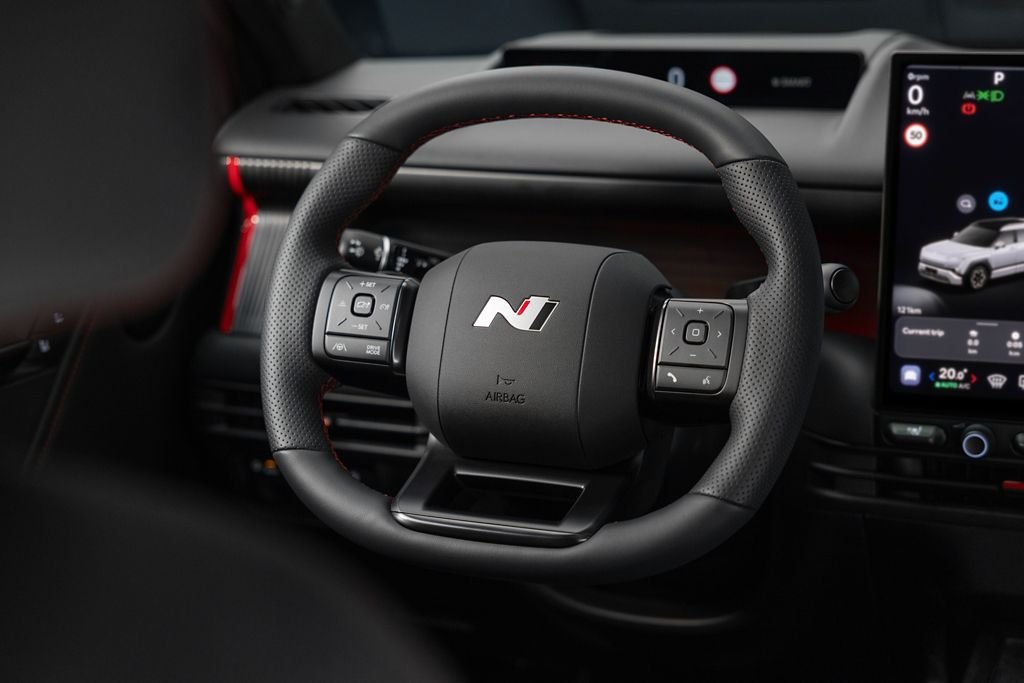
The front sport seats combine leather and textile suede, while the N steering wheel features perforated leather hand grips, red stitching and dark-metal inserts. Metal pedals, a matching footrest and N Line scuff plates further reinforce the sporty theme.
Despite these changes, the cabin retains the practicality expected of a family SUV. Hyundai quotes rear cargo capacity of up to 613 litres, along with a 4:2:4 split-folding rear bench that slides by 150 mm to provide additional flexibility for passengers and luggage.
Other notable convenience features include:
- Dual 15 W Qi 2.0 wireless smartphone charging.
- Two 100 W USB-C ports for rear passengers.
- Available Ergo Motion and Relaxation Comfort Seats.
- Multi-Air Mode climate control.
- Remote Smart Parking Assist and Digital Centre Mirror.
- Digital Key 2.0 for compatible smart devices.
Hyundai Tucson N Line Powertrain Options
Hyundai will offer the Tucson N Line with petrol mild-hybrid, conventional hybrid and plug-in hybrid powertrains in its European range. The specifications announced by the manufacturer are outlined below.
| Powertrain | Key specifications |
|---|---|
| 1.6 T-GDi mild-hybrid petrol | 150 PS (approximately 148 bhp), 48-volt system |
| Hybrid (HEV) | 245 PS (approximately 242 bhp) combined output |
| Plug-in hybrid (PHEV) | 292 PS (approximately 288 bhp) combined output |
Power figures are based on Hyundai’s European-market specifications. Final performance and energy-consumption figures remain subject to homologation.
The 1.6-litre T-GDi mild-hybrid petrol version produces 110 kW (150 PS) and sends power to the front wheels through a seven-speed dual-clutch transmission.
The hybrid pairs the 1.6-litre T-GDi engine with a 1.49 kWh battery, delivering a combined maximum output of 180 kW (245 PS). It uses a six-speed automatic transmission and is available with front-wheel drive or all-wheel drive.
At the top of the electrified line-up, the plug-in hybrid combines a 17.1 kWh battery with a total system output of 215 kW (292 PS). Hyundai claims an electric driving range of up to 67 km with the N Line’s 20-inch wheels. Both front-wheel-drive and all-wheel-drive configurations will be offered.
Next-Generation Infotainment and Connectivity
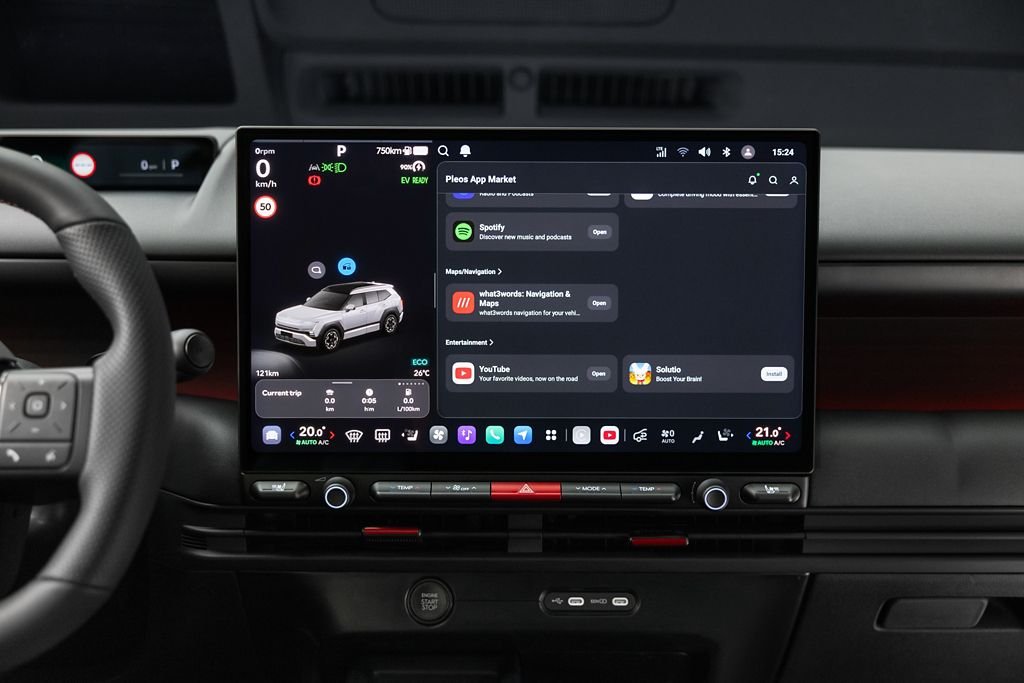
Technology is another key part of the new Tucson package. The SUV features Hyundai’s Pleos Connect infotainment system, based on Android Automotive OS, with a 17-inch display as standard.
The system integrates infotainment, vehicle functions, compatible applications and connected services. An AI-enhanced Gleo AI voice-recognition system can access live internet data, while over-the-air software updates allow selected systems and infotainment functions to be updated remotely.
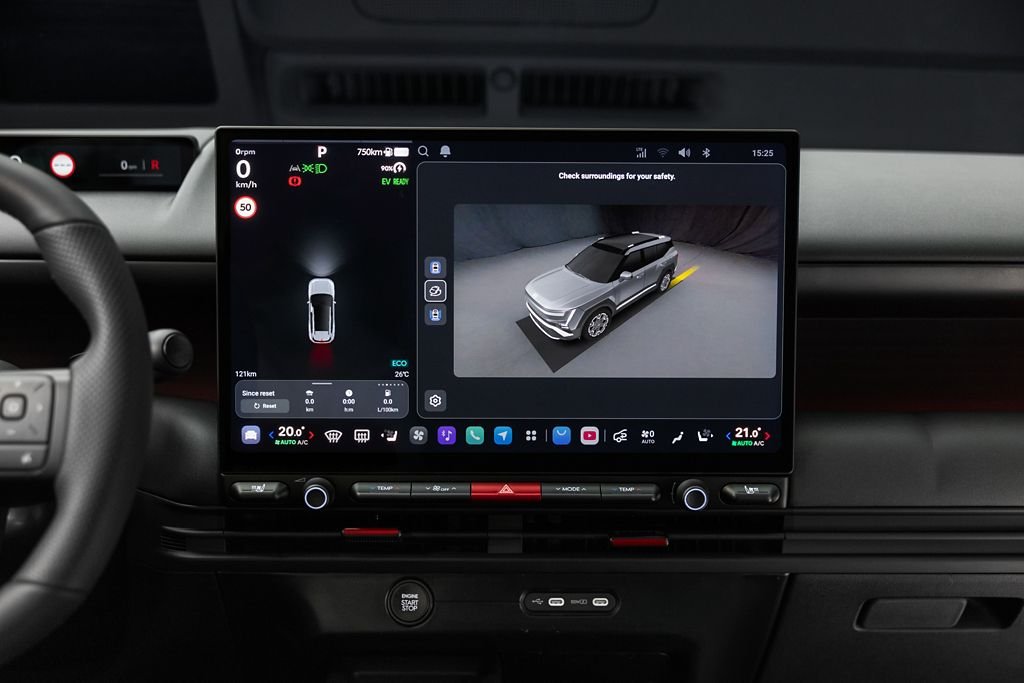
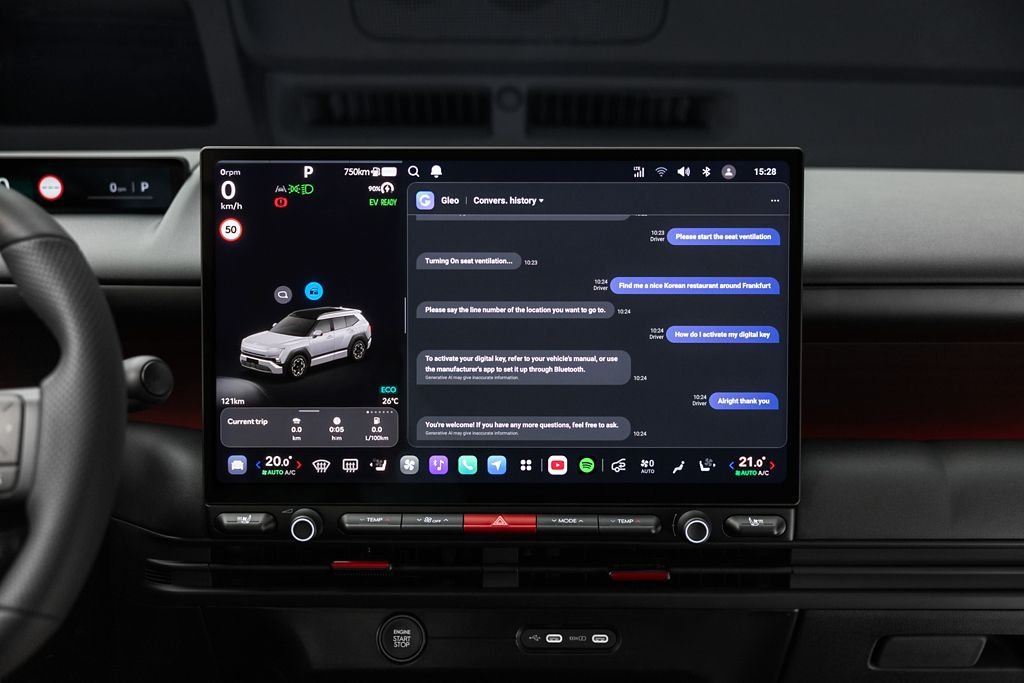
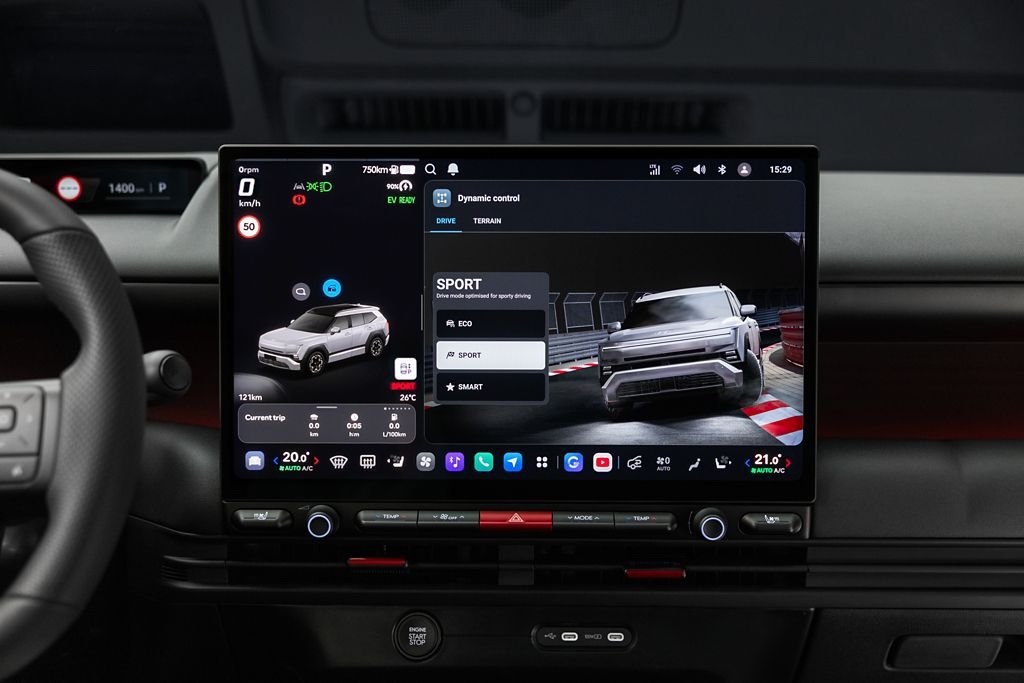
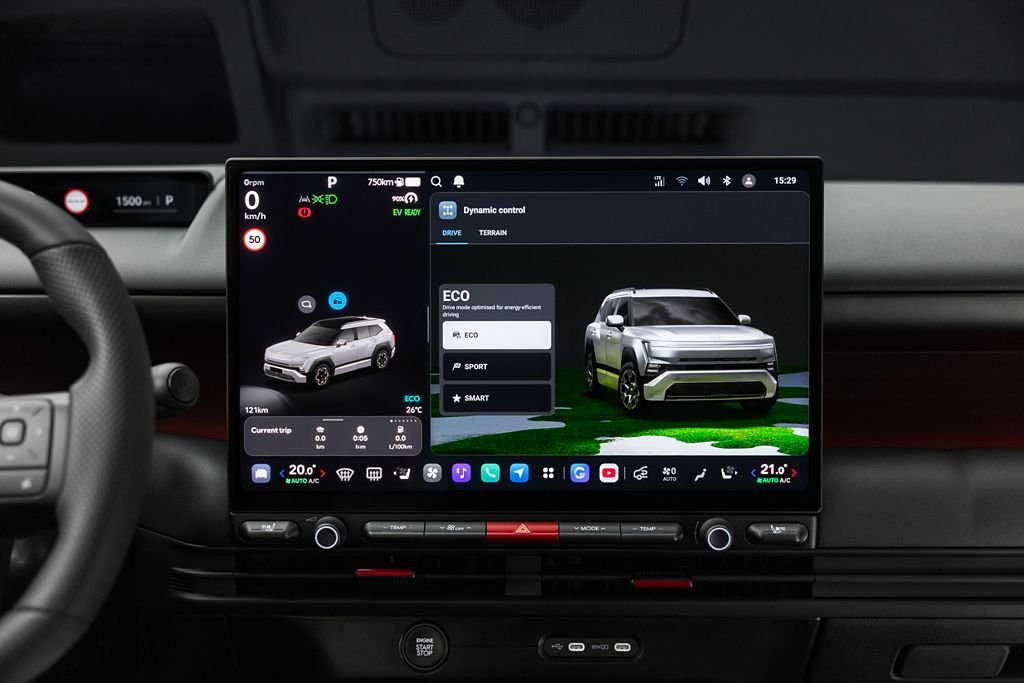
Depending on the specification, buyers can also get a 12-speaker Bang & Olufsen premium audio system and interactive ambient lighting with Smart Mood Lamp functionality.
Safety and Driver Assistance Features
The Tucson N Line carries forward the broader model range’s safety and driver-assistance technologies. Available systems include Forward Collision-Avoidance Assist 2.0, Highway Driving Assist 2.0, Parking Collision-Avoidance Assist and Child Presence Detection.
Hyundai is also offering Micro Pixel Lighting technology on the new Tucson. The system uses 25,600 individual LED pixels to create controlled light patterns, alongside dynamic welcome and farewell animations.
For customers who need towing capability, Hyundai quotes capacities of up to 1,910 kg for the hybrid and 1,810 kg for the plug-in hybrid. Trailer Reversing Assist is also available to help manoeuvre when towing. Equipment and availability may vary by market and specification.
Will the New Hyundai Tucson N Line Launch in India?
Hyundai’s announcement concerns the European-market Tucson N Line showcased at the 2026 Paris Motor Show. The manufacturer has not confirmed an India launch or Indian pricing in the cited announcement. The powertrain specifications and equipment detailed above should therefore not be interpreted as confirmed Indian-market specifications.
The new Tucson N Line is primarily a styling-led variant, combining a more athletic appearance and a distinctive interior with the standard model’s broad powertrain choice and everyday versatility. Its arrival adds another design-focused option to Hyundai’s European SUV range, particularly for buyers who want a sportier look without moving to a dedicated high-performance model.
Would you choose the sportier Tucson N Line over a conventionally styled premium SUV?