
Porsche has unveiled the Mission S, a vision model that previews the next chapter of the German marque’s sports car design philosophy.…
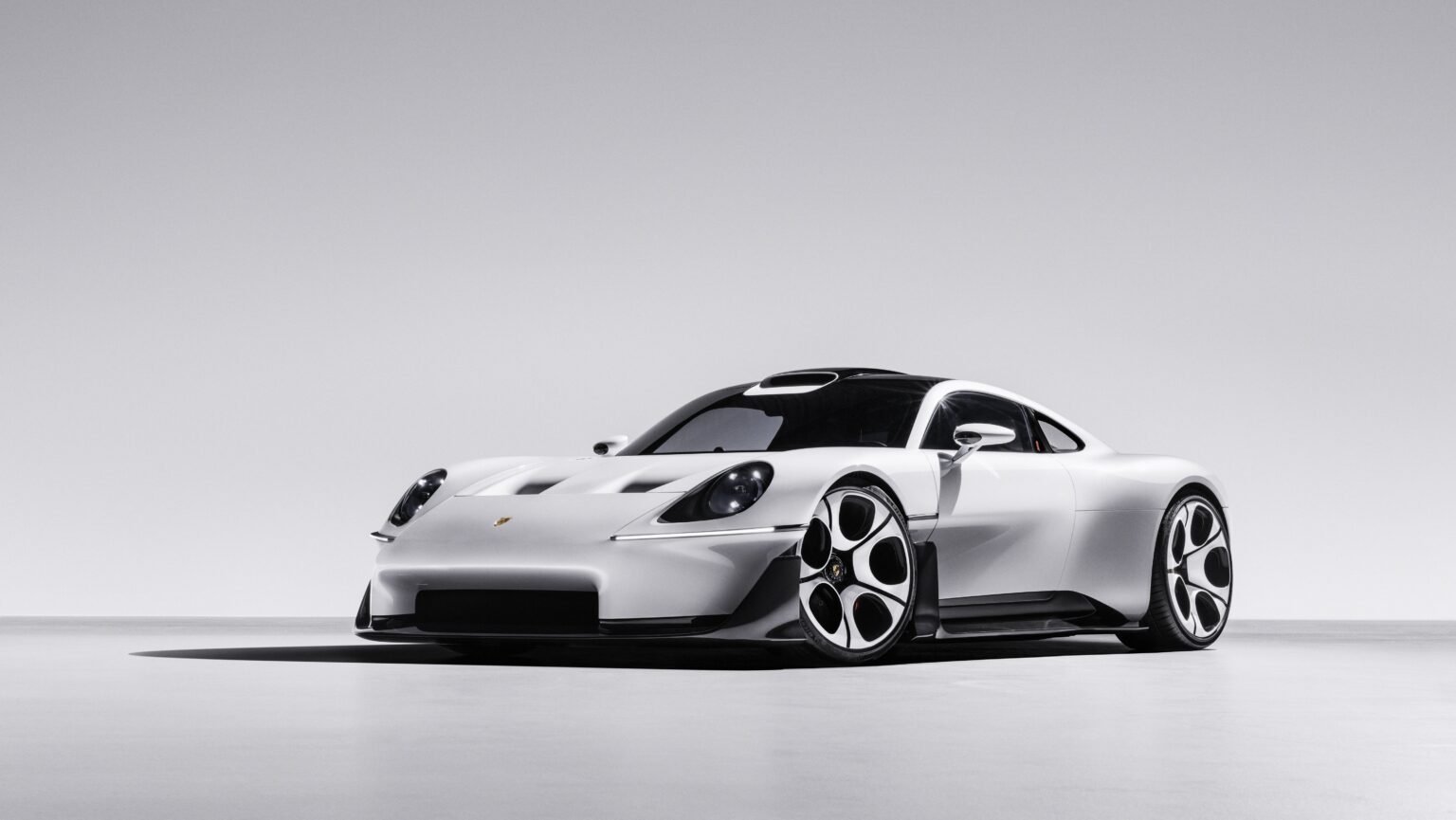
Porsche has unveiled the Mission S, a vision model that previews the next chapter of the German marque’s sports car design philosophy. Revealed in New York on 15 October 2026, the concept showcases an evolved design identity while laying the groundwork for a mid-engined super sports car positioned above the iconic Porsche 911.
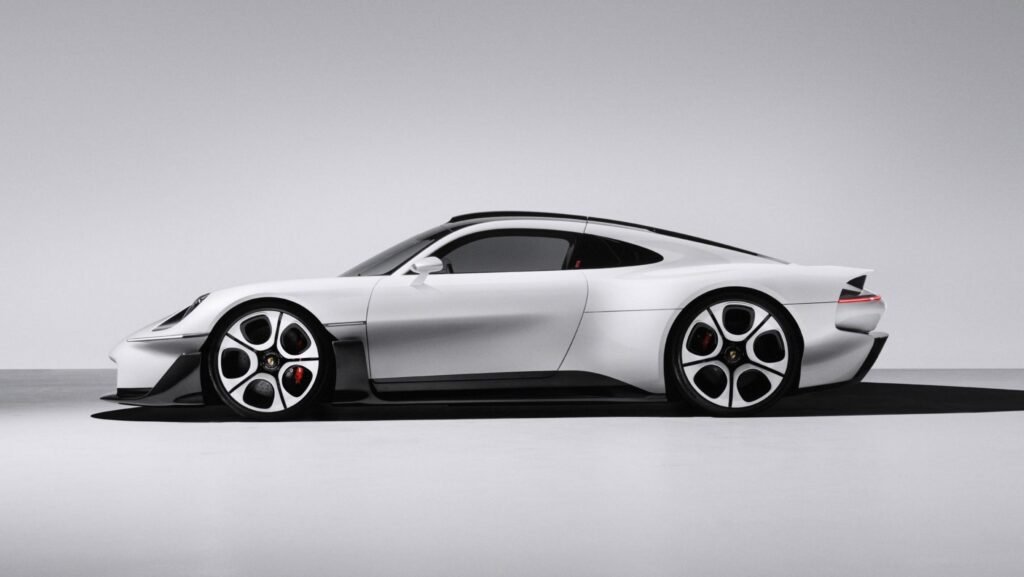
The Mission S forms part of Porsche’s ‘Sportwagenschmiede ’35’ strategic realignment, with the company focusing on authentic proportions, timeless styling and a closer connection between driver and car. Rather than being conceived as a one-off hypercar, the model represents the direction for a potential permanent addition to Porsche’s customer offering.
Porsche Mission S: Design Inspired by Motorsport Heritage
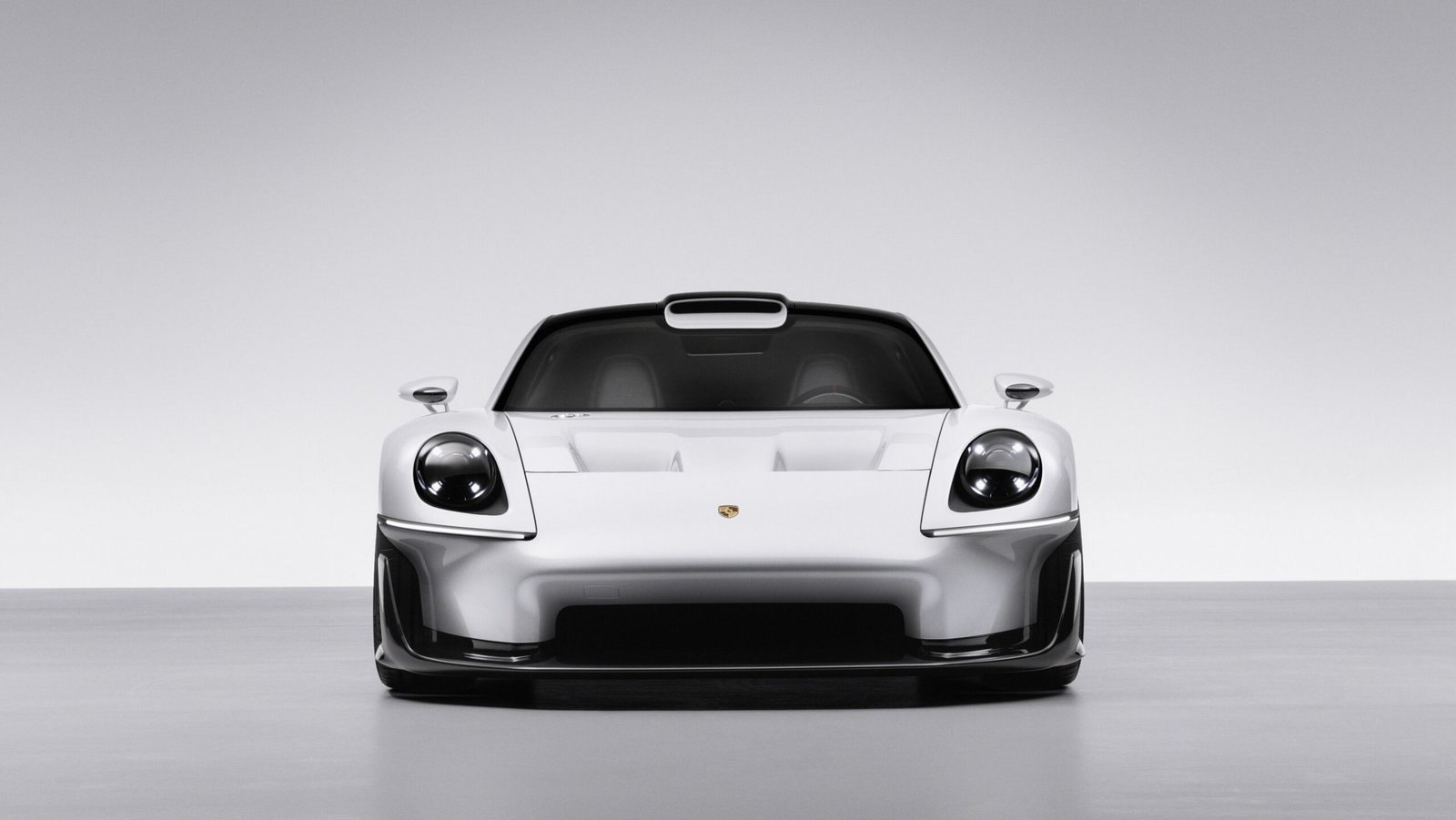
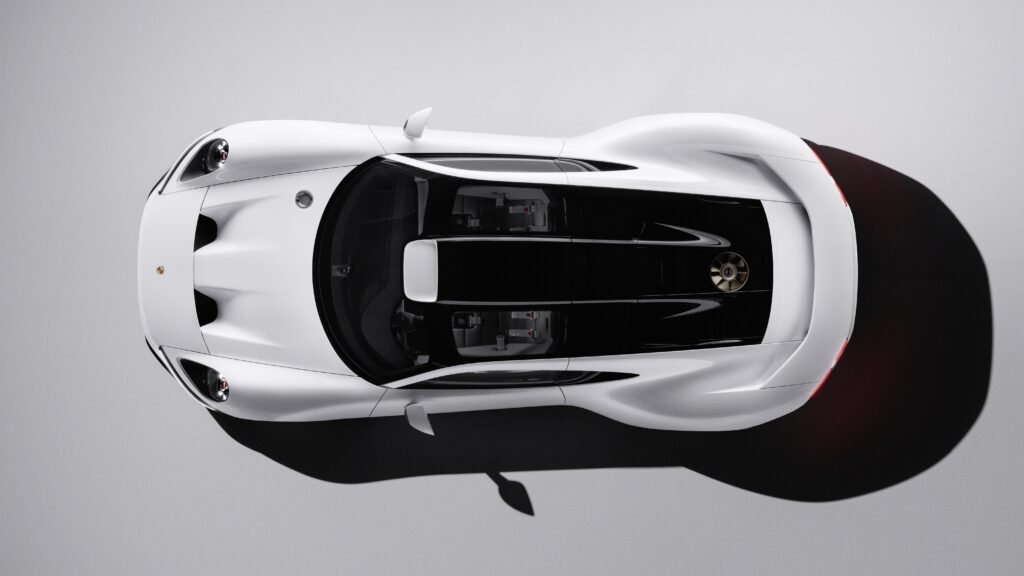
The Mission S blends classic Porsche design cues with contemporary detailing. Its prominent front fenders, rounded headlights and low-slung silhouette draw inspiration from historic models, including the 911, 550 Spyder, 959 and GT1.
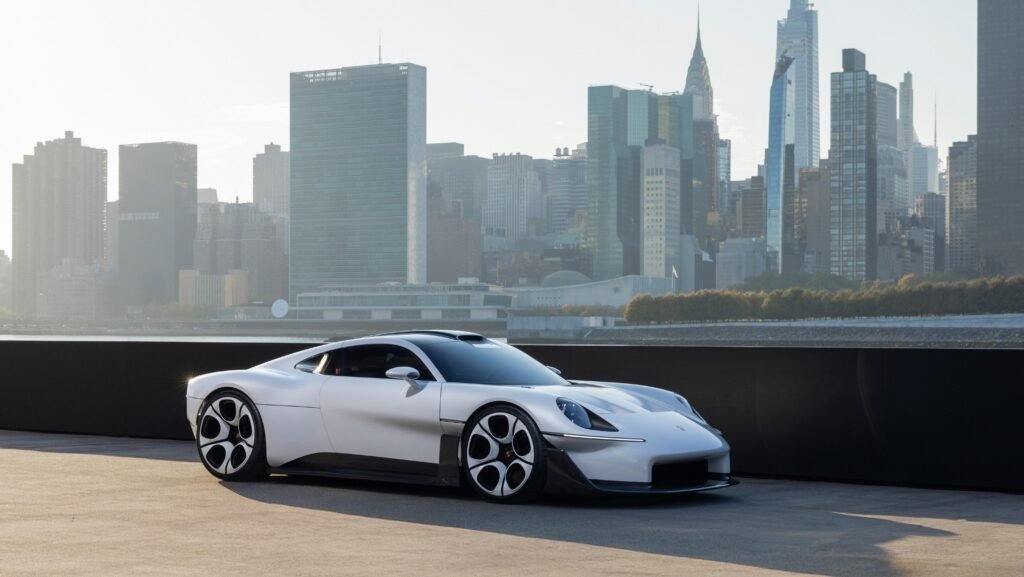
A continuous design line links the front and rear light signatures, while sculpted bodywork and an integrated active rear wing underline its performance-focused character. The mid-engined layout shapes the car’s proportions, and its lightweight-inspired wheels take cues from the distinctive dial design of the Porsche 928.
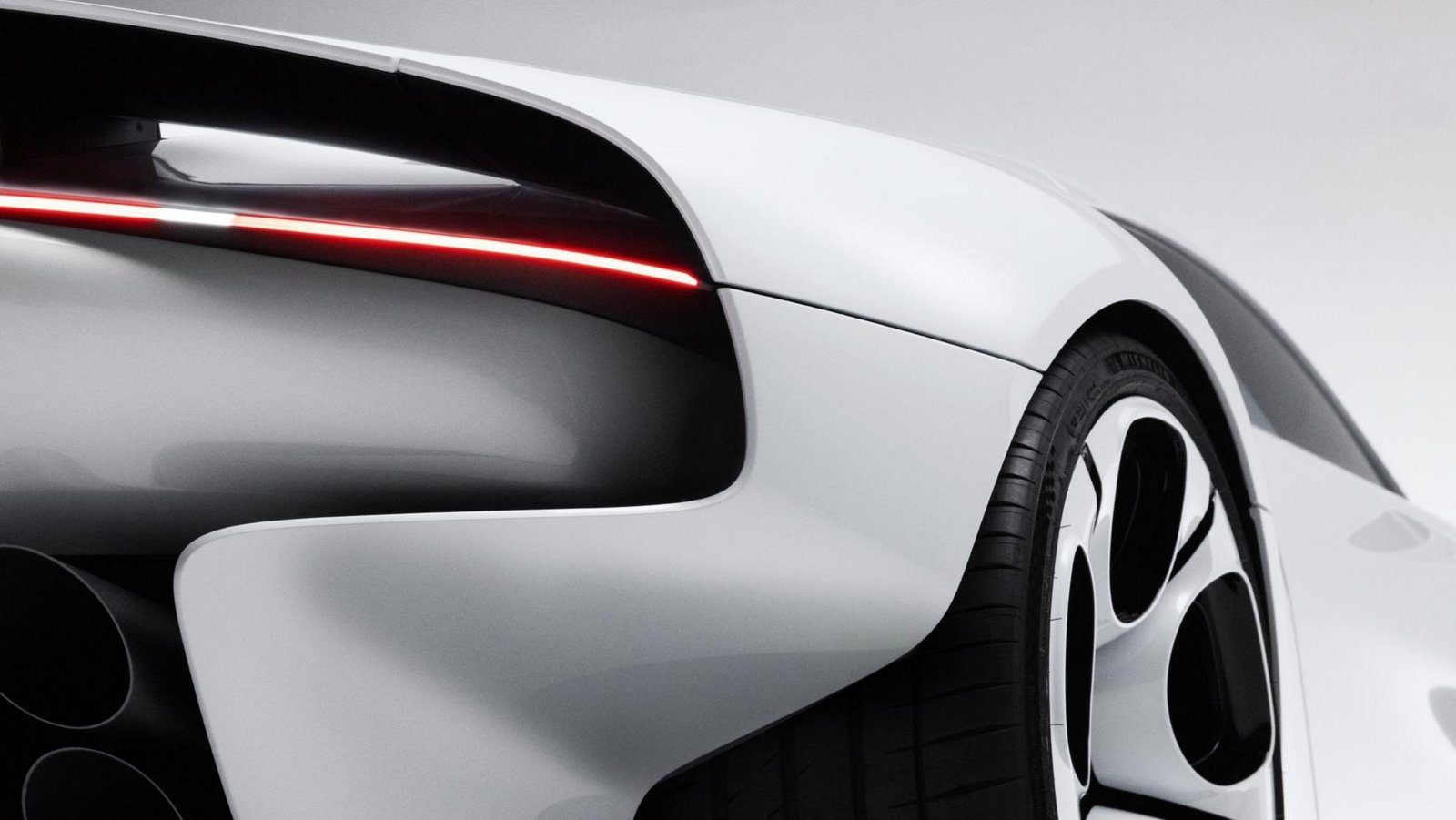
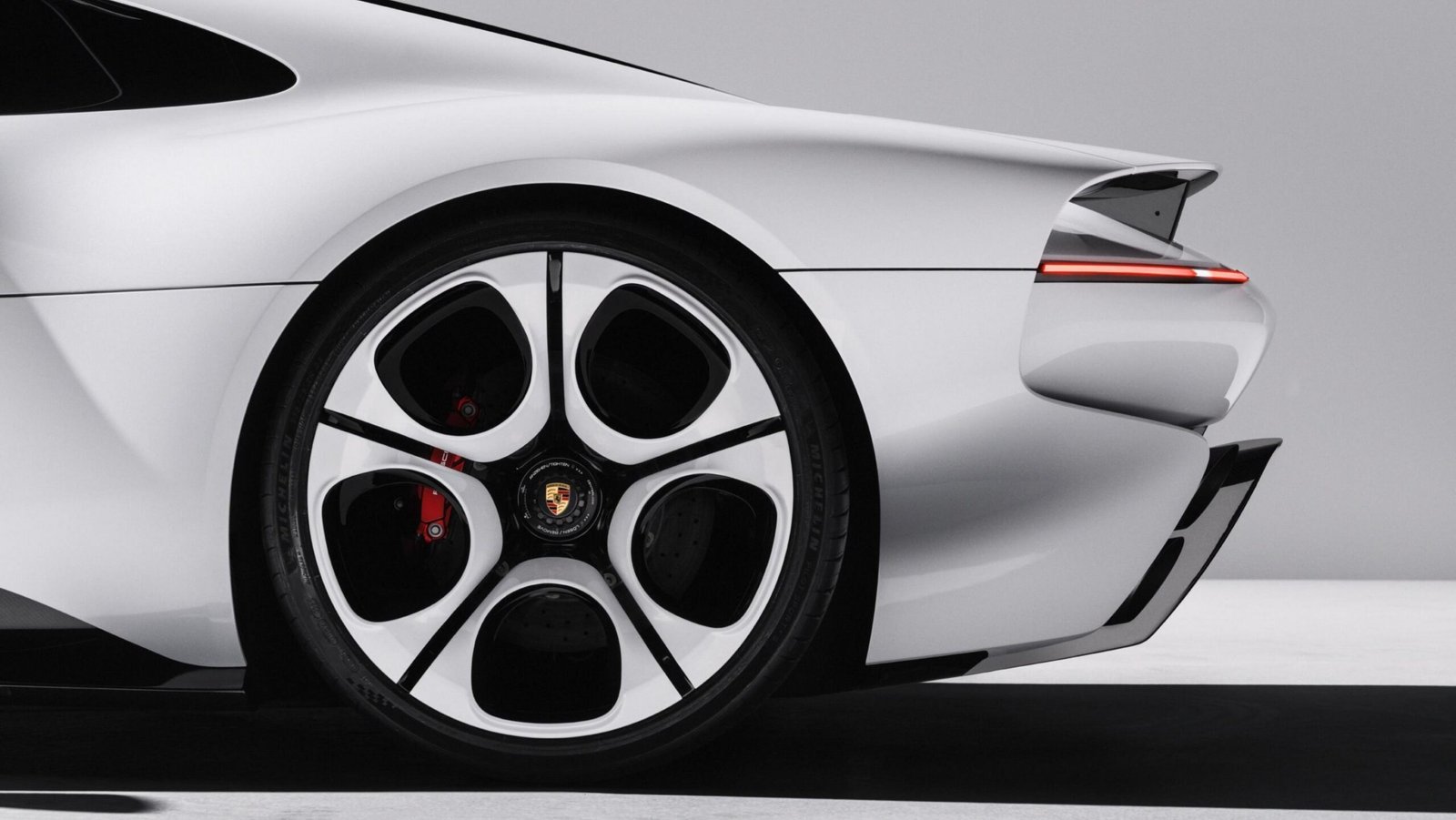
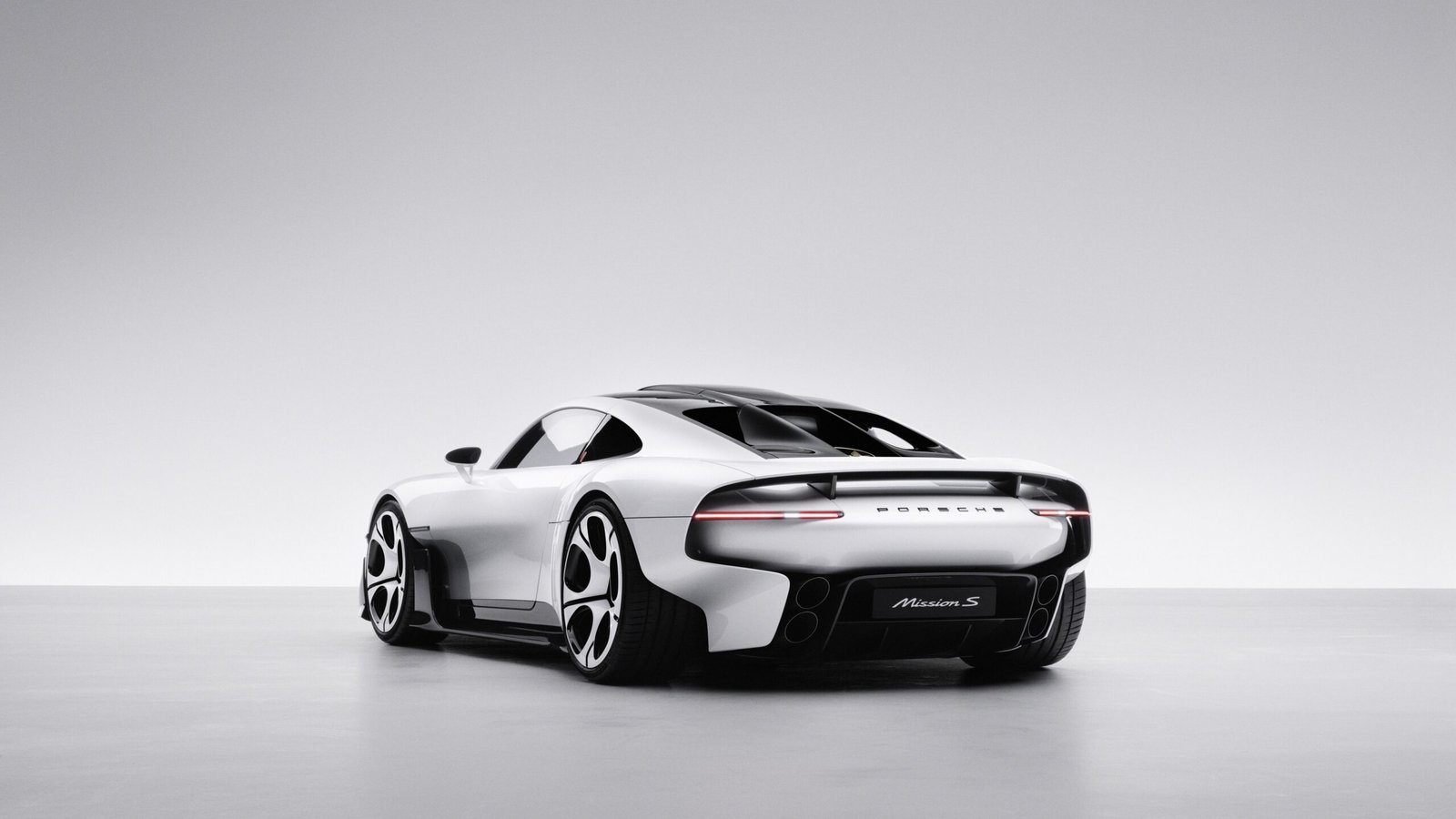
The world premiere took place at a pier in Queens, New York, a location associated with the early international imagery of the Porsche 550 Spyder in 1953. The choice reflects the brand’s intention to connect its heritage with its future design direction.
Driver-Focused Cabin Combines Analogue and Digital Controls
Inside, Porsche has prioritised driver engagement over an abundance of screens. The cabin combines physical switches and buttons with digital displays, creating an interface intended to remain intuitive and focused on driving.
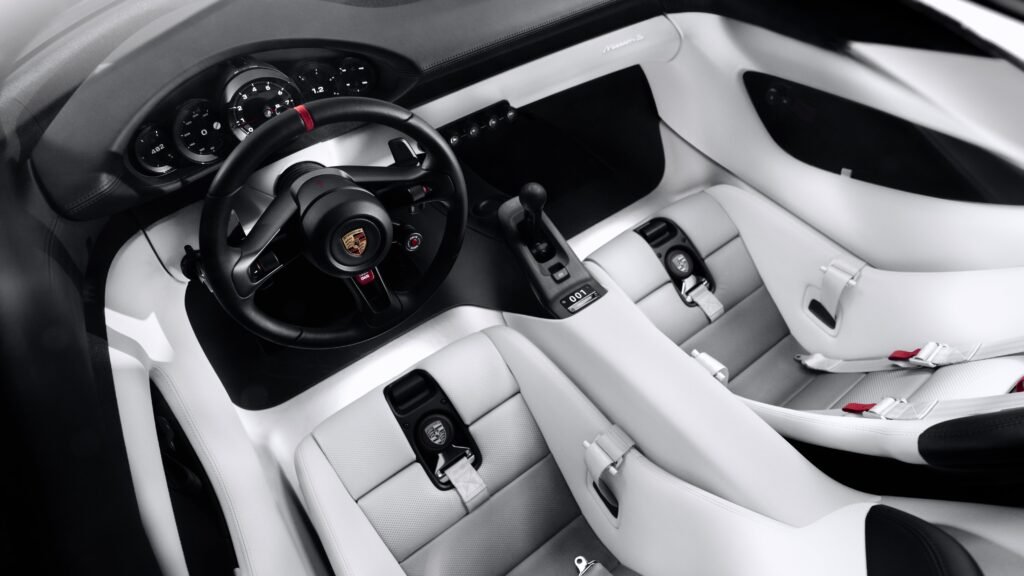
Five circular instruments sit behind the steering wheel, with an analogue-style rev counter at the centre. Their arrangement adapts to the selected driving mode. Porsche has also omitted a permanently integrated central display and fixed passenger screen, instead proposing a retractable MagSafe-compatible smartphone holder for navigation and information.
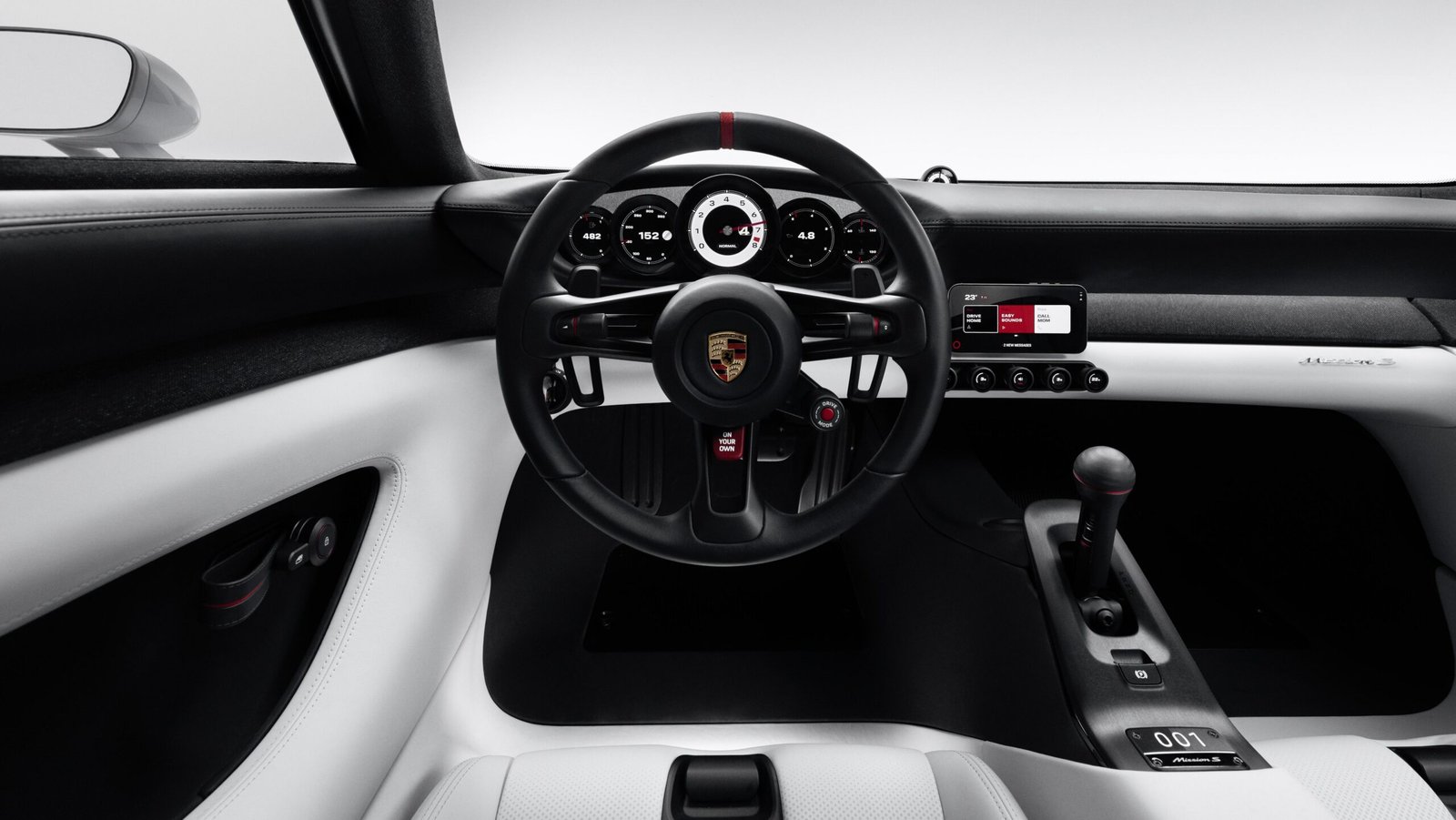
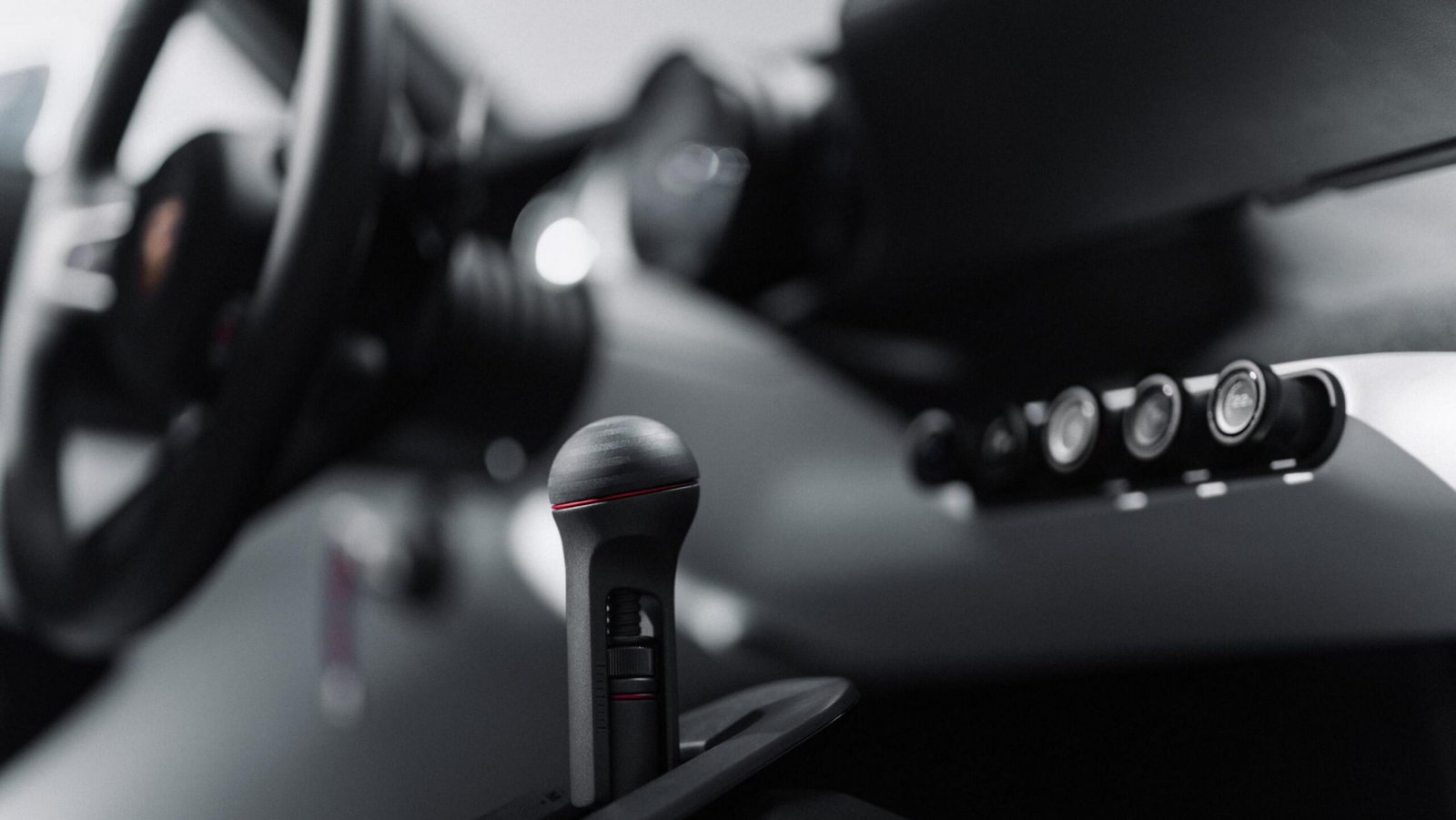
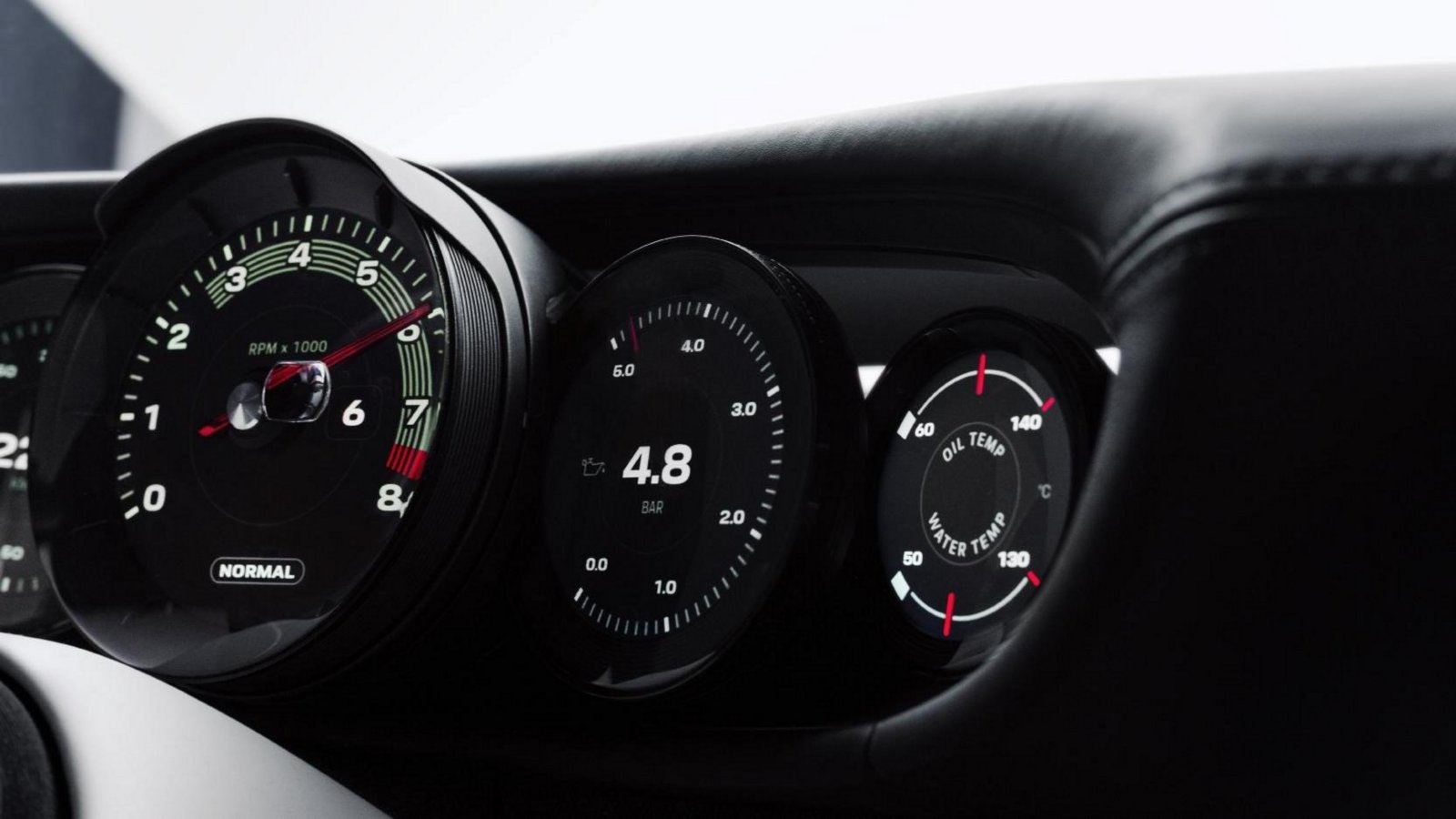
The cabin’s architecture draws inspiration from the 550 Spyder and 356, reinforcing the connection between the concept’s modern technology and the brand’s sports car history.
What the Porsche Mission S Means for the Future
Porsche says the Mission S previews a mid-engined super sports car platform intended to sit above the 911. The company has outlined ambitions for a permanent offering in this segment, although production specifications, performance figures, pricing and a launch timeline have not been announced.
For now, the Mission S offers a clear look at Porsche’s evolving approach: heritage-led design, purposeful technology and a cabin built around the driver.