
The automotive world is gradually moving beyond the traditional petrol-versus-diesel debate. Electric vehicles are becoming increasingly familiar, hybrid technology is gaining traction,…
The automotive world is gradually moving beyond the traditional petrol-versus-diesel debate. Electric vehicles are becoming increasingly familiar, hybrid technology is gaining traction, and plug-in hybrid electric vehicles (PHEVs) are emerging as an interesting middle ground. They promise the advantages of electric motoring for everyday commutes while retaining the convenience of a conventional combustion engine for longer journeys. But how convincing is that proposition when put through a proper highway test?
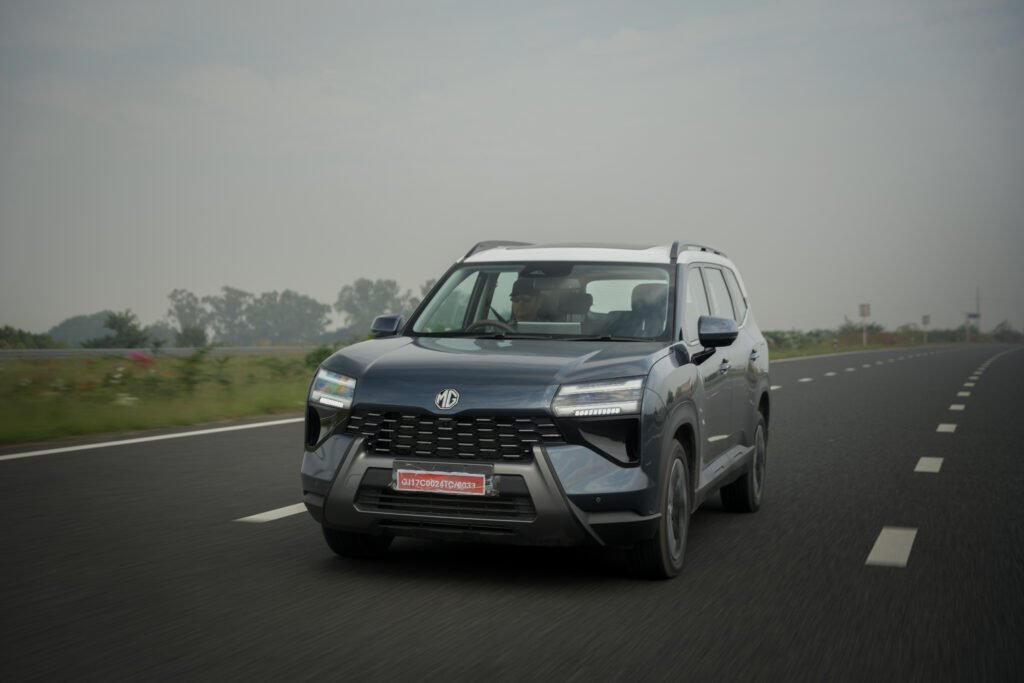
MG Motor India had an interesting proposition for us. Instead of the usual press invitation or a conventional media drive, the manufacturer sent us a challenge. The objective was to drive the MG Hector Tomahawk PHEV from Gurgaon to Jaipur and subsequently Ahmedabad, testing its claimed combined driving range of over 1,100km on a full tank of fuel and a fully charged battery.
Naturally, we weren’t going to turn down an opportunity like that.
We collected the Hector Tomahawk PHEV in Delhi, packed our bags and set off on what would become an interesting long-distance road trip. There was one additional twist: the vehicle was shared between five journalists, each bringing a different driving style, speed preference and approach to the journey. To maintain the integrity of the exercise, both the fuel filler and charging ports were sealed before departure.
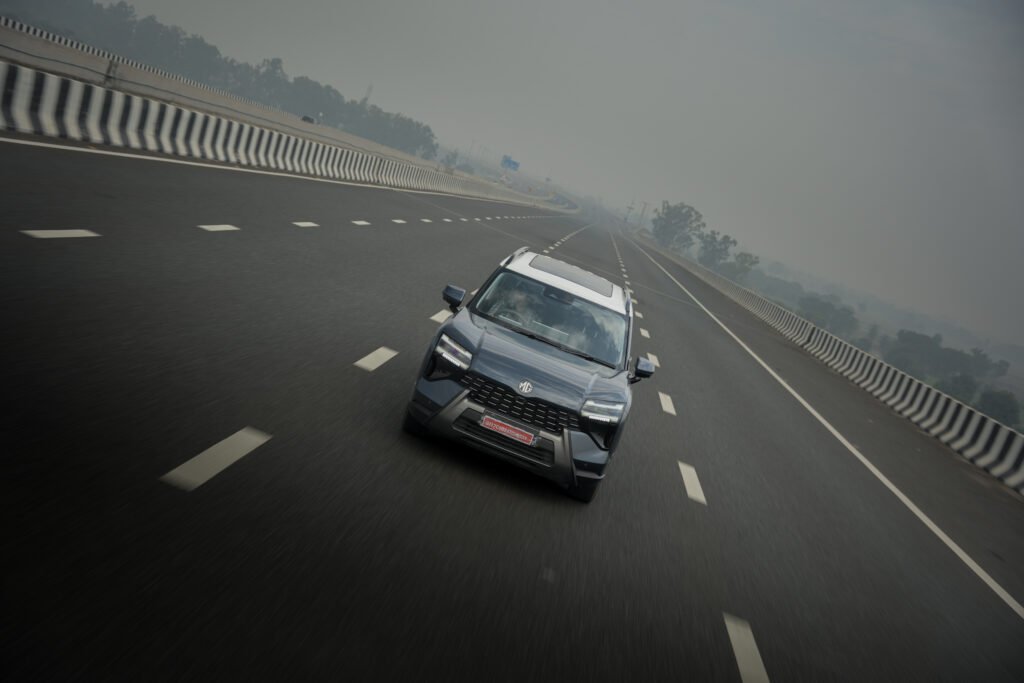
There would be no refuelling and no charging. Just a full tank, a fully charged battery and a long stretch of Indian highways.
Here’s what we discovered during our MG Hector Tomahawk PHEV road test.
The 1,100km Challenge: Putting the Range to the Test
Range is perhaps the biggest talking point surrounding the MG Hector Tomahawk PHEV. MG claims a combined driving range exceeding 1,100km, a figure that immediately raises an interesting question. Can a large SUV with a plug-in hybrid powertrain deliver that kind of touring ability in real-world conditions?
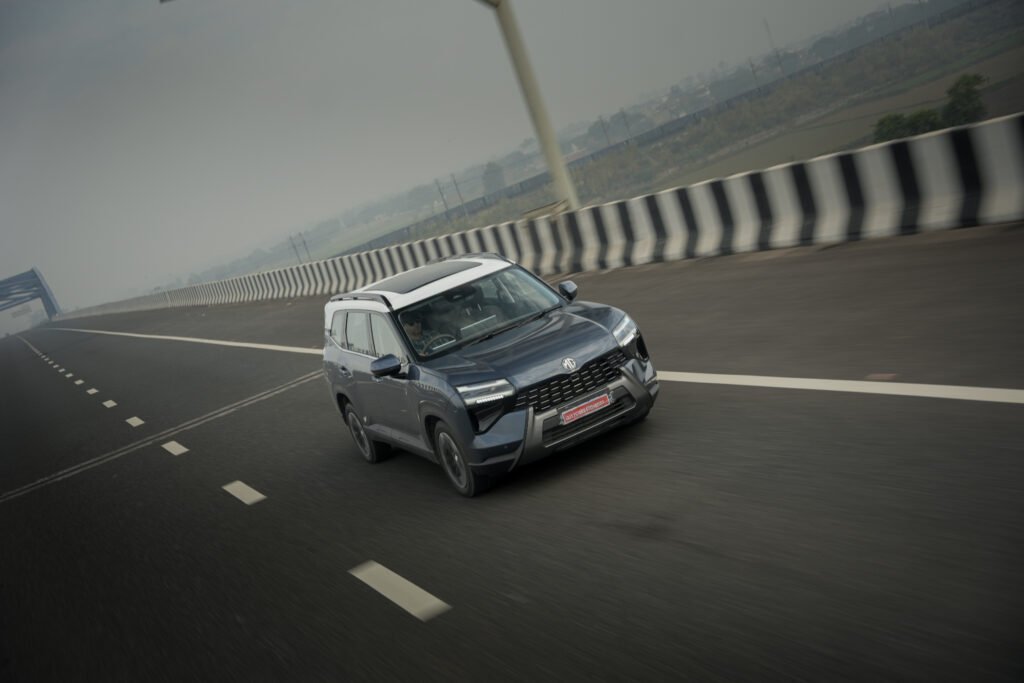
We began our journey from Gurgaon with a full tank of petrol and a completely charged battery. The first destination was Jaipur, after which we would continue towards Ahmedabad.
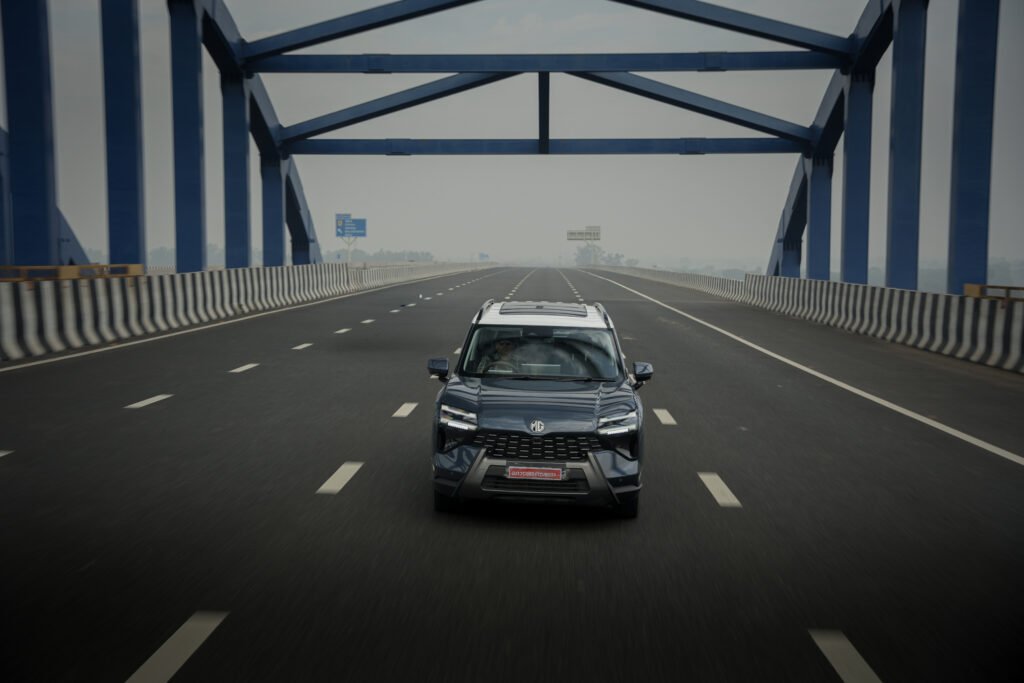
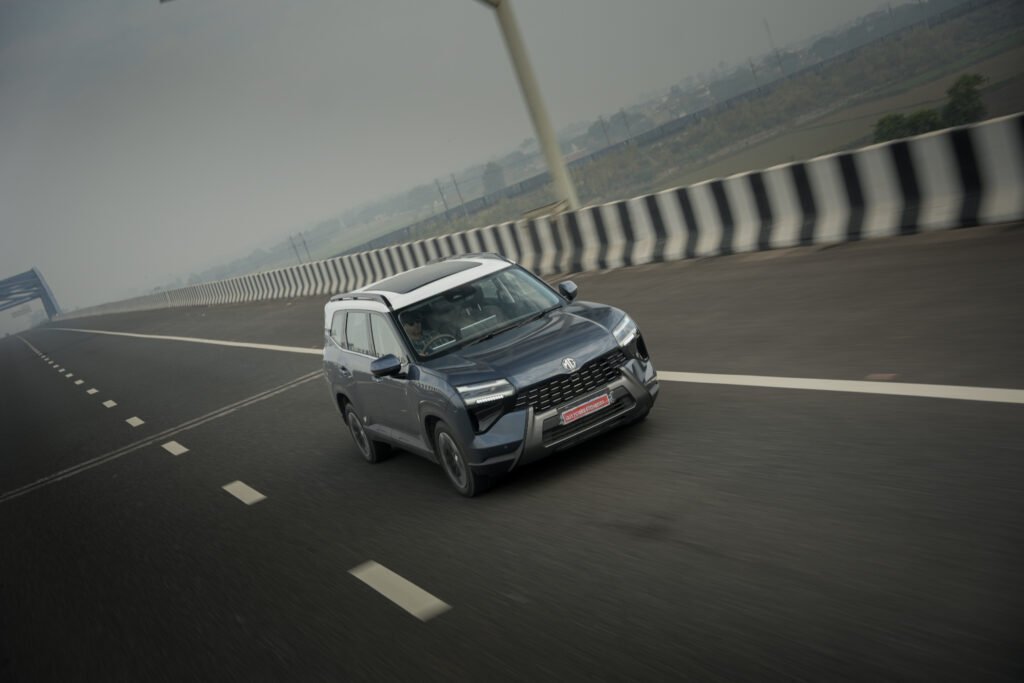
Throughout the drive, we monitored the instrument cluster, keeping a close eye on the remaining fuel, battery percentage, distance covered and estimated driving range. Since the vehicle was shared between five journalists, the driving conditions were far from uniform. Speeds varied between approximately 60kmph and 115kmph, depending on traffic, road conditions and individual driving preferences.
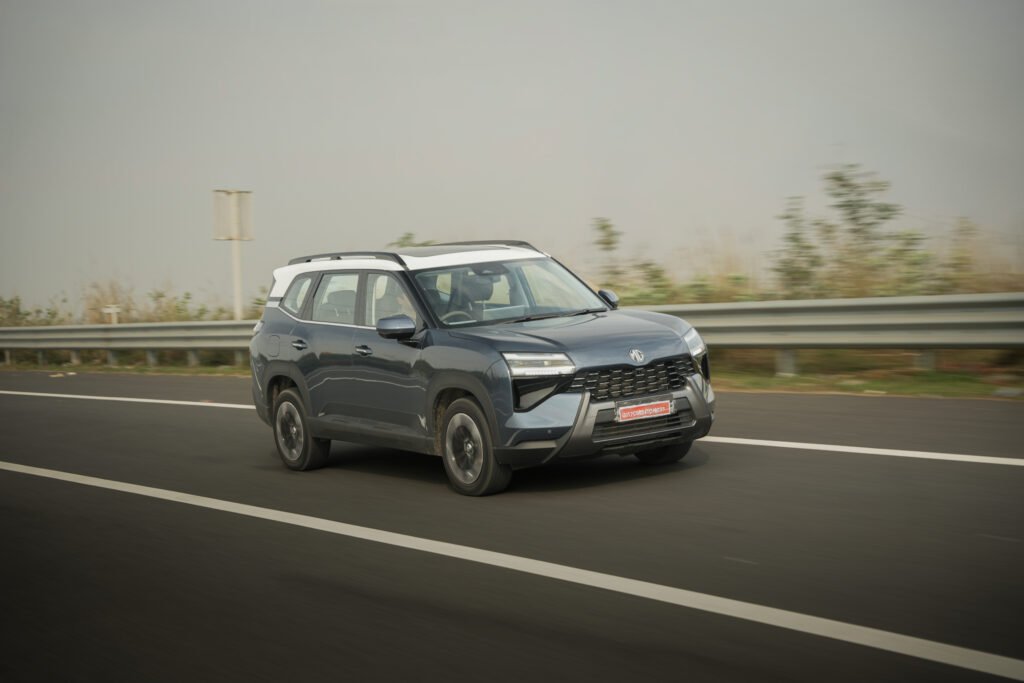
We also encountered a few diversions and an occasional navigational miscalculation. In other words, this wasn’t a controlled laboratory exercise conducted at a constant speed. It was a proper road trip with the usual variables associated with Indian highways.
We eventually reached Jaipur that evening. However, our journey wasn’t quite over. With an early flight to catch from Ahmedabad the following day, the second leg began at approximately 4 AM.
The early morning departure offered a different driving environment. Traffic was relatively light, temperatures were cooler and the highways gradually came alive as the sun rose. It also gave us more time behind the wheel to understand how the hybrid powertrain managed its energy reserves.
As the kilometres accumulated, the numbers on the instrument cluster became increasingly interesting.
By the time we reached our destination, the MG Hector Tomahawk PHEV had covered approximately 966km. More importantly, the vehicle still indicated another 132km of combined driving range.
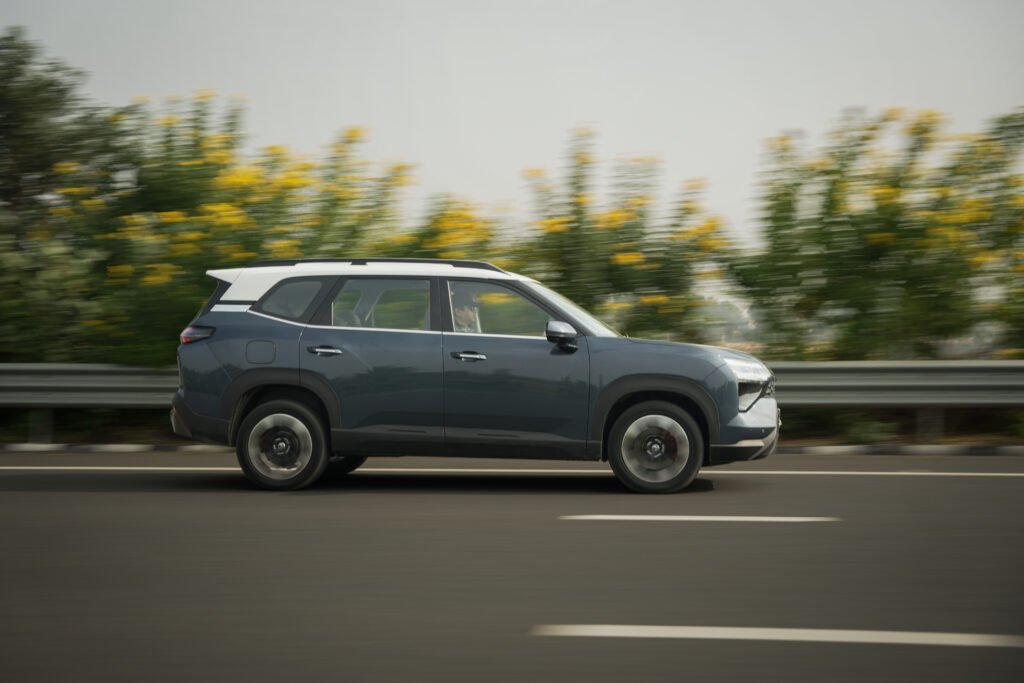
That brought the total indicated range to approximately 1,098km.
We hadn’t physically driven the entire 1,100km, and it is important to distinguish between an indicated remaining range and an independently verified distance. Nevertheless, considering the varying driving styles, highway speeds and detours, the result was certainly encouraging.
With both the fuel filler and charging ports sealed throughout the exercise, the MG Hector Tomahawk PHEV came remarkably close to its headline range figure. The numbers suggest that MG’s 1,100km-plus claim is well within reach under favourable driving conditions.
For anyone considering a plug-in hybrid SUV primarily for long-distance touring, that’s an impressive starting point.
The MG Hector Tomahawk PHEV Powertrain
While the range challenge grabbed our attention, the technology responsible for delivering those numbers deserves equal consideration.
The MG Hector Tomahawk PHEV combines a 1.5-litre petrol engine with a 20.5kWh battery pack and a dedicated hybrid transmission. The electric motor produces 148kW, forming an important part of the vehicle’s hybrid propulsion system.
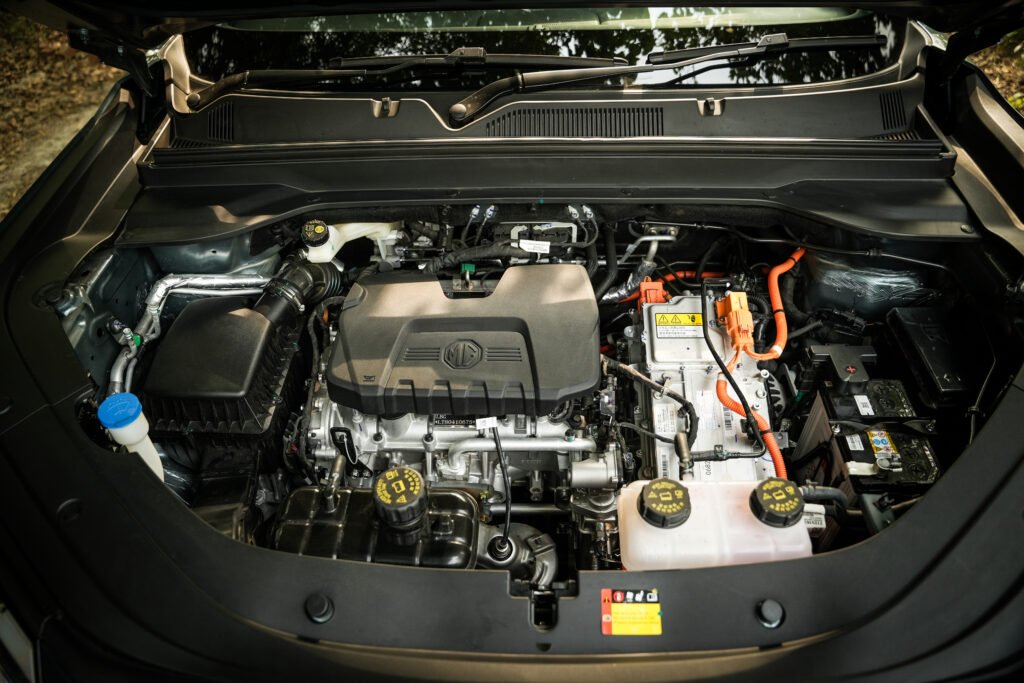
Unlike a conventional petrol or diesel SUV, where the engine is responsible for delivering power to the wheels, a plug-in hybrid uses a combination of electric and combustion power. The system intelligently manages the two sources depending on driving conditions, available battery charge and power requirements.
The Hector Tomahawk PHEV features four operating modes: Pure EV, Series Hybrid, Parallel Hybrid and Engine Direct.
In Pure EV mode, the vehicle relies on electric power for propulsion. This is particularly useful during everyday commutes, low-speed driving and shorter urban journeys, provided sufficient battery charge is available.
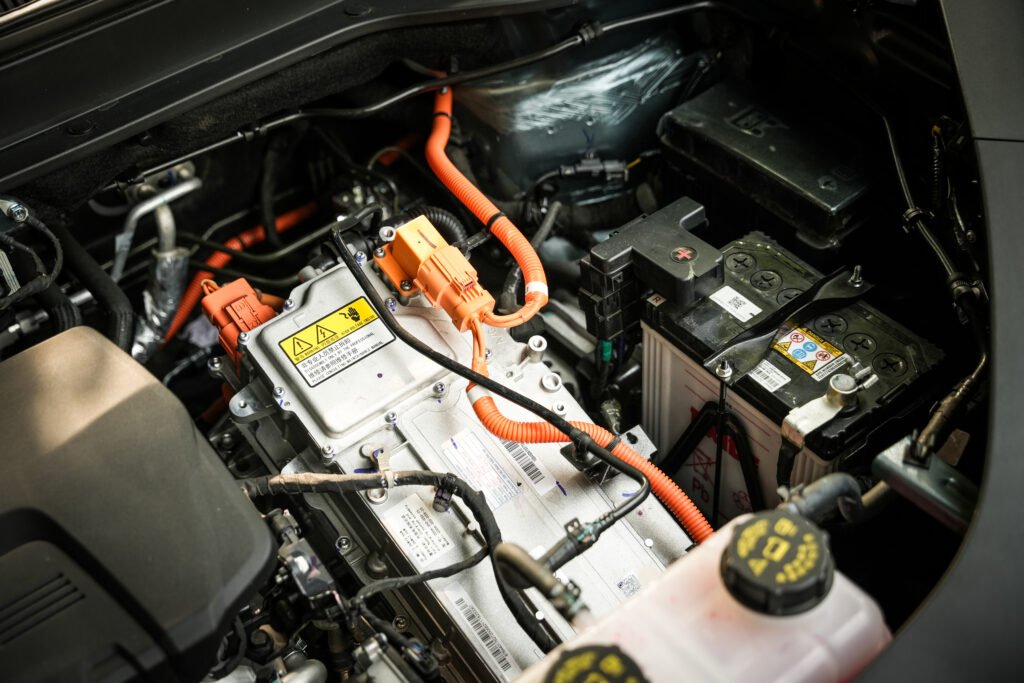
Series Hybrid mode uses the petrol engine to generate electricity, which can then be used to power the electric motor. This arrangement allows the engine to operate as part of the vehicle’s energy management system rather than relying exclusively on a conventional mechanical drive arrangement.
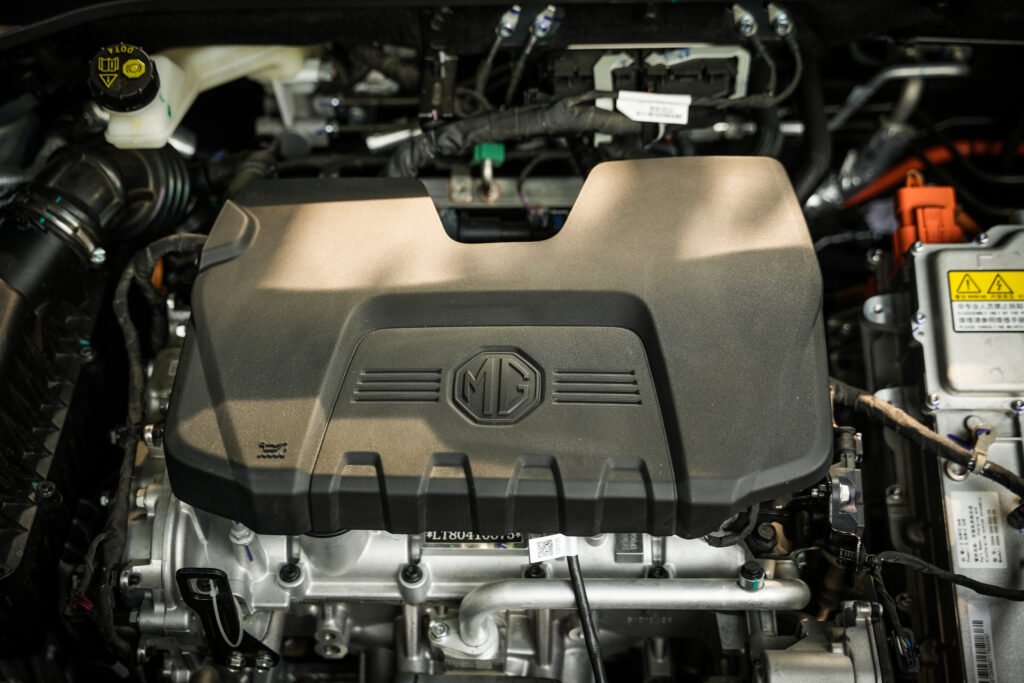
Parallel Hybrid mode combines the petrol engine and electric motor to deliver power to the wheels. This can be particularly useful when additional performance is required, such as during acceleration or highway overtaking.
Engine Direct mode allows the petrol engine to drive the wheels directly under suitable operating conditions. This offers another layer of flexibility to the hybrid system, particularly during sustained highway cruising.
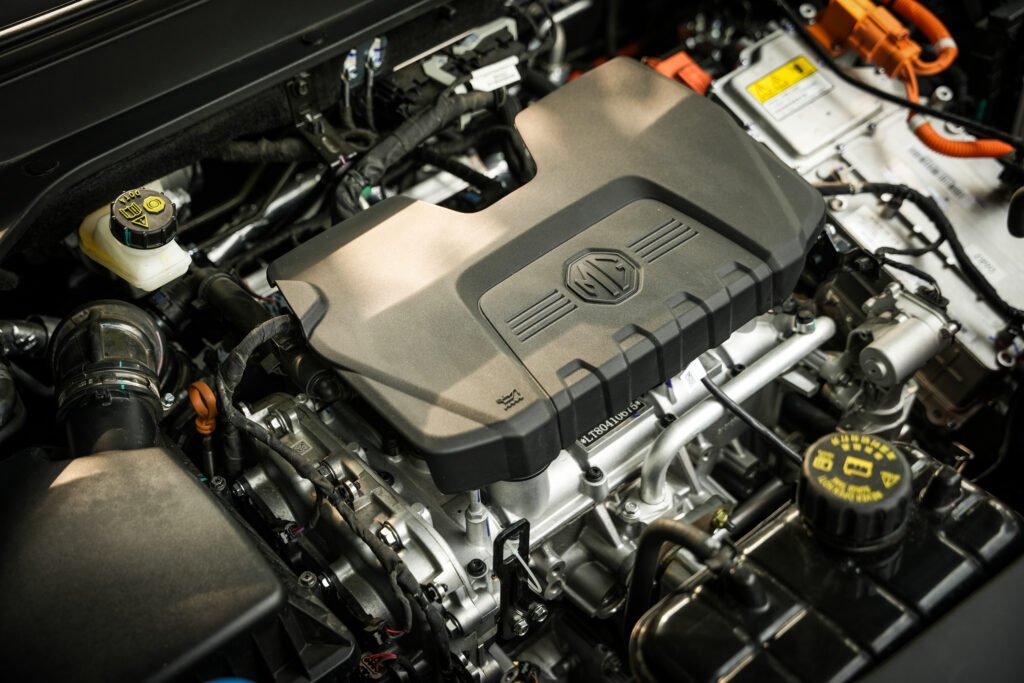
The advantage of having multiple operating modes is that the system can choose how best to utilise the available energy. Instead of depending entirely on one power source, the Hector Tomahawk PHEV can adapt its operation to suit changing driving conditions.
For the driver, the objective is relatively straightforward: enjoy electric driving when possible, retain the flexibility of petrol power when required and avoid the range anxiety commonly associated with pure electric vehicles.
How Does the Plug-in Hybrid SUV Drive?
A long-distance road test isn’t just about how far a vehicle can travel. It is equally important to understand how comfortably and confidently it covers those kilometres.
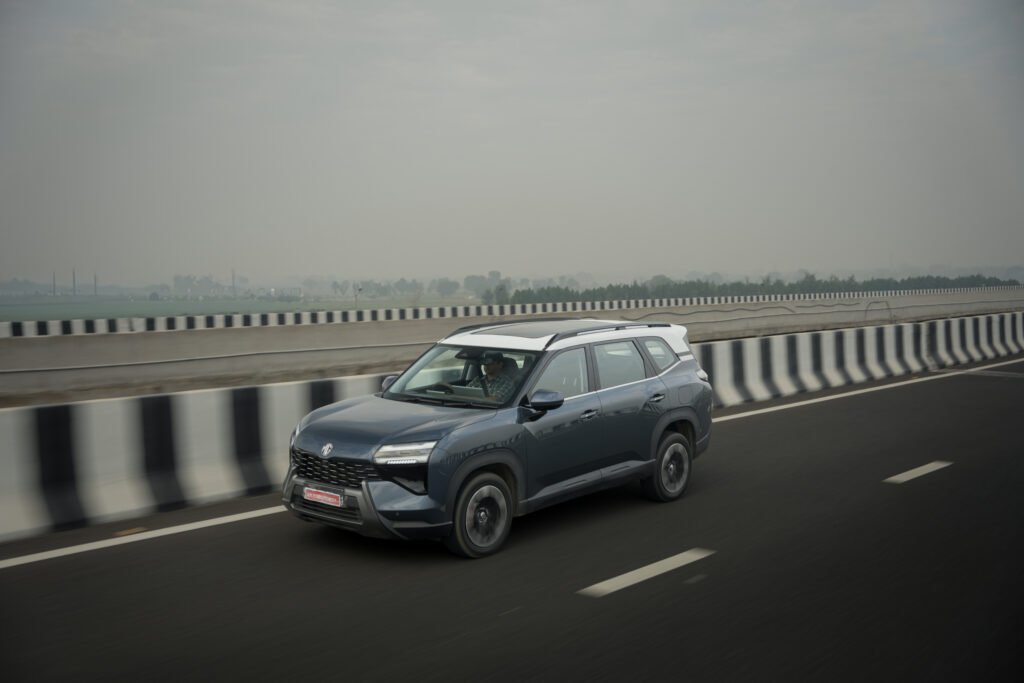
The MG Hector Tomahawk PHEV has an interesting powertrain configuration, and the combination of its petrol engine and electric motor gives it a different character from a conventional internal combustion SUV.
The electric motor’s immediate power delivery helps the vehicle respond promptly to throttle inputs. This becomes particularly noticeable when accelerating from lower speeds or looking for a quick burst of acceleration during overtaking manoeuvres.
On open highways, the Hector Tomahawk PHEV feels adequately responsive for a vehicle of its size. It builds speed without demanding excessive effort from the driver, and the hybrid system works in the background to manage the transition between electric and petrol power.
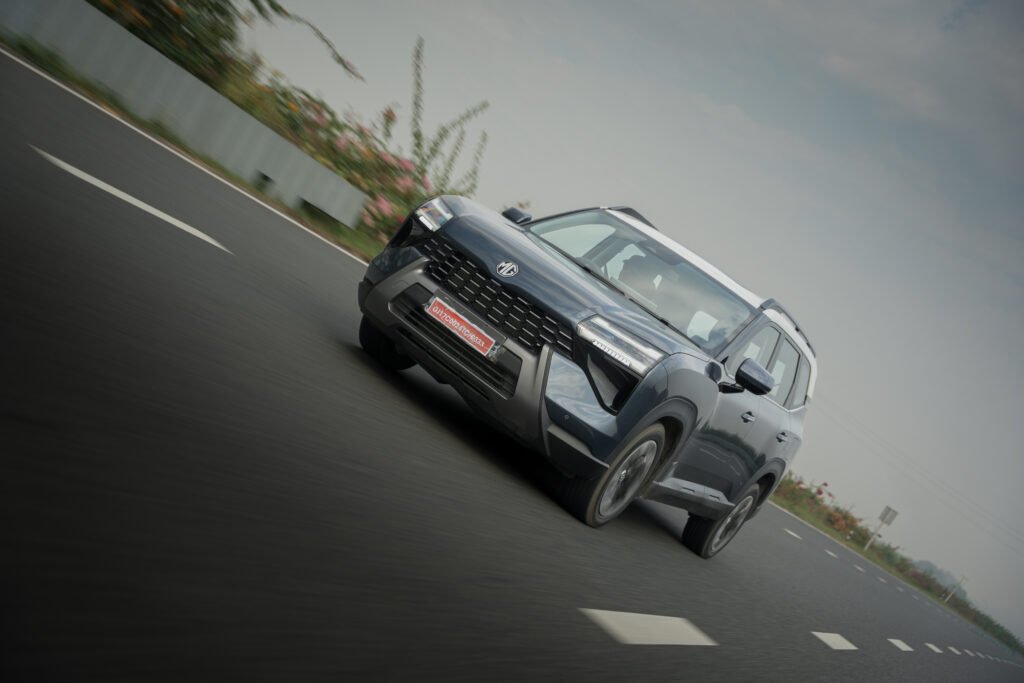
What makes the experience interesting is how the different operating modes work together. Depending on the driving situation, the system can rely on electric propulsion, use the petrol engine to generate electricity or combine both sources of power.
For someone moving from a conventional petrol or diesel SUV, this is a slightly different driving experience. However, the overall objective remains familiar: predictable acceleration, sufficient performance for highway overtakes and a powertrain that doesn’t feel overwhelmed when the vehicle is carrying passengers and luggage.
During our extended drive, the Hector Tomahawk PHEV demonstrated that it is capable of maintaining a comfortable highway pace while offering enough responsiveness for everyday driving requirements.
Of course, the real appeal here isn’t outright performance or enthusiastic corner carving. It is the ability to combine electric mobility with the flexibility of a petrol-powered vehicle.
And after several hours behind the wheel, that combination begins to make considerable sense.
Ride and Handling: A Comfortable Companion
Large SUVs come with their own set of compromises. Their dimensions, weight and relatively high centre of gravity can influence how they behave on winding roads, uneven surfaces and quick direction changes.
The MG Hector Tomahawk PHEV is no exception, but it manages to deliver a reassuring driving experience for its intended purpose.
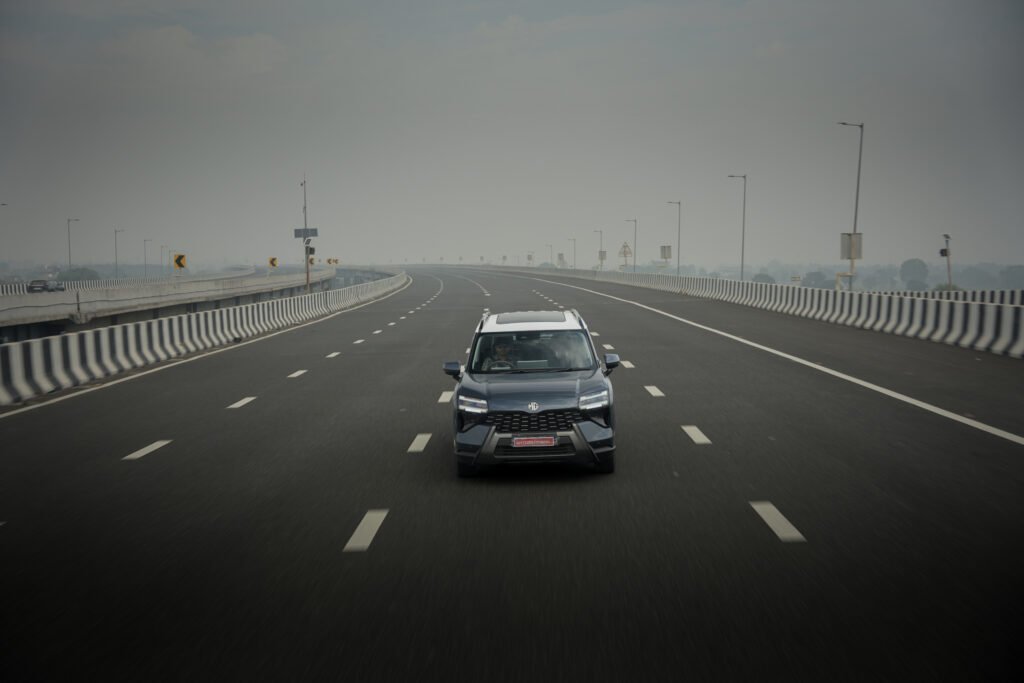
The suspension setup does a commendable job of keeping the cabin comfortable over long highway stretches. Expansion joints, undulations and the occasional imperfections in the road are dealt with reasonably well, allowing occupants to settle into a relaxed cruising experience.
This becomes particularly important during journeys such as ours, where the vehicle spends several hours covering hundreds of kilometres in a single stretch.
At cruising speeds, the SUV feels composed, and the suspension strikes a sensible balance between comfort and stability. It doesn’t constantly remind occupants of every imperfection in the road, which is precisely what you want from a long-distance touring vehicle.
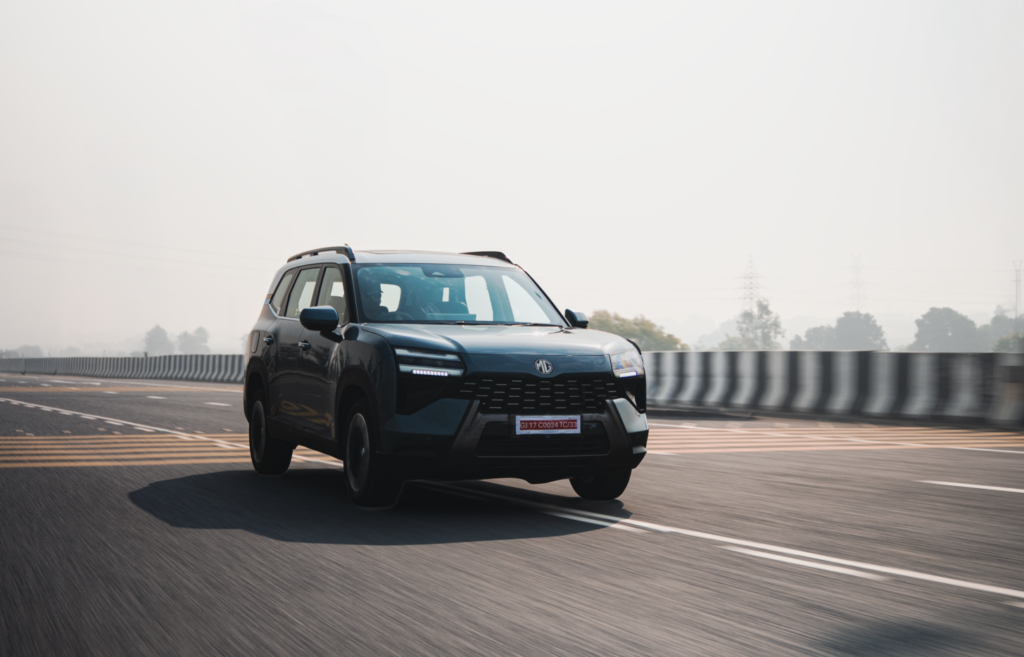
The steering is predictable and easy to familiarise yourself with. Given its dimensions, the Hector Tomahawk PHEV naturally feels like a sizeable SUV from behind the wheel. You are always conscious of its footprint, particularly when navigating narrower roads or changing lanes in tighter traffic.
However, it remains reassuring through sweeping bends and regular lane changes.
This isn’t an SUV designed to encourage aggressive cornering or spirited driving through winding mountain roads. Instead, its strengths lie in maintaining a comfortable and predictable highway rhythm.
For buyers prioritising long-distance comfort over outright driving excitement, the ride and handling package should prove appealing.
Design: An SUV That Attracts Attention
An SUV in this segment needs to get several things right, and road presence is certainly one of them.
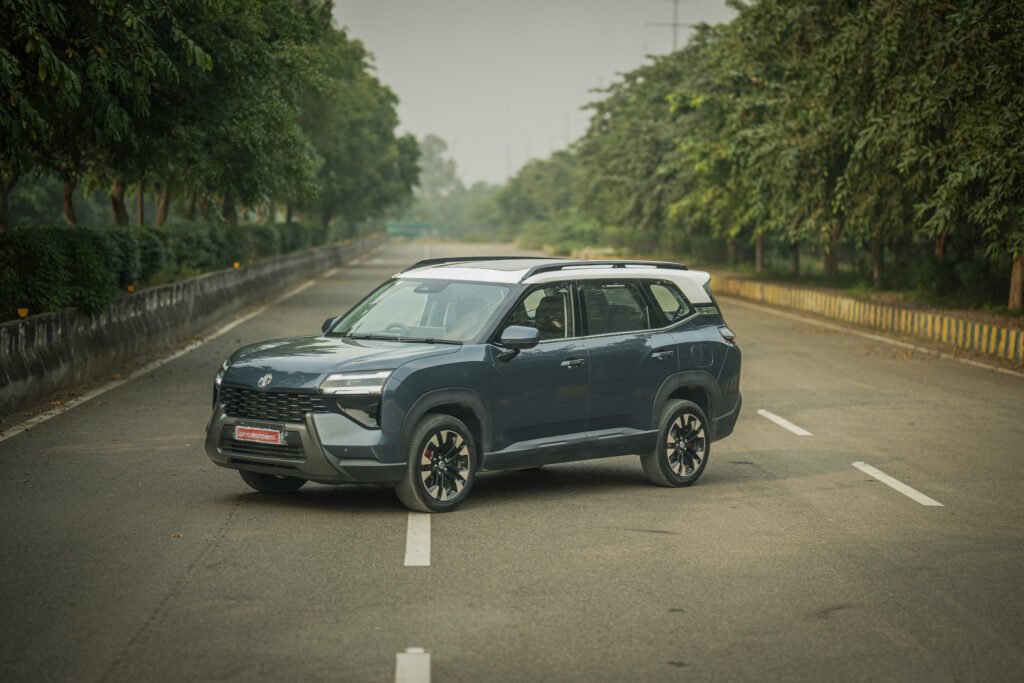
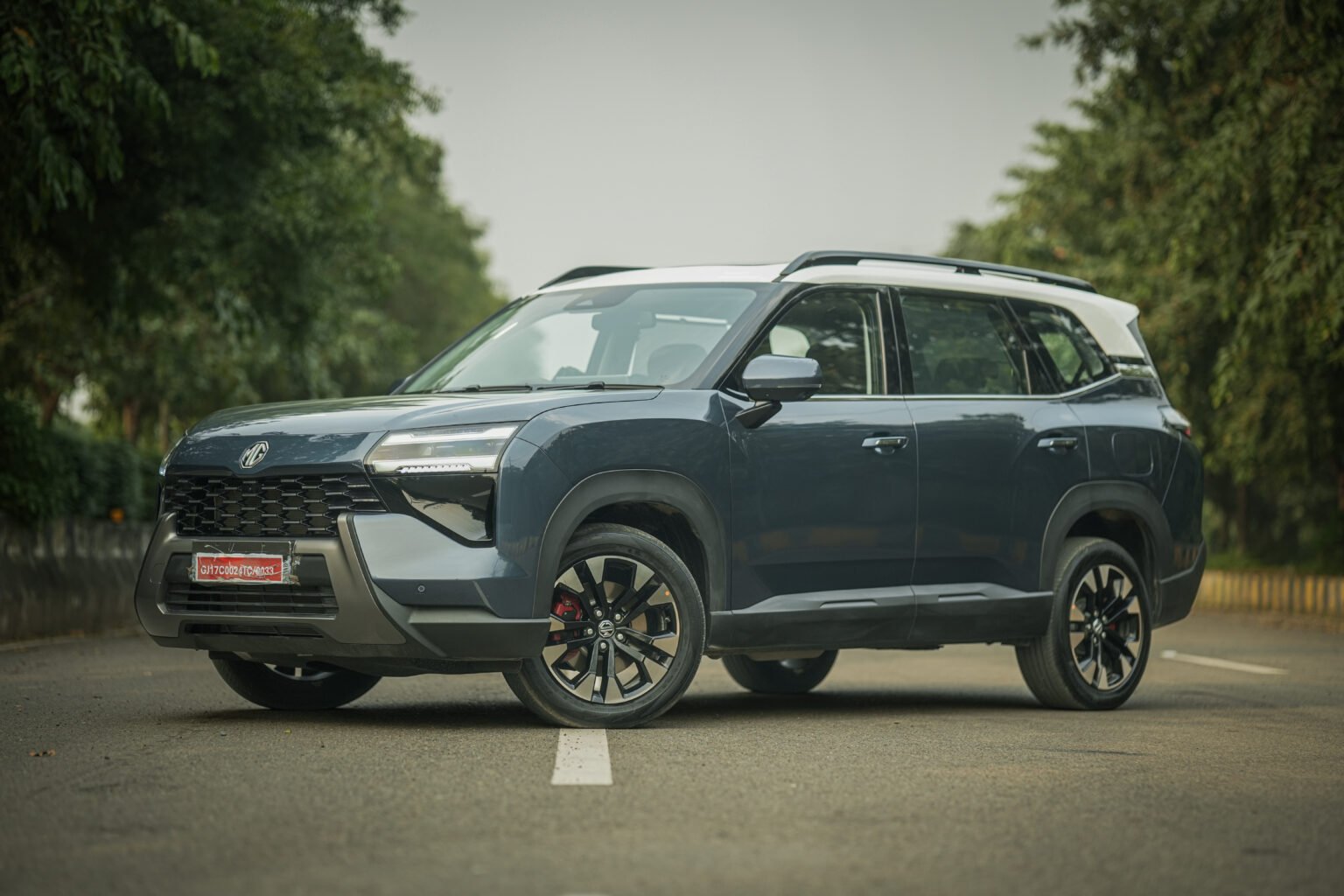
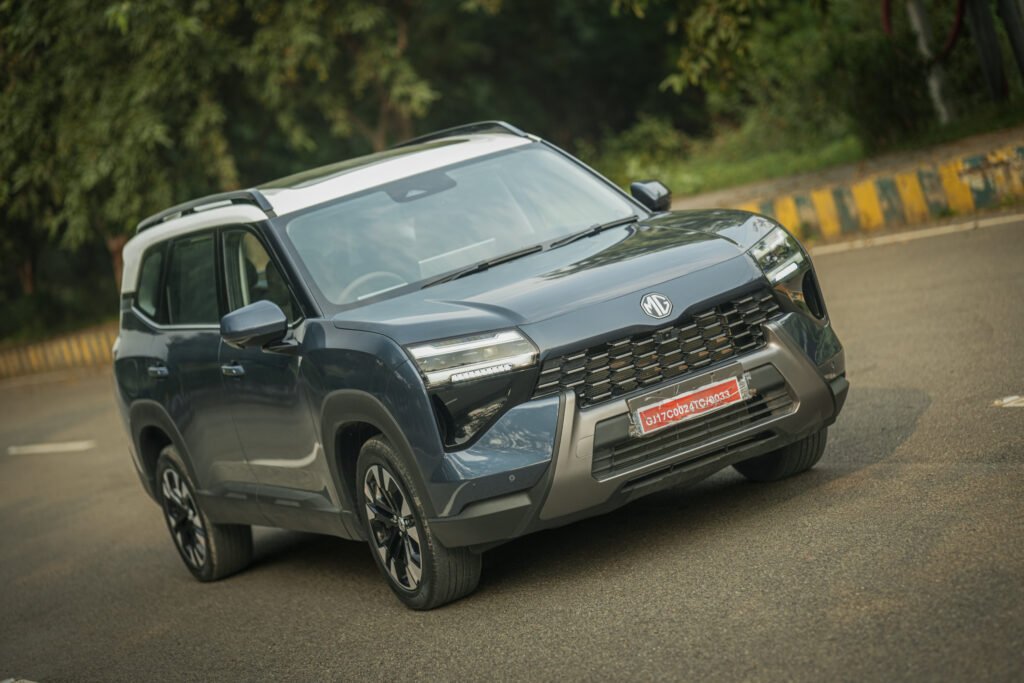
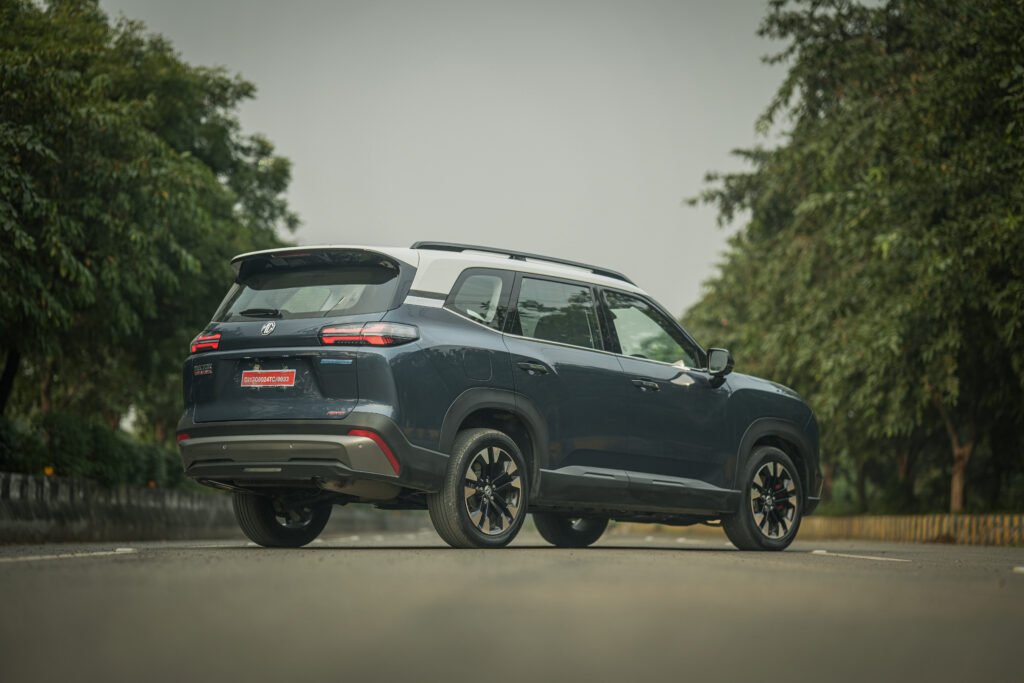
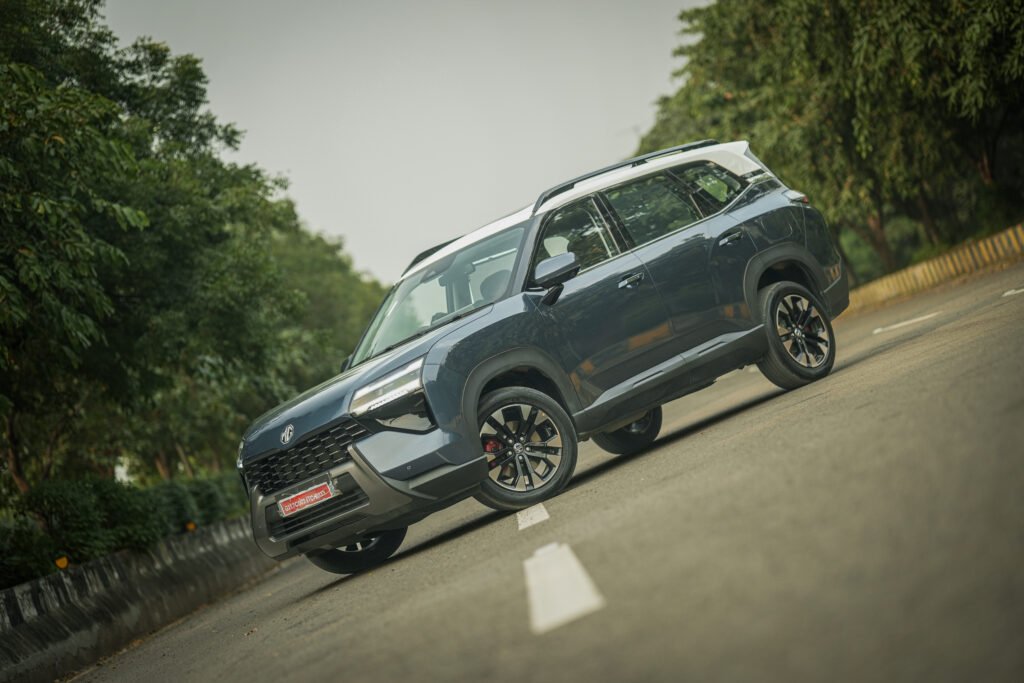
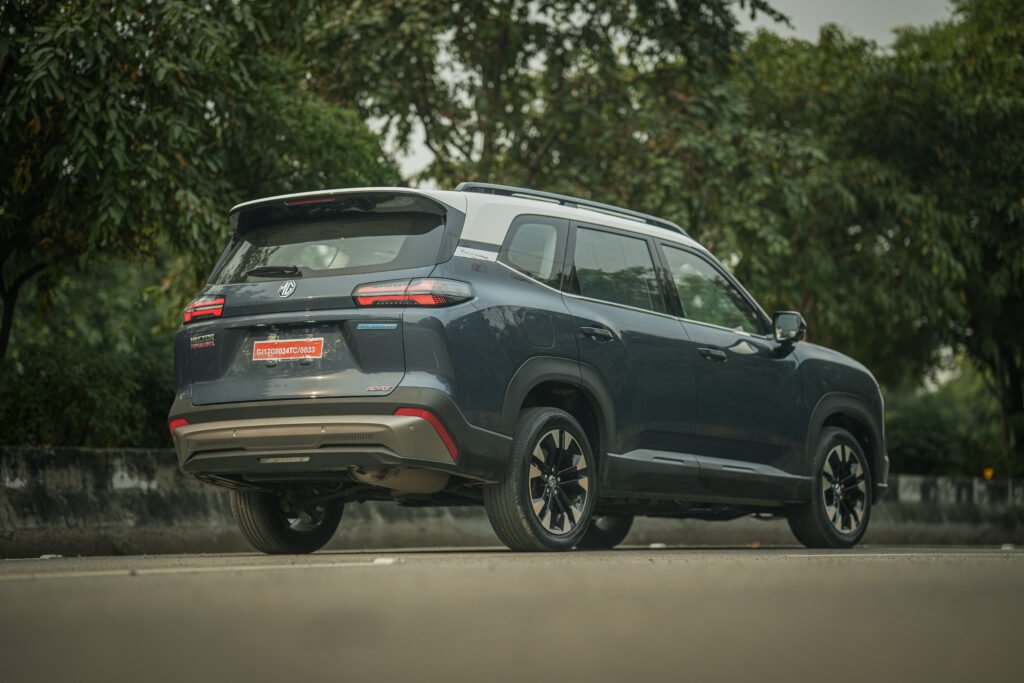
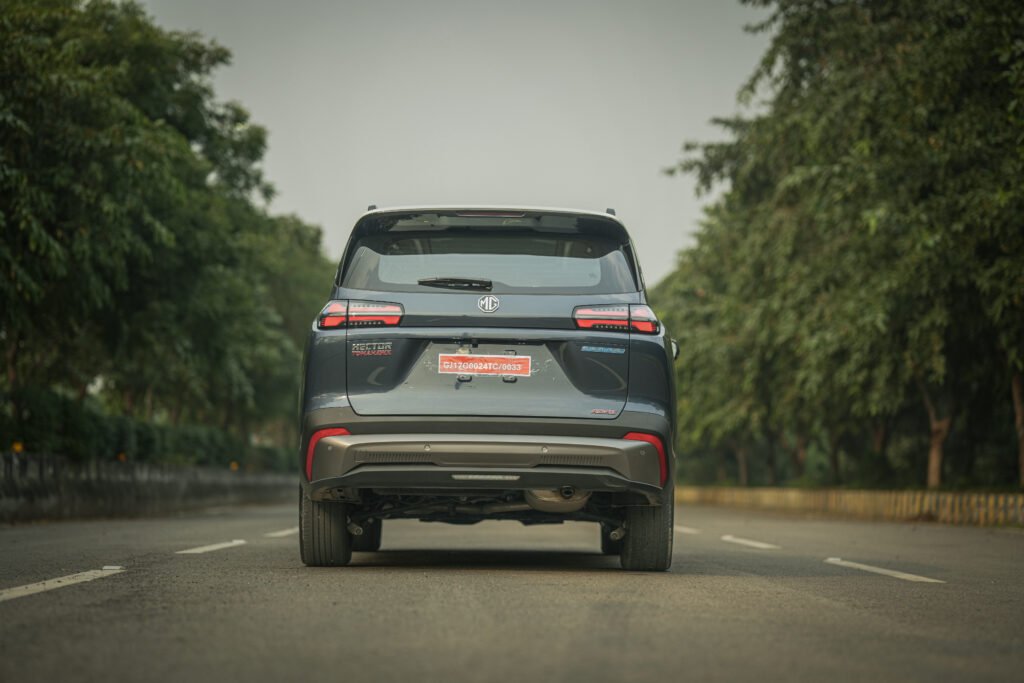
The MG Hector Tomahawk PHEV has a distinctive visual identity, with its proportions, lighting elements and overall styling giving it a substantial presence on the road.
During our journey, the SUV attracted considerable attention from fellow motorists and passers-by. We had several people enquiring about the vehicle, which is always encouraging when testing something relatively unfamiliar on public roads.
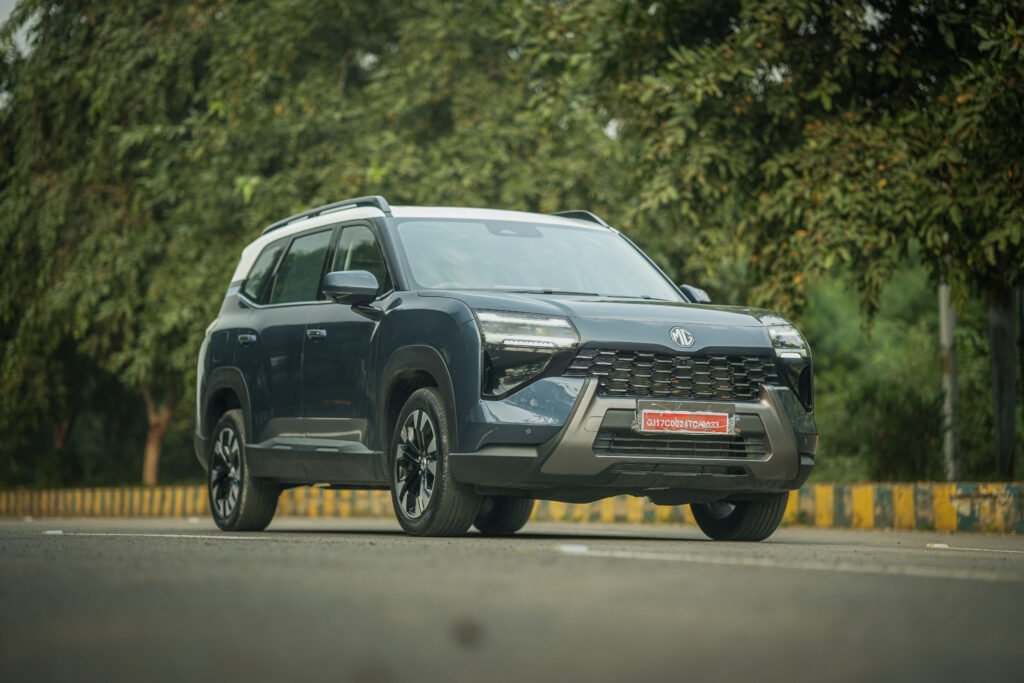
Its large-SUV proportions contribute significantly to its road presence, while the lighting elements and front-end styling help establish a recognisable identity.
The design also serves an important purpose for a vehicle of this nature. It needs to look substantial enough to appeal to traditional SUV buyers while presenting a modern image that reflects its electrified powertrain.
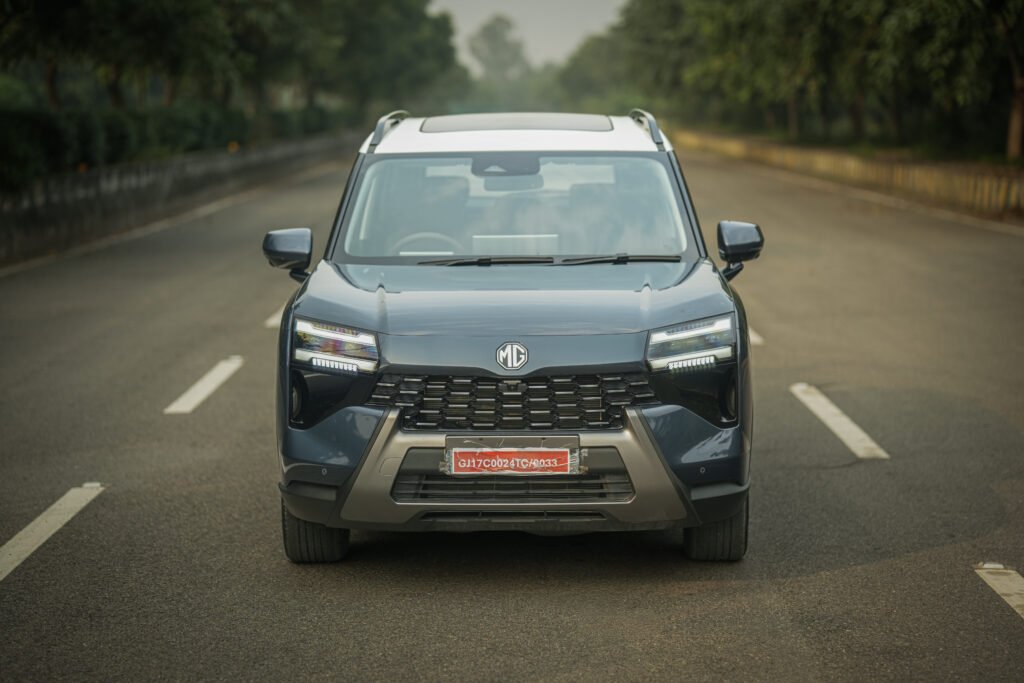
The Hector Tomahawk PHEV manages to bring these elements together without making its design feel overly complicated.
While exterior styling will always remain subjective, there is little doubt that this SUV knows how to attract attention.
Safety and Technology: A Comprehensive Package
Safety is an increasingly important consideration for Indian SUV buyers, and manufacturers are expected to offer more than just the basics.
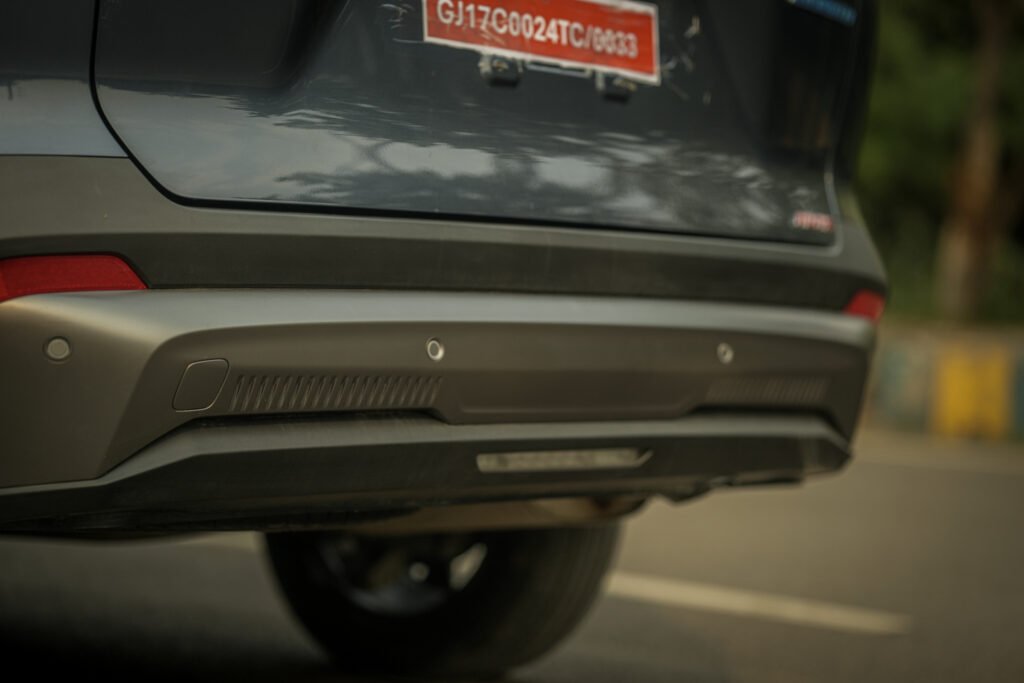
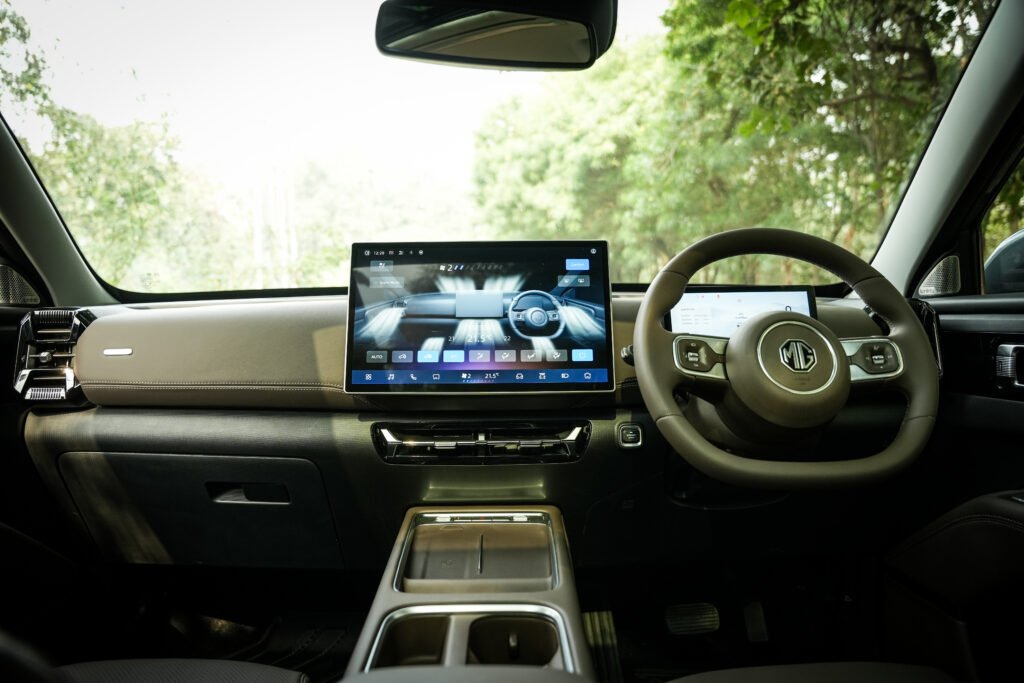
The MG Hector Tomahawk PHEV comes equipped with six airbags, electronic stability control, traction control, a 360-degree camera and Level 2 Advanced Driver Assistance Systems (ADAS).
The combination provides a comprehensive safety and driver assistance package.
The six airbags provide additional occupant protection, while electronic stability control and traction control are designed to help maintain vehicle stability under challenging driving conditions.
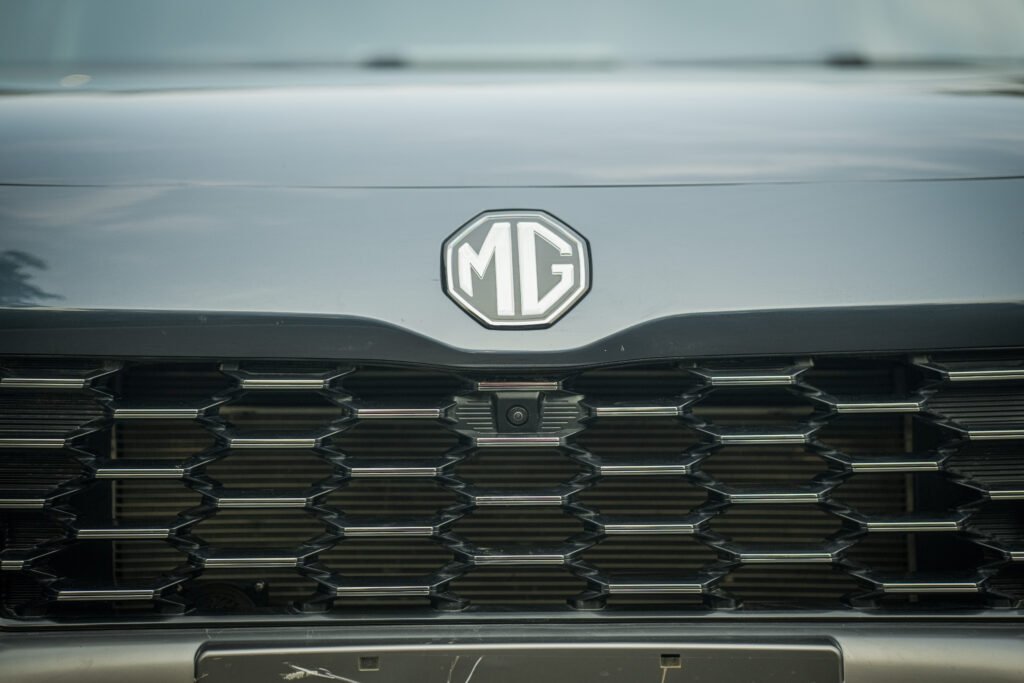
The 360-degree camera is particularly useful for a vehicle of this size. Manoeuvring through narrow streets, negotiating tight parking spaces and dealing with crowded urban environments can be challenging in a large SUV. The camera system helps improve visibility around the vehicle and makes these situations considerably easier.
The Level 2 ADAS suite adds another layer of driver assistance technology. These systems are designed to assist with aspects of driving and help reduce the possibility of certain collisions, although they should never be considered a substitute for attentive driving.
During our time with the vehicle, the overall calibration of the safety systems was generally reassuring. However, a few ADAS interventions could be better adapted to typical Indian road conditions.
This is an important consideration for manufacturers developing vehicles for India. Lane markings, unpredictable traffic behaviour, two-wheelers and inconsistent road infrastructure can create situations that differ considerably from those encountered in markets where these systems are originally developed.
Nevertheless, the overall safety package is comprehensive, and MG deserves credit for bringing together a useful collection of active and passive safety features.
Who Should Buy the MG Hector Tomahawk PHEV?
The biggest question surrounding any plug-in hybrid is whether it makes sense for the intended buyer.
The MG Hector Tomahawk PHEV is particularly interesting for people who have substantial daily driving requirements but also undertake frequent intercity journeys.
Consider someone commuting more than 50km every day. With sufficient battery charge, the electric-only driving capability can help reduce dependence on the petrol engine during everyday journeys. This offers the convenience of electric mobility without requiring the owner to make a complete transition to a battery-electric vehicle.
The plug-in hybrid arrangement becomes even more interesting when long-distance travel enters the picture.
Unlike a pure electric SUV, which requires access to charging infrastructure along longer routes, the Hector Tomahawk PHEV retains a petrol engine. This gives owners the flexibility to undertake extended journeys without depending entirely on public charging stations.
For buyers who regularly travel between cities, that flexibility could be a significant advantage.
It also presents an interesting alternative for traditional diesel SUV buyers. Diesel vehicles have long been popular among Indian motorists who cover substantial distances, primarily because of their touring ability and fuel efficiency.
MG appears to be positioning its plug-in hybrid proposition as a different way of approaching those requirements.
We were reminded of our earlier experience with the Hector diesel on these very roads, approximately three years ago. Back then, the familiar appeal of a diesel-powered SUV was its ability to cover long distances with relative ease.
Today, the Hector Tomahawk PHEV approaches the same requirement differently. It offers electric driving for shorter journeys while retaining the flexibility of petrol power for extended road trips.
However, there are a few ownership considerations worth keeping in mind.
A PHEV makes the most sense when owners have convenient access to charging facilities and regularly utilise the electric driving capability. Buyers who rarely charge the battery may not experience the full benefits of the technology.
Similarly, actual running costs will depend on driving patterns, charging availability, fuel prices and how frequently the vehicle operates in electric mode.
For someone who can charge regularly, drives substantial distances and wants a vehicle capable of handling both city commutes and long highway journeys, the Hector Tomahawk PHEV presents an interesting proposition.
MG Hector Tomahawk PHEV: Final Verdict
So, does the MG Hector Tomahawk PHEV live up to the excitement surrounding its claimed 1,100km-plus combined range?
Our road trip certainly gave us reasons to be optimistic.
Covering approximately 966km with another 132km of indicated combined range remaining, without refuelling or recharging, is an encouraging result. While we didn’t physically exhaust the remaining range, the total indicated distance of approximately 1,098km puts the SUV remarkably close to MG’s claimed figure.
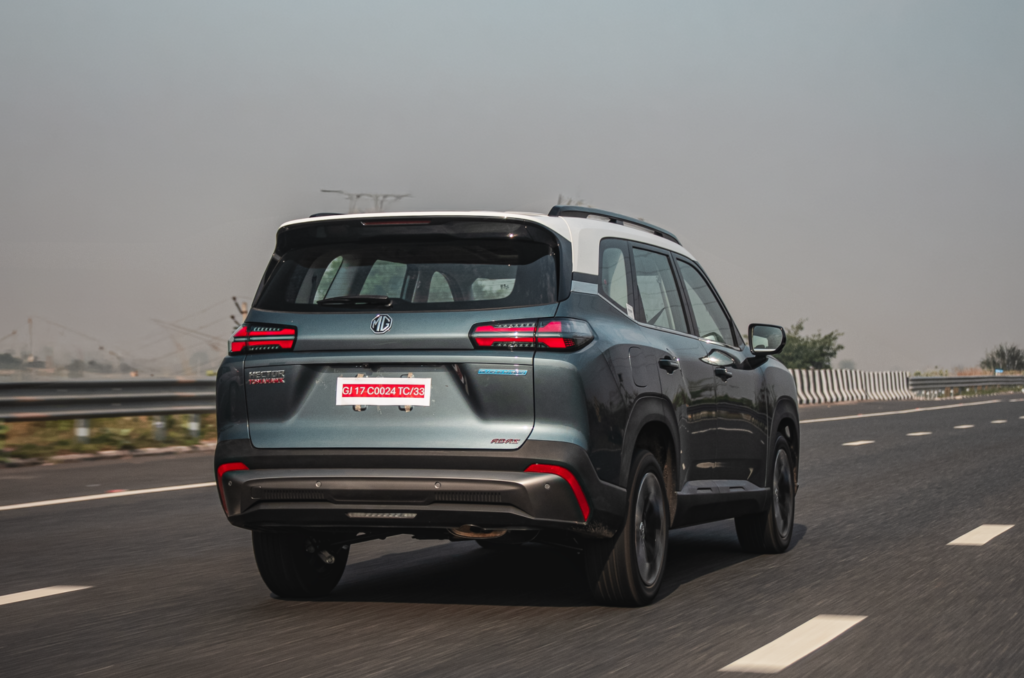
More importantly, this wasn’t achieved under perfectly controlled conditions. Five journalists shared driving responsibilities, speeds varied between approximately 60kmph and 115kmph, and the journey included detours and changing road conditions.
Beyond the headline range, the Hector Tomahawk PHEV makes a case for itself through its flexible plug-in hybrid powertrain, comfortable ride, predictable handling and comprehensive safety equipment.
Its biggest strength is the combination of two worlds. It can offer electric driving for everyday requirements while retaining the convenience of petrol power for longer journeys.
That makes it particularly relevant at a time when Indian buyers are increasingly exploring alternatives to conventional petrol and diesel vehicles but may not be ready to transition entirely to electric mobility.
There are still practical considerations, particularly around charging access, ownership costs and the actual benefits of the hybrid system over different driving cycles. However, for the right buyer, the proposition is compelling.
The MG Hector Tomahawk PHEV isn’t simply trying to impress with a large battery or an ambitious range figure. It is attempting to make electrified mobility more practical for people who spend a considerable amount of time behind the wheel.

And after our Gurgaon-Jaipur-Ahmedabad road trip, we came away with one clear impression: the 1,100km mark doesn’t seem like an unrealistic target for this plug-in hybrid SUV.
For buyers looking for a comfortable, technology-led SUV with electric driving capability and long-distance flexibility, the MG Hector Tomahawk PHEV deserves serious consideration.