
Small, thoughtful updates make a big difference in this year’s Google flagship The annual smartphone race has been a predictable marathon of…
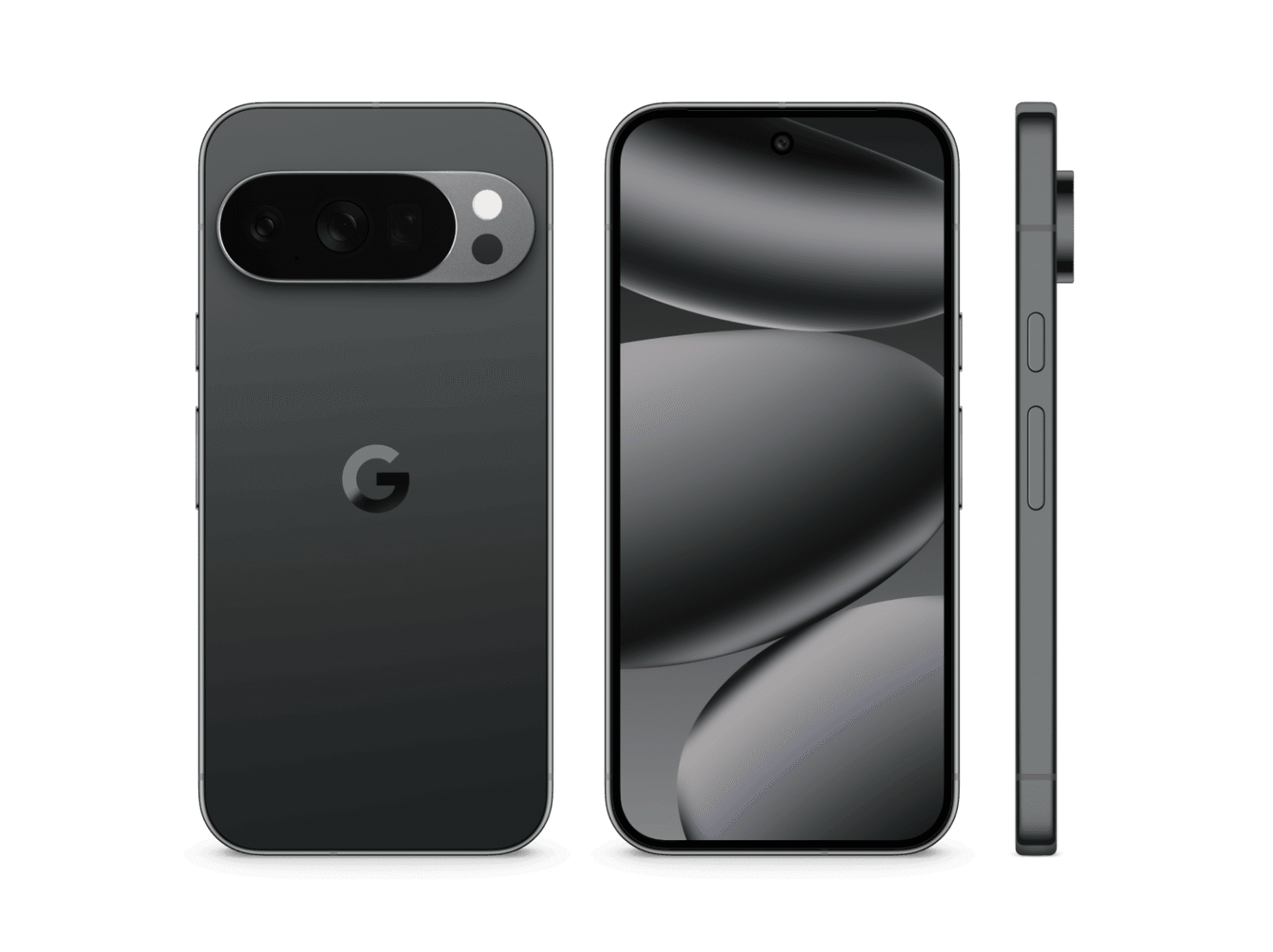
Small, thoughtful updates make a big difference in this year’s Google flagship
The annual smartphone race has been a predictable marathon of specifications. Brands battle over processing power, charging speeds, and megapixel counts. But things are beginning to change. Over the last couple of years, there is a renewed focus on the overall user experience, driven by the rise of generative AI. An unexpected outcome of that is the Pixel, which never really went toe-to-toe with other flagships when it came to hardware, but impressed with its software chops, is now looked at in a more flattering light.
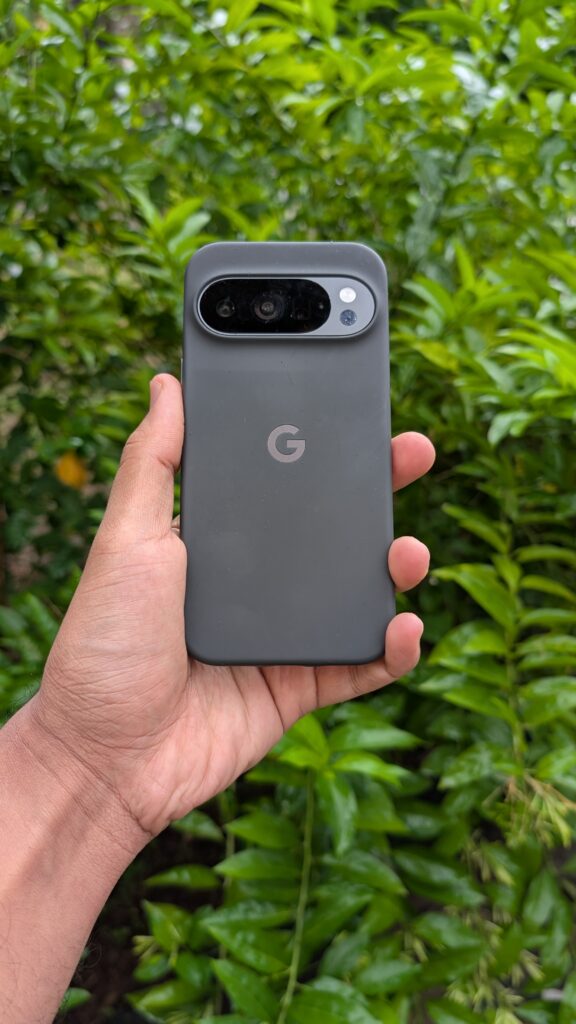
This year’s non-foldable Google flagship, then, the Pixel 10 Pro, feels like it is not even trying to take on the rest of the flagship smartphone world on hardware. Instead, it is betting that a truly premium phone is defined not by its spec sheet, but by its intelligence and the overall quality of its user experience. After using the Pixel 10 Pro, it is clear this is a phone for people who agree.
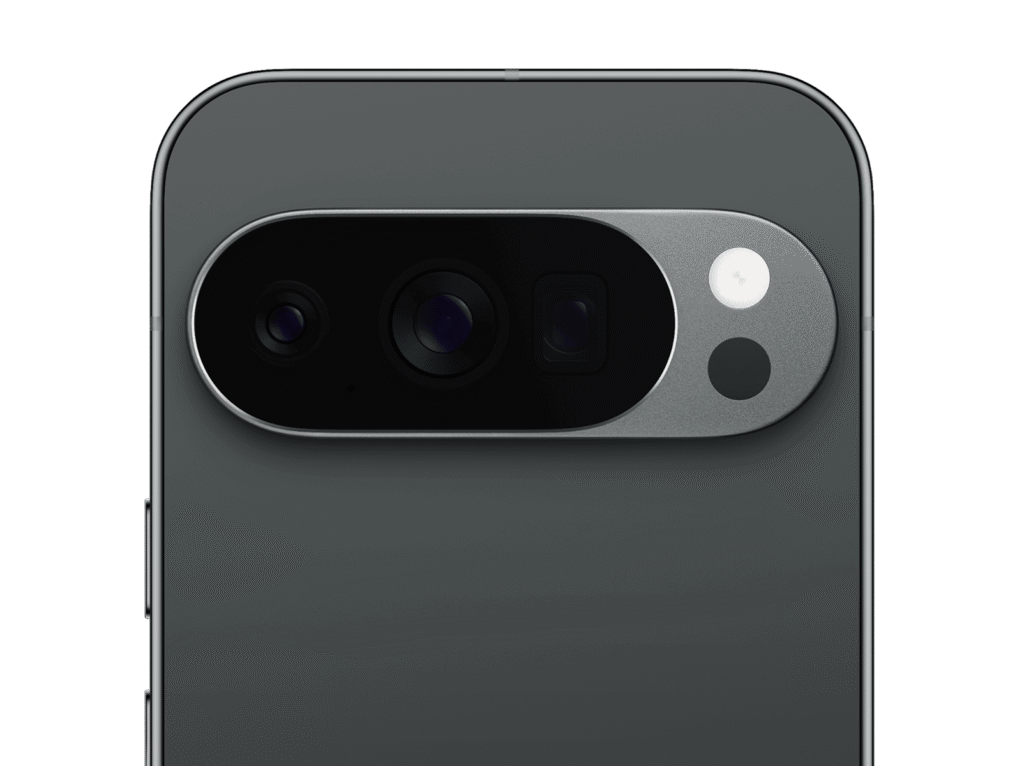
From the moment you pick it up, the Pixel 10 Pro feels familiar, and I mean that as a compliment. Google has refined its design language over the last couple of iterations, and this year’s updates on the outside are minor. The signature camera bar remains a distinctive and stylish identifier in a sea of generic camera bumps. My gray review unit has a wonderful matte glass back that resists fingerprints, while the polished aluminum frame feels solid and premium. It is noticeably heavier than the Pixel 9 Pro, which was jarring at first, but the added density gives it a reassuring, high-quality feel in the hand.
The hardware fundamentals are all sound. The display is, as expected from Google, fantastic. It is a large, vibrant OLED panel that gets exceptionally bright, making it easy to read outdoors. Sensible upgrades are present, like the inclusion of Qi 2 charging and PixelSnap, Google’s new magnetic accessory system. While I do not use it much, it is a necessary feature now for competing in the flagship space.
With a Pixel, the camera is always the main event. This year, it is a story of evolution, not revolution (all the sensors are carried over). The color science has been tweaked, resulting in photos that are more accurate and vibrant than before. The new ProRes Zoom feature is a fascinating addition. It works wonders on distant objects, pulling out surprising detail. However, it is oddly specific in its failures. It butchers text, rendering it a blurry mess, and it refuses to work on people at all. I was also hoping for a meaningful upgrade to Portrait Mode, but it continues to be a weak point, often struggling with complex edges like hair and glasses, where competitors now excel. The Pixel 10 Pro is still a phenomenal point-and-shoot camera, but its supremacy as a three-camera system is being questioned, especially with the arrival of the Pixel 10 at a much lower price point.
Performance is perhaps the most divisive aspect of the Pixel experience. The new Tensor G5 chip handles daily tasks with perfect fluidity. The interface is smooth, and apps open without hesitation. However, this is not a chip built to win benchmark battles. For intensive gaming or heavy multitasking, it cannot keep pace with the latest from Apple or Qualcomm, and the phone can get noticeably warm under load. The battery life is similarly adequate but unexceptional. It is a one-day phone for a heavy user like me, and the 30W wired charging feels slow when other brands are pushing past the 100W barrier.
So, if it is not the fastest and the camera has caveats, why choose the Pixel 10 Pro? The answer is the software. This is where the phone makes its case. Google’s latest AI features are an interesting addition. Magic Cue, an ambitious predictive assistant, is useful if not very consistent, while Camera Coach is a neat idea for beginners. It sometimes feels like we are beta-testing Google’s next big ideas.
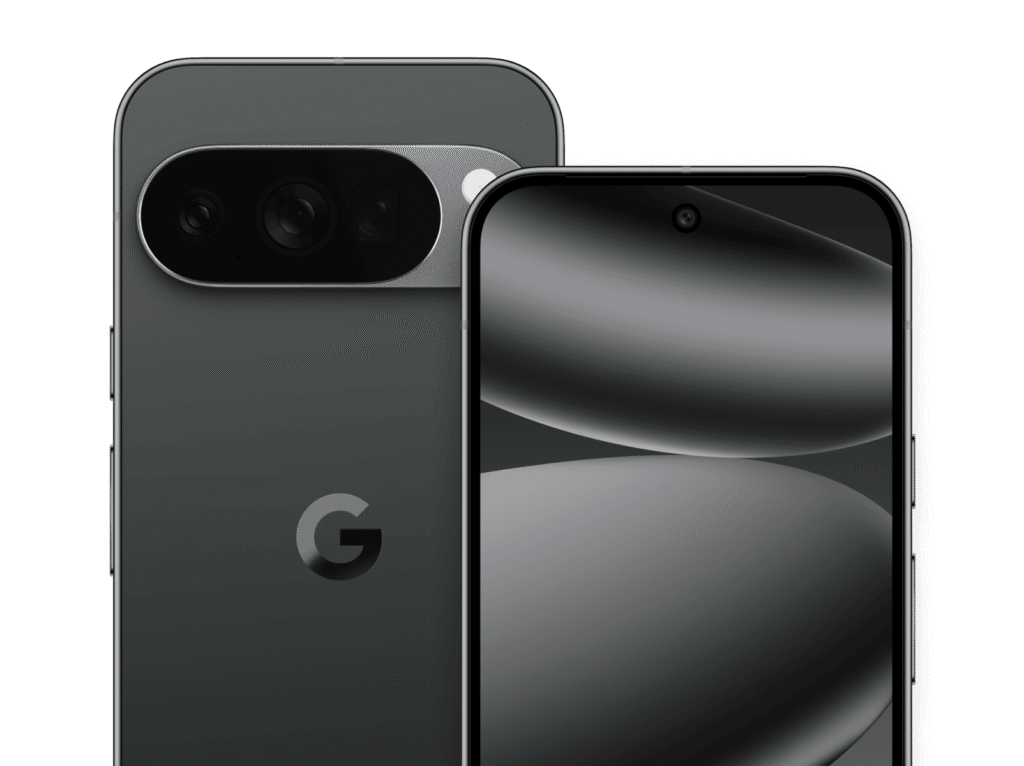
Despite these fumbles, the smart features are what make the Pixel special. The Recorder app’s real-time transcription is nothing short of magic. The new Journal app is a beautifully simple place for thoughts, though the AI integration feels unnecessary. It is this collection of genuinely helpful, intelligent tools that come together to create a cohesive, thoughtful, and uncluttered experience that stands apart.
The Pixel 10 Pro is not the best phone in every category. It does not have the raw power of an iPhone or the camera flexibility of a Samsung Galaxy. But a phone is more than the sum of its parts. For those who value a clean, intelligent, and helpful software experience above all else, the Pixel 10 Pro is a great choice.
Media Courtesy: Afzal Rawuther & Pixel 10 Pro (Official Site)