Renault is finally preparing a serious reset for the Indian market, and the all-new Duster will be the spearhead of that revival.…
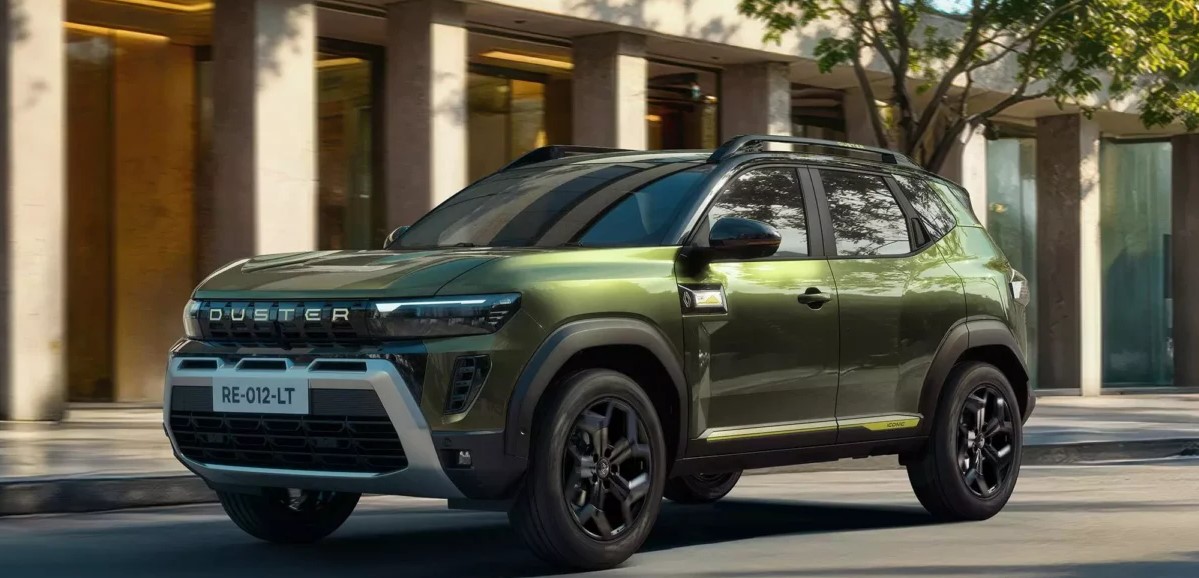
Renault is finally preparing a serious reset for the Indian market, and the all-new Duster will be the spearhead of that revival. Set to arrive in 2026, the next, generation Duster won’t just rely on turbo-petrol power it will also introduce a strong-hybrid drivetrain, marking a major technological step forward for the brand in India.
With rivals like the Hyundai Creta, Kia Seltos, Tata Sierra and the hybrid twins from Maruti and Toyota in its sights, the new Duster is shaping up to be far more than a nostalgic comeback. It’s Renault’s attempt to re, enter the midsize SUV war with efficiency, performance and modern tech on its side.
THE DUSTER RETURNS, BOLDER THAN EVER
DESIGN & POSITIONING
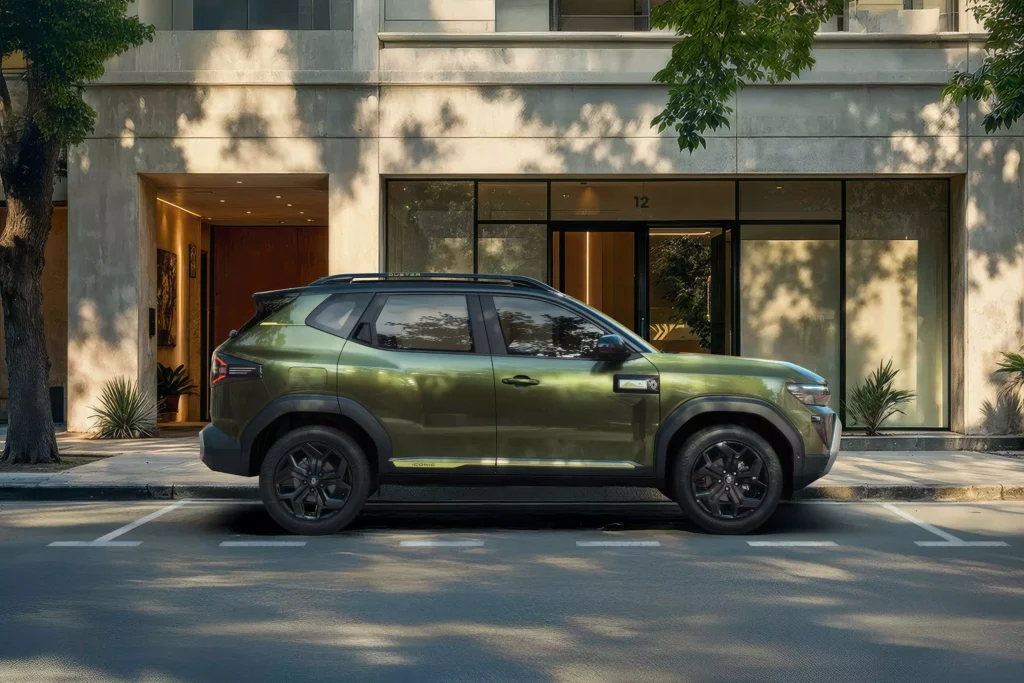
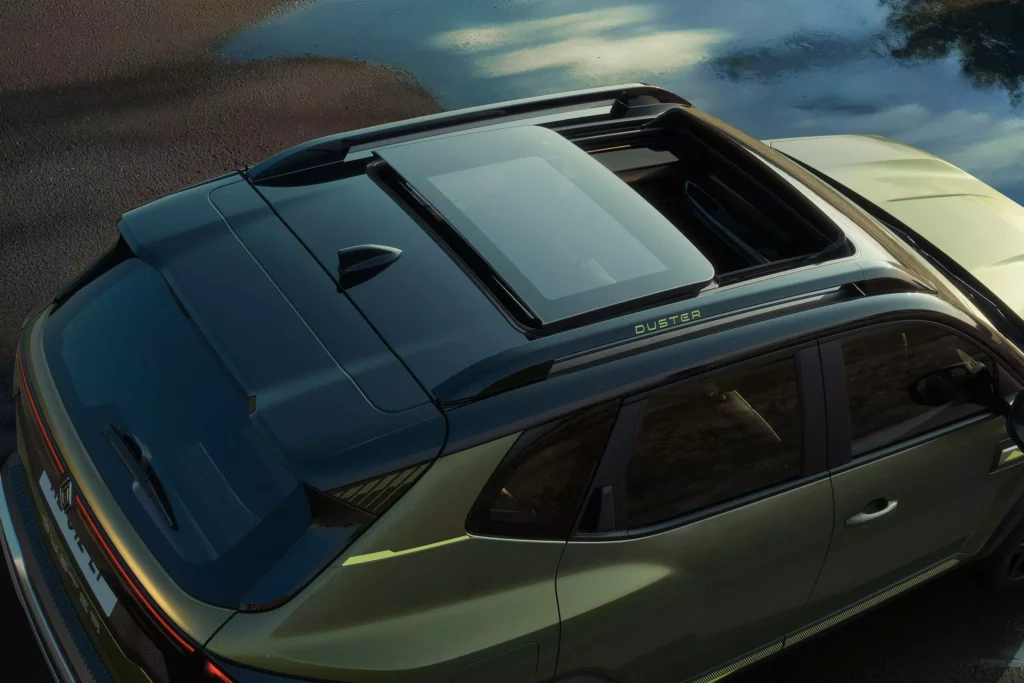
The new Duster moves away from the soft, roader image of its predecessor and embraces a far more upright, muscular design. Squarer lines, pronounced wheel arches and a higher shoulder line give it a proper midsize, SUV road presence. It looks designed to appeal equally to urban buyers and weekend explorers.
This is important, because Renault is placing the Duster directly into India’s most competitive segment where design, perceived toughness and premium appeal matter as much as engines and features.
BUILT FOR HIGHWAYS AND HILLS
THE STRONG-HYBRID FOCUS
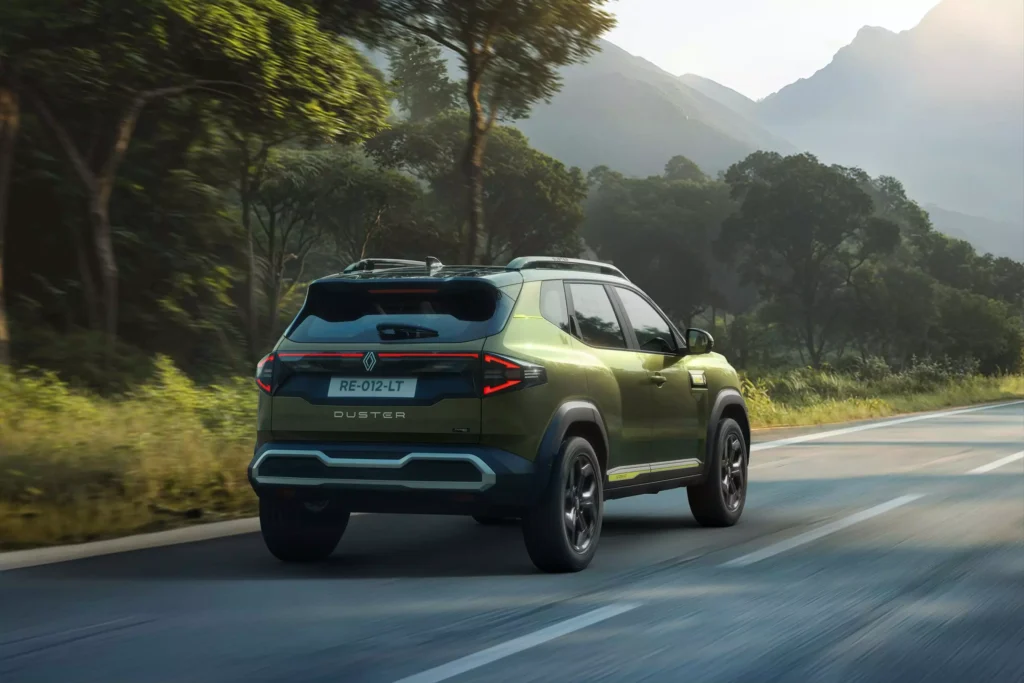
The biggest headline, however, sits under the bonnet. Renault has confirmed that the 2026 Duster will be offered with a strong hybrid powertrain, expected to go on sale around Diwali 2026. This system, branded under Renault’s E-Tech technology, draws heavily from the company’s experience in motorsport and hybrid development.
The hybrid setup combines a 1.8-litre naturally aspirated petrol engine with two electric motors and a 1.4kWh battery pack, delivering a combined output of around 160hp and 172Nm. Renault claims this system will allow a large percentage of city driving to be done in pure electric mode, improving efficiency and lowering emissions.
A MORE PREMIUM, MORE TECHNOLOGICAL DUSTER
WHAT MAKES RENAULT’S HYBRID DIFFERENT
Unlike the hybrid systems used by Maruti and Toyota, Renault’s setup does not rely on a traditional e-CVT. Instead, it uses a multi-mode automatic gearbox with fixed ratios, allowing the system to switch between electric drive, engine drive, and combined operation.
This means the new Duster’s hybrid is expected to feel more like a conventional automatic car, with noticeable shifts and a more mechanical driving character something many enthusiasts still prefer over rubber-band style transmissions.
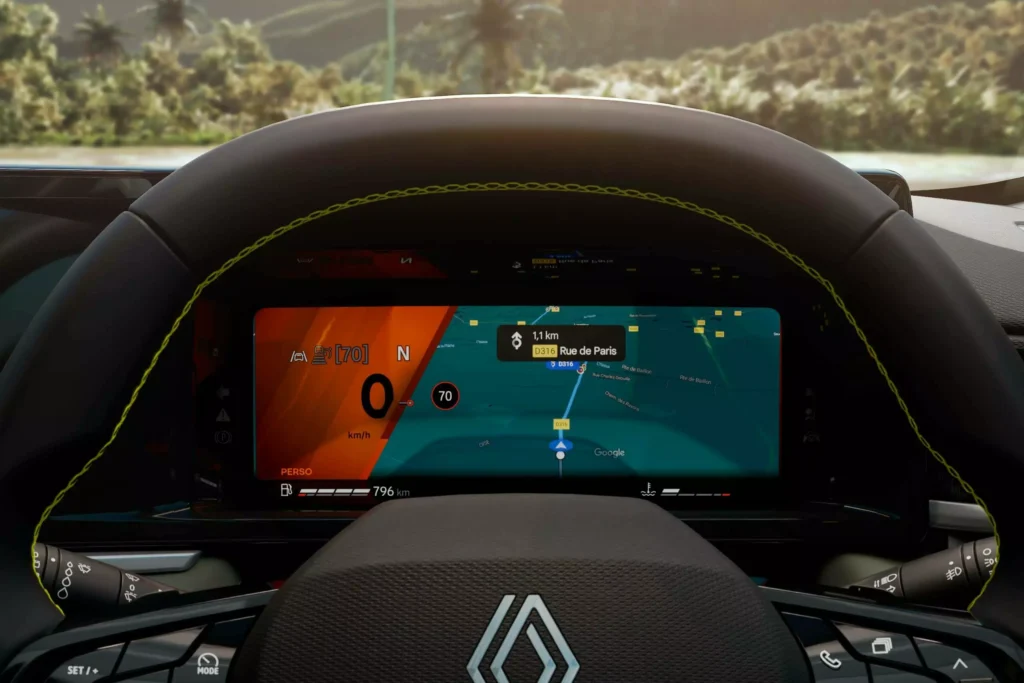
TECH-FORWARD CABIN EXPERIENCE
OTHER ENGINE OPTIONS
While the strong-hybrid will be the star of the lineup, Renault will also offer more conventional powertrains. A 1.0-litre turbo-petrol engine will cater to budget-focused buyers, while a more powerful 1.3-litre turbo-petrol motor producing up to 163hp and 280Nm will sit at the performance end of the range.
These engines will be paired with manual and automatic gearbox options, giving the Duster a wide appeal from daily commuters to highway tourers.
WHAT THIS MEANS FOR RENAULT INDIA
For Renault, the new Duster is more than just another launch. It represents a fresh strategy: fewer models, stronger technology, and clearer positioning. The introduction of a strong-hybrid SUV places Renault directly into the future-focused conversation that now defines the midsize segment.
If priced smartly and backed by solid after, sales support, the next gen Duster could become the foundation of Renault’s second innings in India.