
The Skoda Kushaq facelift gets some new features on the inside, but the dynamic package, thankfully, remains the same, with the addition…
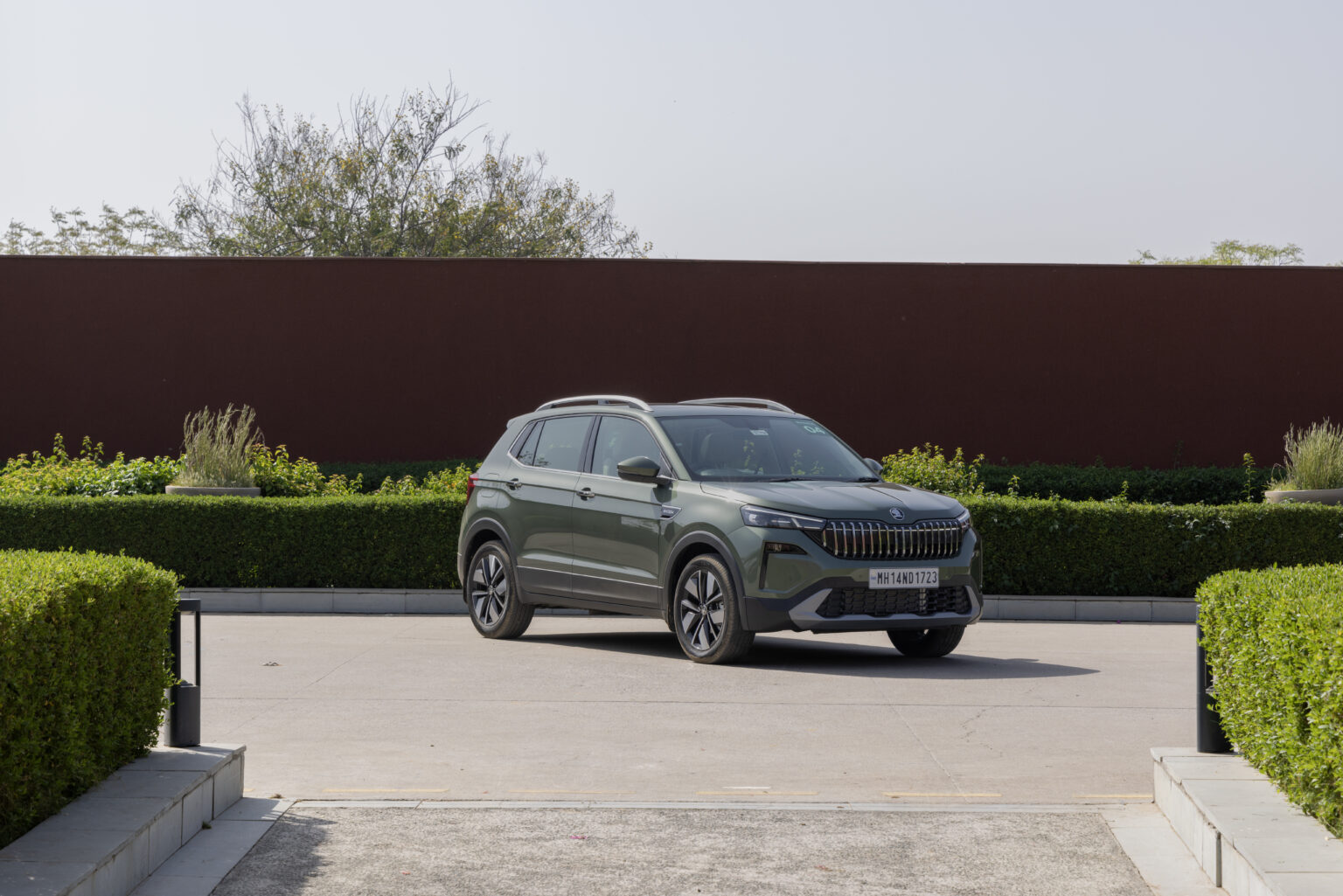
The Skoda Kushaq facelift gets some new features on the inside, but the dynamic package, thankfully, remains the same, with the addition of an 8-speed auto.
There is something quietly admirable about a car that refuses to change its character just because the market has moved on. When Skoda launched the Kushaq in 2021, it arrived with a clear point of view – precise steering, a taut suspension setup, and powertrains that rewarded the person behind the wheel. It found its audience. And that audience was always going to be a minority in a segment increasingly defined by touchscreens, sunroofs, and rear legroom.
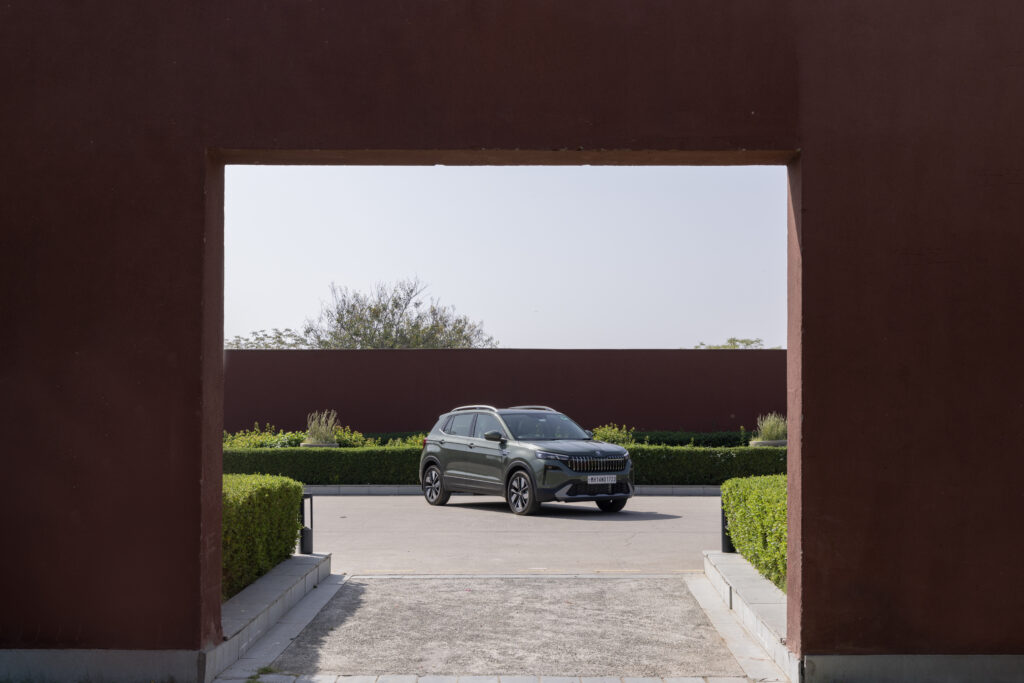
Five years on, the Kushaq gets a facelift. And it, to Skoda’s credit, hasn’t tried to be something it isn’t.
A SHARPER FACE
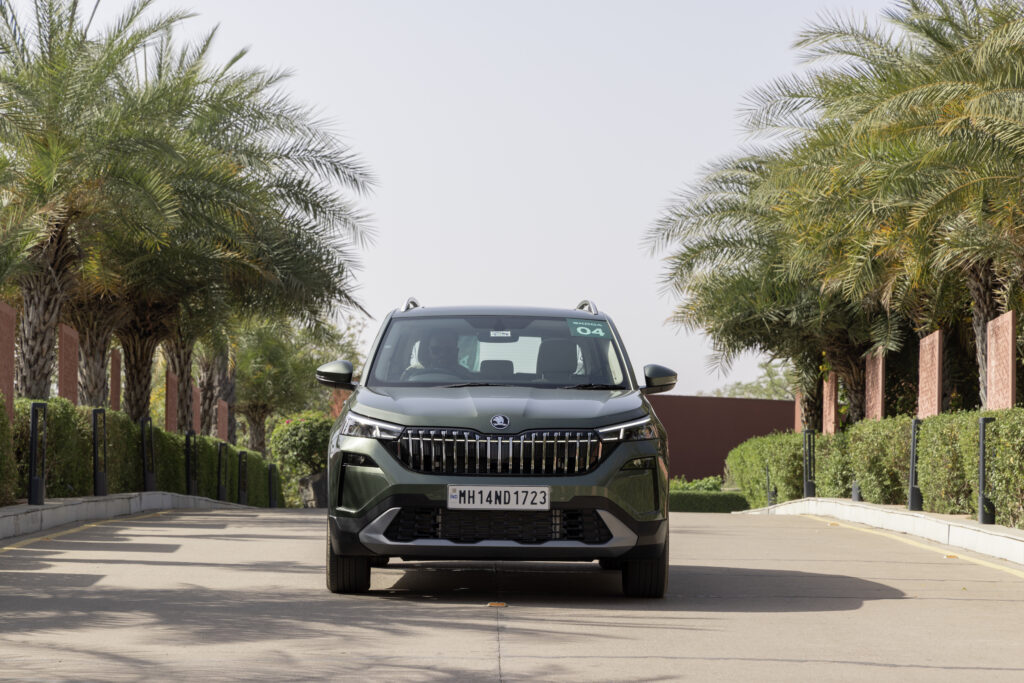
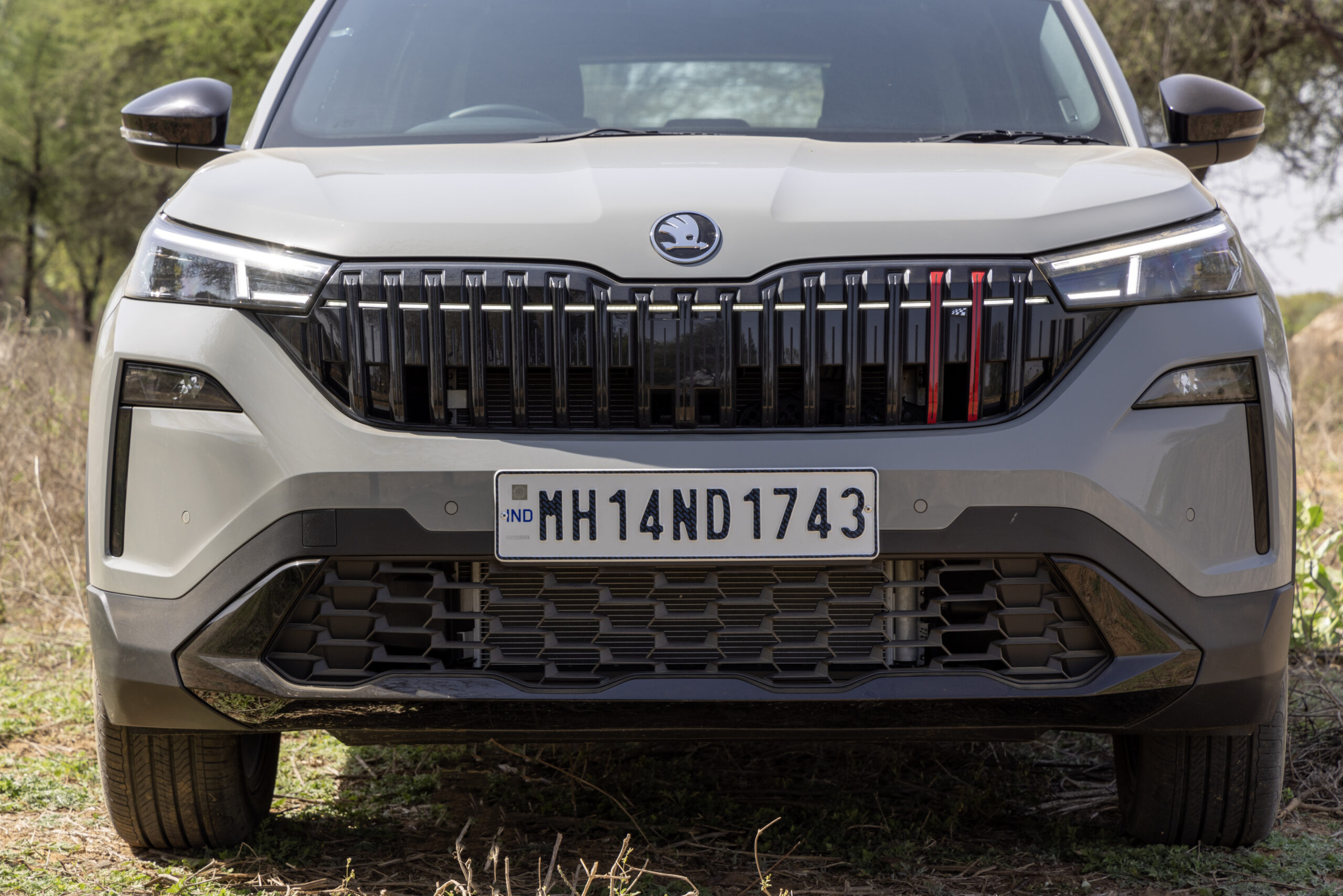
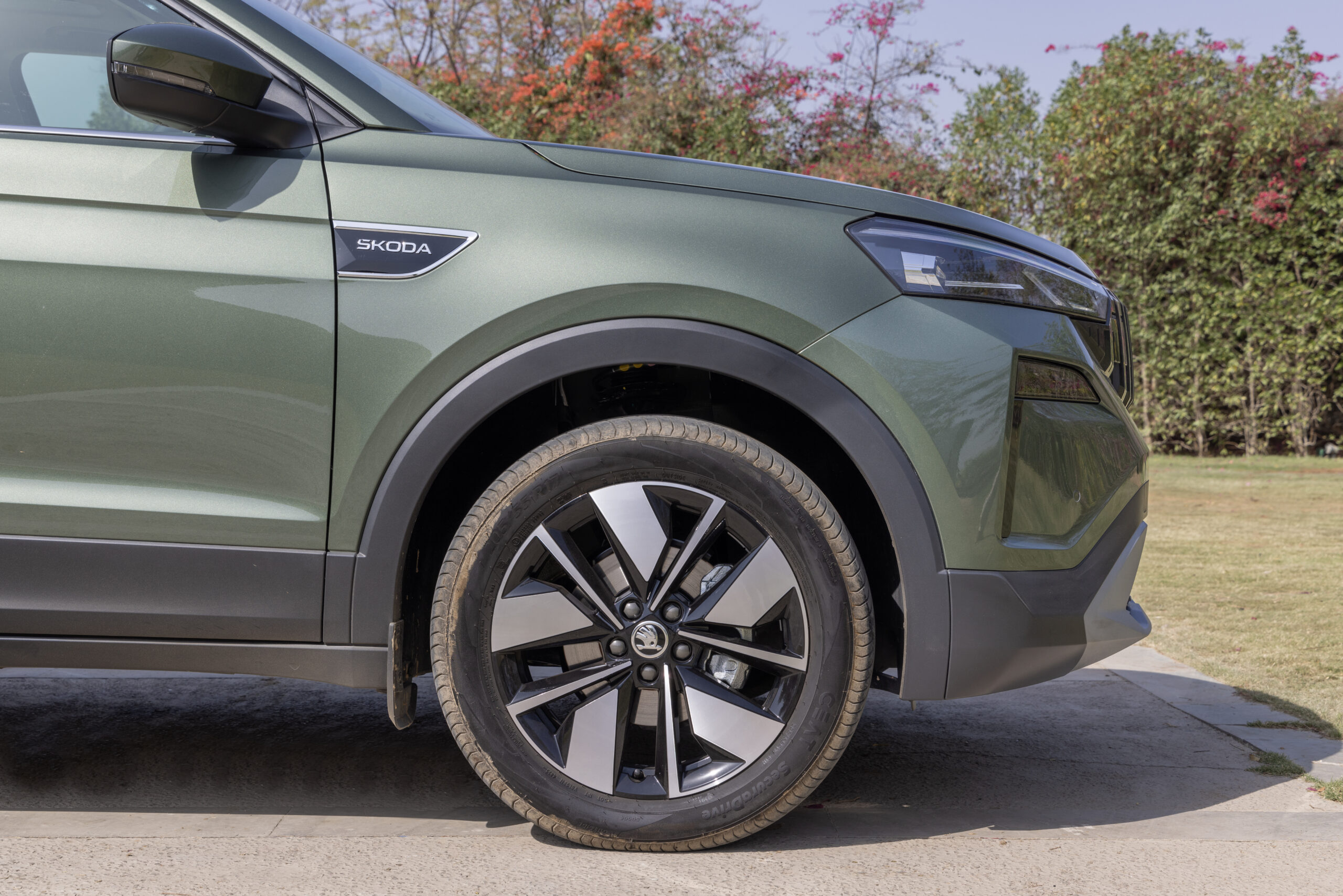
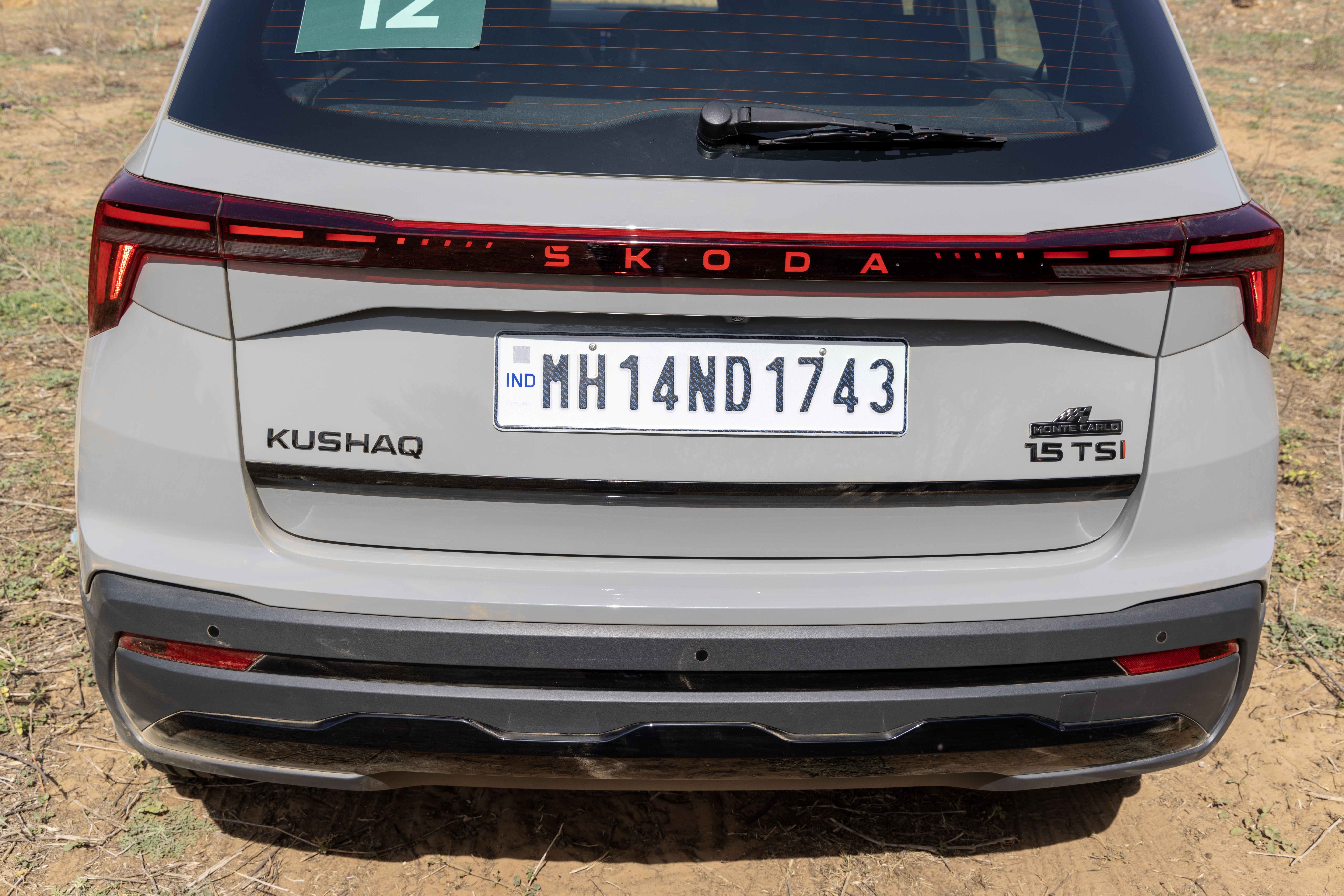
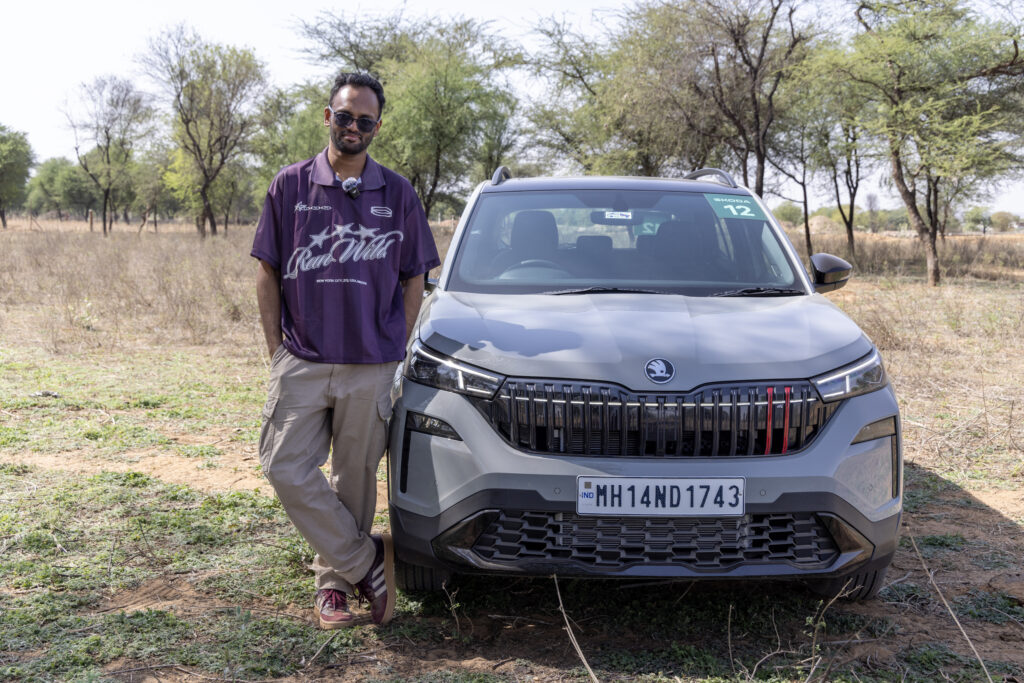
The updates up front are immediately apparent. There’s a connected strip that runs across a new grille, flanked by redesigned headlamps and a reprofiled bumper that gives the Kushaq a more purposeful, contemporary look. It’s a cleaner face than before, and one that sits well with where Skoda’s design language is headed globally. The rear, though, is where the Kushaq makes its boldest statement – illuminated Skoda lettering alongside a connected strip at the tail. It’s eye-catching in a way that feels measured rather than gimmicky.
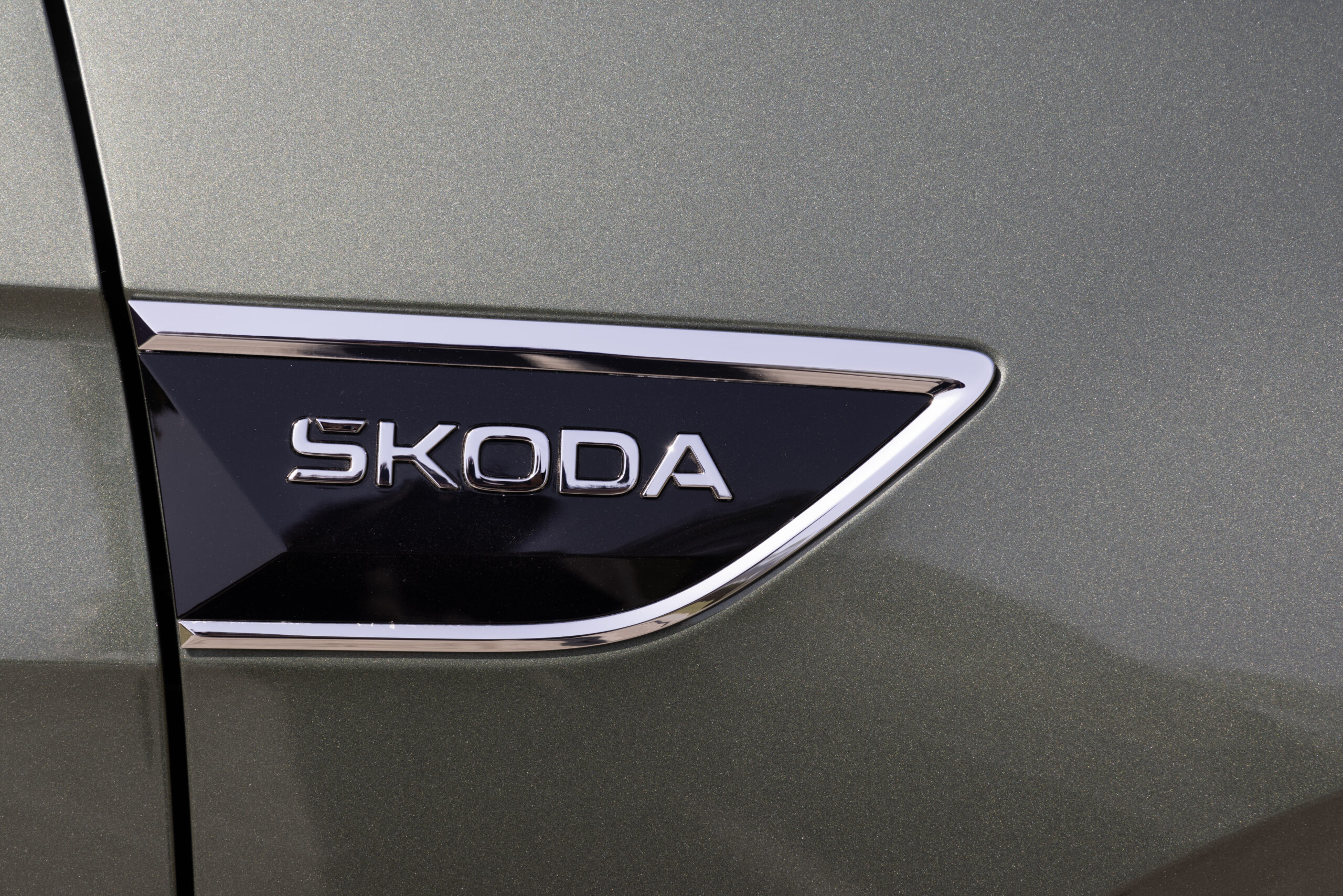
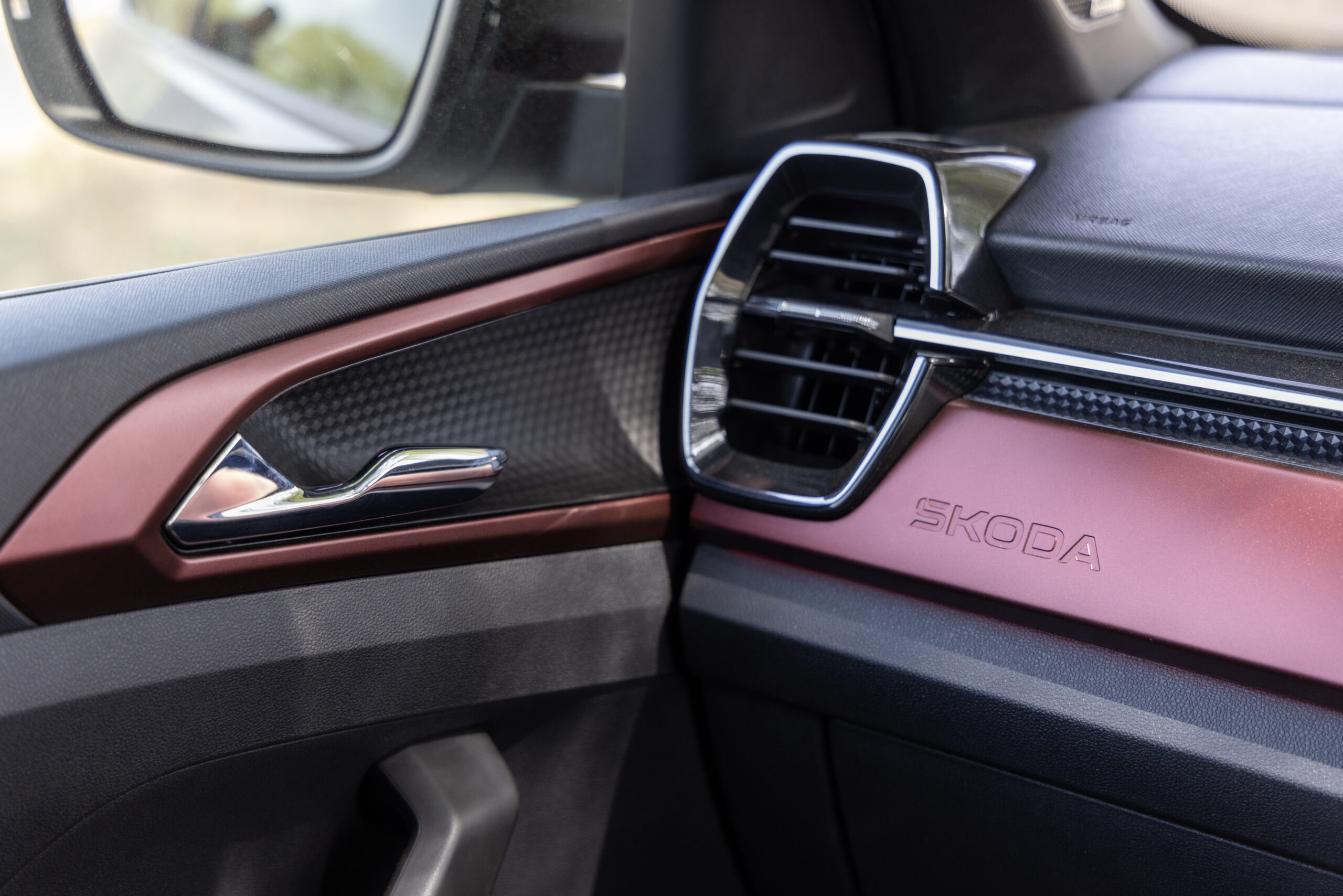
The alloy wheel designs are new, 17-inch units on the top two trims, and Skoda has added three new colour options – Shimla Green, Cherry Red, and Steel Grey. The Monte Carlo, as before, leans into its own identity with blacked-out elements, red brake callipers, and a strip of red threading through the grille. It is the more expressive of the two top variants, and the red callipers visible through the alloy spokes are a small but satisfying detail. The Prestige, in contrast, gets more chrome, a slightly more restrained proposition for those who prefer subtlety.
INSIDE THE FACELIFT
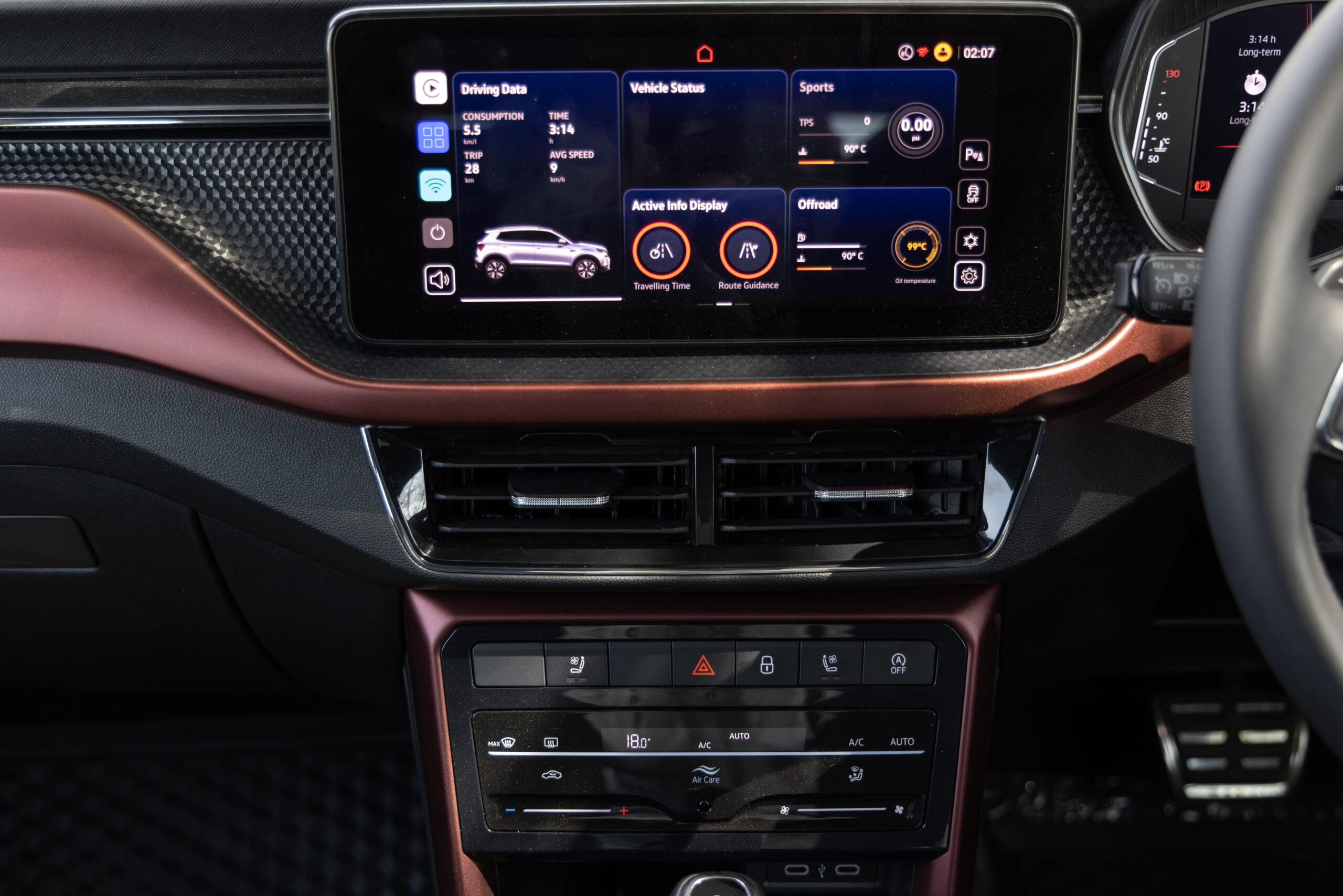
The interior changes are largely sensible rather than transformative. The instrument cluster gets a makeover – 10.25 inches now – and crucially, the dead space that used to inhabit the previous unit has been resolved. It sounds like a minor fix, but it’s the kind of thing that makes everyday use feel more considered.
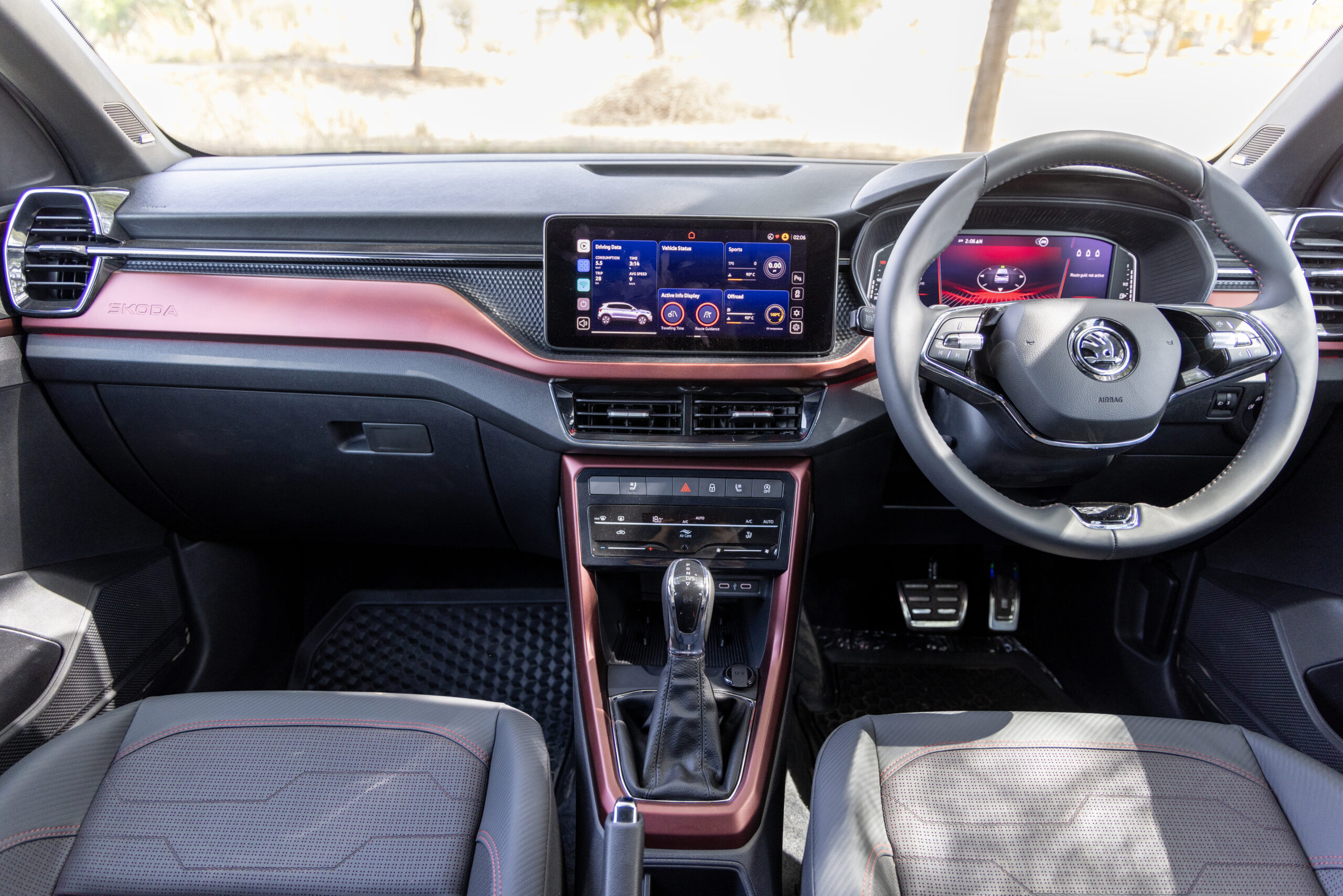
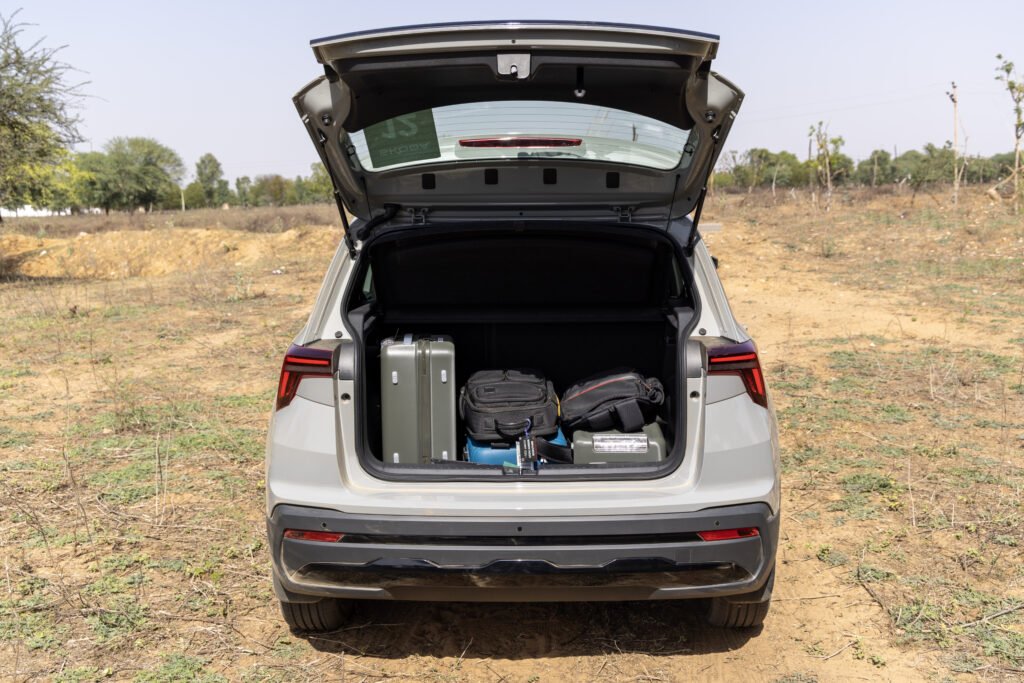
The infotainment display also grows to a 10.1-inch unit, and a panoramic sunroof makes its way onto the options list – features that the Kushaq needed to have to stay relevant in 2026. Skoda has also integrated Google Gemini into the infotainment system for hands-free control and real-time information, and the officially listed boot space is now 491 litres, though it’s worth knowing that Skoda now measures to the roofline rather than the parcel tray – so treat that figure with some context.
The upholstery and materials receive a light refresh, and taken together, the cabin feels like it has moved forward meaningfully without being overhauled.

But the headline-grabbing addition is something you genuinely wouldn’t expect from a car in this segment. The rear seats on the Monte Carlo and Prestige variants now get a massage function. Let that sit for a moment. Nothing else around this price point offers this – in fact, you’d have to go considerably higher up the market to find rear seat massagers as standard equipment.
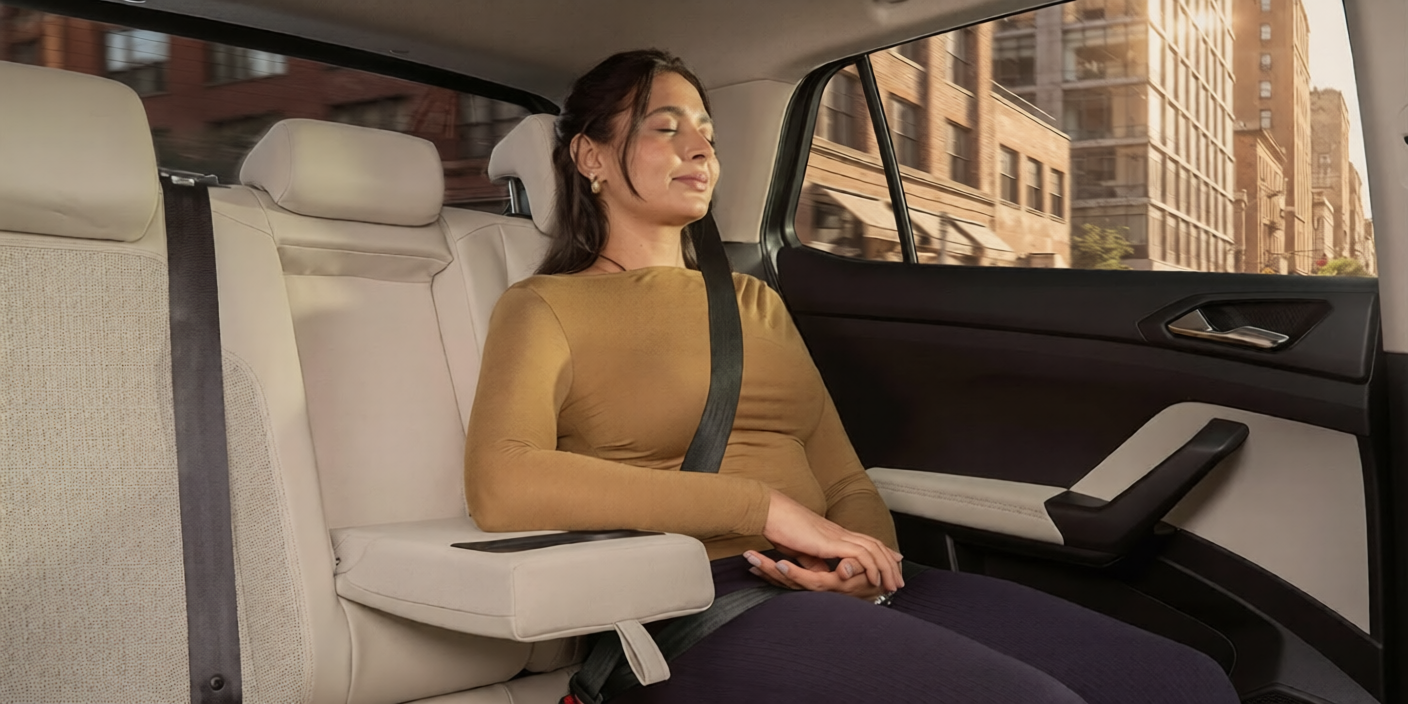
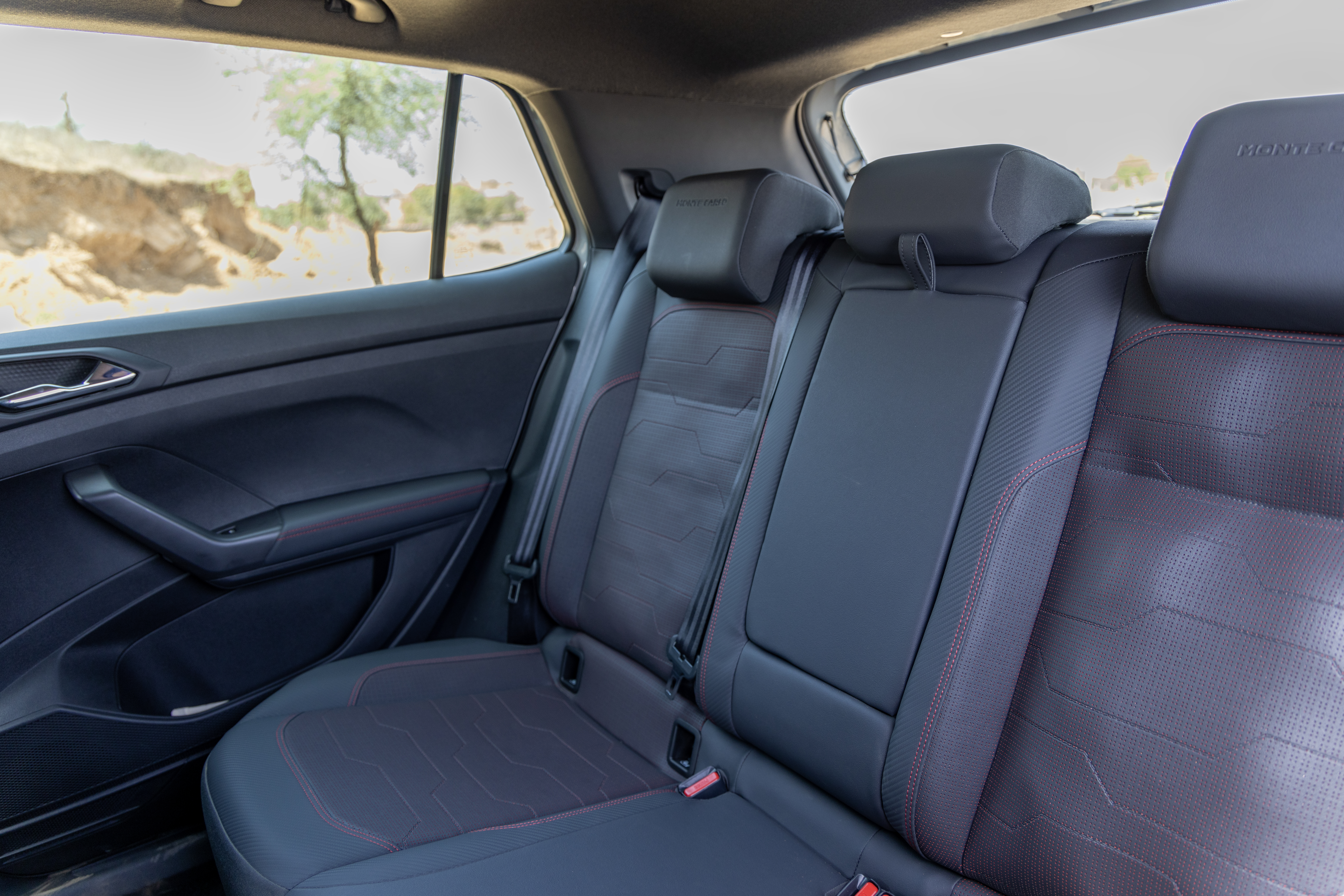
That said, there is a caveat, and it is worth noting. The massage function is audible – more so than you’d want – and for a segment that increasingly competes on refinement, it is a minor but telling detail. There is also no rear seat ventilation on offer, despite the front seats getting exactly that. For a car that now has rear seat massagers, the absence of ventilation at the back feels like a missed step. These are things I hope Skoda addresses in subsequent updates.
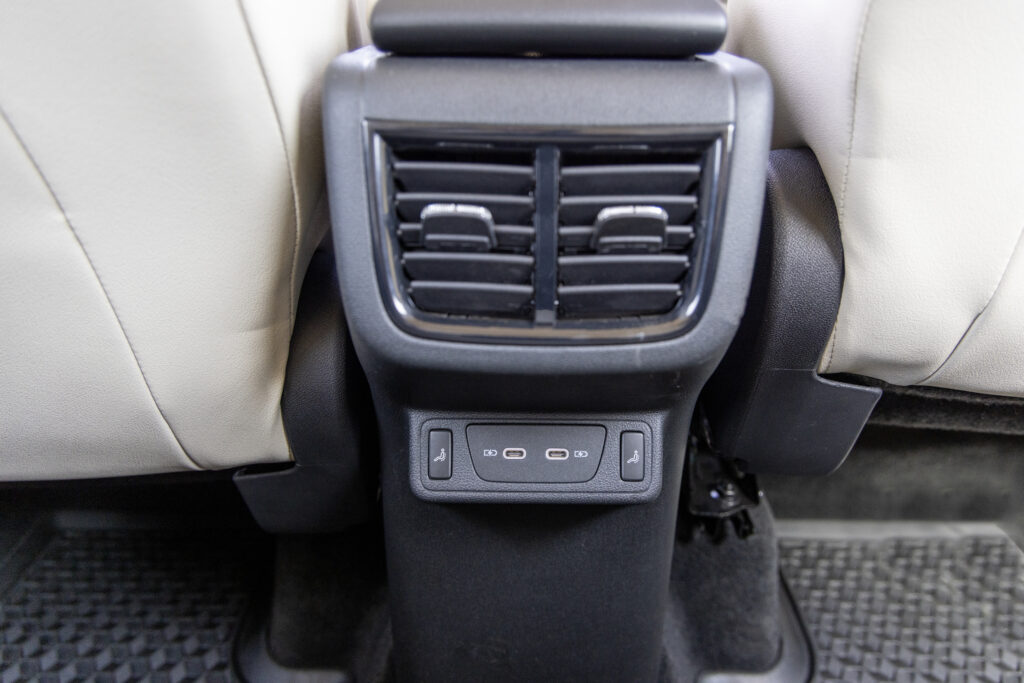
There are a few additions worth noting across the range: rain-sensing wipers and rear wash-wipers are now standard fitment, and Skoda has swapped the fixed-displacement air conditioning compressor for a variable-displacement unit, which should translate to meaningfully better AC performance.
THE POWERTRAIN STORY
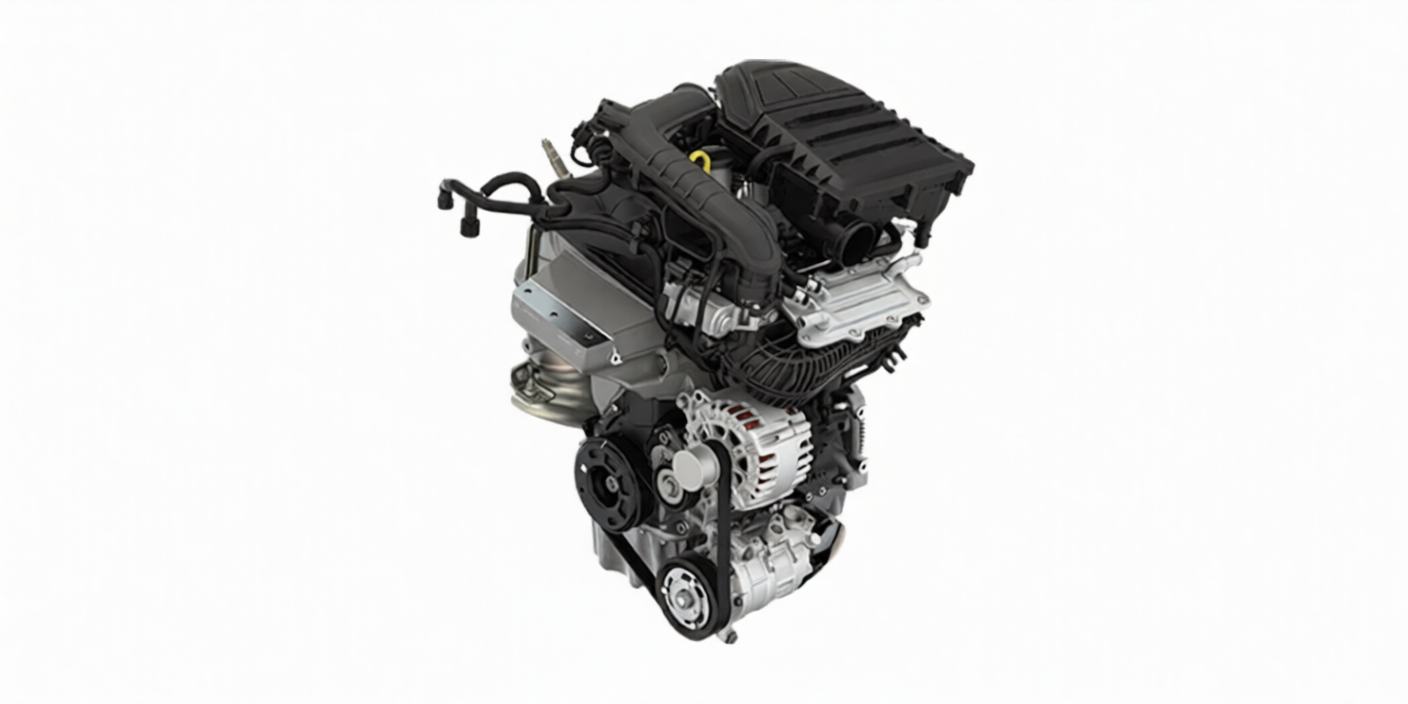
The more substantive mechanical news is under the bonnet of the 1.0-litre three-cylinder turbo petrol. It now gets an 8-speed torque converter automatic from Aisin, replacing the 6-speed unit that existed before. More ratios mean smoother progress, and in theory, better efficiency – both things that worked against the older setup in a real-world setting. The 1.0-litre was always the more accessible entry point into the Kushaq family, but the 6-speed gearbox often felt like it was working harder than it should. This should address that. The claimed fuel efficiency numbers have also improved considerably – the new 8-speed automatic returns 19.09 kmpl versus 15.78 kmpl for the outgoing 6-speed unit, which is a significant jump on paper.
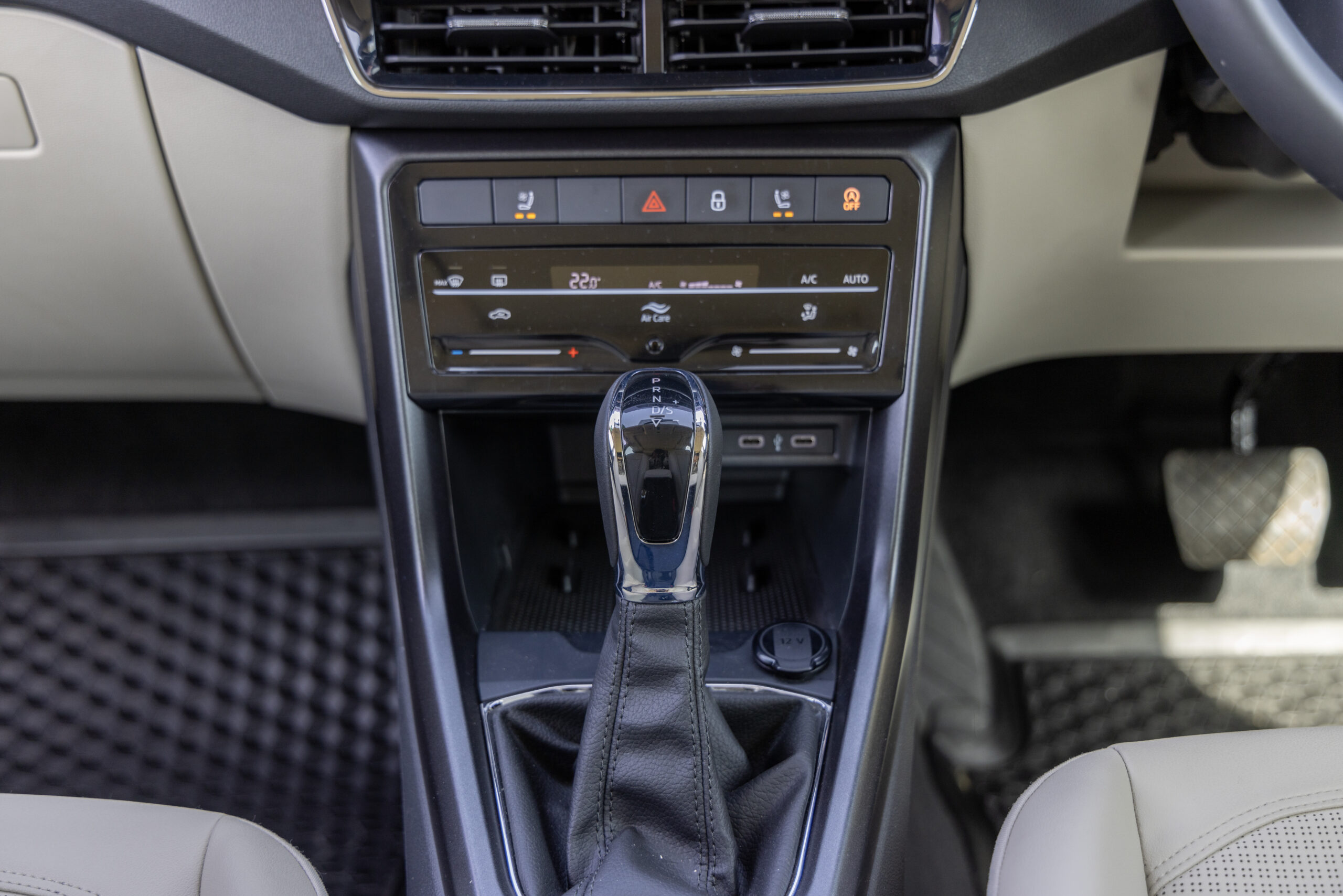
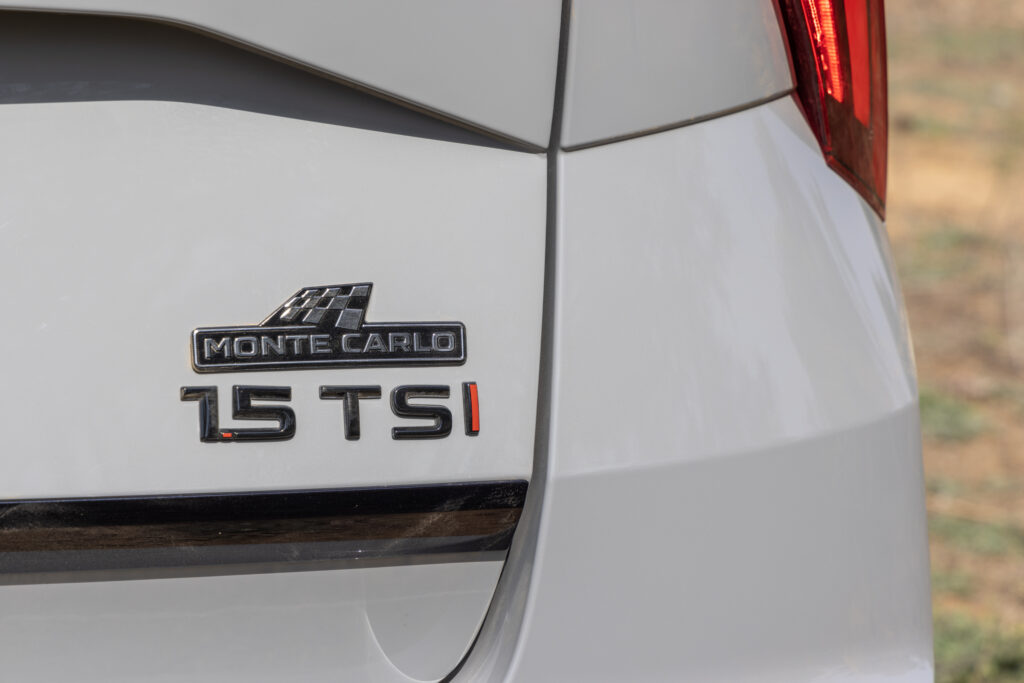
The 1.5-litre TSI continues with its 7-speed DSG, unchanged, and honestly, it needed no changes. It remains the engine to have – quick, smooth, and one of the more characterful powertrains in the segment. The 1.5-litre also now gets disc brakes on all four corners, a detail that matters if you’re doing the kind of driving this car’s suspension setup encourages.
THE PART THAT HASN’T CHANGED (AND SHOULDN’T)
Here is where the Kushaq continues to make its most compelling argument. The suspension remains firm. Skoda’s engineers have chosen not to soften it, and that is a deliberate decision. Through corners, the Kushaq feels composed in a way that few cars in this segment do. At speed, there is a confidence and a precision to its responses that you simply don’t find in the Creta or the Seltos, which are more forgiving, more accommodating, more comfortable to passengers who just want to be ferried from point A to B. If that is your priority, the Kushaq is not your car. Both the Seltos and the Sierra offer more on the features front, more space, and a more presence-heavy road stance.
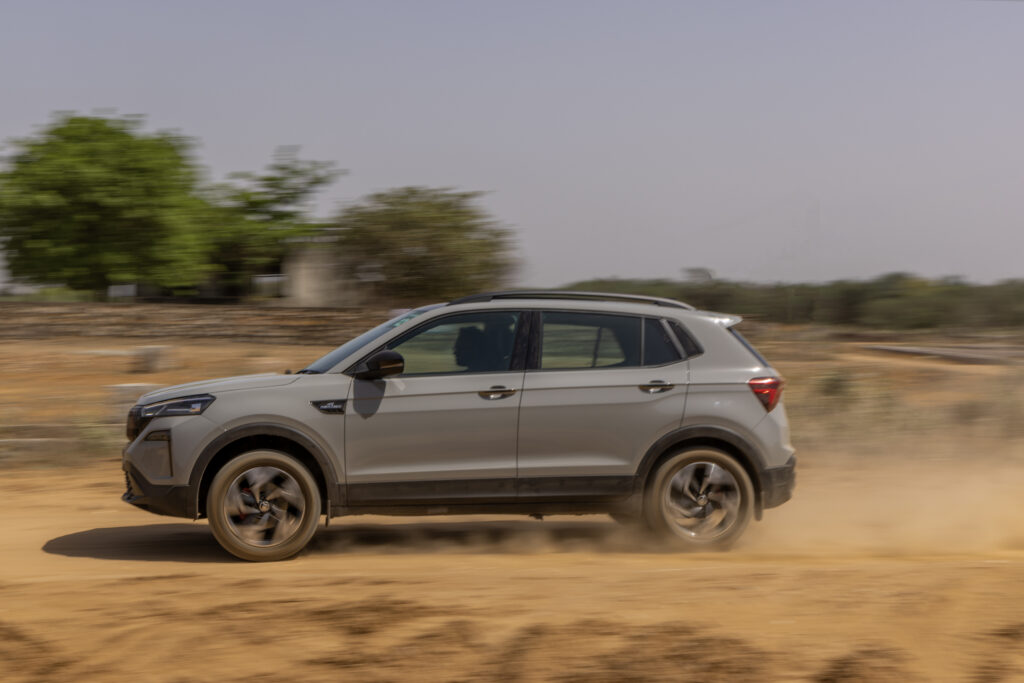
But if you are the person who actually enjoys driving – who notices the way the car responds when you ask something of it, who appreciates a taut, well-resolved chassis – the Kushaq remains in a class of its own in this segment.
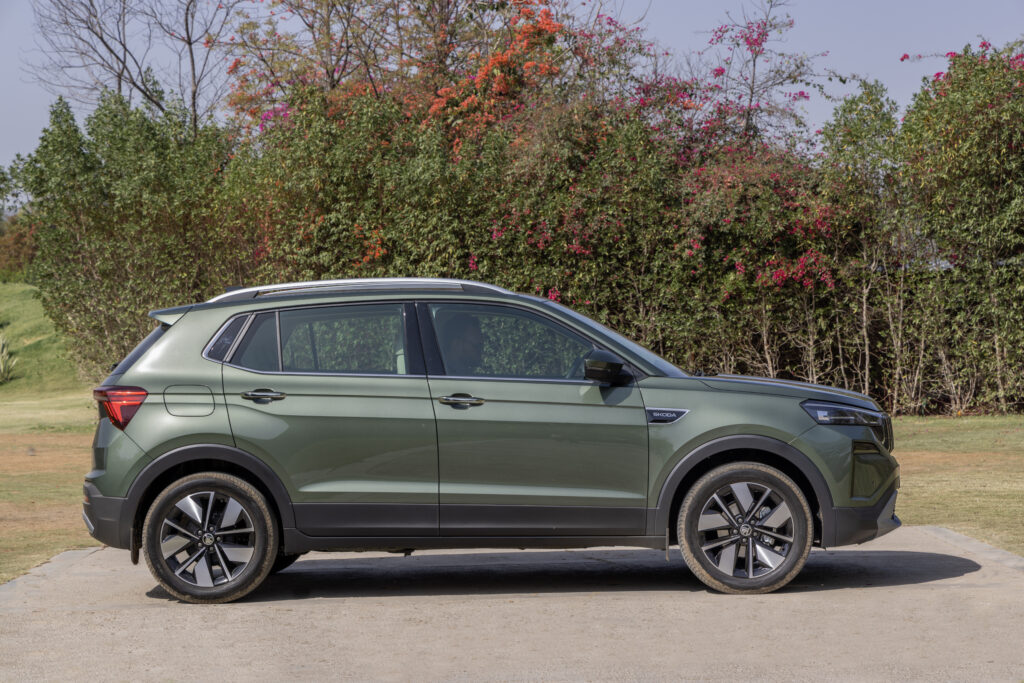
THE VERDICT
The 2026 Kushaq facelift is a measured update. Skoda has kept it fresh where it needed freshening – the design is sharper, the feature count is more competitive, and the new torque converter for the 1.0-litre opens the car up to a wider audience. But the fundamental personality of the Kushaq is intact in a segment that is increasingly converging on the same formula, which matters.
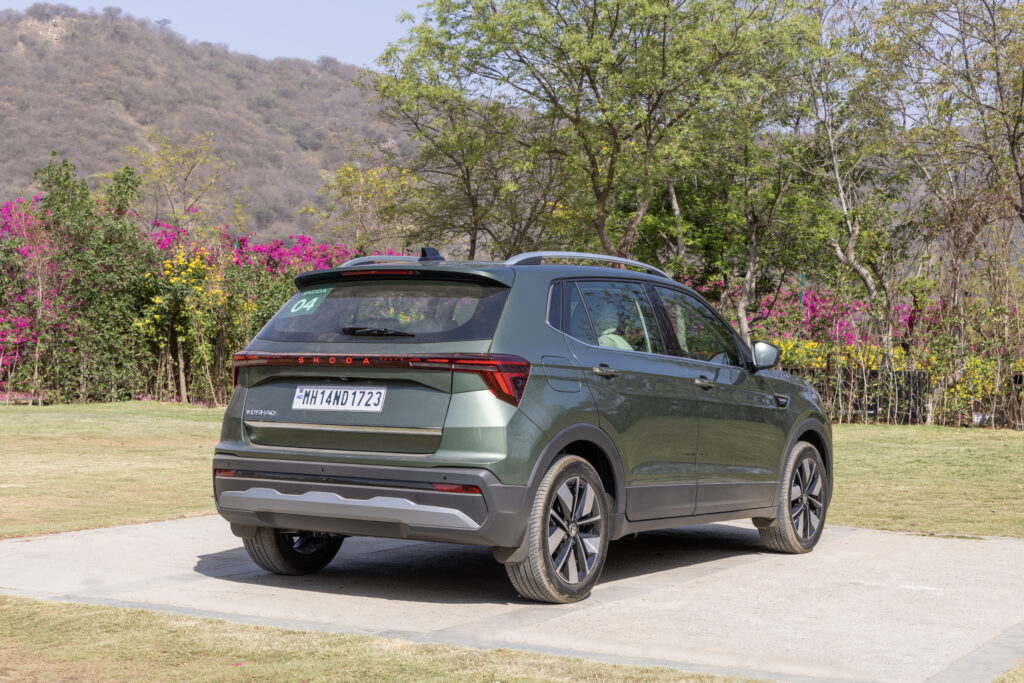
Skoda has priced the facelift between Rs 10.69 lakh and Rs 18.99 lakh, ex-showroom. The base Classic+ now comes with an automatic option at Rs 12.69 lakh, which is a first for the entry-level trim. The facelift makes a more complete package of the Kushaq than it has ever been, without asking you to give up what made it worth considering in the first place.
Shot by: Shreya Somani for Drive Around the Globe (DAG) India