
Why India’s fuel concerns are accelerating a smarter, more electric lifestyle? India is at a point where mobility is no longer just…
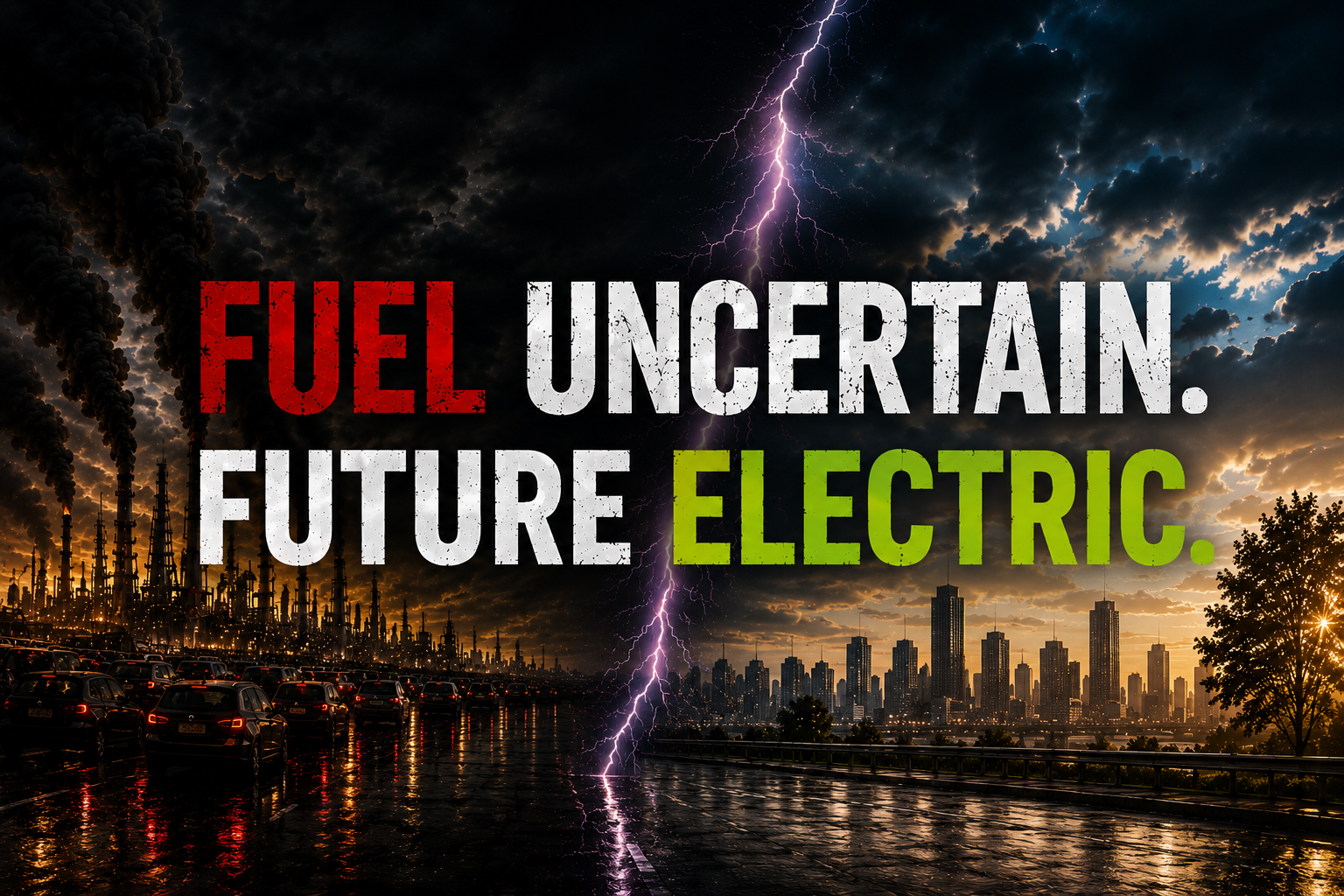
Why India’s fuel concerns are accelerating a smarter, more electric lifestyle?
India is at a point where mobility is no longer just about movement — it is about decision-making.
Rising fuel prices, global uncertainty around oil supply, and a renewed national conversation around reducing consumption, amplified by Prime Minister Narendra Modi, have pushed everyday driving into sharper focus. What was once a background expense is now a visible, recurring cost. What was once routine is now being reconsidered.
And in that reconsideration, something important is happening.
Electric vehicles are no longer being viewed as alternatives. They are beginning to feel like upgrades.
A NATION RETHINKING ABOUT EVERYDAY MOBILITY
For years, fuel price hikes in India followed a familiar pattern. There would be outrage, discussion, adjustment, and then acceptance. But today’s context carries a different weight. Fuel costs are no longer just rising; they feel unpredictable. Daily commutes are longer, traffic is heavier, and the cost of simply getting around has become a constant part of urban life.
This is where the shift begins to take shape.
Consumers are no longer looking at cars as one-time purchases defined by showroom price. They are thinking in terms of ownership, calculating what it costs to live with a vehicle over time. The daily drive, the monthly fuel bill, and the long-term expense are now part of the buying decision. And once that lens changes, the conversation around electric mobility begins to make far more sense.
FROM CONSCIOUS CHOICE TO SMART UPGRADE
The early EV narrative in India leaned heavily on responsibility. It was about sustainability, about reducing emissions, about doing the right thing. While that narrative still holds value, it is no longer the primary driver.
Today, the shift feels more personal.
Electric vehicles are being seen as smarter, more efficient, and better aligned with modern living. The experience itself is different. Charging replaces refuelling. Silence replaces mechanical noise. Instant torque replaces the familiar lag of internal combustion. The interface becomes digital, intuitive, and connected.
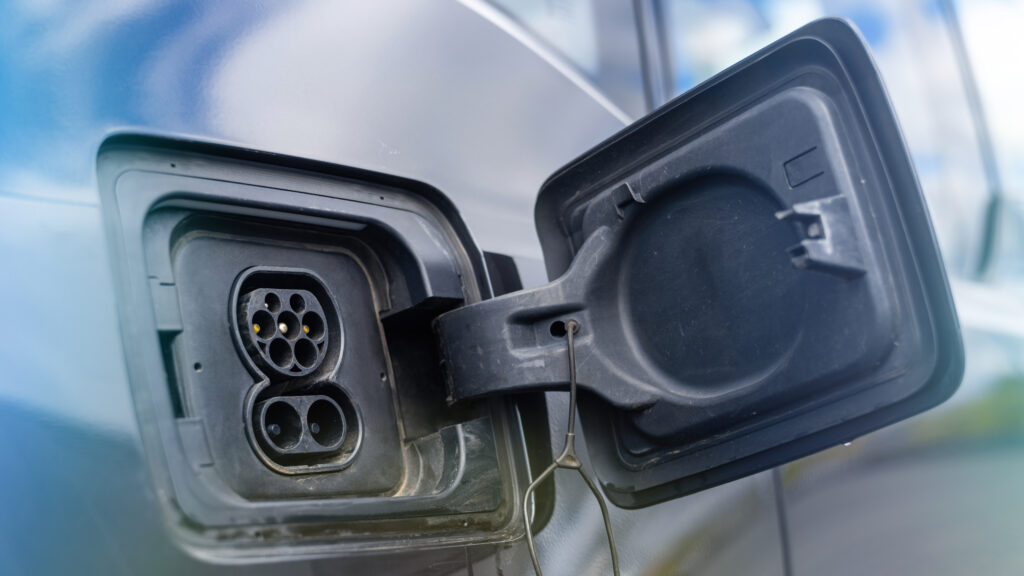
Amit Bhatt, Managing Director at ICCW, reflects this moment clearly when he notes, “We welcome the Hon’ble Prime Minister’s appeal for promoting shared transport, reducing dependence on diesel and petrol, and accelerating the electrification of the transport sector. The transport industry must remain focused on enabling the transition towards cleaner and more efficient mobility solutions.”
What stands out is not just the push for electrification but its inevitability.
This is no longer about convincing consumers.
It is about catching up with them.
THE NUMBERS BEHIND THE SHIFT
The most telling part of India’s EV transition is that it is no longer theoretical. It is visible in real movement.
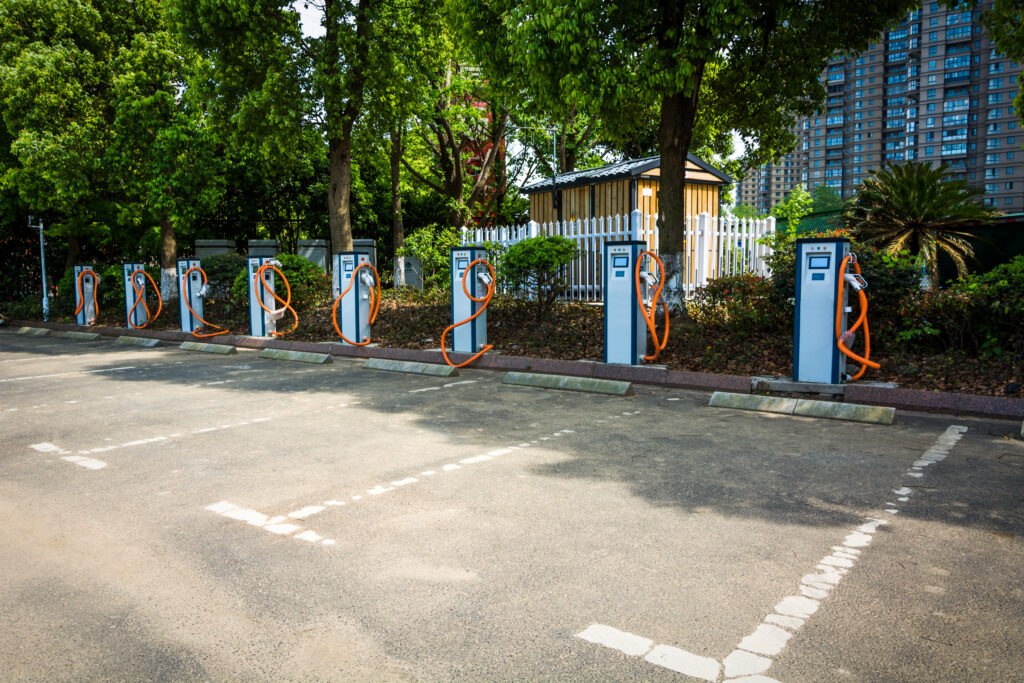
Electric vehicles have seen their share grow from 3.5 per cent to 5.1 per cent in a short span (Source: VAHAN), while registrations have climbed by 68 per cent year-on-year, reaching over twenty-two thousand units in a single month. These are not incremental shifts; they signal growing confidence.
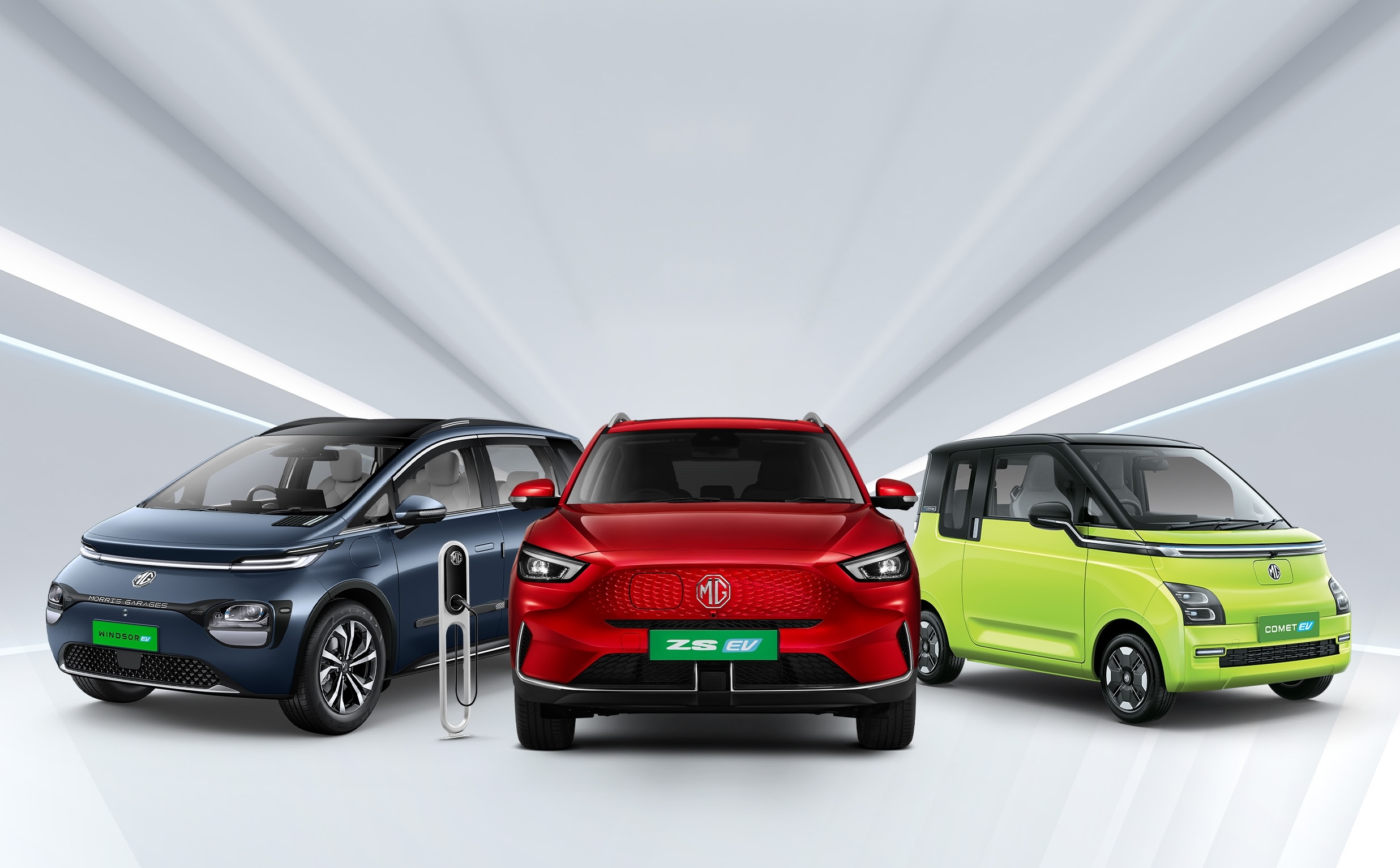
Within this, JSW MG Motor India has seen a notable surge in consumer engagement. The brand reported a 26 per cent rise in customer interest in March compared to the earlier months of the year, alongside a remarkable 111 per cent growth in EV wholesale volumes between 2024 and 2025, with continued momentum into 2026.
These numbers don’t just indicate growth.
They indicate belief.
MG WINDSOR AND THE EVERYDAY EV
The real turning point in any market is when a product stops feeling niche and starts feeling normal.
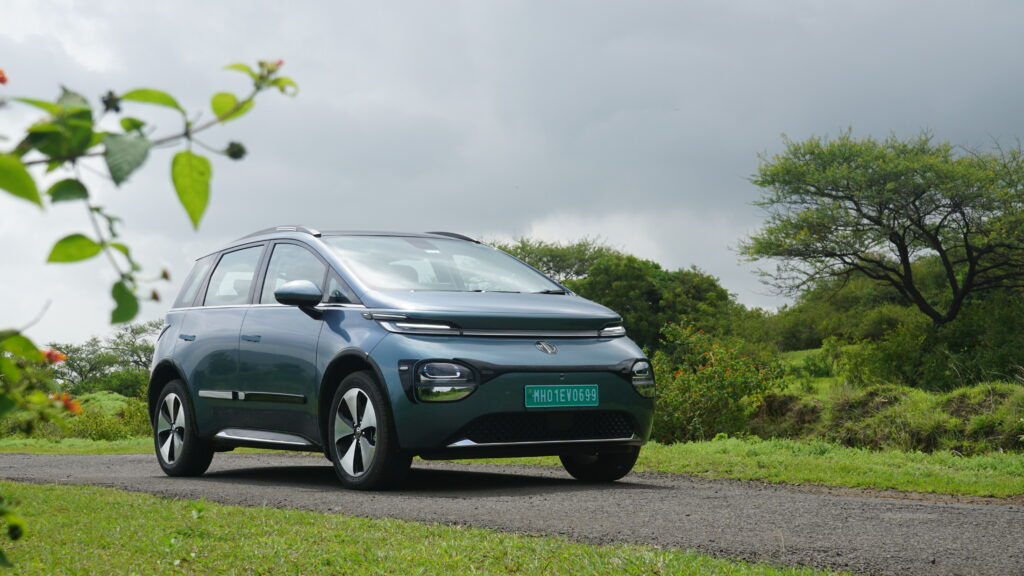
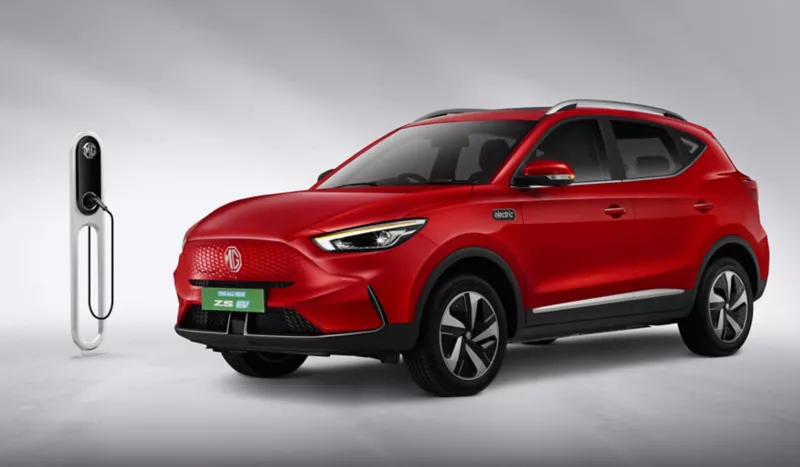
The MG Windsor represents that moment.
Positioned as a practical, city-focused electric vehicle, it doesn’t attempt to reinvent mobility. Instead, it refines it. It fits into daily life without demanding change, and that is precisely why it works.
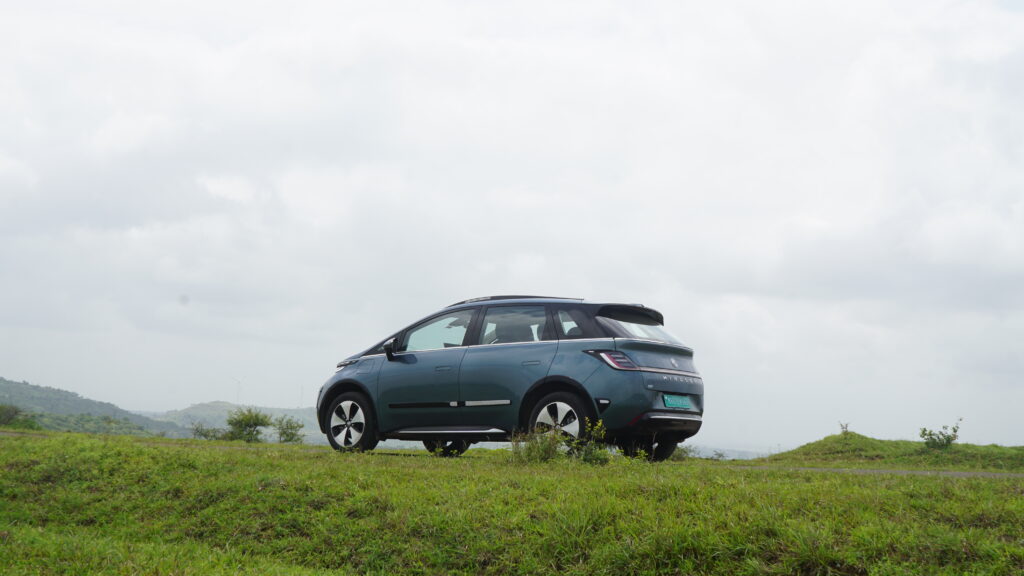
The Windsor has emerged as the highest-selling EV between January and April 2026, reinforcing its role in shaping consumer perception. It offers a balance that Indian buyers have been waiting for — comfort, usability, and a premium experience that doesn’t feel experimental.
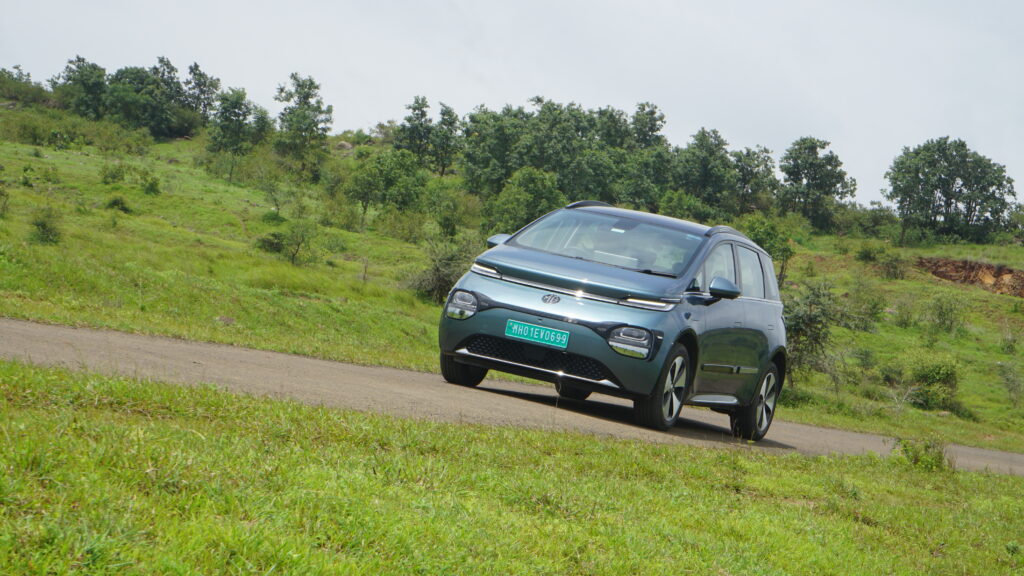
It feels familiar, but better.
And that is often the most powerful kind of innovation.
THE ECONOMICS OF EVERYDAY DRIVING
If there is one factor accelerating the EV shift more than anything else, it is cost.
Fuel is no longer an occasional expense. It is a recurring commitment. For urban drivers, it accounts for a significant portion of monthly spending, especially in traffic-heavy conditions where efficiency drops, and consumption rises.
Electric vehicles offer a different relationship with cost.
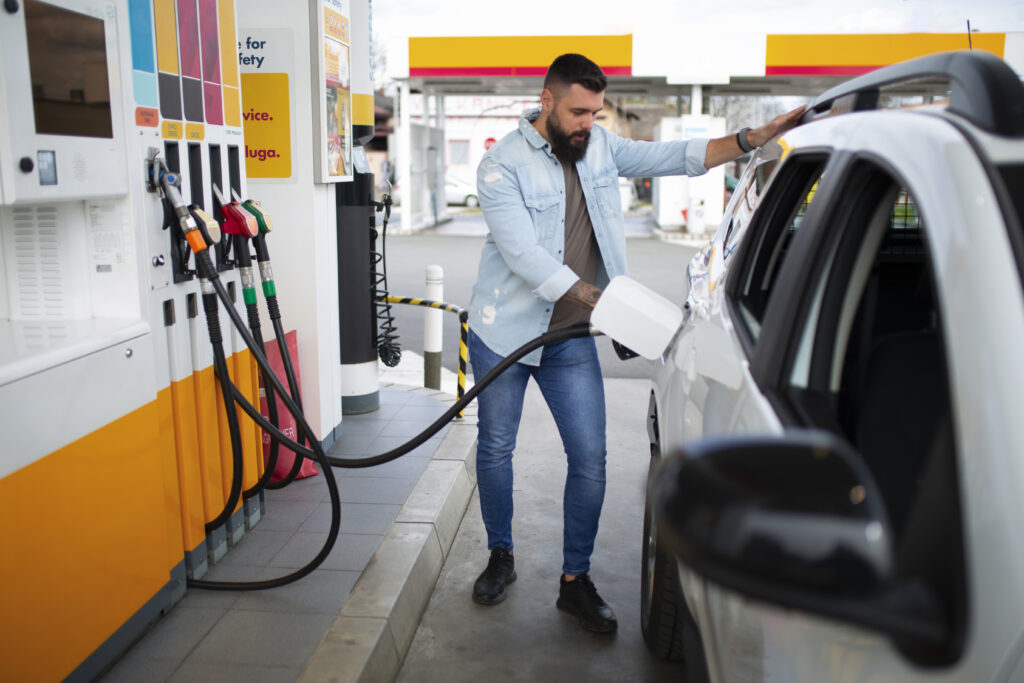
Charging is typically more economical than refuelling, especially when done at home. Maintenance is simplified because EVs eliminate many of the components that require regular servicing in conventional cars. Over time, the savings become noticeable.
Anurag Mehrotra, Managing Director of JSW MG Motor India, captures this shift succinctly: “We appreciate the Honourable PM’s appeal encouraging citizens to make conscious choices that boost savings and reduce FOREX outflow. The auto industry remains optimistic about a rapid shift towards EVs, a technology that is cost-effective for the consumer, supports India’s sustainability goals and helps reduce crude oil imports.”
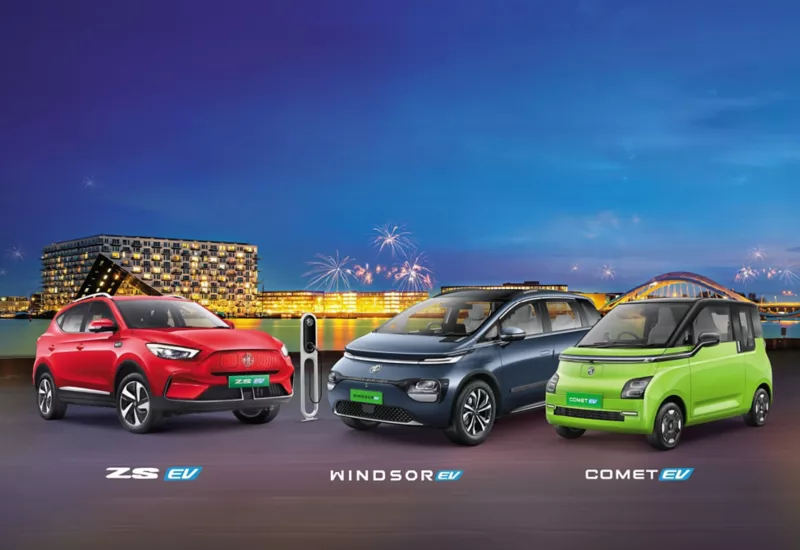
The EV conversation, in that sense, is no longer aspirational.
It is practical.
INFRASTRUCTURE AND THE CONFIDENCE CURVE
For a long time, the EV hesitation in India came down to one question: where do I charge?
That question hasn’t disappeared, but it has softened.
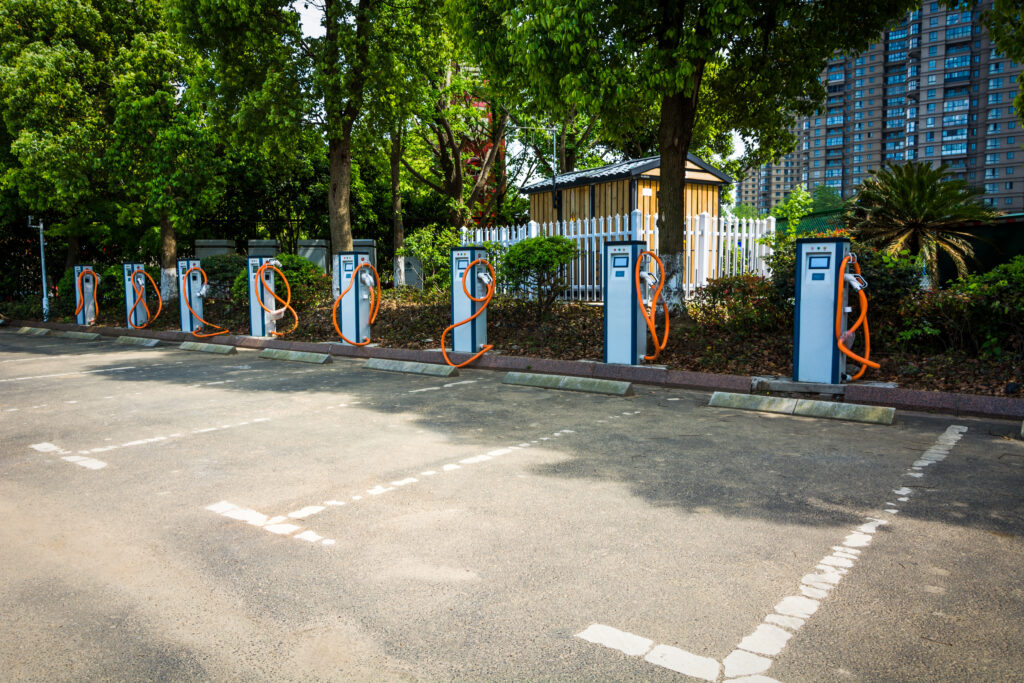
Charging infrastructure is becoming more visible across cities. Residential buildings are adapting. Offices are integrating charging points. Public spaces are beginning to support EV users. Highways are gradually becoming more accessible.
More importantly, home charging is no longer seen as complicated.
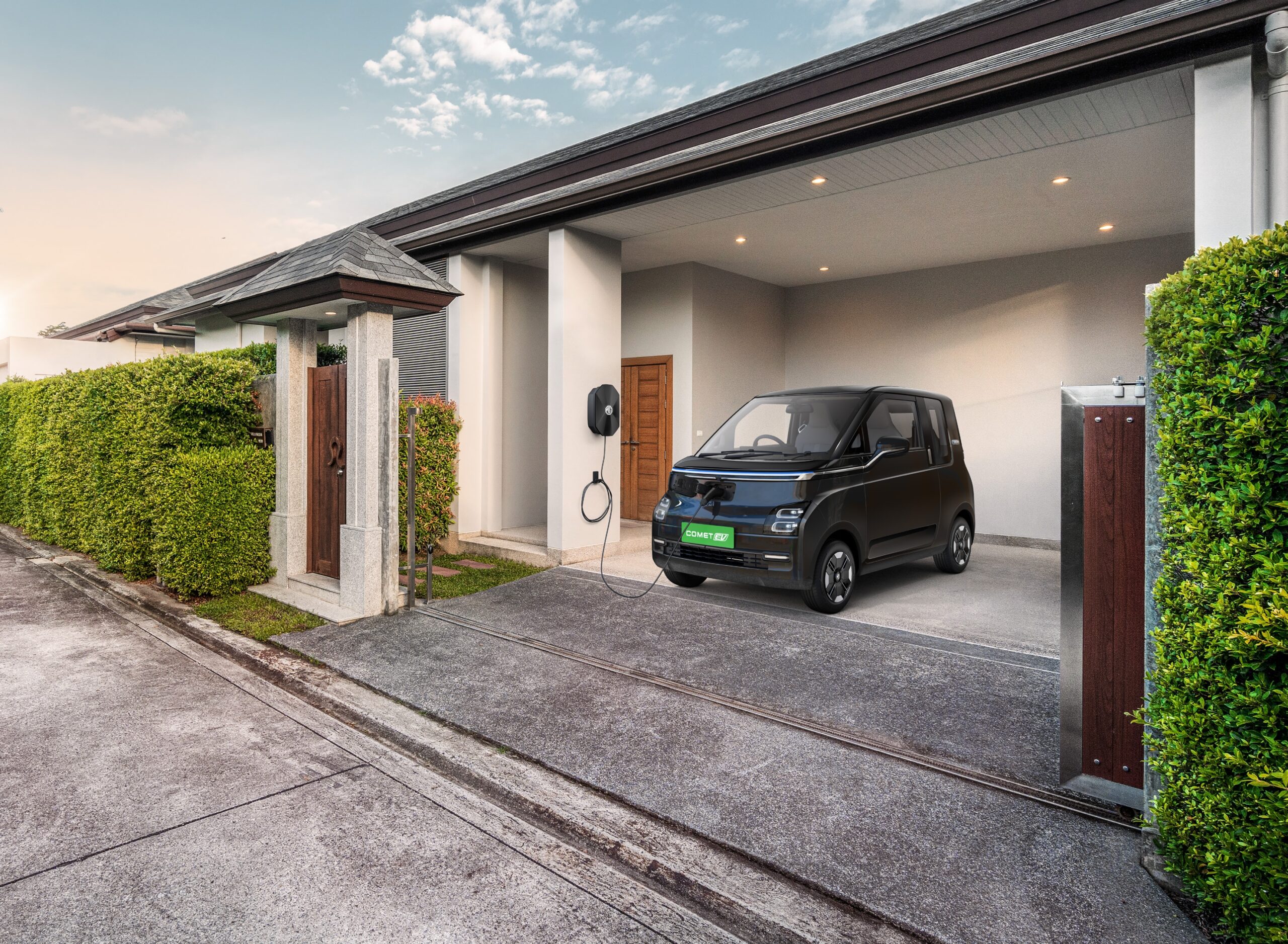
This creates a shift in confidence.
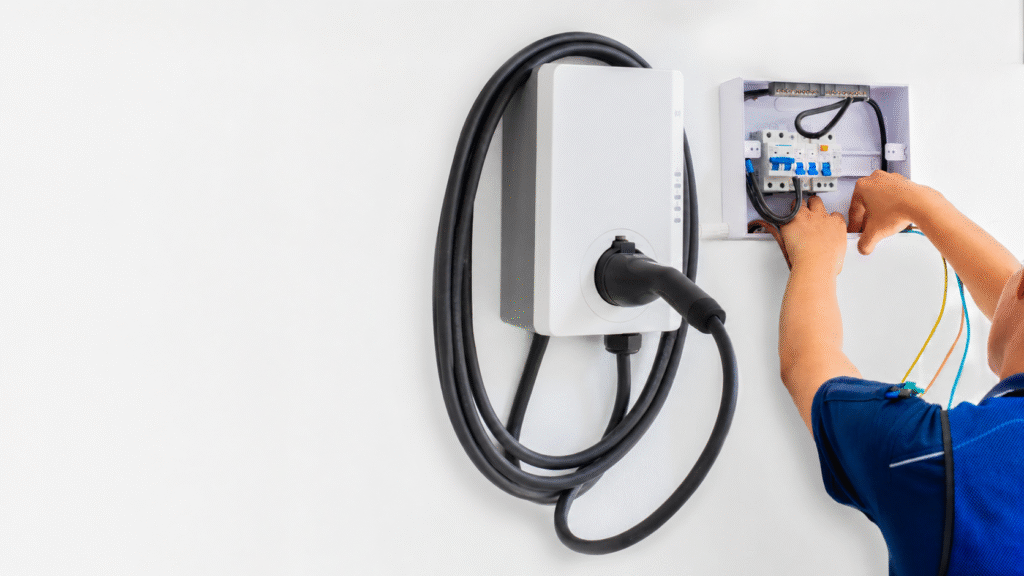
Consumers don’t need perfection. They need reassurance. And that reassurance is growing with every new charger installed, every EV spotted on the road, every conversation that moves from doubt to familiarity.
REDEFINING URBAN LUXURY
Electric vehicles are also quietly redefining what luxury means.
It is no longer just about power figures or engine notes. It is about how a car feels in everyday use. Silence, smoothness, and simplicity are becoming markers of premium mobility.
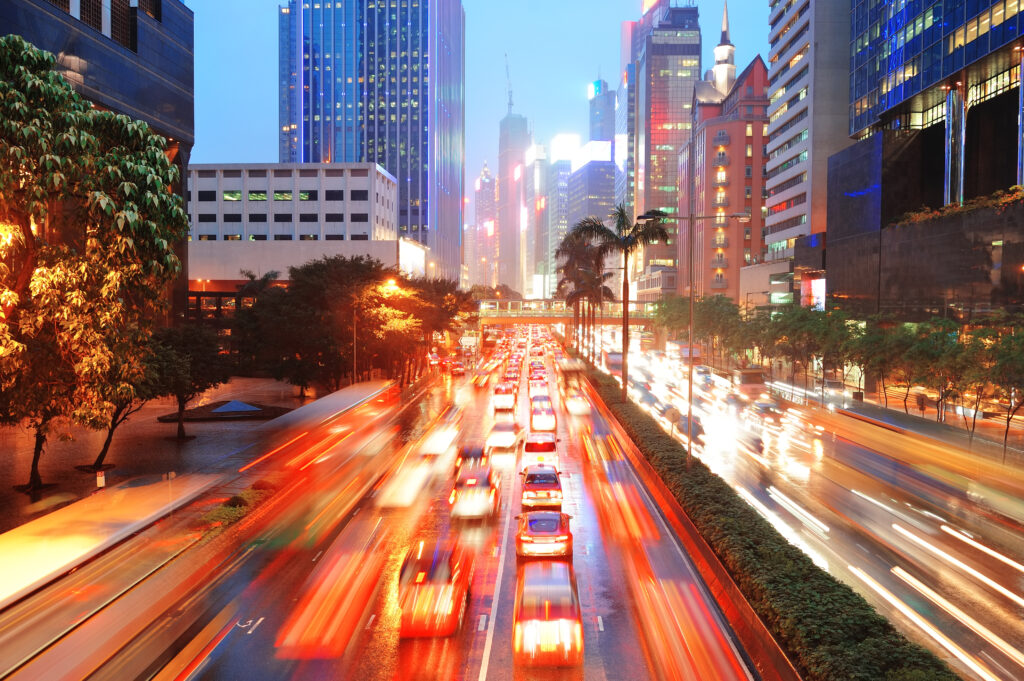
In dense city traffic, where driving can often feel exhausting, the absence of vibration and noise changes the experience entirely. The cabin feels calmer. The drive feels lighter. The interaction feels more refined.
This is not traditional luxury.
It is modern luxury.
And it is far more relevant to how cities function today.
A GENERATION THAT’S ALREADY ALIGNED
India’s younger buyers are not adopting EVs; they are naturally aligning with them.
This is a generation shaped by technology, accustomed to connected ecosystems, and comfortable with digital interfaces. For them, an EV feels less like a shift and more like an extension of how they already live.
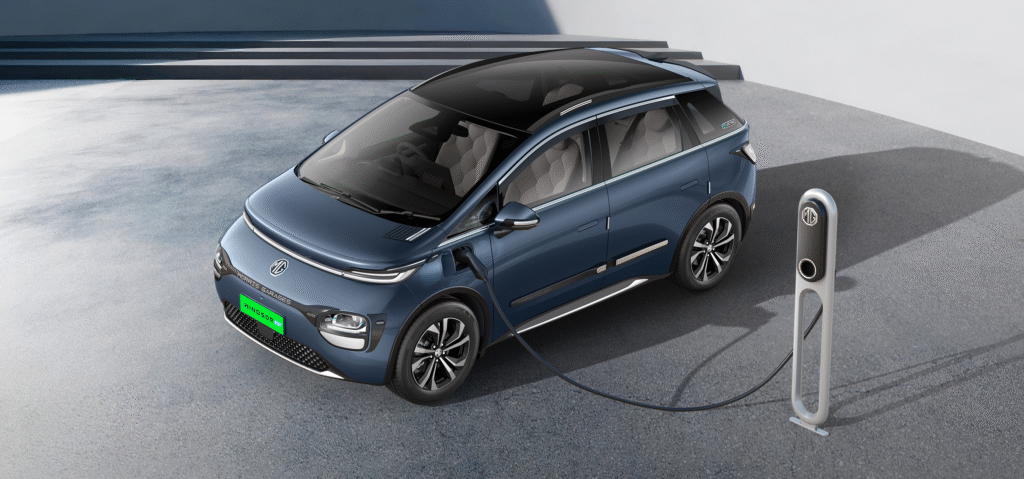
Ownership becomes simpler. Interaction becomes smarter. The entire experience feels intuitive.
And perhaps most importantly, it signals something.
Choosing an EV today reflects awareness, intent, and a forward-looking mindset. In a culture where mobility often mirrors identity, that carries weight.
WHY THIS MOMENT FEELS DIFFERENT
India has spoken about electric mobility for years, but this moment feels more grounded.
It is no longer driven by distant goals or abstract benefits. It is driven by everyday realities — rising costs, evolving expectations, and a growing awareness of alternatives.
When practicality and aspiration meet, adoption accelerates.
That is exactly what is happening now.
A LIFESTYLE IN MOTION
The EV shift in India is not defined by a single trigger. It is the result of multiple forces coming together — economic pressure, technological maturity, policy direction, and changing consumer behaviour.
But at its core, it remains a simple idea.
A better way to move.
A smarter way to live with mobility.
And increasingly, that way is electric.