
More than a battery-powered Harrier, this is a thoughtfully engineered premium SUV. Electric vehicles have evolved far beyond being niche urban commuters.…

More than a battery-powered Harrier, this is a thoughtfully engineered premium SUV.
Electric vehicles have evolved far beyond being niche urban commuters. Today, they are available across every major vehicle segment, from compact city cars to premium family SUVs. As charging infrastructure continues to expand and battery technology improves, the conversation has shifted from whether an EV can manage everyday duties to whether it can genuinely replace a conventional SUV without compromise.
That is exactly the challenge Tata Motors has taken on with the Harrier.ev. Rather than simply converting an existing SUV into an electric vehicle, the company has carefully re-engineered the Harrier to deliver the comfort, practicality and confidence buyers expect from a premium SUV while embracing the advantages of electric mobility.
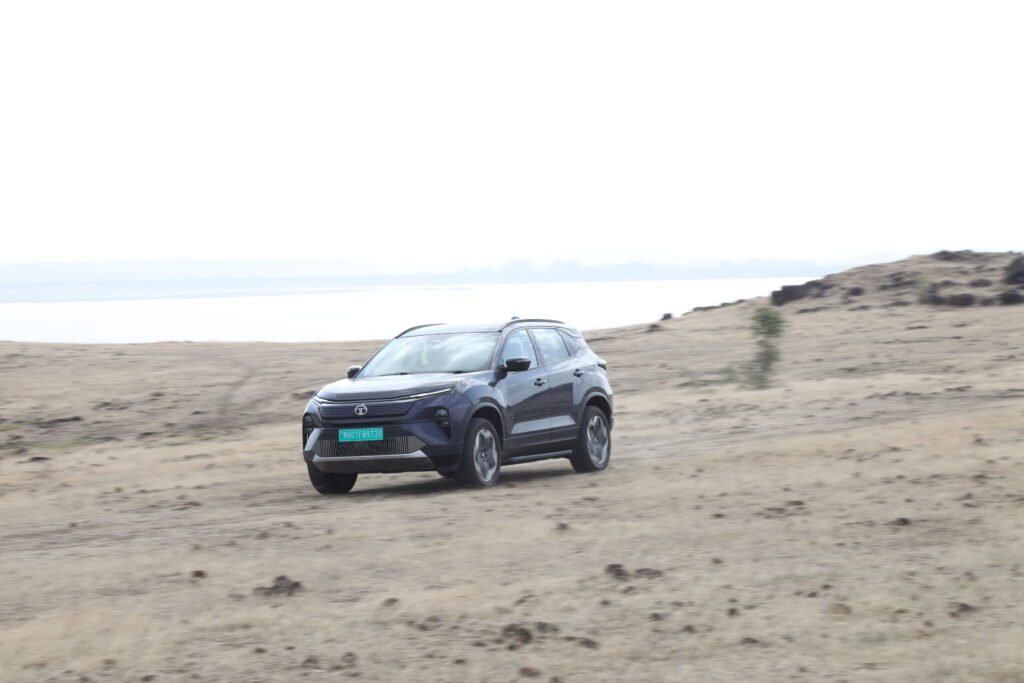
Instead of asking whether this is just another electric SUV, the more important question becomes whether it can realistically replace the primary SUV in your garage. After spending time with the Harrier.ev, it quickly becomes clear that Tata’s focus extends far beyond electrification. The vehicle has been designed to offer a familiar ownership experience while introducing the refinement and performance benefits that come with an advanced electric powertrain.
Rather than chasing futuristic styling or creating a completely different identity, Tata has chosen evolution over revolution. The Harrier.ev retains everything that made the original SUV popular while introducing meaningful engineering improvements beneath the surface. The result is an electric SUV that feels less like an experiment and more like the natural next step in the Harrier’s journey.
FAMILIAR YET FRESH
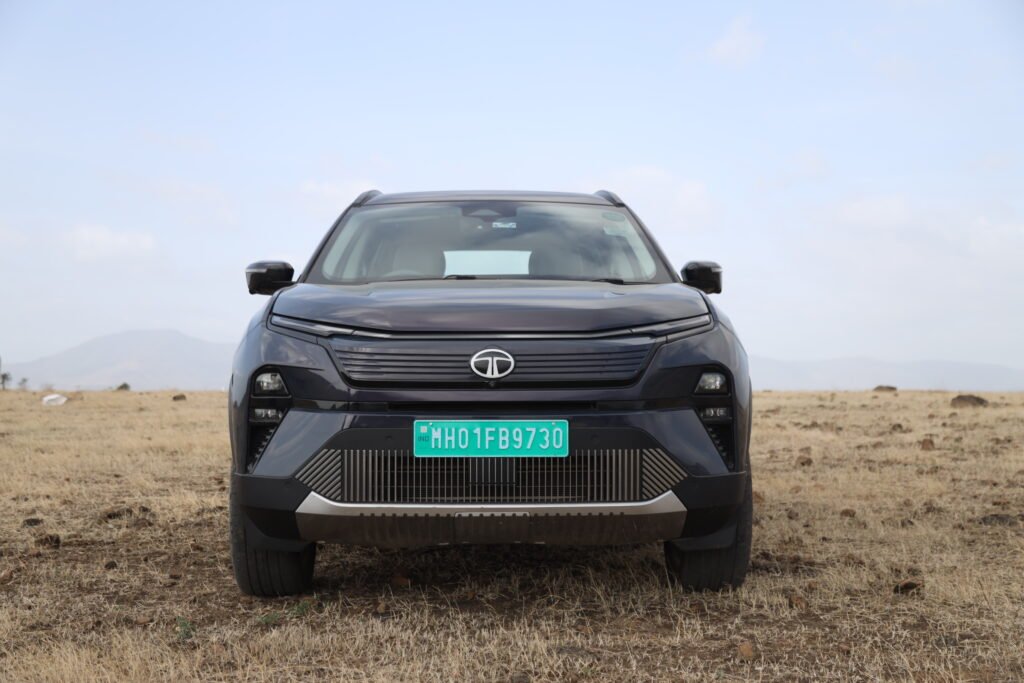
At first glance, the Harrier.ev is unmistakably a member of the Harrier family. Its muscular proportions, commanding stance and bold SUV silhouette remain intact, preserving the strong road presence that has always been one of the model’s defining characteristics.
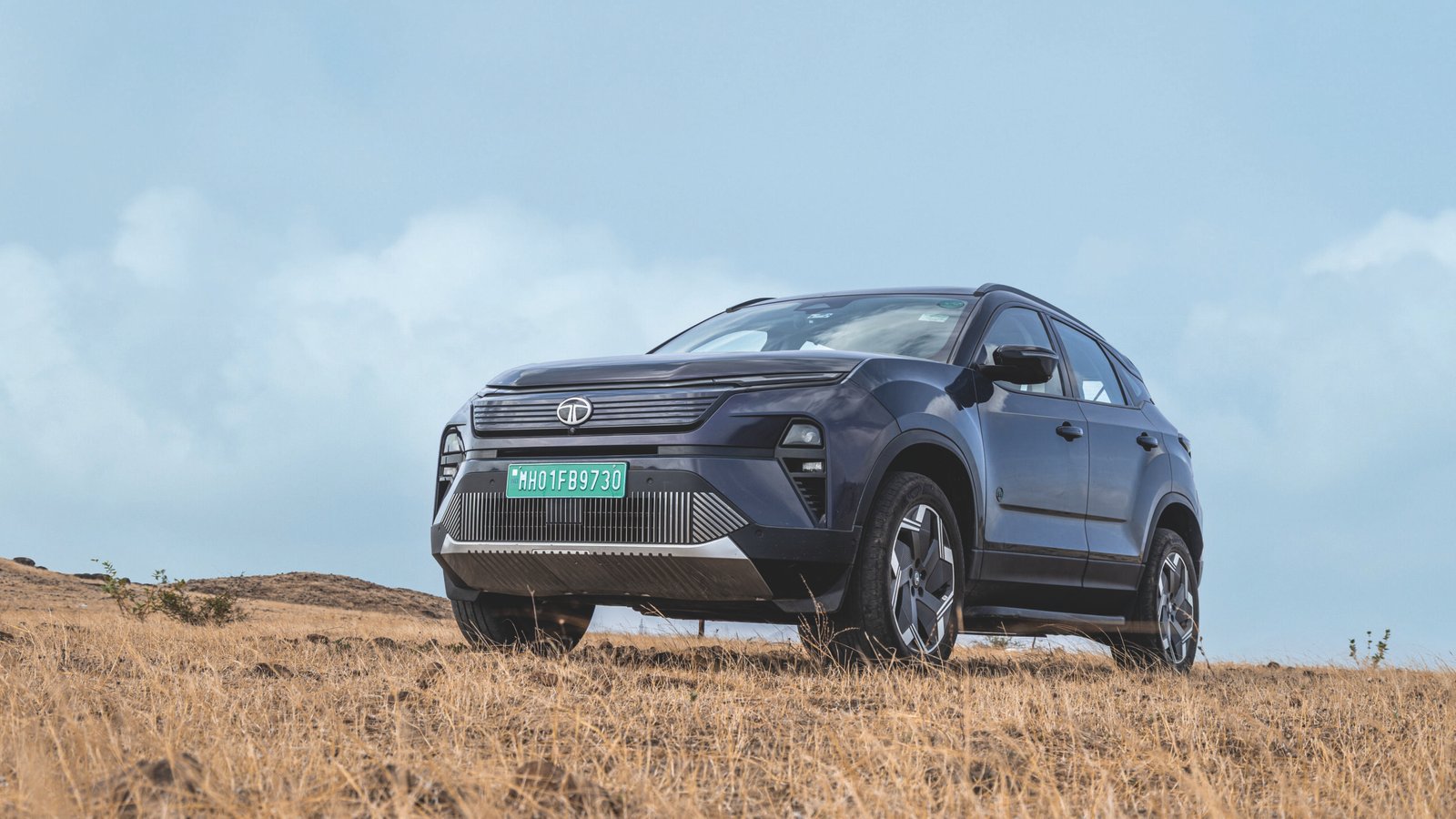
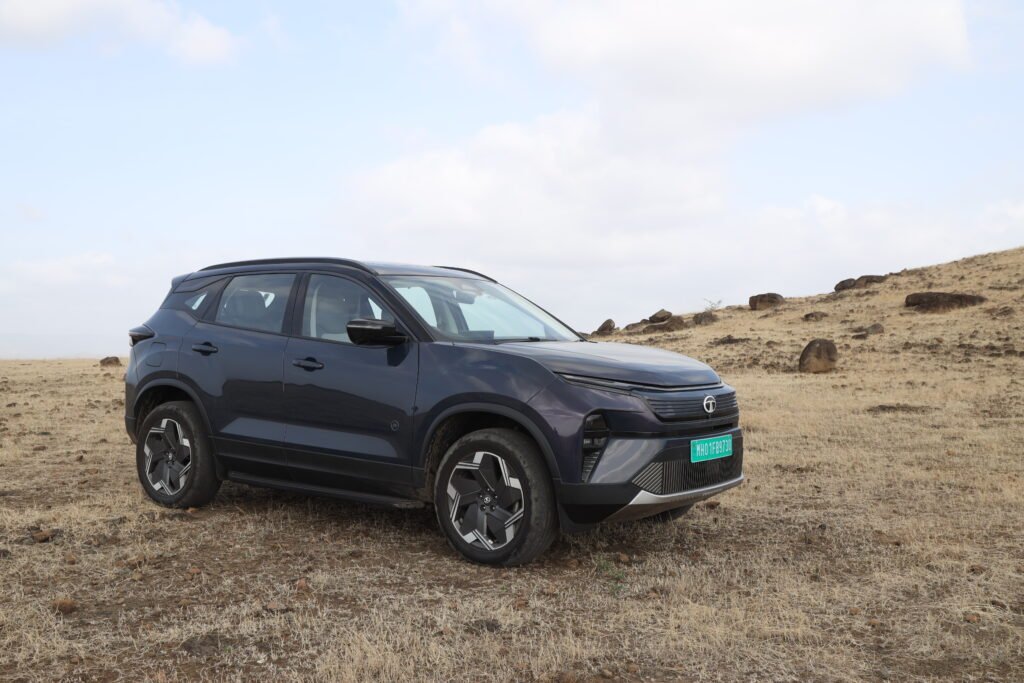
A closer inspection reveals subtle but purposeful updates. The sealed front fascia improves aerodynamic efficiency while maintaining the familiar Harrier identity. Redesigned alloy wheels help optimise airflow, and carefully integrated EV-specific styling elements distinguish the electric version without making it appear radically different.
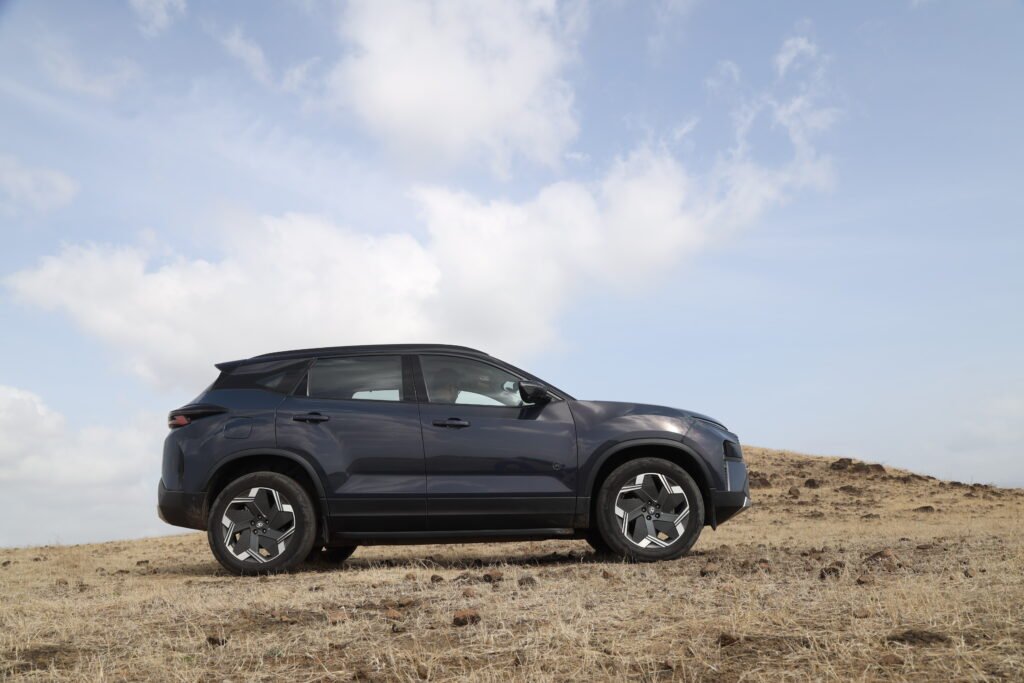
This restrained design approach proves to be one of the Harrier.ev’s biggest strengths. Rather than relying on dramatic futuristic styling to announce its electric credentials, Tata has focused on refinement and maturity. Buyers upgrading from a conventional SUV are likely to appreciate this familiar appearance, making the transition to electric mobility feel natural rather than overwhelming.
The Harrier.ev successfully balances familiarity with freshness. It looks modern without abandoning the characteristics that made the original Harrier such a popular premium SUV. Instead of standing out through unnecessary visual drama, it lets thoughtful design and attention to detail create its identity.
MORE THAN A BATTERY SWAP
One of the biggest misconceptions surrounding the Harrier.ev is that it is simply the standard Harrier fitted with a battery pack. In reality, Tata Motors has extensively reworked the vehicle beneath its familiar bodywork. Built on Tata’s advanced architecture, the SUV benefits from improved chassis rigidity, revised battery integration and a redesigned suspension setup that has been specifically engineered for electric mobility.
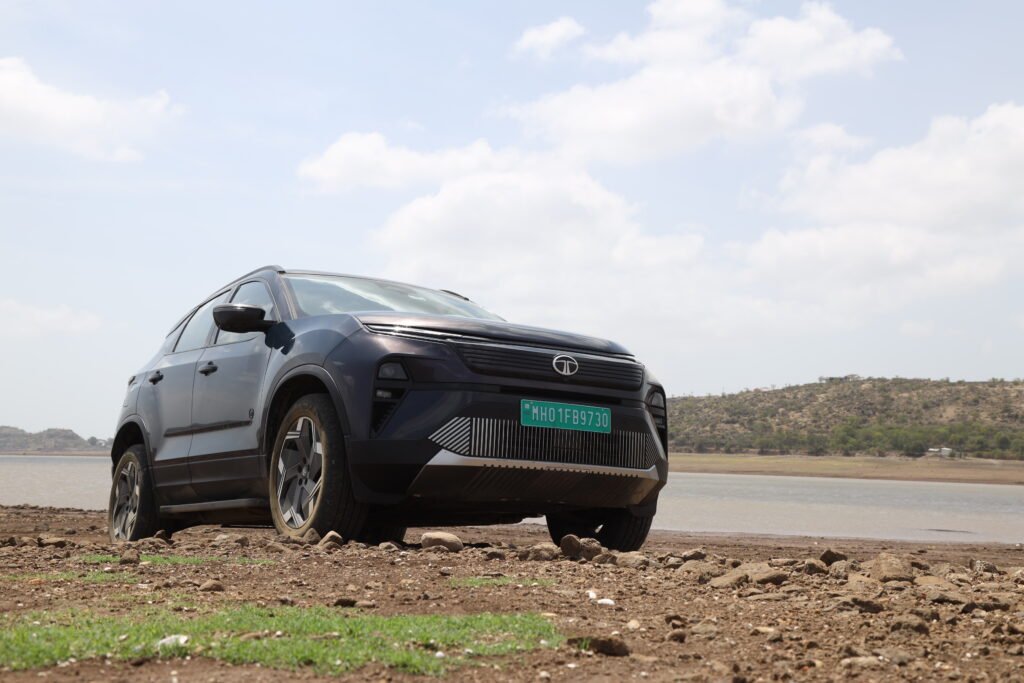
These structural improvements contribute significantly to the way the Harrier.ev behaves on the road. The SUV feels balanced, composed and remarkably refined, demonstrating that its engineering goes far beyond replacing an internal combustion engine with an electric motor.
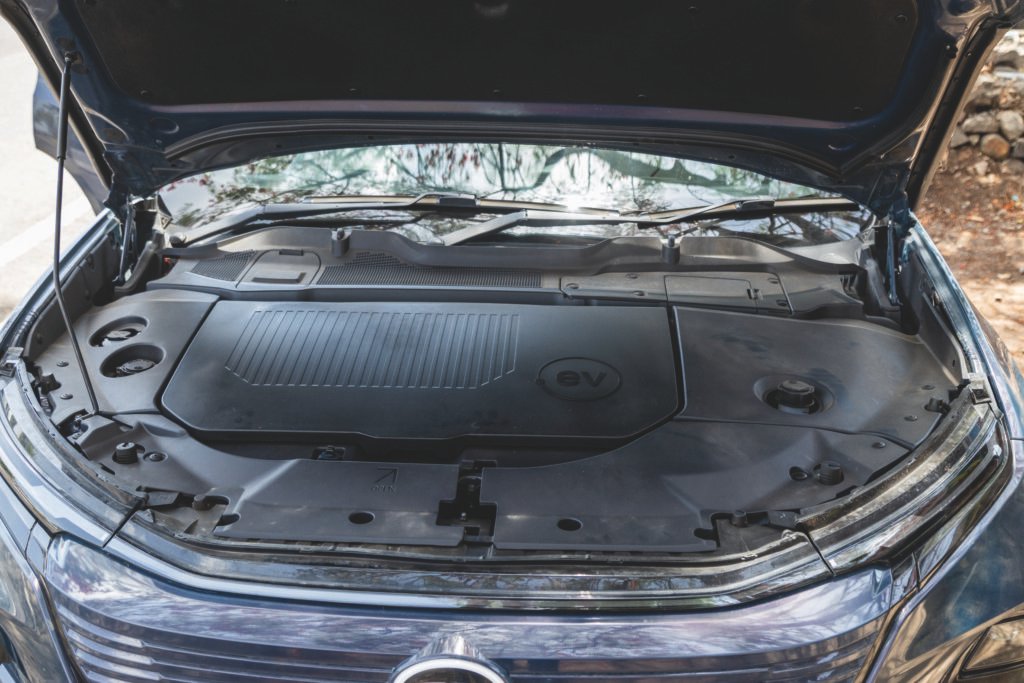
The engineering revisions become apparent almost immediately behind the wheel. Instead of feeling like a conventional SUV carrying the additional weight of a battery pack, the Harrier.ev delivers a balanced and composed driving experience. Weight distribution feels more natural, body movements are well controlled and the vehicle inspires confidence whether navigating city traffic or cruising on the highway.
The improvements extend beyond structural rigidity. Tata has also revised the rear suspension and battery packaging to maximise both ride quality and cabin space. This means passengers continue to enjoy the generous interior accommodation expected from the Harrier name without the compromises sometimes associated with electric vehicle conversions.
The Harrier.ev also raises an interesting question about modern EV development. Does every electric vehicle need to be built on a dedicated electric platform to feel like a purpose-built EV? After spending time with the Harrier.ev, the answer appears to be no. Careful engineering and thoughtful execution can deliver an experience that feels every bit as convincing.
INTELLIGENT PERFORMANCE
Powering the Harrier.ev are two battery pack options: a 65kWh unit and a larger 75kWh battery. The range-topping version combines the larger battery with dual electric motors that produce more than 304bhp and 500Nm of torque, making it one of Tata Motors’ most capable electric SUVs to date.
Our test vehicle featured the fully loaded 75kWh dual-motor configuration, introducing Tata’s Quad Wheel Drive (QWD) technology. Unlike a conventional mechanical four-wheel-drive system, QWD uses independent electric motors on both axles to distribute power intelligently according to available grip and driving conditions.
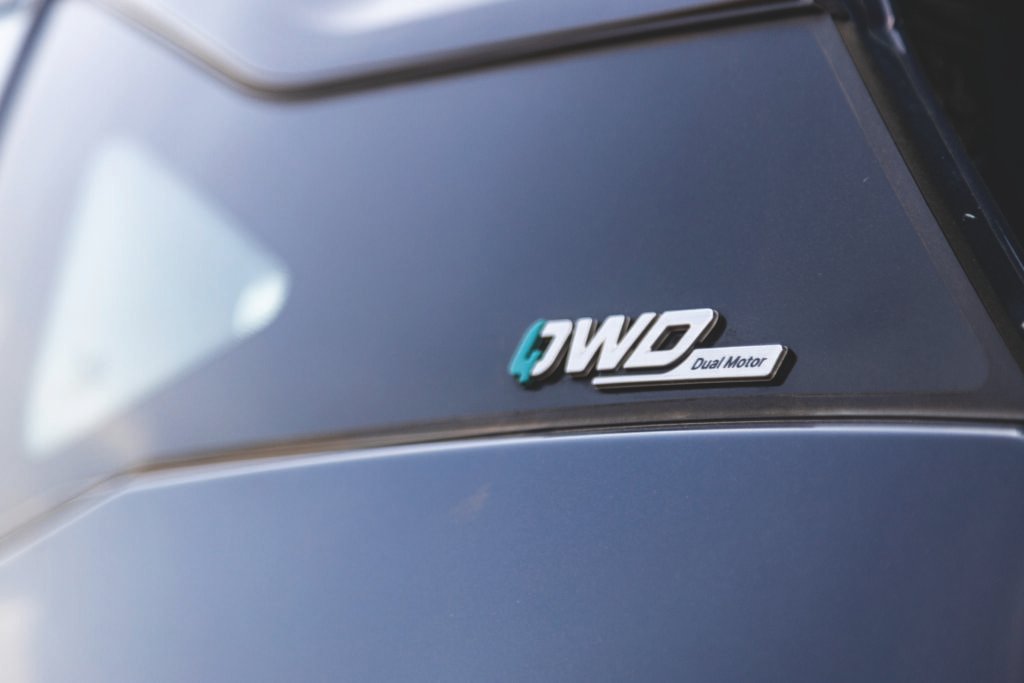
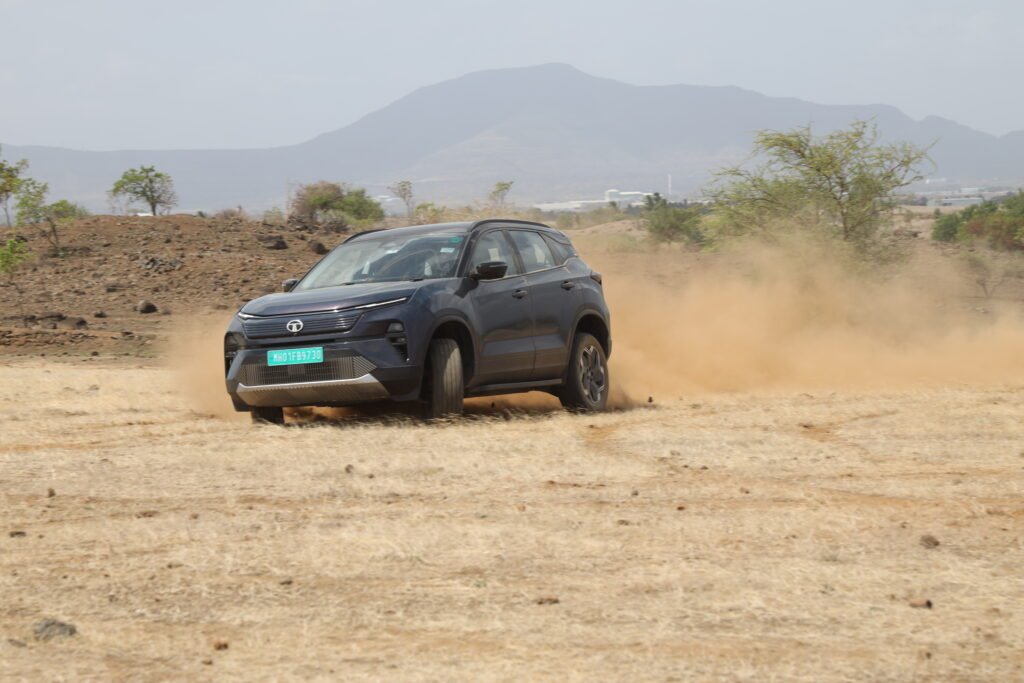
During everyday driving, the rear motor handles most propulsion duties to maximise efficiency. Whenever additional traction or stronger acceleration is required, the front motor seamlessly joins the system, providing extra stability and performance without any noticeable delay. Whether climbing steep inclines, driving through slippery conditions or overtaking slower traffic, power delivery remains smooth, predictable and confidence inspiring.
The Harrier.ev offers four selectable drive modes — Eco, City, Sport and Boost — each tailored to different driving situations. Eco mode prioritises efficiency and delivers relaxed throttle response for maximum range. City mode provides a balanced setup for everyday commuting, while Sport sharpens acceleration and Boost unlocks the vehicle’s full performance potential for quick overtaking and enthusiastic driving.
Despite its impressive output figures, the Harrier.ev never feels intimidating. Acceleration is immediate but progressive, allowing drivers to exploit the available performance without sudden or unsettling bursts of power. This refined calibration makes the SUV equally comfortable for experienced enthusiasts and first-time EV buyers.
Perhaps the most impressive aspect of the Harrier.ev’s performance is how effortlessly it disguises its capabilities. Rather than constantly reminding occupants of its impressive power figures, it behaves like a refined premium SUV that simply delivers instant, silent performance whenever required. That balance between excitement and everyday usability is one of the Harrier.ev’s greatest strengths.
LIVING WITH IT
Range anxiety has long been one of the biggest concerns surrounding electric vehicles, but the Harrier.ev quickly changes that perception. During our drive through Pune city traffic and onto the Pune–Bengaluru Highway, the experience became less about constantly checking the remaining battery percentage and more about simply enjoying the drive.
Charging is equally practical. Using a 120kW DC fast charger, the battery can be replenished from 20 to 80 percent in approximately 25 minutes. For everyday ownership, the supplied 7.2kW AC wall box comfortably handles overnight charging, ensuring the SUV is ready for the next day’s commute without requiring frequent visits to public charging stations.
Before beginning our road test, the Harrier.ev was charged to 100 percent using a 60kW DC fast charger. The instrument cluster then displayed estimated driving ranges across different drive modes and regeneration settings. While these figures naturally vary depending on driving style, terrain and traffic conditions, they provide a useful indication of the vehicle’s real-world capability.
| Drive Mode | No Regeneration | Level 1 Regen | Level 2 Regen | Level 3 Regen |
|---|---|---|---|---|
| Eco | 454 km | 469 km | 479 km | 483 km |
| City | 441 km | 455 km | 464 km | 469 km |
| Sport | 419 km | 432 km | 441 km | 445 km |
| Boost | 397 km | 409 km | 418 km | 422 km |
Although the displayed range changes according to the selected drive mode and regeneration level, the most important takeaway is not the exact numbers. Instead, it is how quickly drivers stop paying attention to them. Once behind the wheel, the Harrier.ev feels reassuring enough that the remaining battery percentage gradually becomes less significant than simply enjoying the journey.
Another noteworthy decision is Tata Motors’ adoption of LFP (Lithium Iron Phosphate) battery chemistry. Rather than focusing purely on rapid charging figures, Tata has prioritised durability, long-term reliability and ownership confidence. It is a practical engineering choice that aligns well with the expectations of family SUV buyers planning to keep their vehicles for many years.
BUILT FOR INDIAN ROADS
If there is one area where the Harrier.ev truly distinguishes itself, it is ride quality. The revised suspension setup absorbs potholes, broken surfaces, expansion joints and uneven roads with remarkable composure, delivering the kind of comfort expected from a premium SUV.
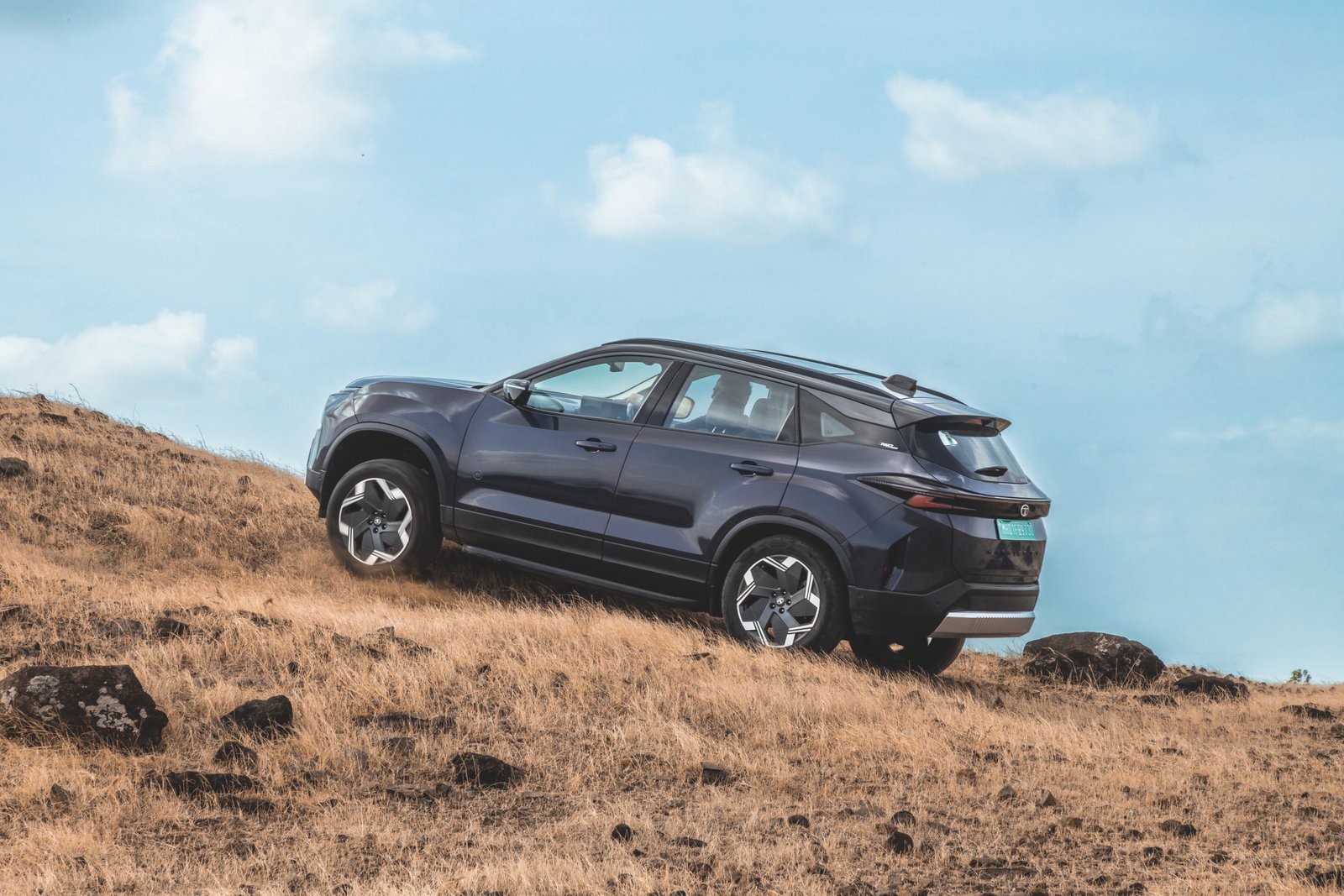
Unlike several performance-focused electric vehicles that attempt to mask their additional weight through stiff suspension tuning, the Harrier.ev embraces comfort without sacrificing confidence. Body control remains impressive, yet the ride never feels harsh, making long-distance journeys considerably more relaxing for both the driver and passengers.
Rear-seat comfort is equally impressive. Even taller occupants benefit from generous headroom, knee room and under-thigh support. Thanks to careful battery packaging beneath the floor, the seating position remains natural and avoids the awkward knees-up posture sometimes found in dedicated electric vehicles.
These qualities reinforce the Harrier.ev’s identity as a genuine long-distance SUV. Rather than feeling like an electric vehicle first and an SUV second, it successfully reverses that equation. It delivers the practicality, comfort and refinement expected from a premium family SUV while quietly introducing the benefits of electric mobility.
TECHNOLOGY THAT MAKES SENSE
The Harrier.ev combines premium materials with technology that genuinely enhances everyday driving rather than overwhelming it. Dominating the dashboard is a crisp Samsung OLED touchscreen that offers intuitive controls, responsive performance and seamless smartphone connectivity.
The infotainment system is complemented by a premium JBL audio setup that delivers impressive sound quality, while the digital inside rear-view mirror provides a clear rearward view even when the cabin is fully occupied or the luggage area is loaded. Features such as Auto Park Assist, Summon Mode and Reverse Assist further improve convenience by making parking and manoeuvring considerably easier in tight urban spaces.
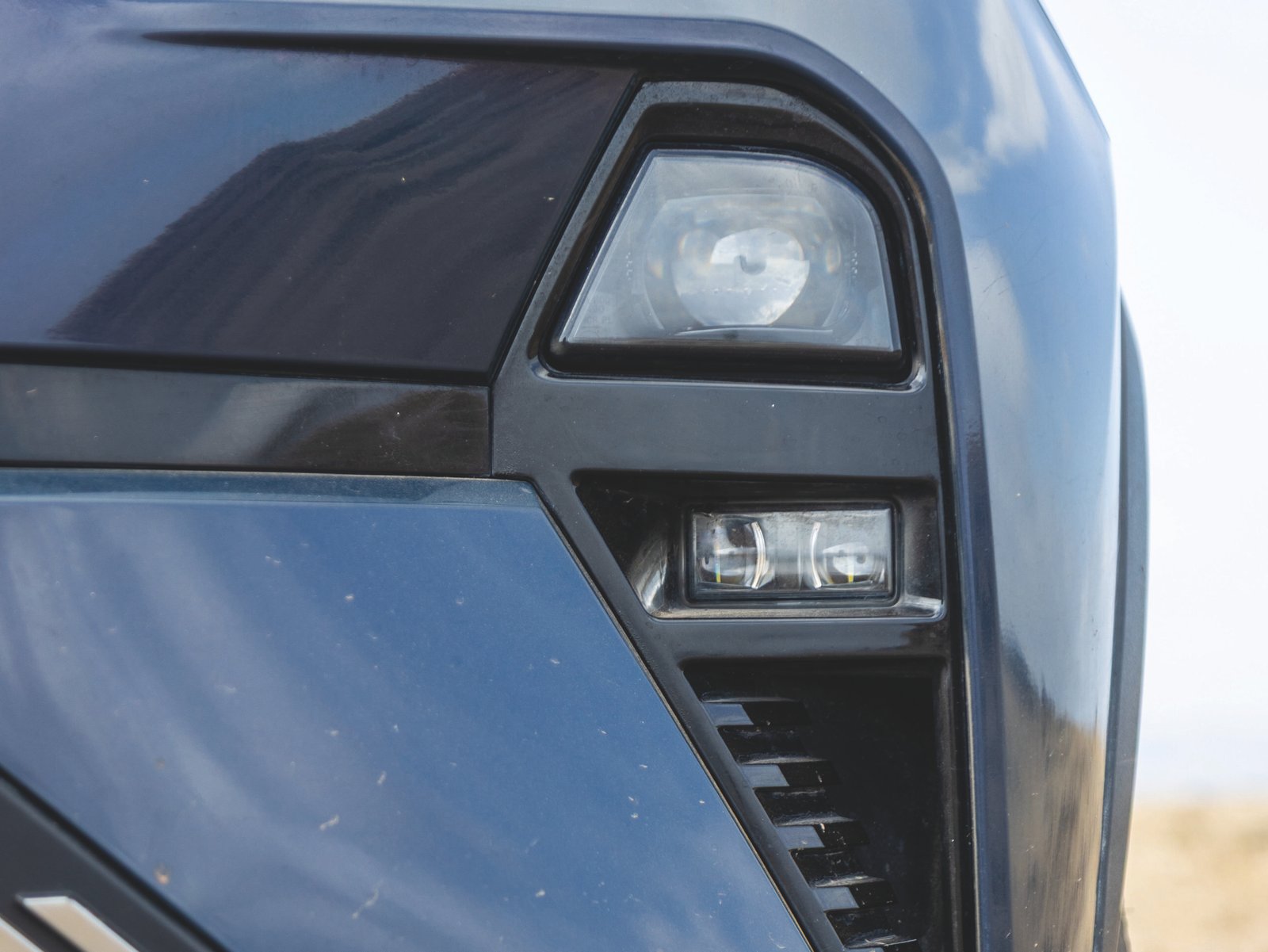
Unlike some modern vehicles where technology often feels excessive, the Harrier.ev adopts a balanced approach. Every feature has been integrated with everyday usability in mind, ensuring drivers benefit from modern conveniences without unnecessary complexity.
The Advanced Driver Assistance Systems (ADAS) also deserve mention. Rather than constantly interrupting the driver with aggressive warnings, the system operates smoothly and predictably. It provides useful assistance while remaining well suited to Indian driving conditions, helping improve safety without becoming intrusive.
Overall, the cabin strikes an excellent balance between premium comfort and intelligent technology. Every element feels thoughtfully integrated, reinforcing the Harrier.ev’s position as a sophisticated family SUV.
WHO SHOULD BUY THE HARRIER.EV?
Priced from ₹21.49 lakh and extending to just under ₹30 lakh (ex-showroom), the Tata Harrier.ev occupies an interesting position in India’s premium electric SUV segment. Rather than competing directly with smaller electric SUVs, it targets buyers looking for a genuine full-size family SUV capable of replacing their conventional petrol or diesel vehicle.
While models such as the Hyundai Creta Electric and Maruti Suzuki eVitara cater to a different segment, the Harrier.ev finds itself competing more directly with premium offerings like the Mahindra XEV 9e. Each takes a different approach. The Mahindra impresses with futuristic styling and an ultra-digital cabin, whereas the Harrier.ev focuses on delivering a balanced package built around comfort, practicality and mature engineering.
Its combination of dual-motor performance, premium ride quality, spacious interior, advanced technology and everyday usability makes it one of the strongest value propositions currently available in the premium electric SUV category. Instead of chasing attention through dramatic styling or gimmicky features, the Harrier.ev concentrates on getting the fundamentals right.
For buyers planning to transition from an internal combustion SUV to an electric vehicle without sacrificing comfort or practicality, the Harrier.ev presents a compelling option. It delivers the familiarity of a traditional premium SUV while quietly introducing the benefits of electric mobility.
VERDIT
The Tata Harrier.ev proves that an electric SUV does not need to reinvent every aspect of the driving experience to be successful. Instead, it demonstrates how thoughtful engineering, refined performance and everyday practicality can come together to create a genuinely capable family SUV.
Throughout our time with the vehicle, the Harrier.ev consistently impressed with its composed ride quality, confident performance, spacious cabin and intelligently integrated technology. More importantly, it never felt like an electric vehicle demanding constant adjustments from its driver. It simply behaved like an excellent premium SUV that happened to be powered by electricity.

In an increasingly competitive EV market filled with futuristic designs and headline-grabbing features, the Harrier.ev succeeds by focusing on what truly matters. It delivers comfort, confidence, practicality and refinement in a package that feels complete and well engineered.
For anyone considering replacing their primary SUV with an electric alternative, the Tata Harrier.ev deserves serious consideration. It may not be the flashiest electric SUV on sale today, but it stands out by delivering one of the most balanced ownership experiences in its segment. Quite simply, it is worth the charge.