The Sierra EV takes the Harrier EV’s powertrain and puts it in a smaller, lighter, better-equipped car. In doing so, it makes…
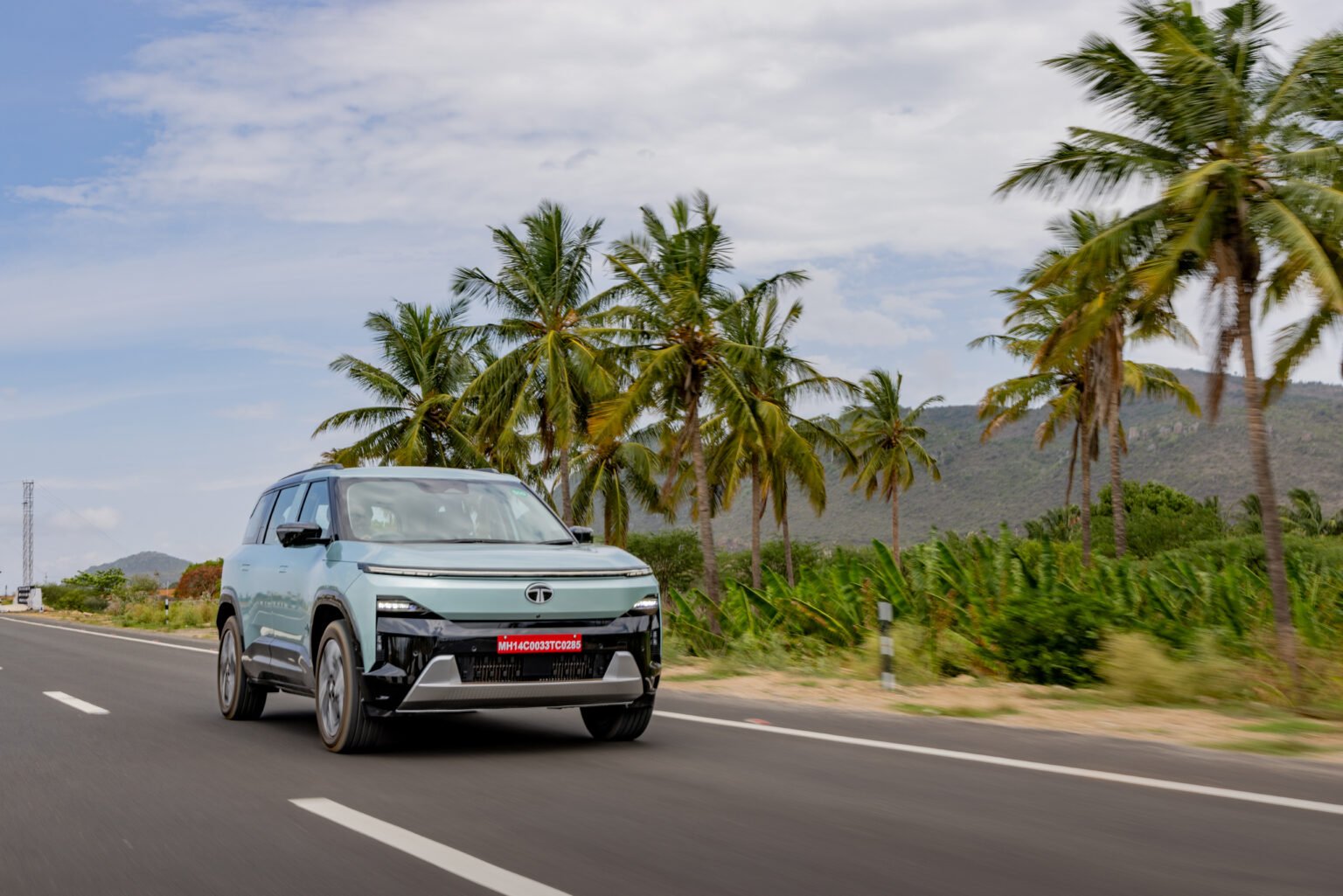
The Sierra EV takes the Harrier EV’s powertrain and puts it in a smaller, lighter, better-equipped car. In doing so, it makes the clearest case yet for what actually replaces the big diesel SUV.
For years we have been asking what replaces the big diesel. Not the badge or the body style, but the sensation. That effortless shove, the way it gathers up a road and carries you along without ever seeming to work at it. The assumption was always that the answer would be a better diesel, cleaner and quieter and more sophisticated. I no longer believe that. I think the answer is electric, and after a day with the Tata Sierra EV, on the road and off it, I think this is the most convincing version of that answer we have had so far.
I should say where this conviction comes from, because it did not begin with this car. A few days before, I drove the Harrier EV to Alibaug and back. On those narrow, winding roads it was a hoot, the ride quality was brilliant, and the powertrain won me over completely. A wave of torque that sweeps you along every time you so much as caress the throttle. That is exactly what the big diesels used to give you, except cleaner, quieter and more immediate. The Sierra EV runs that same powertrain in a car that is smaller, lighter and softer, which is a promising place to start.
THE OUTSIDE
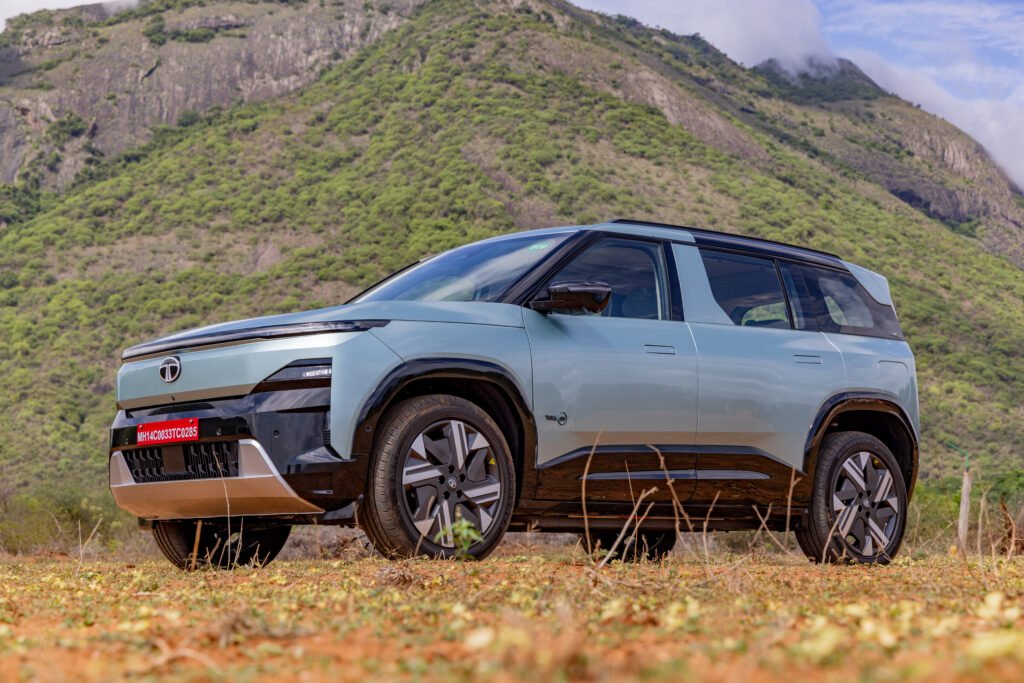
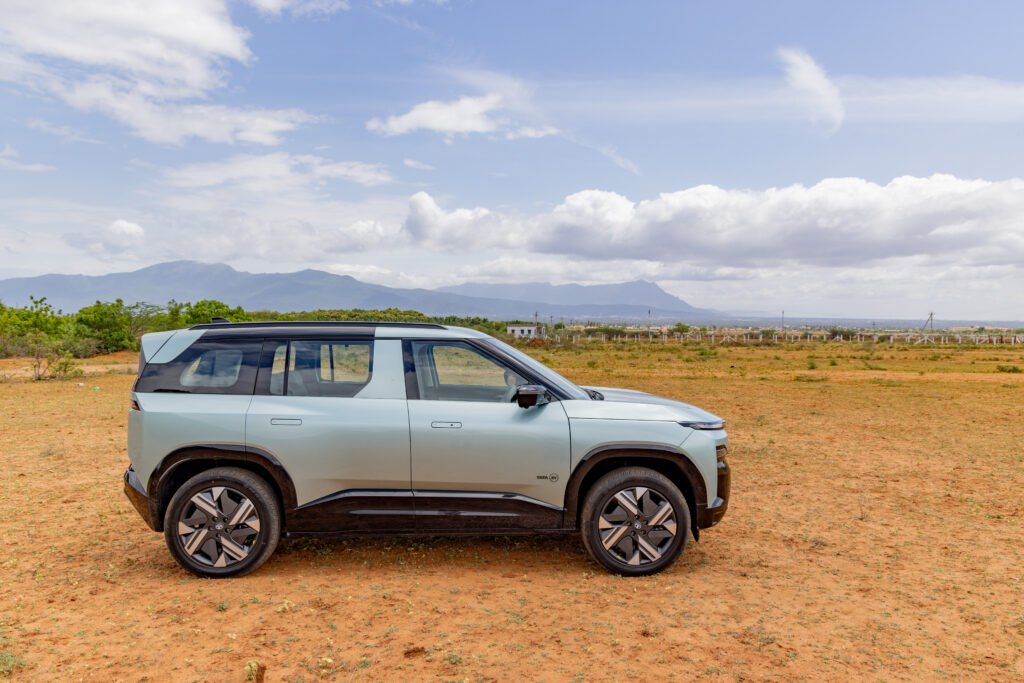
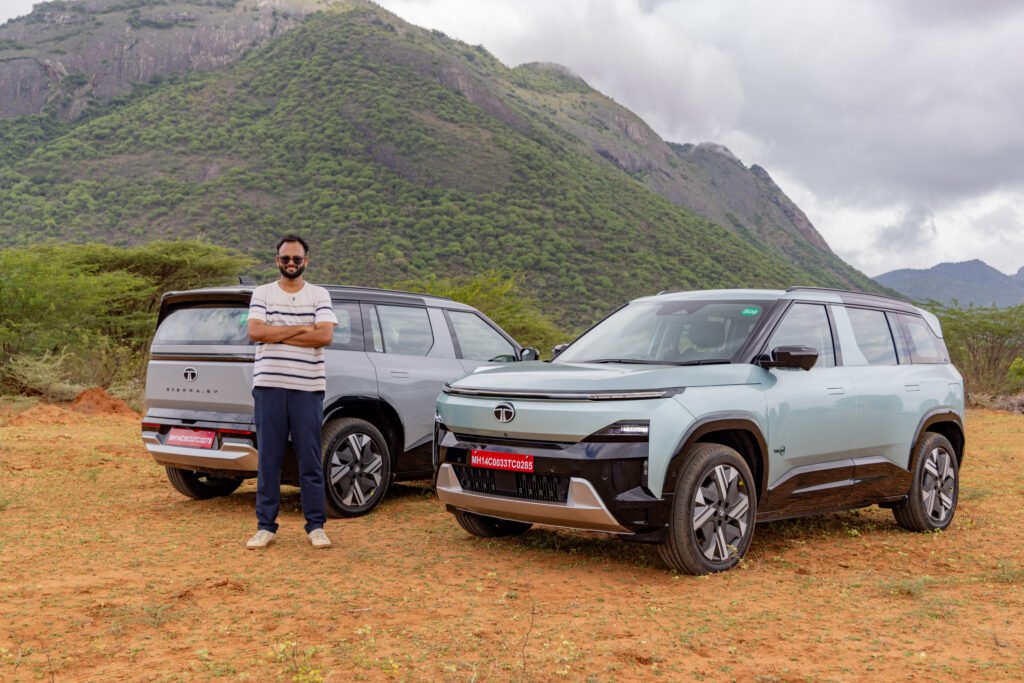
I said at launch that the Sierra was the best looking car in its segment and a day with the EV has not changed my mind. The proportions work, the surfacing is confident, and the stance has presence without shouting. The upright, boxy silhouette does what boxy shapes always do, which is look substantial without looking bloated.
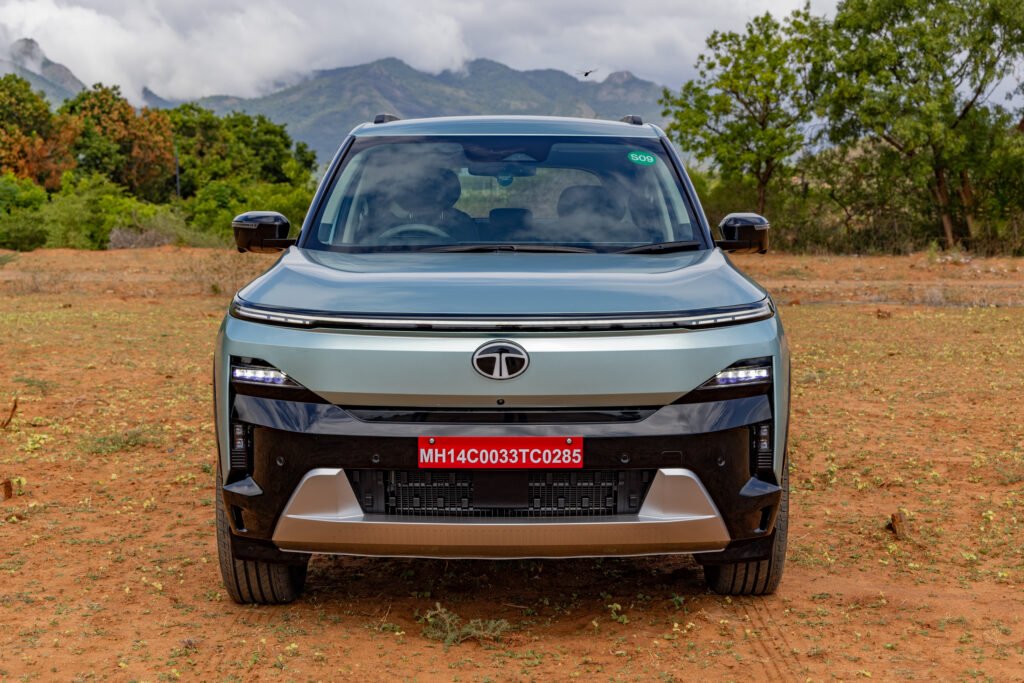
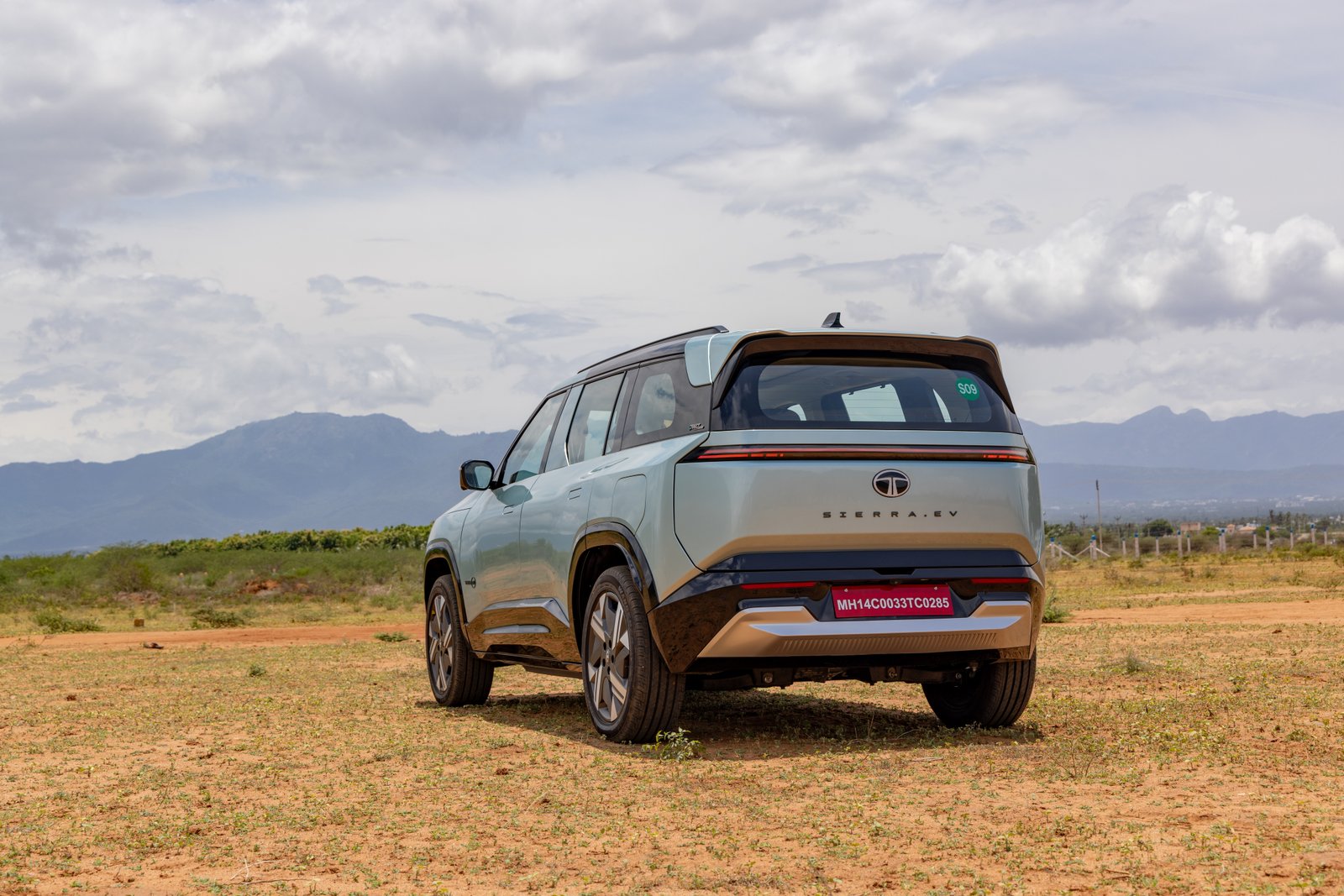
The EV-specific changes are minor and sensibly judged. The front loses the full-width blacked-out section that sits between the light bar and the headlamps on the ICE car, and the Sierra lettering above the Tata emblem is gone. The bumper is different, with considerably more gloss black in it. Everything from the A-pillar back is identical to the petrol and diesel cars save for badging. It rides on eighteen-inch wheels, with nineteens on the higher variants, and ground clearance is a healthy 205mm.
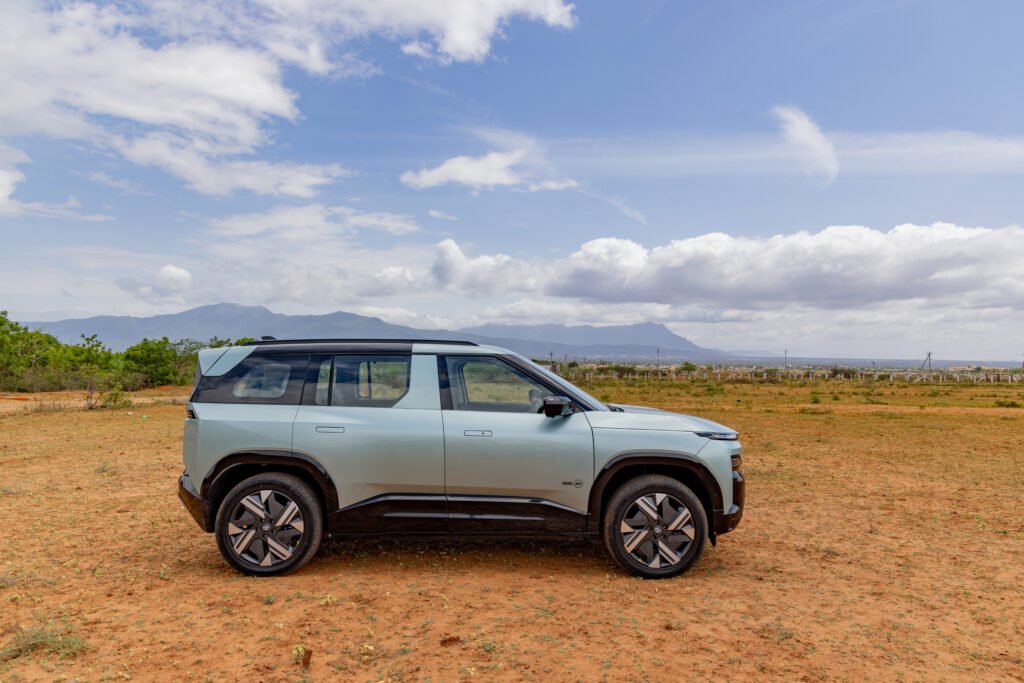
None of this screams electric, and I appreciate that. There is a tendency among manufacturers to signal the powertrain with visual gimmickry, as though buyers need reassurance. Tata has resisted, and the Sierra EV is a better looking car for it.
THE INSIDE
Inside is where the Sierra EV pulls ahead of not just its segment but its own bigger sibling. The features here genuinely trump the Harrier EV, which is unusual for a cheaper car.
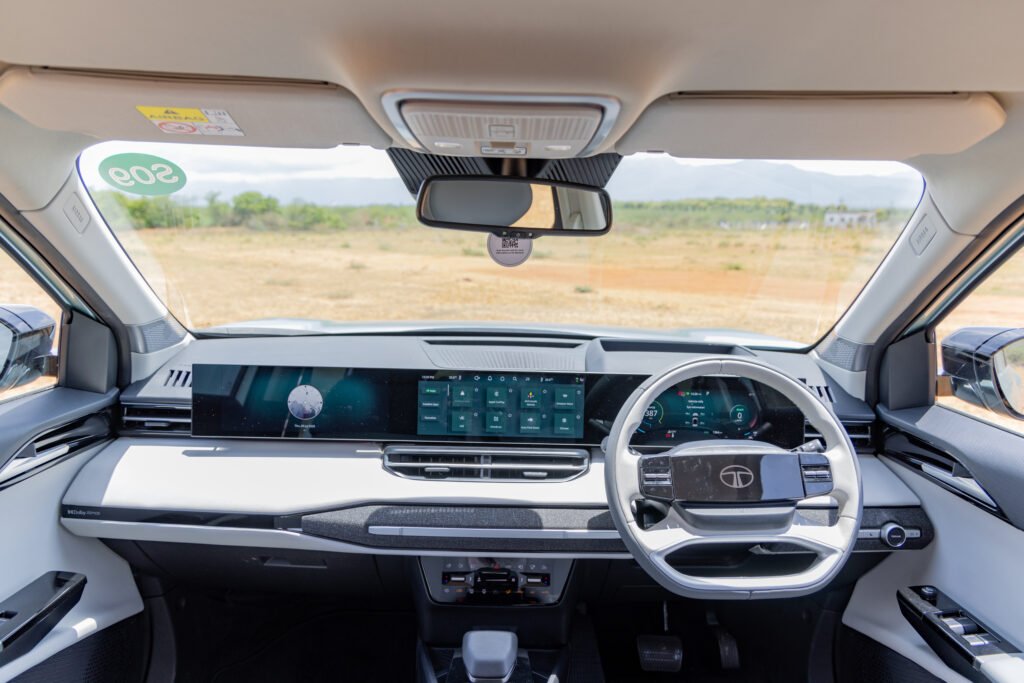
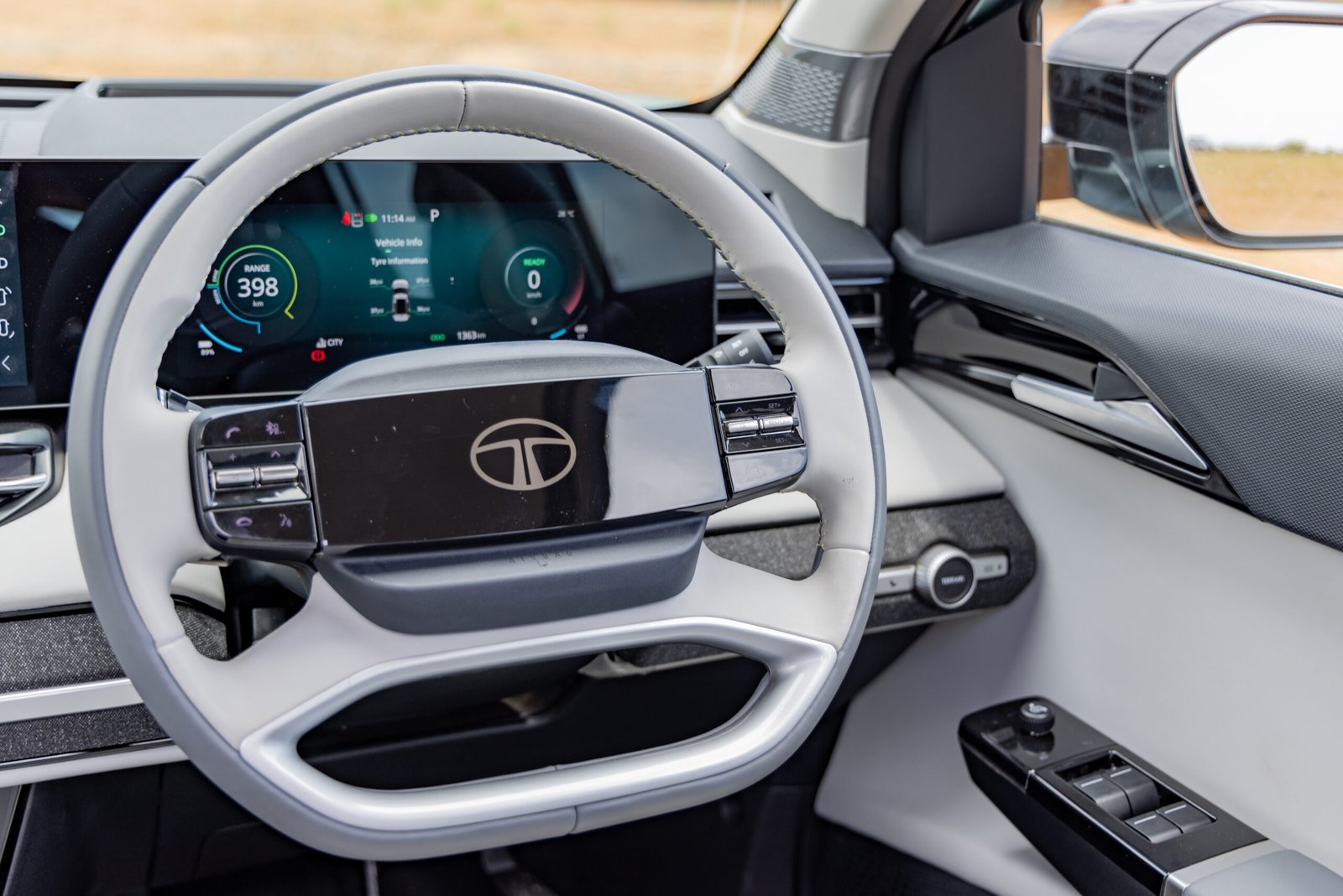
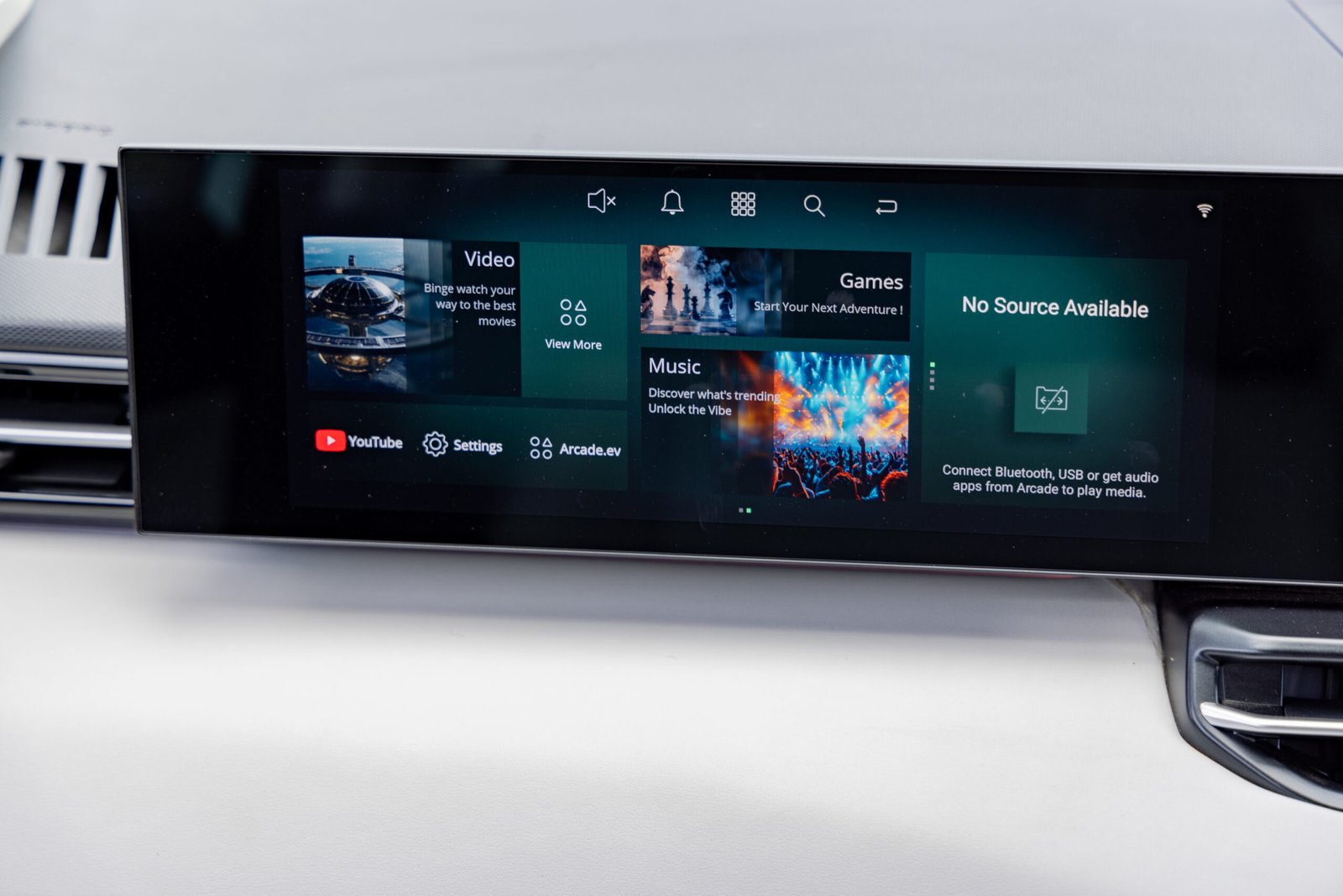
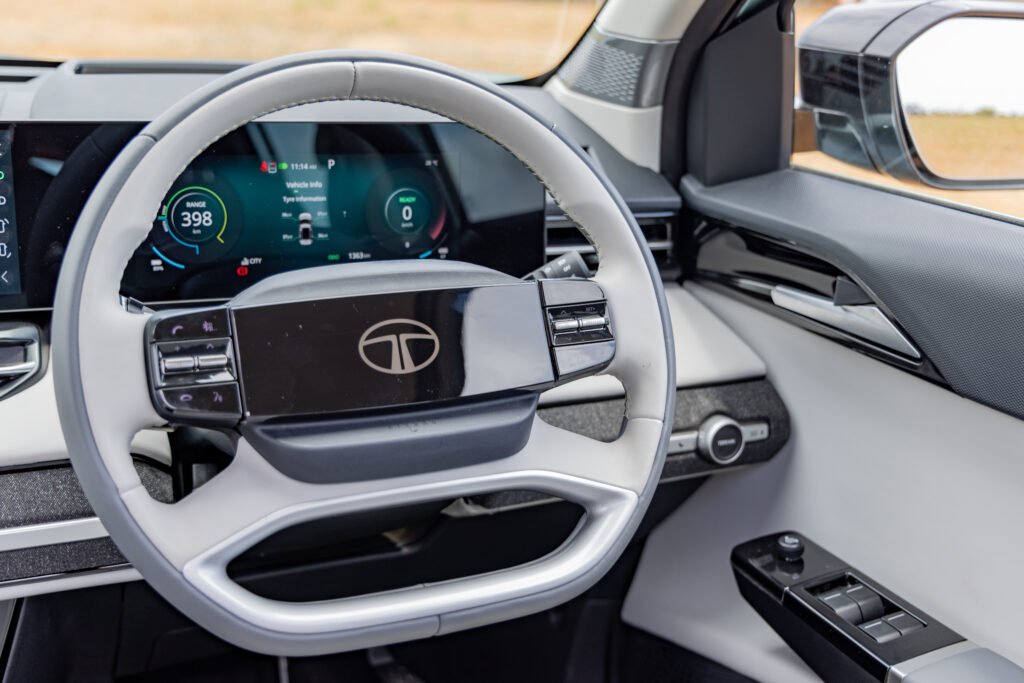
The headline is the triple-screen setup. A 12.3-inch central touchscreen, a 10.25-inch driver’s display, and a third 12.3-inch screen for the front passenger. That third screen is the one I want to single out, because it is the sort of addition that sounds like showing off and turns out to be practical. Your co-driver can manage music or work through navigation without ever reaching across to your screen, which on a long drive removes a small, constant irritation. It earns its place.
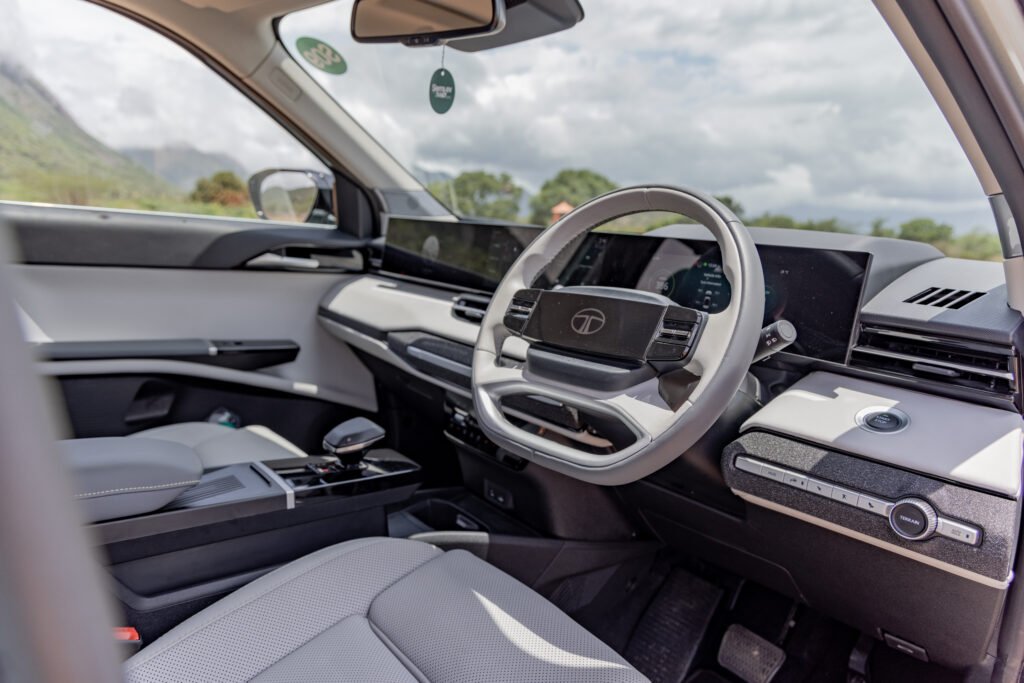
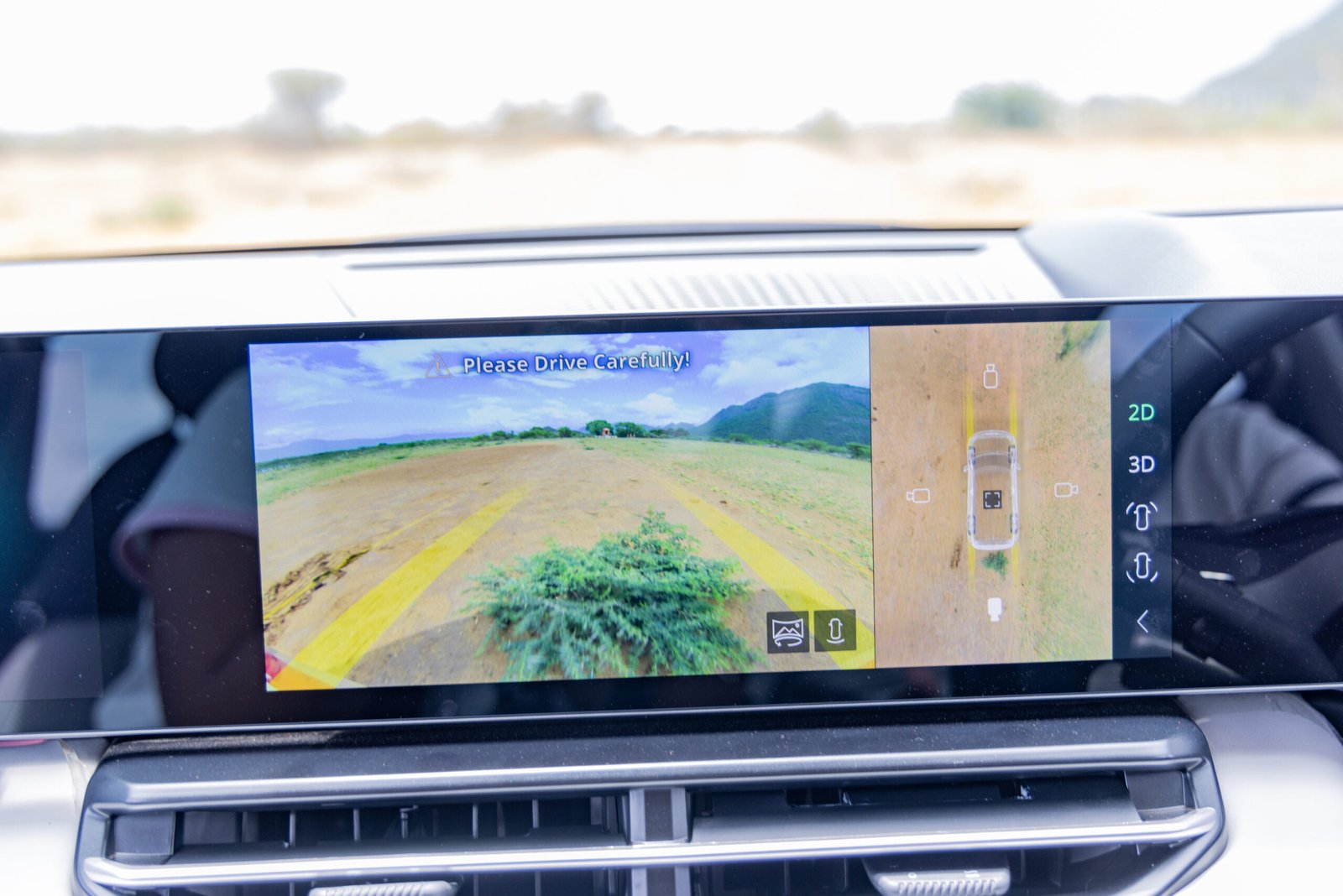
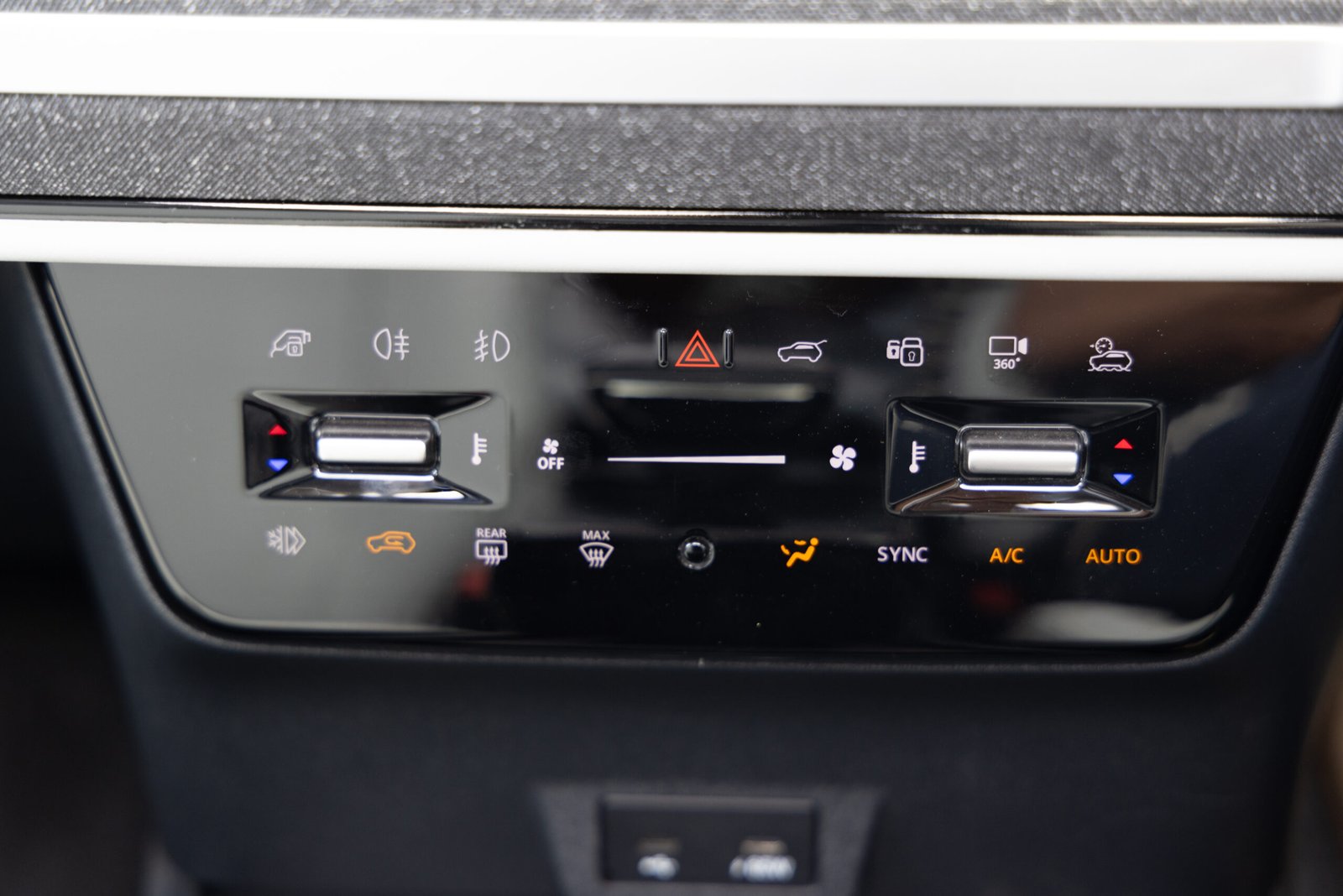
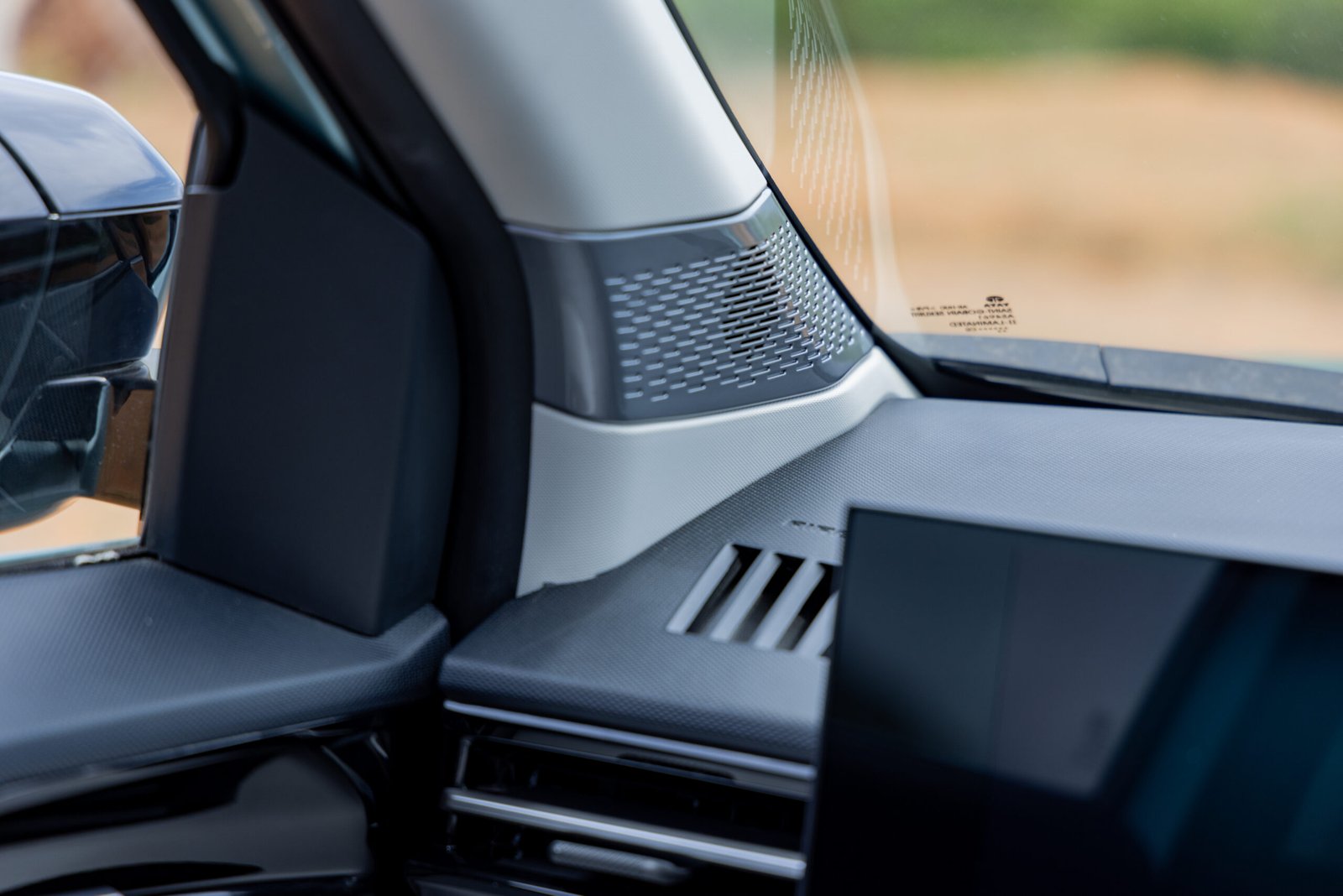
Around it, the equipment list runs long. Ambient lighting, a twelve-speaker JBL Black system, dual-zone climate control, a panoramic sunroof, Boss mode, a cabin air purifier, powered and ventilated front seats, a powered tailgate, Level 2 ADAS, connected car tech, auto park assist, a head-up display, a digital key and over-the-air updates. Six airbags are standard. There is vehicle-to-load and vehicle-to-vehicle charging, and it borrows both summon mode and the in-car payment system from the Harrier EV. The all-wheel-drive car adds off-road kit, six terrain modes, low-speed cruise control, and a 540-degree camera that combines the surround view with an underfloor image.
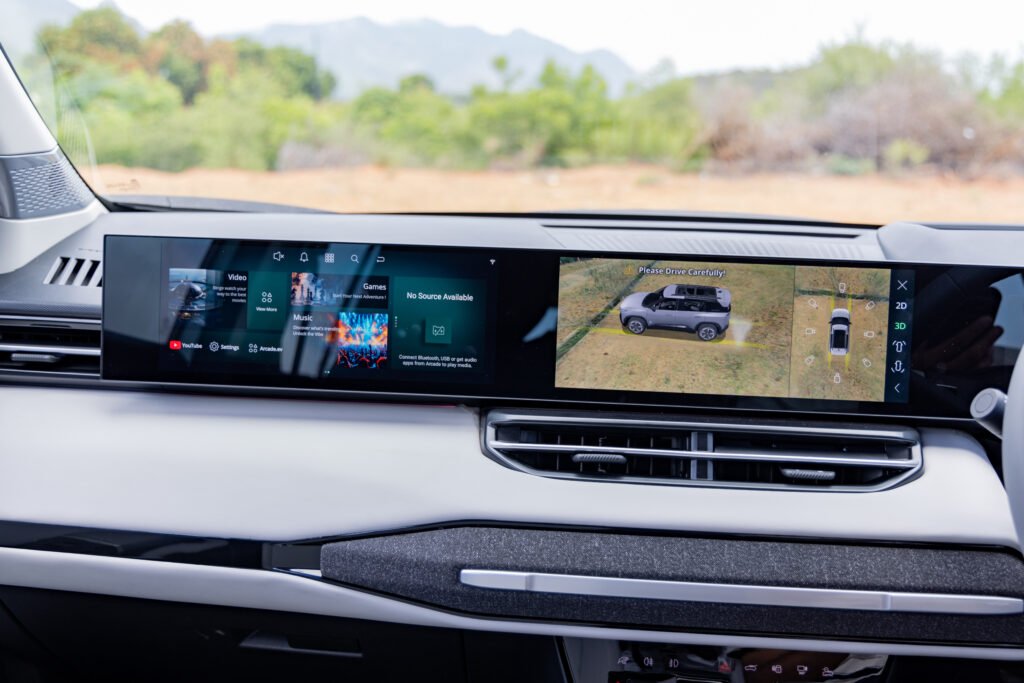
I will say something about this that needs saying about any car carrying this much technology. Everything I tried worked as advertised. No frozen screens, no features that exist in the brochure and not in the car. Given how much of this list is new to Tata, that is worth noting.
Space is generous, as it is in the ICE Sierra. The boot measures 622 litres to the roof and 450 to the parcel shelf, going up to 1,257 litres with the rear seats down.
BUILD QUALITY
This deserves its own mention because it is something I have been watching closely with Tata. Their engineering and design have been ahead of their execution for a while now, and the gap has been frustrating to write about. Inconsistent panel gaps, wheel alignment issues on brand-new cars, small details that undercut otherwise excellent products.
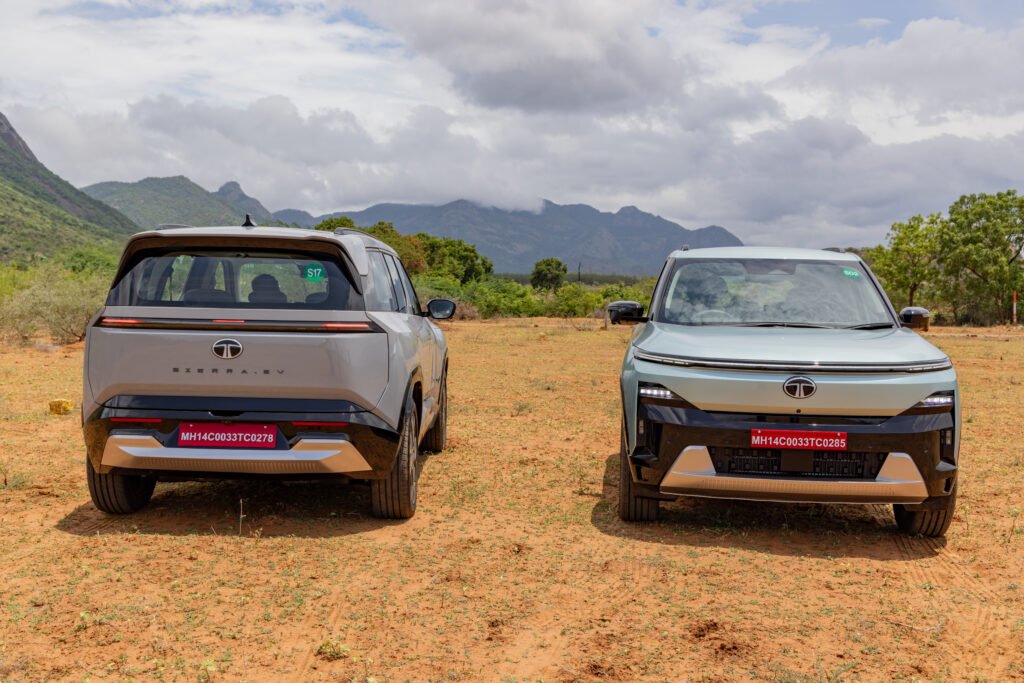
On this one, things seem noticeably better. The panel gaps are more consistent, the fit and finish more assured, and the details that used to give the game away have been tidied up. Credit where it is due, because this is clearly deliberate work rather than luck. What has to catch up now is after-sales service, which remains the half of the ownership story Tata has not yet solved. The cars have got good enough that the dealerships are now the weak link.
ON THE ROAD, AND OFF IT
The mechanical package is shared with the Harrier EV and built on the Acti.ev+ architecture. Two battery options, 63kWh and 75kWh, both with a rear-mounted motor producing 315Nm as standard. The 63kWh cars make 238hp, the 75kWh cars 209hp, and the larger battery is also available with a dual-motor all-wheel-drive layout that adds a front motor for a combined 504Nm. That version claims 0-100kph in 5.8 seconds, and it is the only car in this segment offering all-wheel drive.
The numbers are not really the point, though. The delivery is. I drove the Sierra EV on an offroad track, and it dealt with genuinely gnarly obstacles with the sort of ease you once only expected from a large displacement diesel. Steep sections, loose surfaces, awkward articulation, all of it managed with a very gentle foot on the throttle.
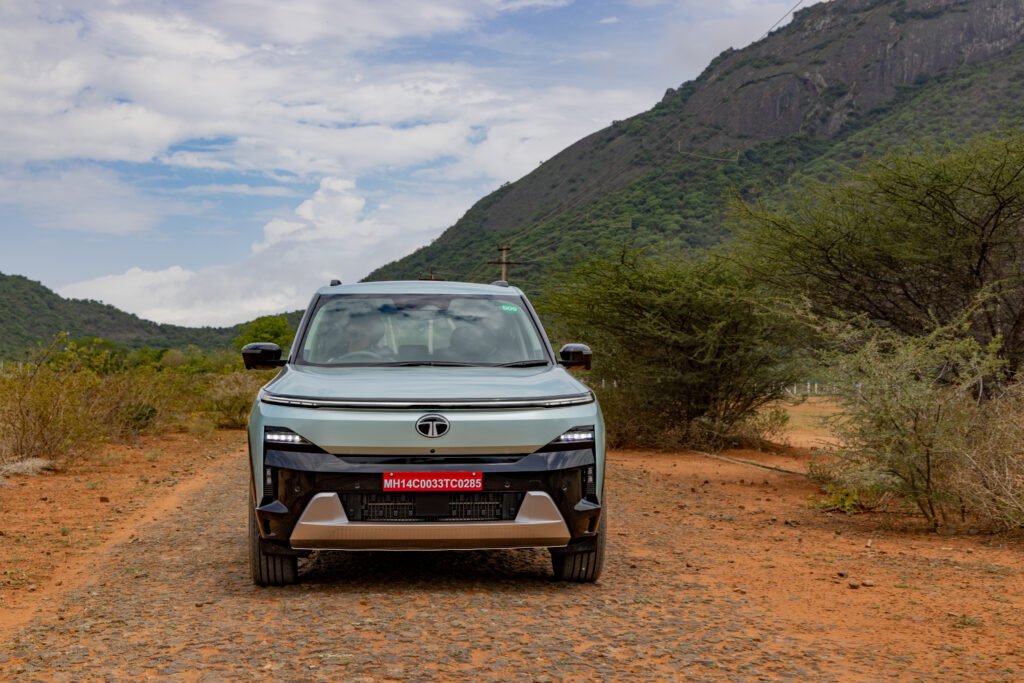
All-wheel drive is obviously part of that, but what struck me more was the way the power and torque arrive. So linear, yet potent the instant you need it, which makes all of that output far more usable than the specification suggests. With a diesel, you would be managing revs and carrying momentum. Here you roll onto the throttle, and the car resolves the problem itself. That, to me, is the diesel successor argument made physical.
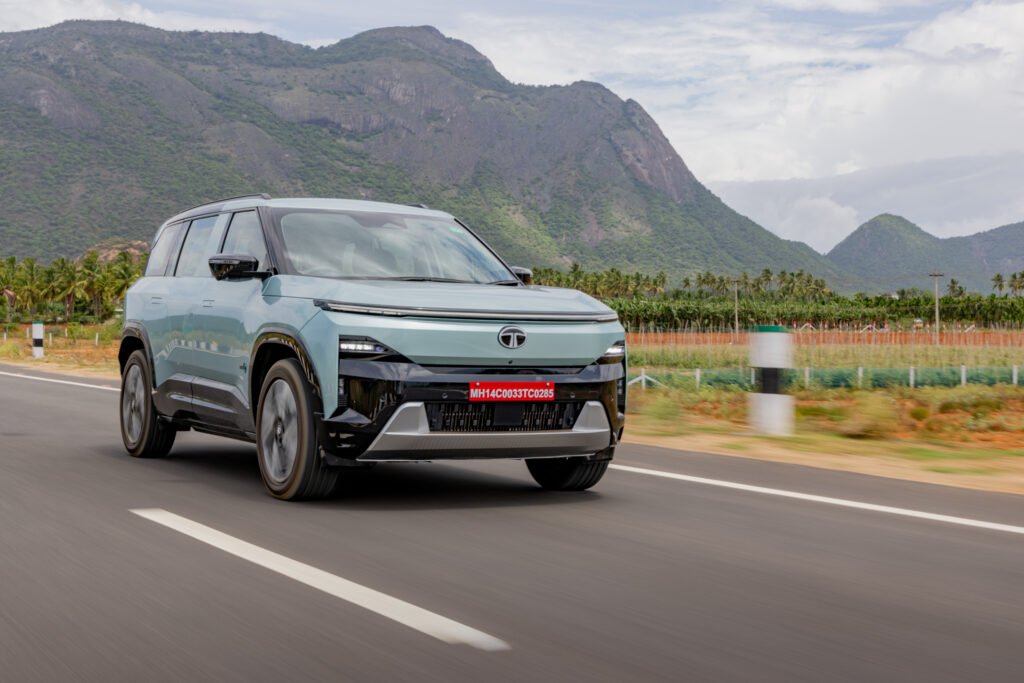
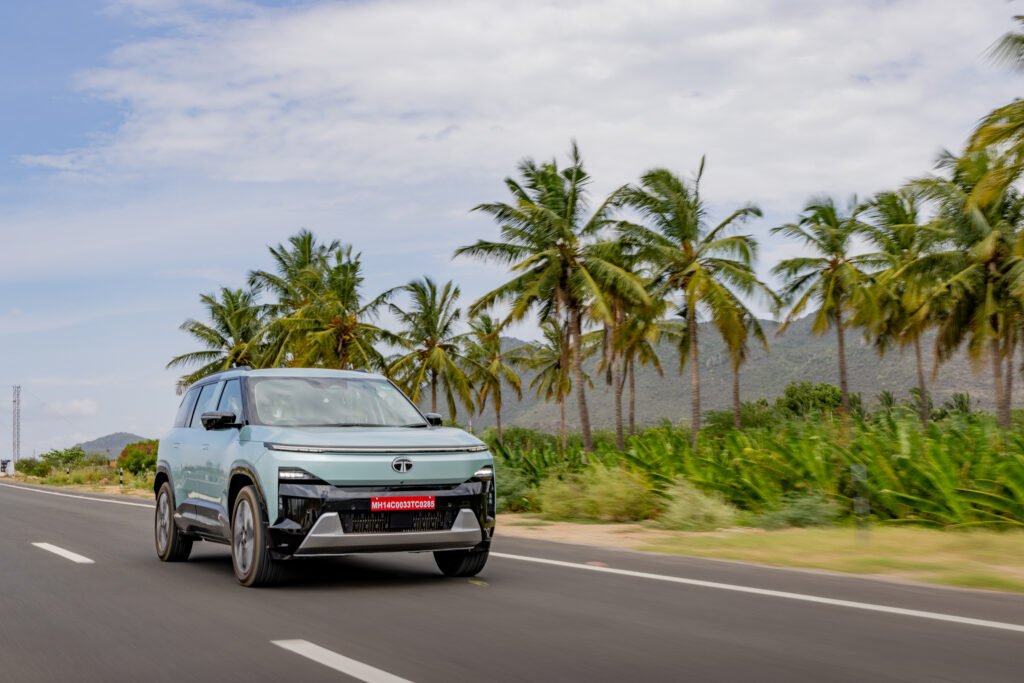
On the road, the question is whether this is simply a smaller Harrier EV, and it is not. The Sierra EV is that tad bit nicer. It is lighter, smaller and set up softer, and the combination transforms how the same powertrain feels. Where the Harrier EV impresses you, this car makes everything feel easy. It shrinks around you in a way the larger car never quite manages.
It also surprised me through corners. I only had a handful to work with at the Coastt track, but the Sierra EV behaves very well in them. The battery keeps the mass low in the body, and the car is progressive in a way tall SUVs rarely are. It leans, it tells you what it is doing, and it never turns snappy on you. That 205mm of ground clearance means broken roads and speedbreakers require no thought at all.
On range, Tata claims 665km on the MIDC cycle for the 75kWh rear-drive car, 624km for the all-wheel-drive version and 535km for the 63kWh cars. Real world, the larger battery is good for upwards of 500km, and having covered over 500km in a day with this powertrain in the Harrier EV, that is a number you can plan a trip around. A 120kW fast charger will add up to 263km in fifteen minutes, and a 20 to 80 percent top-up takes around 26 minutes.
There is a lifetime battery warranty, which in the fine print means fifteen years from first registration, though that is longer than most people keep a car.
THE VERDICT
The Sierra EV starts at Rs 18.79 lakh and the all-wheel-drive car tops out at Rs 25.99 lakh, ex-showroom, with the home charger and installation adding another Rs 49,000. That places it at the expensive end of this segment, alongside the Mahindra BE 6 and above the Creta Electric, and between Rs 1.8 lakh and nearly Rs 7 lakh more than Tata’s own Curvv EV. This is not the value play Tata EVs have traditionally been. It is the premium one, and you should walk in knowing that.
What you get for the money is a powertrain I already rated among the best in the country, in a car that is smaller, lighter, softer and better equipped than the one I first experienced it in. It is nicer to drive, corners better than a car this shape should, and shrugged off an off-road track with barely any throttle input. The build quality is improving. The features work.
If you have been holding on to a big diesel because nothing since has delivered that effortless, torque-rich way of covering ground, your successor has arrived, and it is electric. I only hope the charging infrastructure grows up to match, because the machines are ready. It is the ecosystem around them that needs to catch up.
SHOT BY: SHREYA SOMANI FOR DAG INDIA