
The year was 2021. The world had largely ground to a halt, wrapped in the uncertainty of a global pandemic. Social distancing…
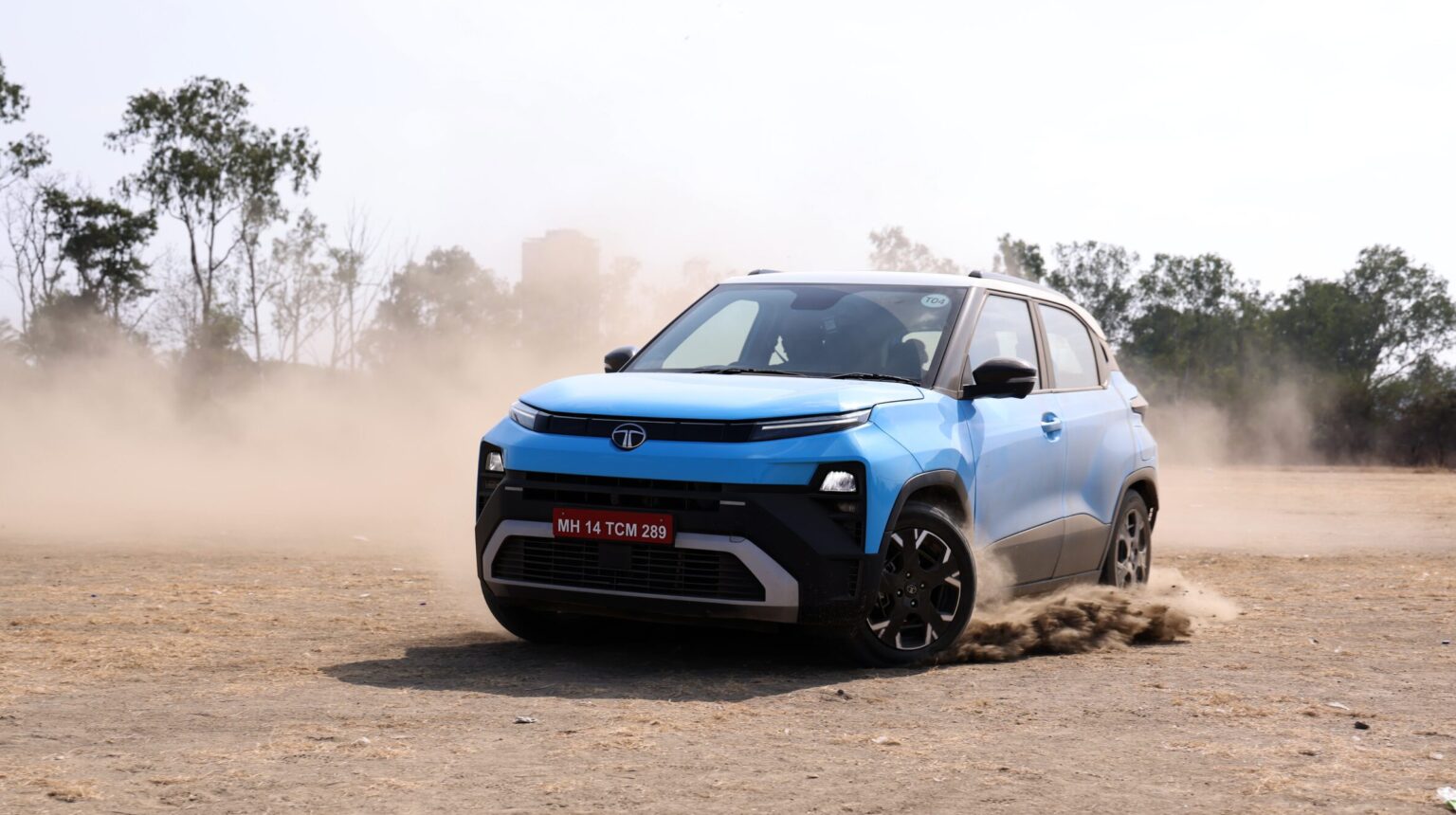
The year was 2021. The world had largely ground to a halt, wrapped in the uncertainty of a global pandemic. Social distancing was the vernacular of the day, and the automotive industry was navigating one of its quietest periods in history. Amidst this silence, Tata Motors launched a vehicle that seemed to puff out its chest and defy the mood of the time.
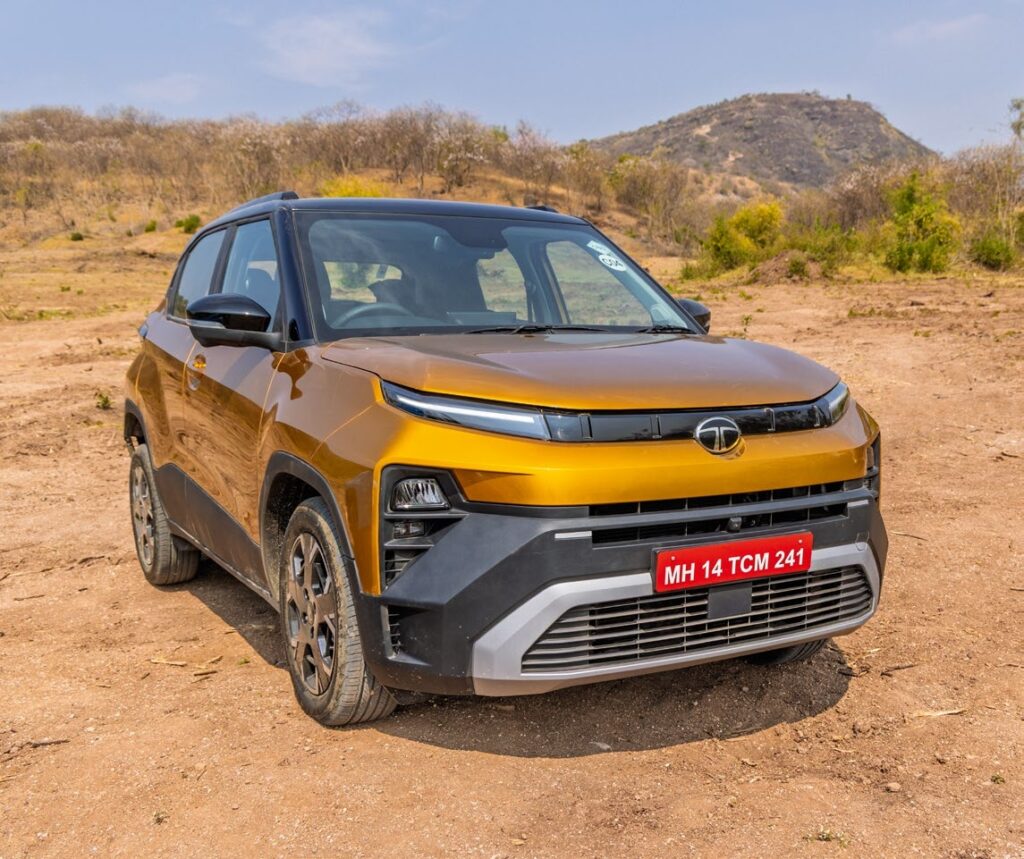
When I first drove the Tata Punch back then, a singular thought echoed in my mind. Despite its compact footprint, this machine felt, rode, and behaved like a proper SUV. It did not feel like a hatchback on stilts or a marketing exercise in plastic cladding. It felt substantial.
It appears I was not alone in that assessment. Since that quiet debut, the Punch has become a runaway success, dominating sales charts and effectively creating a sub-segment that competitors have struggled to crack. Challengers have arrived, aiming for the crown, yet they have largely fallen short. Now, Tata has decided to widen that gap. The bestseller has received a significant mid-life update, and while the visual nip and tuck is obvious, the real story lies in how this car has matured.
A Sharper Suit
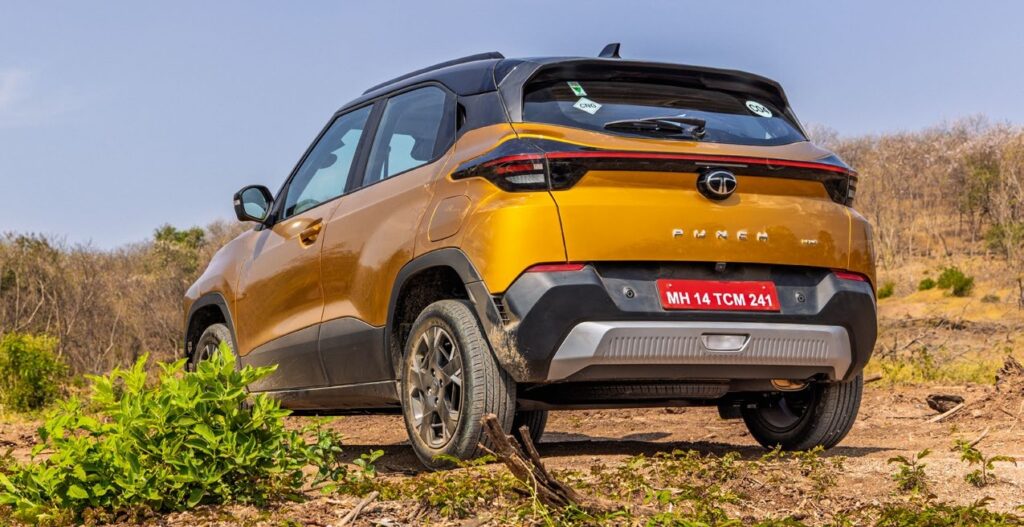
In the world of automotive facelifts, the standard operating procedure is usually a new set of bumpers and perhaps a tweak to the grille. The updated Punch follows this script but executes it with flair. The first thing you notice is the face. The headlights are now vertically stacked, giving the front end a taller, more imposing stance. The LED Daytime Running Lights have been redesigned, lending a sharper, more focused gaze to the vehicle.
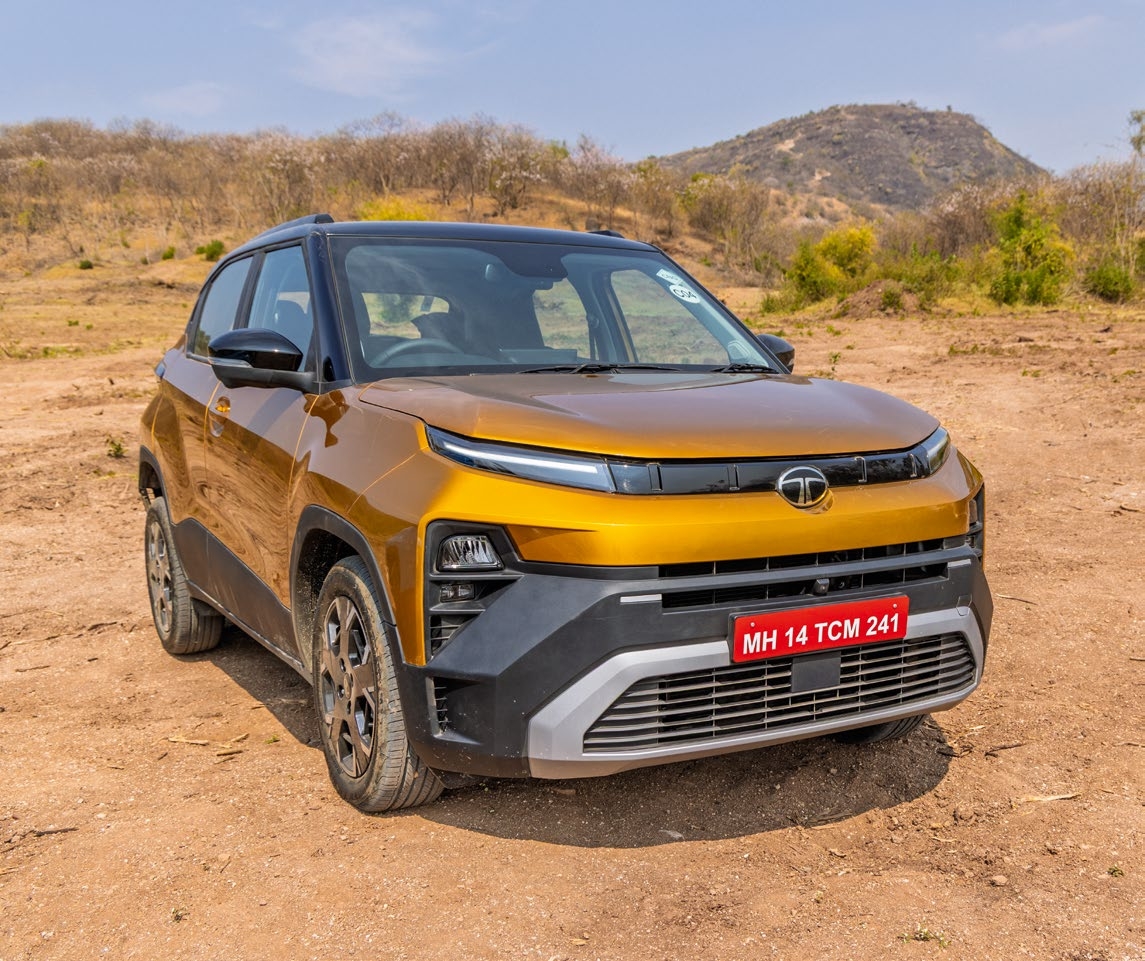
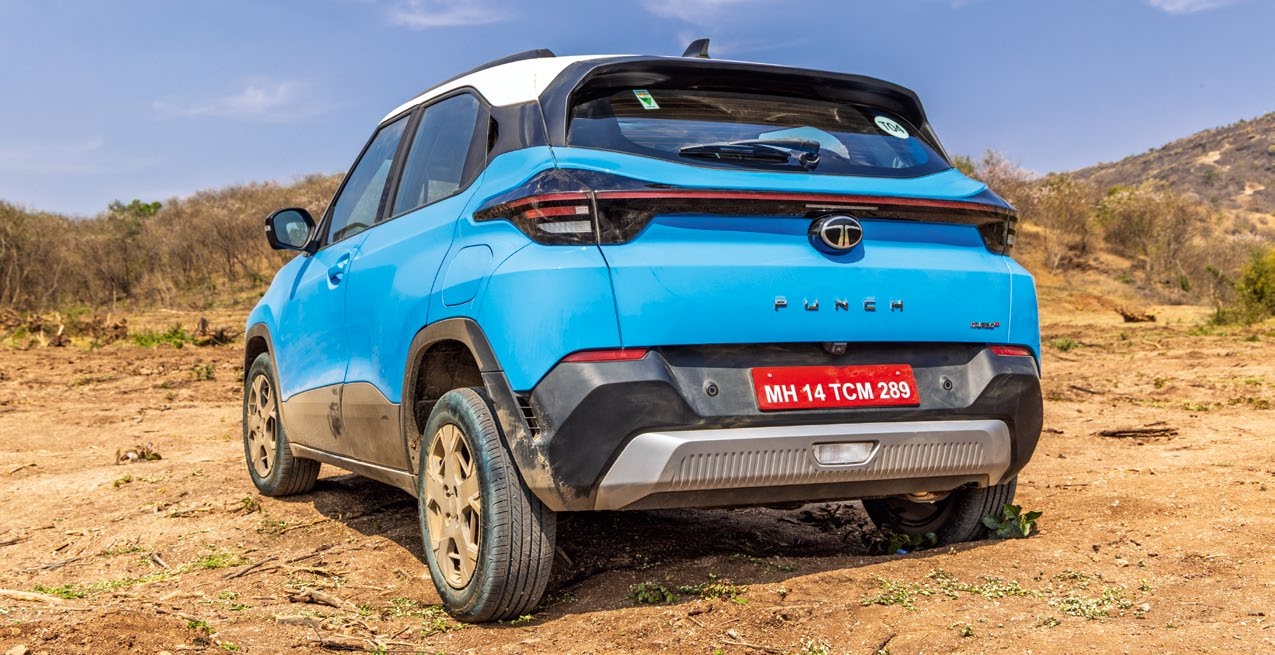
The profile remains largely familiar, though refreshed alloy wheels add a touch of novelty. At the rear, the changes are subtle but effective. The taillamps are now connected, a design trend that has swept through the industry, and the rear bumper has been sculpted to match the aggressive front. It looks more contemporary, shedding some of the softness of the original design.
The Magic Carpet Ride
However, aesthetics are only skin deep. The reason the Punch found so many buyers boils down to two distinct factors: space and ride quality.
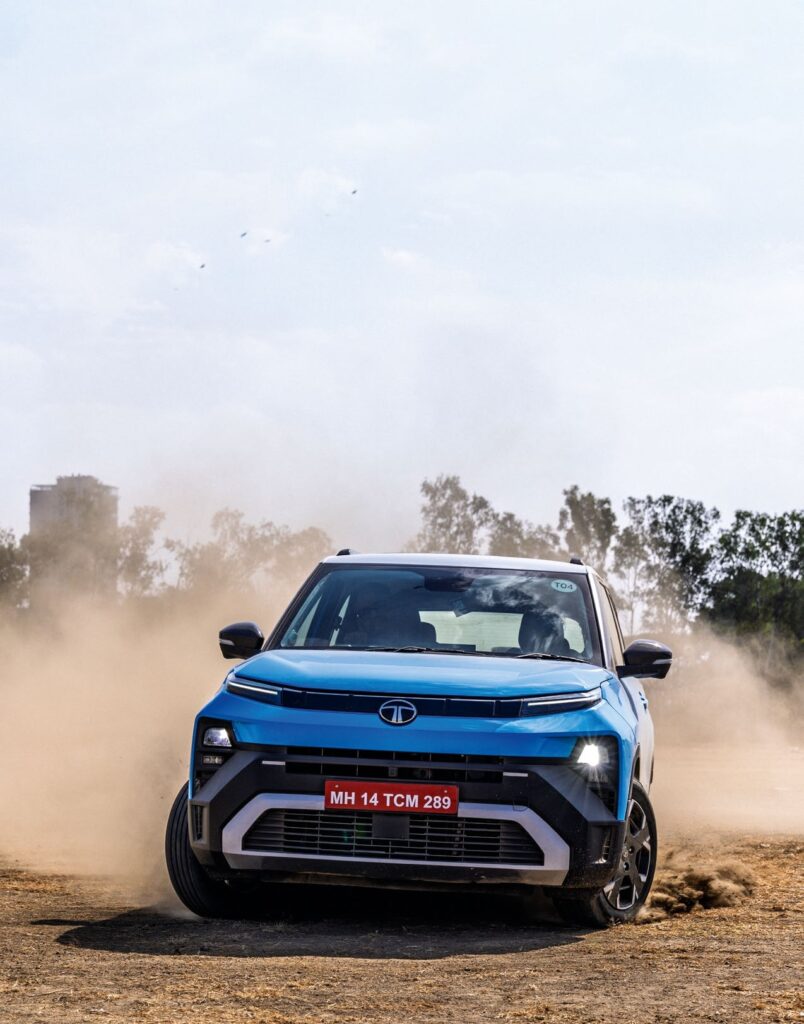
Tata Motors has cultivated a specific DNA in suspension tuning. They have mastered the art of Indian roads. The Punch absorbs bad tarmac with a level of composure that is rare in cars under four meters long. Where other small cars crash and jitter through potholes, sending shocks up the driver’s spine, the Punch glides. It retains that heavy, planted feel that inspires confidence at highway speeds and comfort on broken city streets.
Then there is the packaging. The doors famously open a full ninety degrees. Helping elderly parents in and out, or simply hopping in for a quick drive, is effortless. The interior space is generous, offering ample knee and shoulder room. The facelift adds improved under-thigh support to the fabric seats, a small adjustment that will pay dividends on long road trips.
Finding the Missing Muscle
For all its virtues, the original Punch had a glaring weakness. It was underpowered. The naturally aspirated petrol engine was adequate for the city but felt breathless on the highway. It lacked the urgency required for quick overtakes.
Tata has addressed this by borrowing hardware from its premium hatchback sibling, the Altroz. The headline act of this facelift is the inclusion of a turbo-petrol engine. This is the transplant the Punch desperately needed. Paired with a manual gearbox, this engine transforms the character of the car. It is now the most powerful vehicle in its segment.
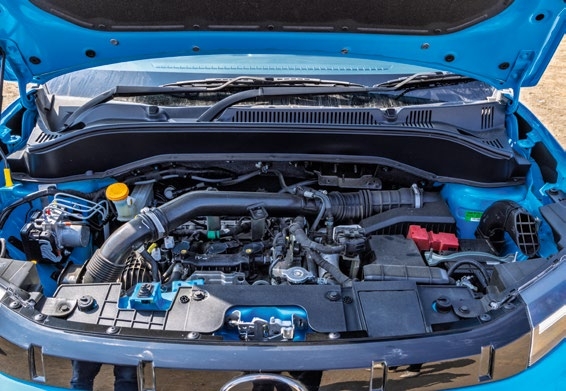
In the real world, this translates to effortless cruising. You no longer have to plan your overtaking manoeuvres three business days in advance. You simply drop a gear, step on the accelerator, and the surge of torque pulls you forward. While the numbers on the spec sheet look good, the driving experience is what truly sells it.
Efficiency and Convenience
While the turbo engine caters to the enthusiast, Tata has also played a masterstroke for the daily commuter. For years, buyers of CNG vehicles were forced into a compromise. You could have excellent fuel economy, or you could have the convenience of an automatic transmission. You could rarely have both.
Tata Motors broke this barrier with the Tiago and has now brought that same philosophy to the Punch. The facelift introduces an Automated Manual Transmission (AMT) paired with the CNG powertrain.
Driving through the chaotic, bumper-to-bumper traffic of Pune reveals the genius of this combination. The naturally aspirated engine, which feels lethargic in its petrol guise, feels even more so when running on CNG. In a manual car, this would mean constant gear shifting and a tired left leg. The AMT deletes this stress entirely. It manages the meagre power band of the engine efficiently, allowing you to creep through traffic without frustration.
It is still an AMT, meaning you will experience that characteristic head nod pause between gear shifts. It is not seamless. However, for the convenience it offers in city driving, it is a flaw easily forgiven. Surprisingly, Tata has even included paddle shifters, giving the driver more control. But it simply pads up the brochure and is slow to respond. You are better off leaving it in automatic.
The Feature Overhaul
Modern lifestyles demand connectivity, and the cabin has been upgraded to reflect this. The old instrument cluster has been retired in favour of a crisp TFT digital display. The infotainment system now pumps sound through eight speakers.
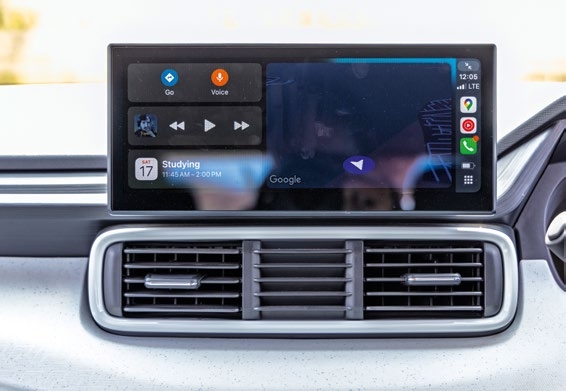
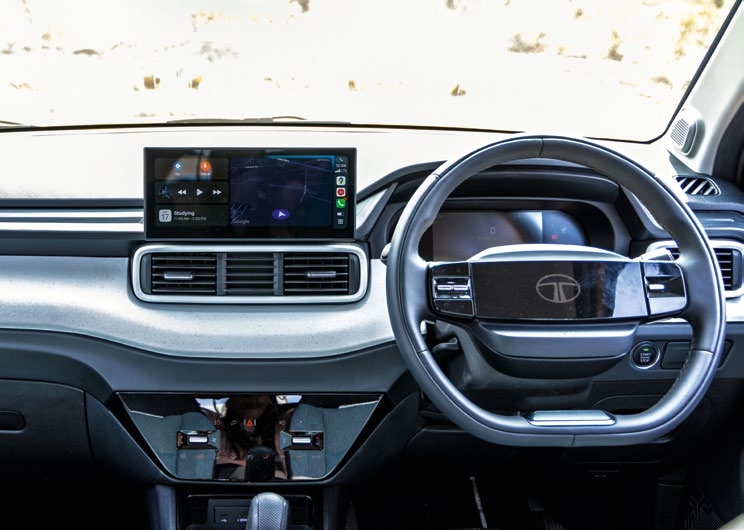
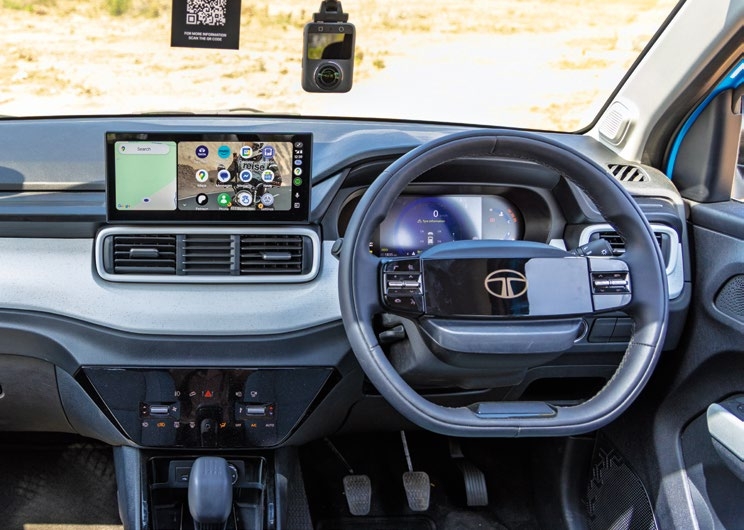
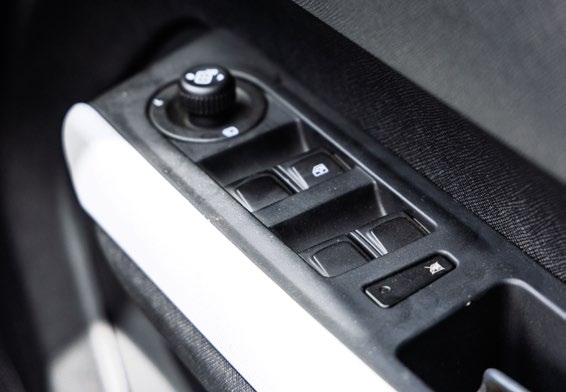
Charging anxiety is addressed with a faster 65W Type-C port and there is also a 360-degree camera. To top it off, an air purifier has been integrated, a grim but necessary addition for urban driving in India.
Safety as Standard
If there is one area where the Punch refuses to compromise, it is safety. The pre-facelift model was already a 5-star Bharat NCAP-rated vehicle. The updated version doubles down on this reputation. Six airbags are now standard across the range, along with Tire Pressure Monitoring Systems and hill-hold assist.
Higher trims see the addition of hill descent control and a blind spot monitor. In a market where safety was once an afterthought, Tata continues to make it the headline.
But The Punch is Not-So-Perfect
Despite the praise, the Punch is not without its flaws. As with a number of Tata cars, there are some ergonomic missteps. The physical buttons for the climate control have been replaced by a touch-sensitive panel. While it looks sleek in a showroom, it is a fingerprint magnet and frustrating to use while driving. You have to take your eyes off the road to ensure you are hitting the right icon, which defeats the purpose.
Furthermore, the implementation of the blind view monitor is clumsy. When you engage the turn indicator, the camera feed takes over the entire infotainment screen. If you are navigating a junction using Google Maps, losing your visual guide at the exact moment you need to turn is genuinely annoying.
Refinement also remains a sticking point. The three-cylinder engines, particularly the turbo petrol, are audible and vibrate more than the four-cylinder units found in competitor vehicles. And while the ARAI fuel efficiency figures are competitive on paper, real-world driving suggests the Punch is thirstier than its rivals.
The Final Word
The Tata Punch facelift is not a reinvention of the wheel. The fundamental strengths remain. It offers a ride quality that embarrasses more expensive cars and a safety rating that provides genuine peace of mind. By adding the turbo petrol engine, Tata has fixed the car’s biggest dynamic flaw. By adding the CNG AMT, they have created the ultimate urban runabout.
Prices have seen a modest increase, starting at Rs 5.59 lakh and topping out at Rs 10.54 lakh. At this price point, it offers a blend of comfort, ruggedness, and versatility that is hard to match. It is not a perfect car, but it is a car that perfectly understands its audience. The Punch was already a hit. With these updates, it is poised to remain the blockbuster of the segment.
Photos by: Shreya Somani for DAG India