
The Kia Syros isn’t here to fit in. It’s here to make sense. Some cars arrive with clarity. You know exactly what…
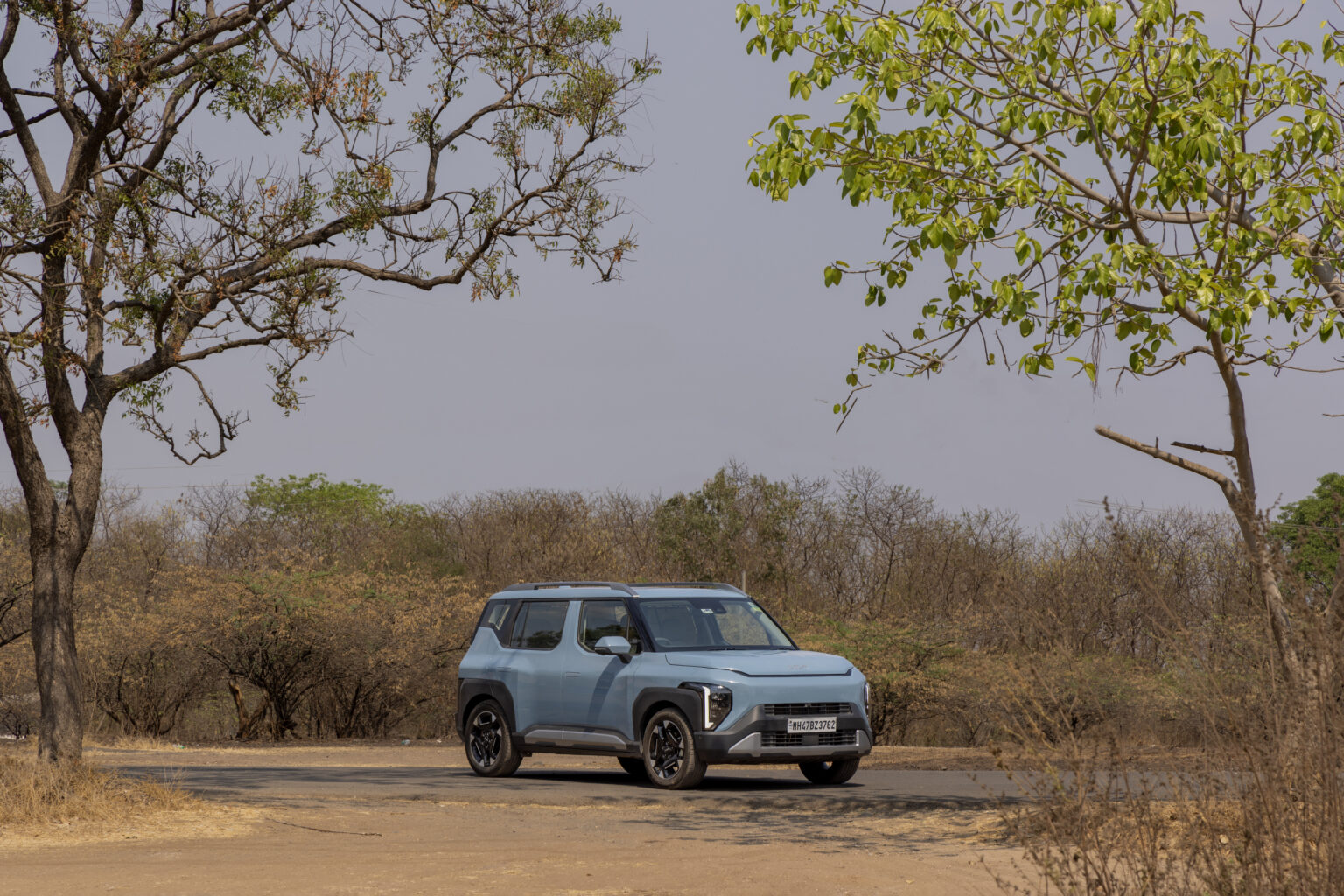
The Kia Syros isn’t here to fit in. It’s here to make sense.
Some cars arrive with clarity. You know exactly what they are, who they’re for, and where they sit. And then there are cars like the Kia Syros, cars that don’t immediately explain themselves. They raise questions instead. Why does it exist when the Sonet already does? Why does it look like that? Why is it positioned in a space that feels almost deliberately awkward, above one sibling, below another?
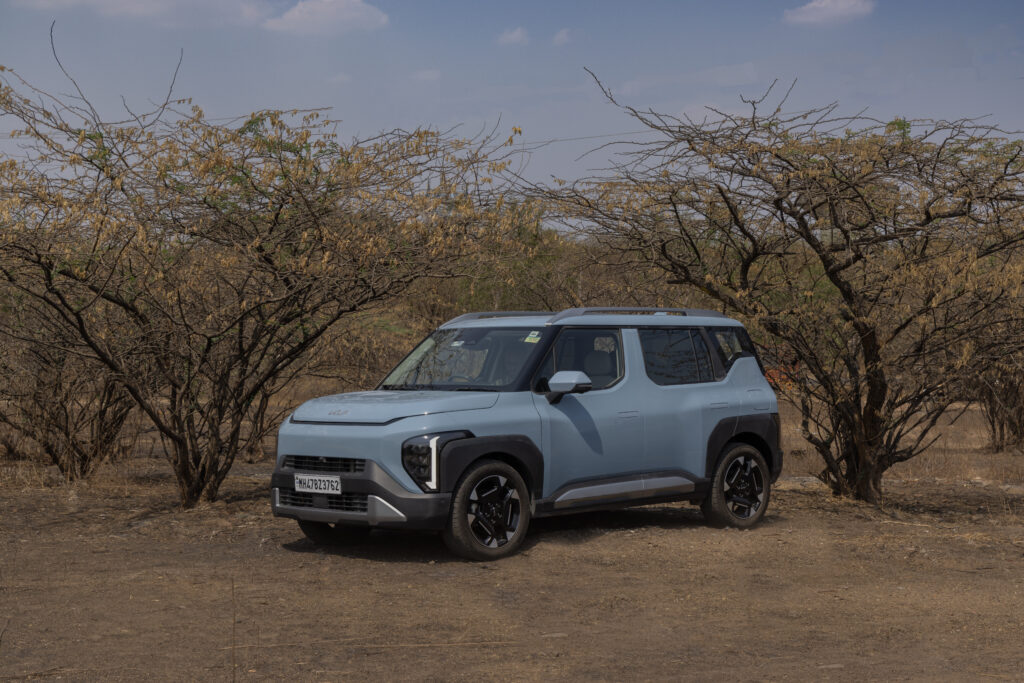
And yet, as we spent more time with it, not just briefly but across real usage, across cities, shared between me and my colleague Afzal, and with enough kilometres to reveal its true nature, those questions didn’t just get answered, they started to feel irrelevant. Because the Syros isn’t trying to justify itself in the conventional sense, it isn’t trying to outperform, outshine, or out-spec everything around it. It’s trying to approach the segment differently.
What makes this interesting is that it doesn’t do it loudly. It doesn’t scream innovation. Instead, it quietly builds a case for itself, one experience at a time.
DIMENSIONS, POSITIONING, AND THE THOUGHT BEHIND IT
On paper, the Syros still plays by the sub-4 metre rulebook. Its length mirrors that of the Sonet, keeping it within the same regulatory bracket. But that’s where the similarity begins to fade. In width and height, it stretches itself by about 15mm, which in isolation doesn’t sound transformative, but the real shift lies in the wheelbase, extended by 50mm.
That one change dictates everything that follows.
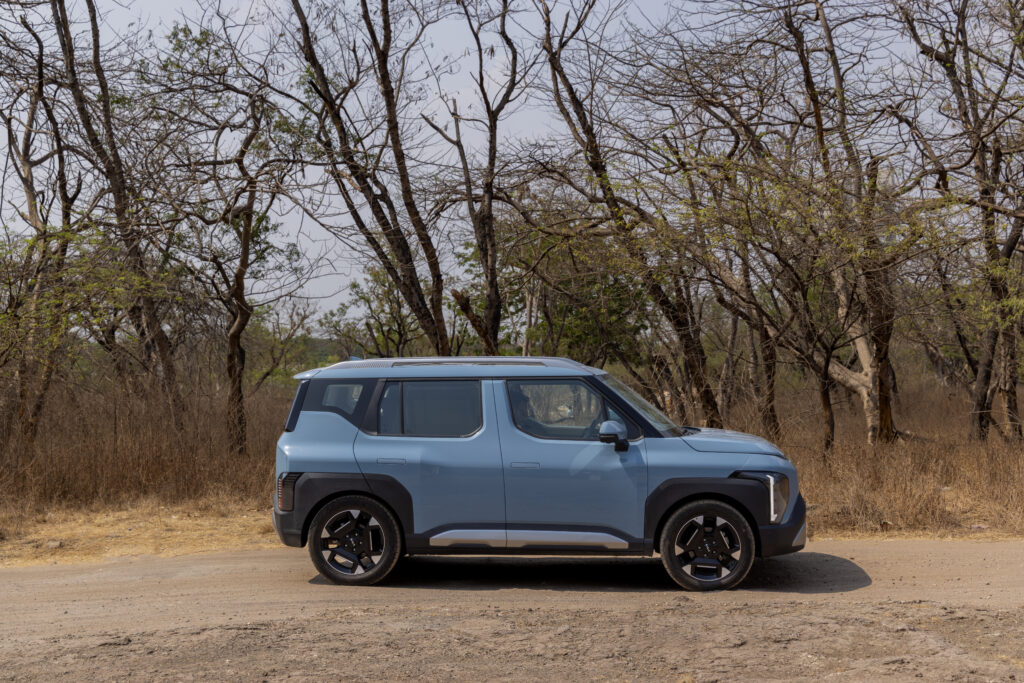
Because while the extra width and height don’t drastically alter how it appears at first glance, the longer wheelbase fundamentally changes how it feels, especially once you step inside. It gives the Syros an upright stance, a tall-boy profile that immediately sets it apart from the more hunkered-down stance of most compact SUVs
Interestingly, this wheelbase isn’t just longer than the Sonet’s; it also edges past key rivals like the Tata Nexon, Maruti Suzuki Brezza, and even its Korean cousin, the Hyundai Venue. That fact alone begins to explain Kia’s intent. This wasn’t built merely to slot into an existing gap. It was built to reinterpret how space is utilised within that footprint.
DESIGN: POLARISING BY INTENT, NOT ACCIDENT
If there’s one aspect of the Syros that has already sparked conversation before most people even stepped inside it, it’s the design. And not in the usual “that looks nice” or “that’s aggressive” kind of way. This is a car that divides opinion.
When it first surfaced, reactions ranged from curiosity to outright dismissal. But spending time with it makes one thing clear: the design isn’t accidental. It’s deliberate.
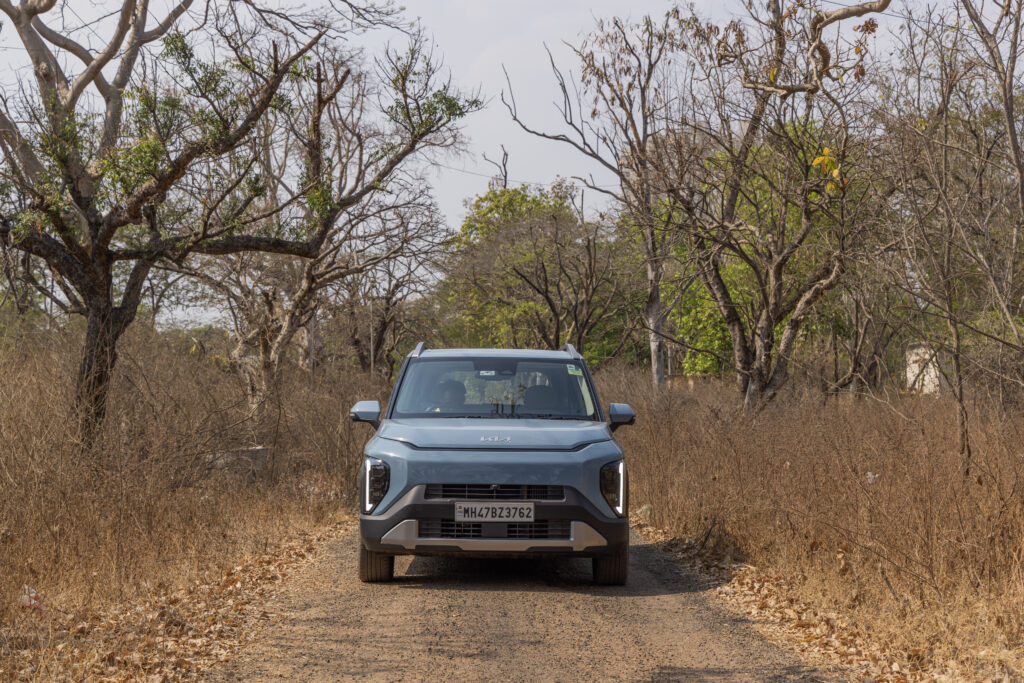
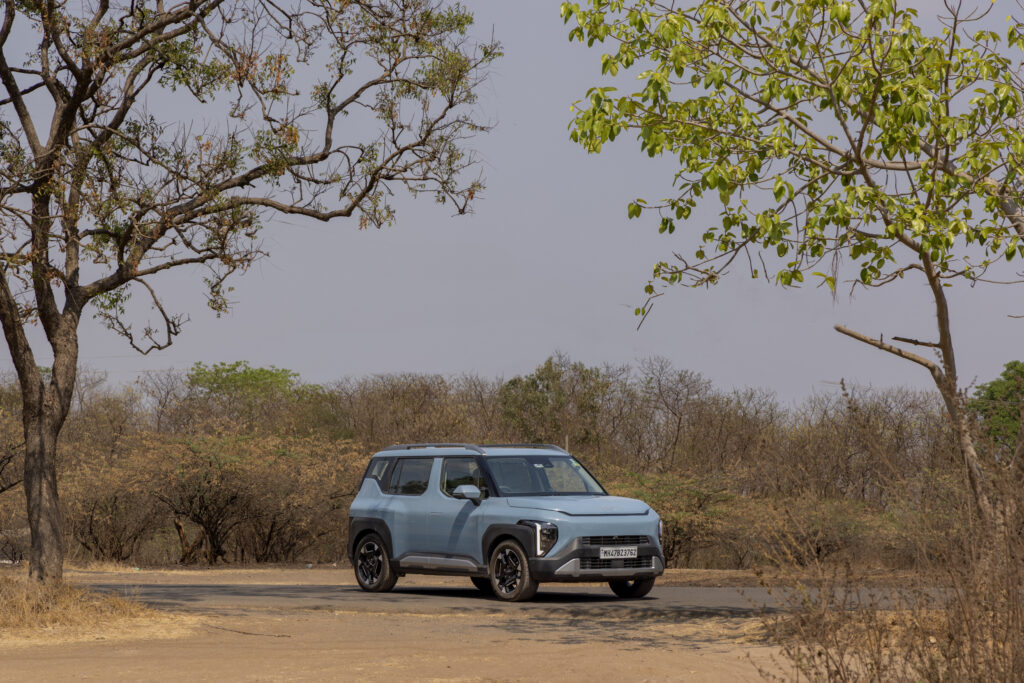
At the front, the influence of Kia’s newer design language, especially from models like the EV9, is unmistakable. The face is upright, almost flat, with a closed-off grille area that hints at electrification-ready thinking. The air intake is pushed lower, split by the number plate housing, and finished with a skid-plate-like garnish that continues around the car.
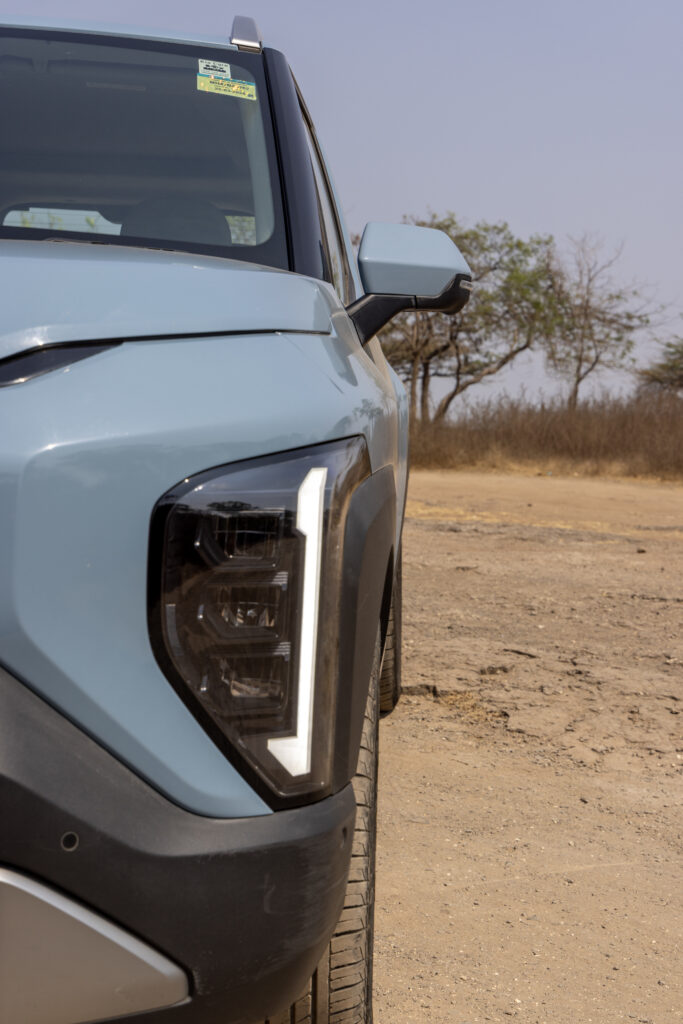
The ‘ice-cube’ LED headlamps are perhaps the most distinctive element. Stacked, sharply defined, and pushed towards the edges, they give the Syros a face that’s instantly recognisable. But their placement also introduces a real-world concern; being positioned so far out makes them slightly vulnerable in tight parking situations or minor scrapes.
The DRLs, integrated into vertical housings, add to that futuristic identity, while the overall front end feels more like a concept brought to life than a softened production compromise.
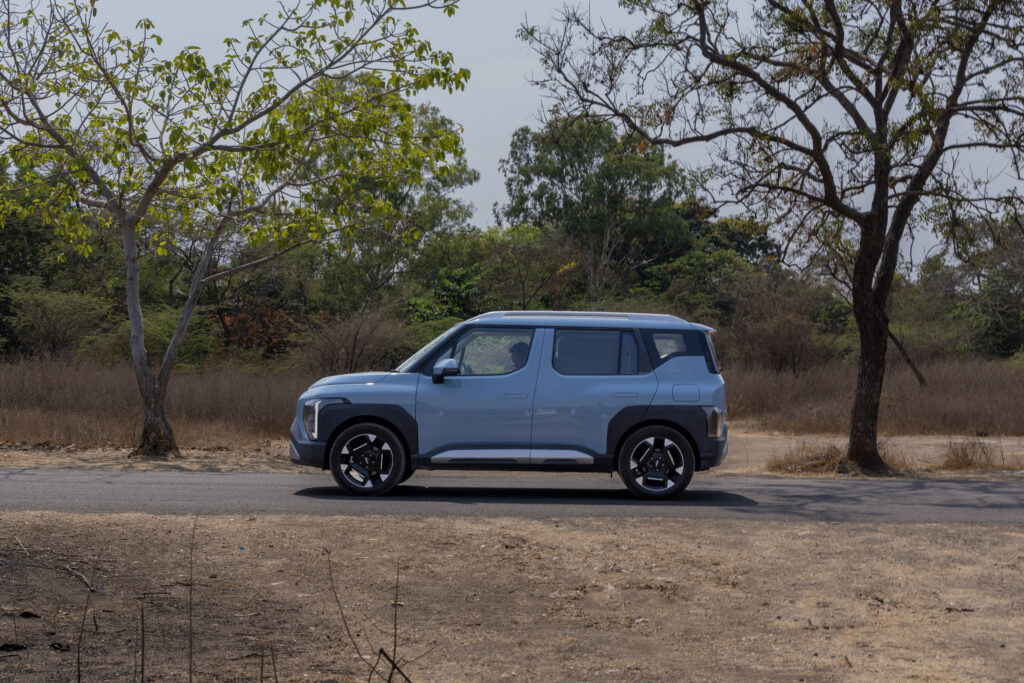
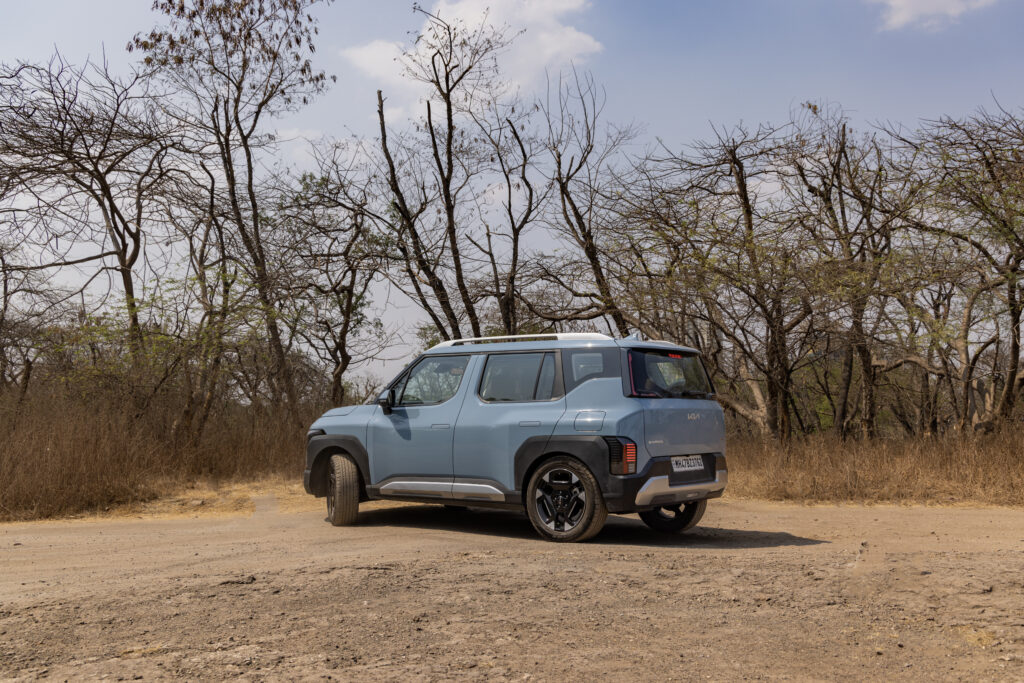
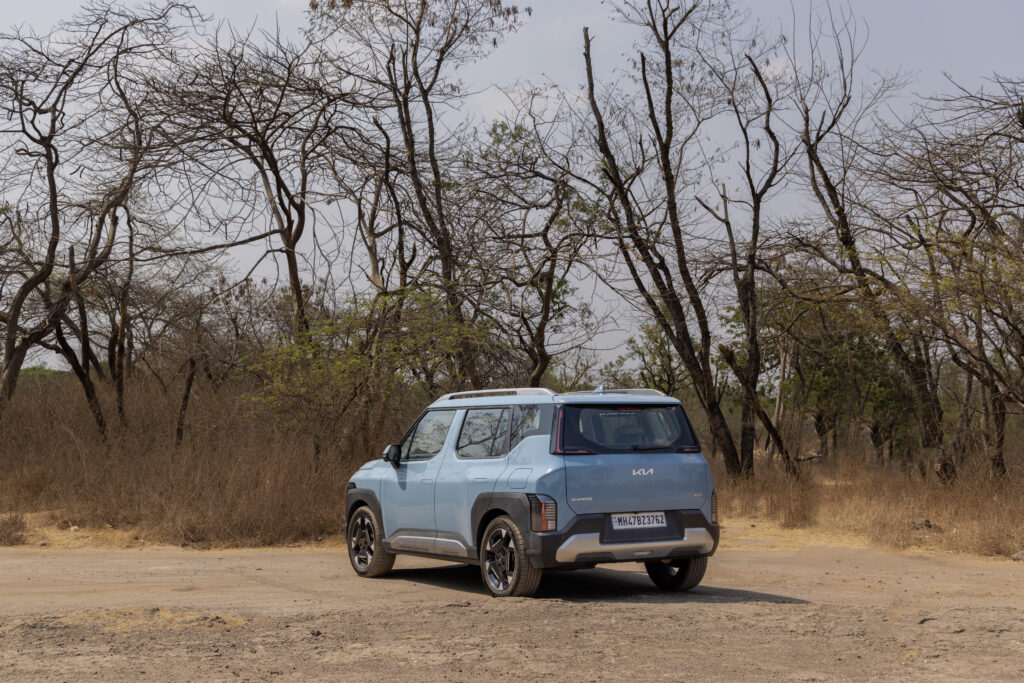
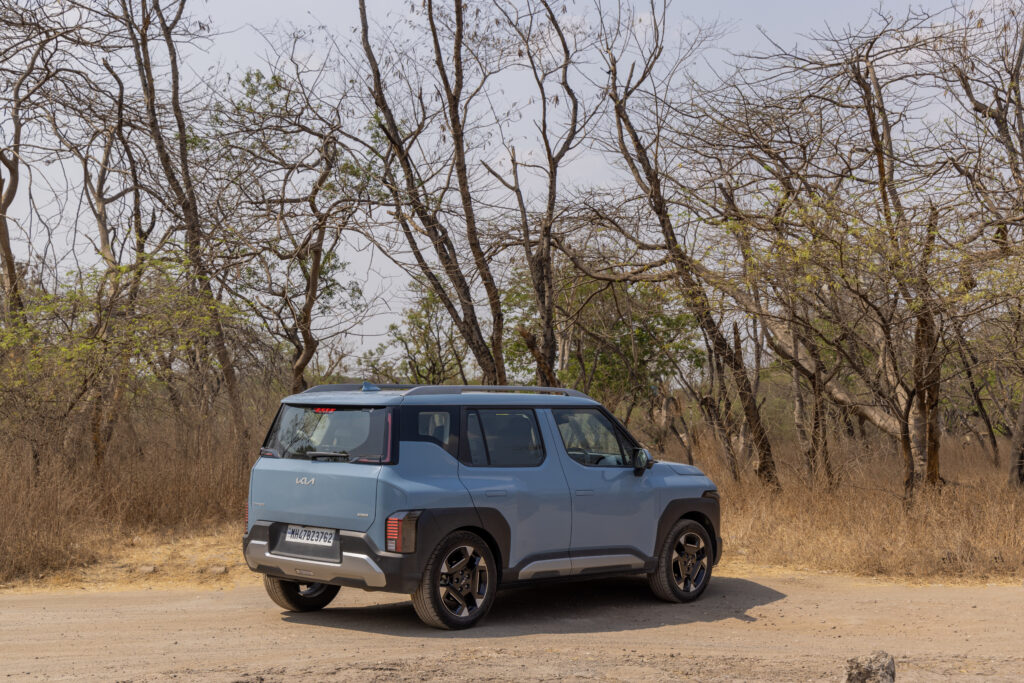
Move to the side, and the design language continues with equal conviction. The cladding runs uninterrupted from the front bumper, across the doors, and into the rear fenders. The wheel arches are chunky, the stance remains upright, and the window line curves upwards towards the rear, giving it a distinctive profile.
The wheels range from 15-inch steel units to 16- and 17-inch alloys, with the larger ones filling out the arches nicely without compromising ride quality.
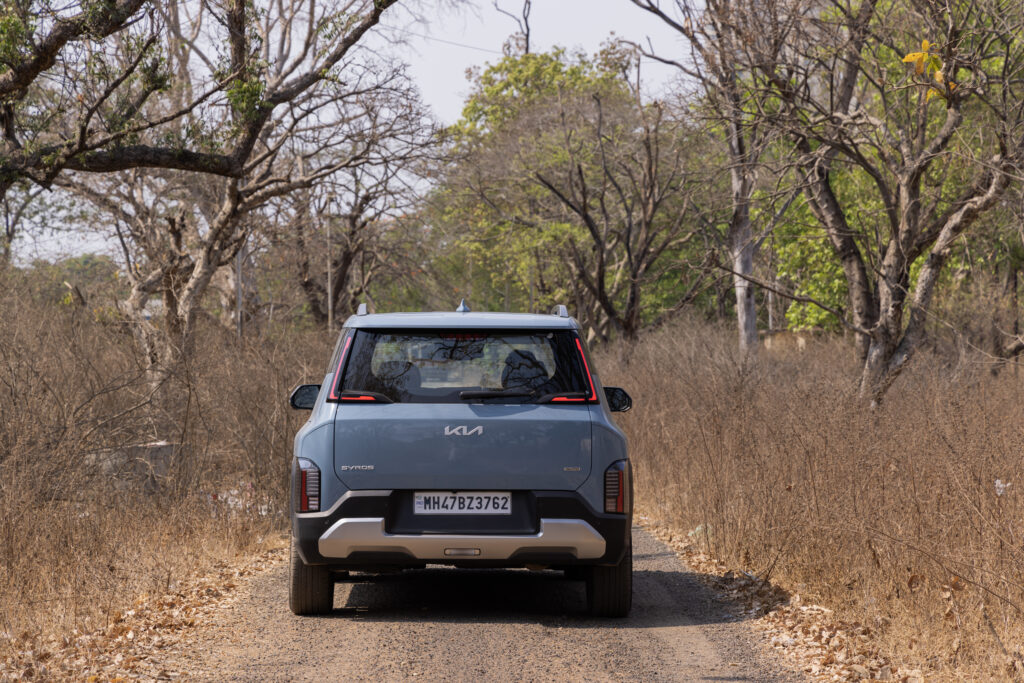
At the rear, the tail lamps merge with the cladding, echoing the design theme established at the front. The L-shaped lighting elements flanking the rear windscreen add a layer of visual drama, while the integrated spoiler and shark fin antenna complete the look.
And then there are the colours.
Kia has clearly leaned into the Syros’ personality here. Our test car came finished in the Frost Blue shade, which amplifies its character. This isn’t a car that blends into traffic. It either appeals to you or it doesn’t.
And that’s the point.
INTERIOR: WHERE INTENT MEETS EXECUTION
If the exterior is where the Syros experiments, the interior is where it reassures.
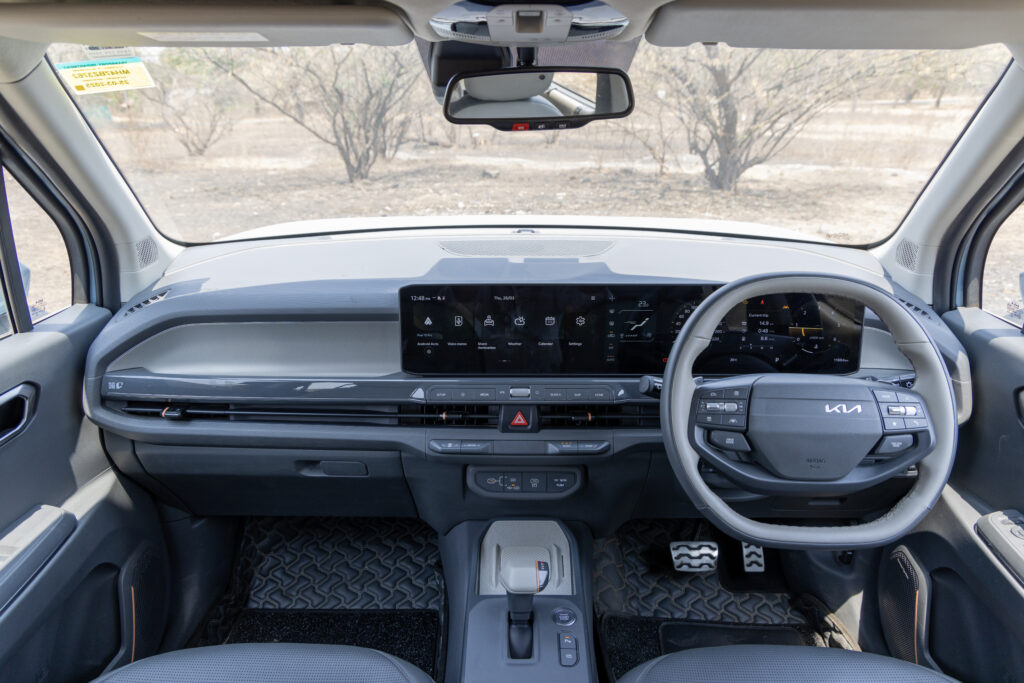
Step inside, and the first thing that stands out isn’t the screens or the lighting, it’s the usability. Kia has resisted the temptation to go fully touch-based, and that decision alone elevates the experience.
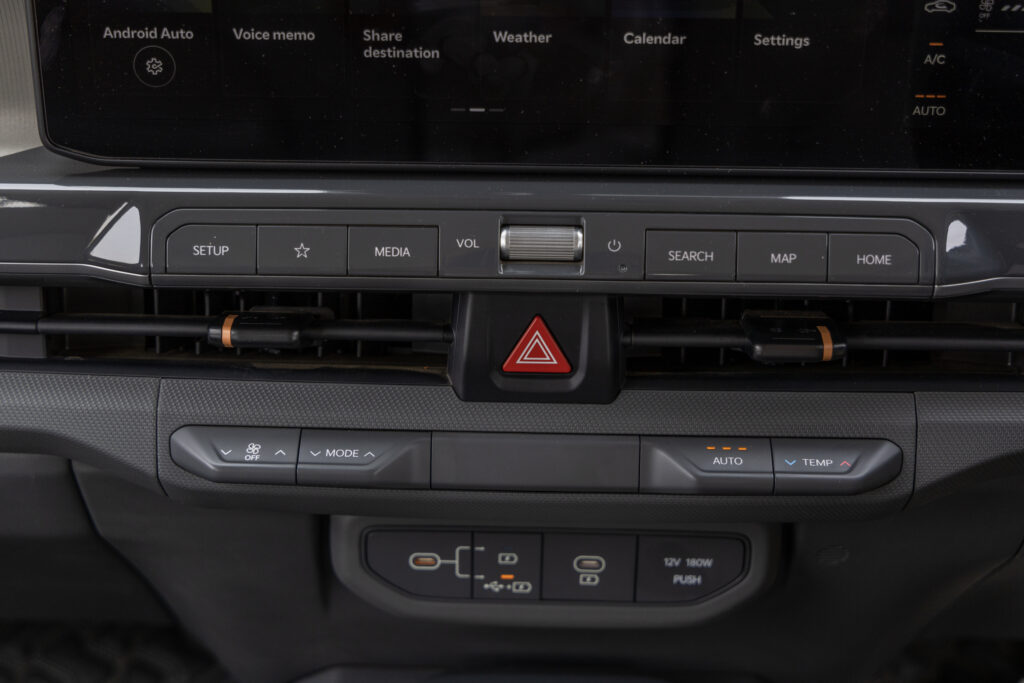
There are physical buttons for key functions. Climate controls, infotainment shortcuts, and frequently used features are accessible without diving into menus. In everyday driving, this makes a tangible difference. It’s safer, quicker, and far less distracting.
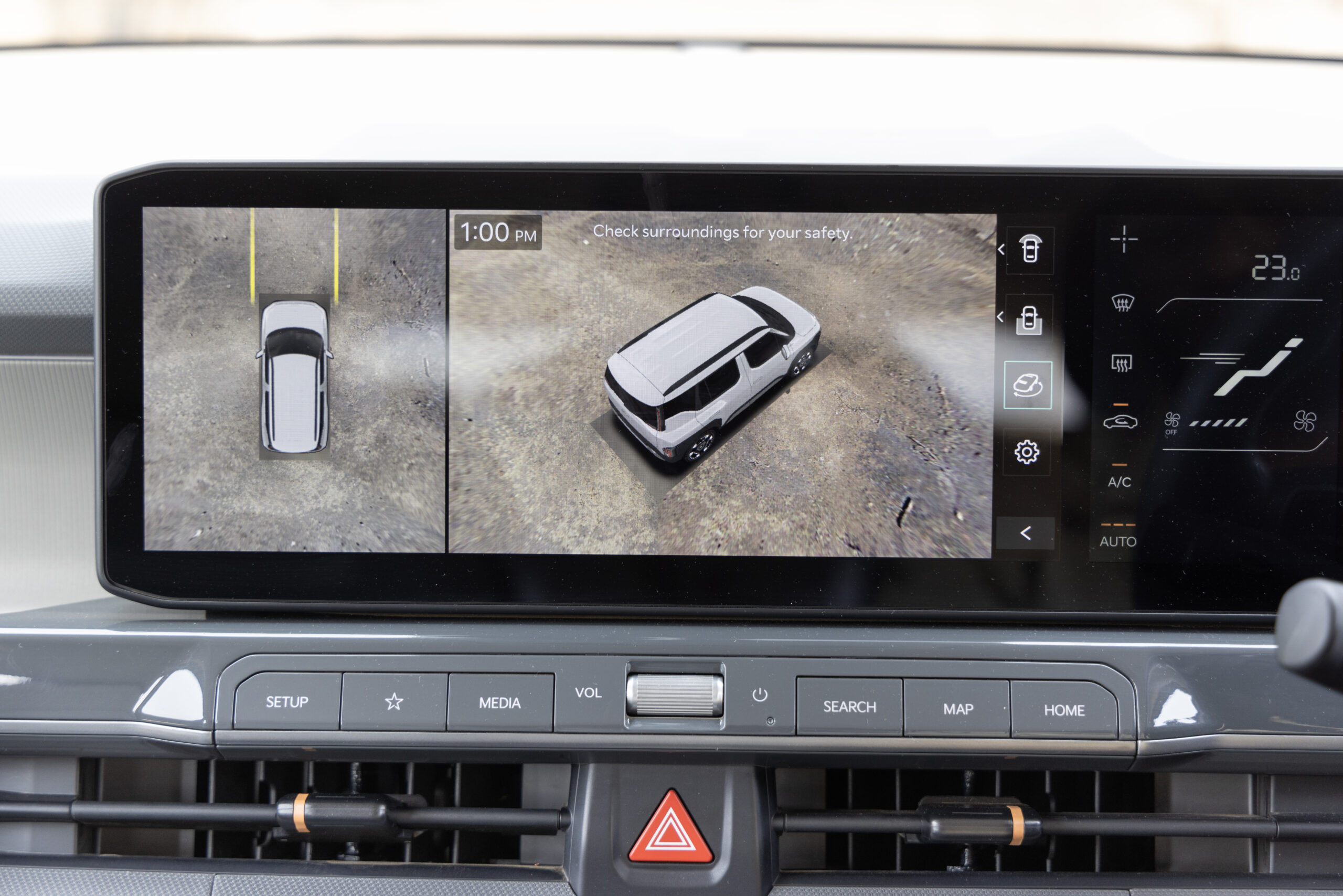
At the same time, the Syros doesn’t ignore modern expectations. The 30-inch Trinity panoramic display stretches across the dashboard, combining two 12.3-inch screens with a smaller 5-inch unit dedicated to HVAC controls.
The larger screens are excellent, clear, responsive, and easy to navigate. The smaller screen, however, is where ergonomics take a slight hit. Positioned between the two larger displays, it requires you to tilt or glance down more deliberately to read it, which feels slightly counterintuitive given how frequently HVAC settings are adjusted.
That said, the presence of physical buttons mitigates this issue to a large extent.
Material quality is another area where the Syros impresses. The cabin feels well-built, with a mix of textures and finishes that give it a premium edge. Hard plastics are present, but they’re not intrusive. Most touchpoints feel solid and thoughtfully executed.
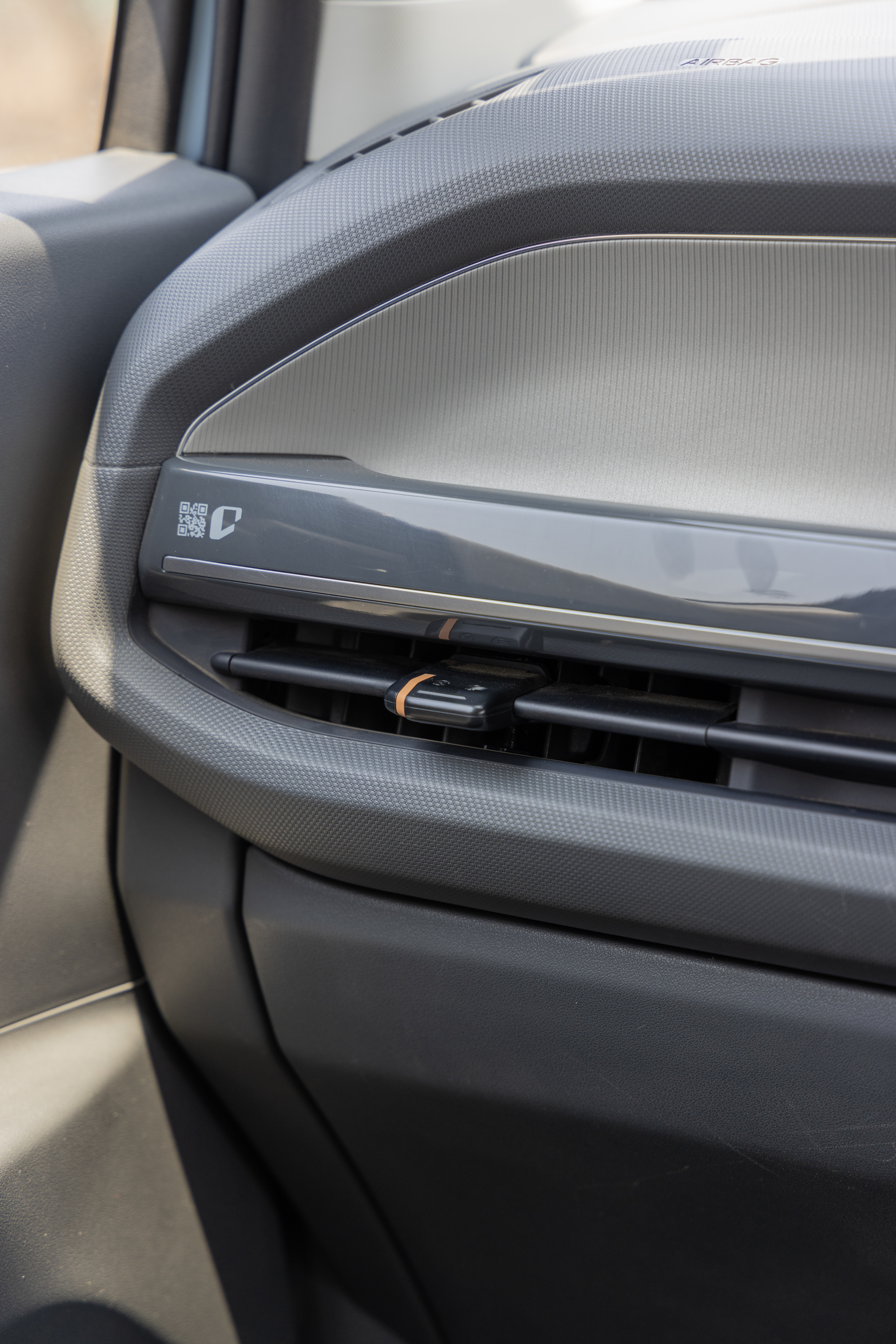
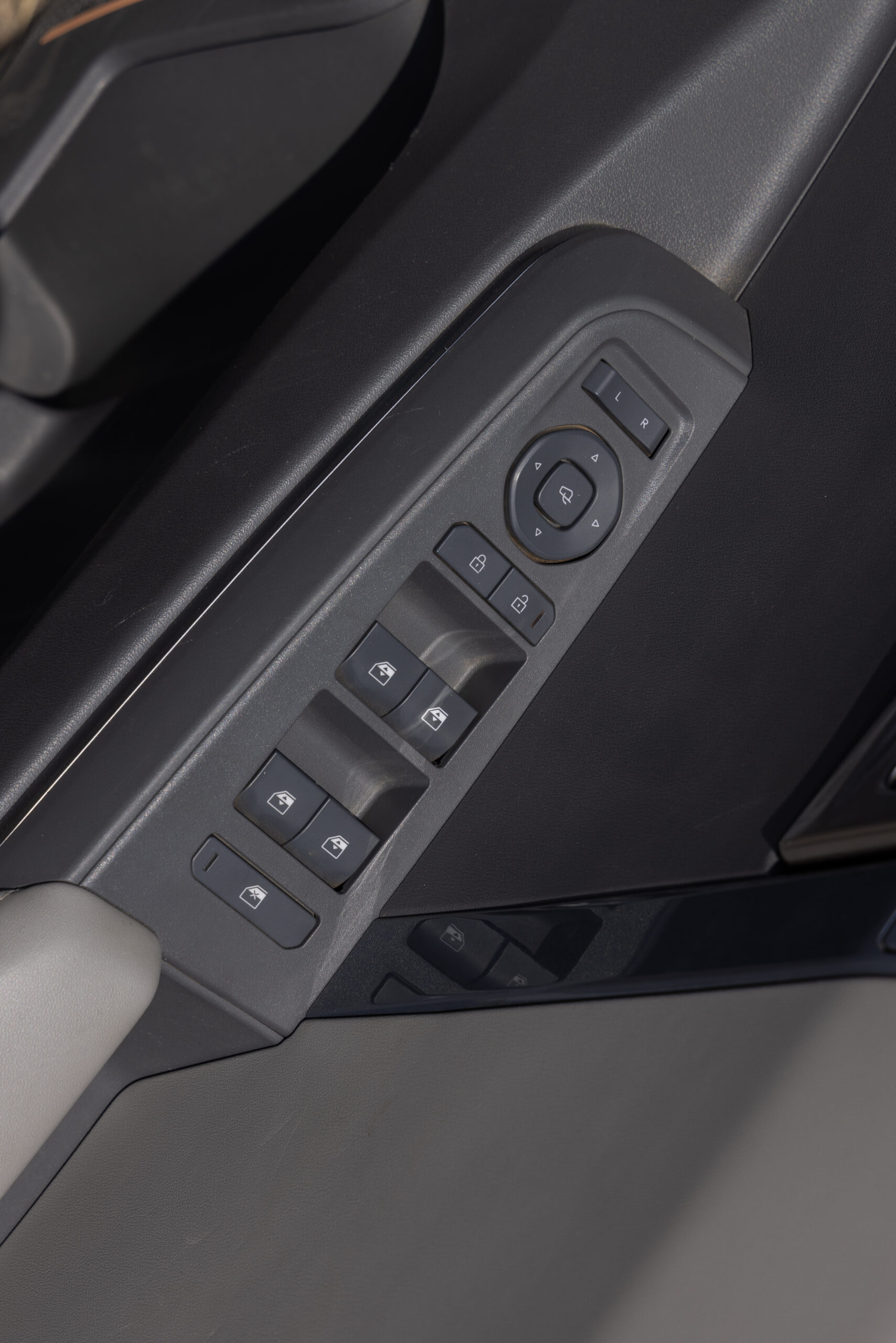
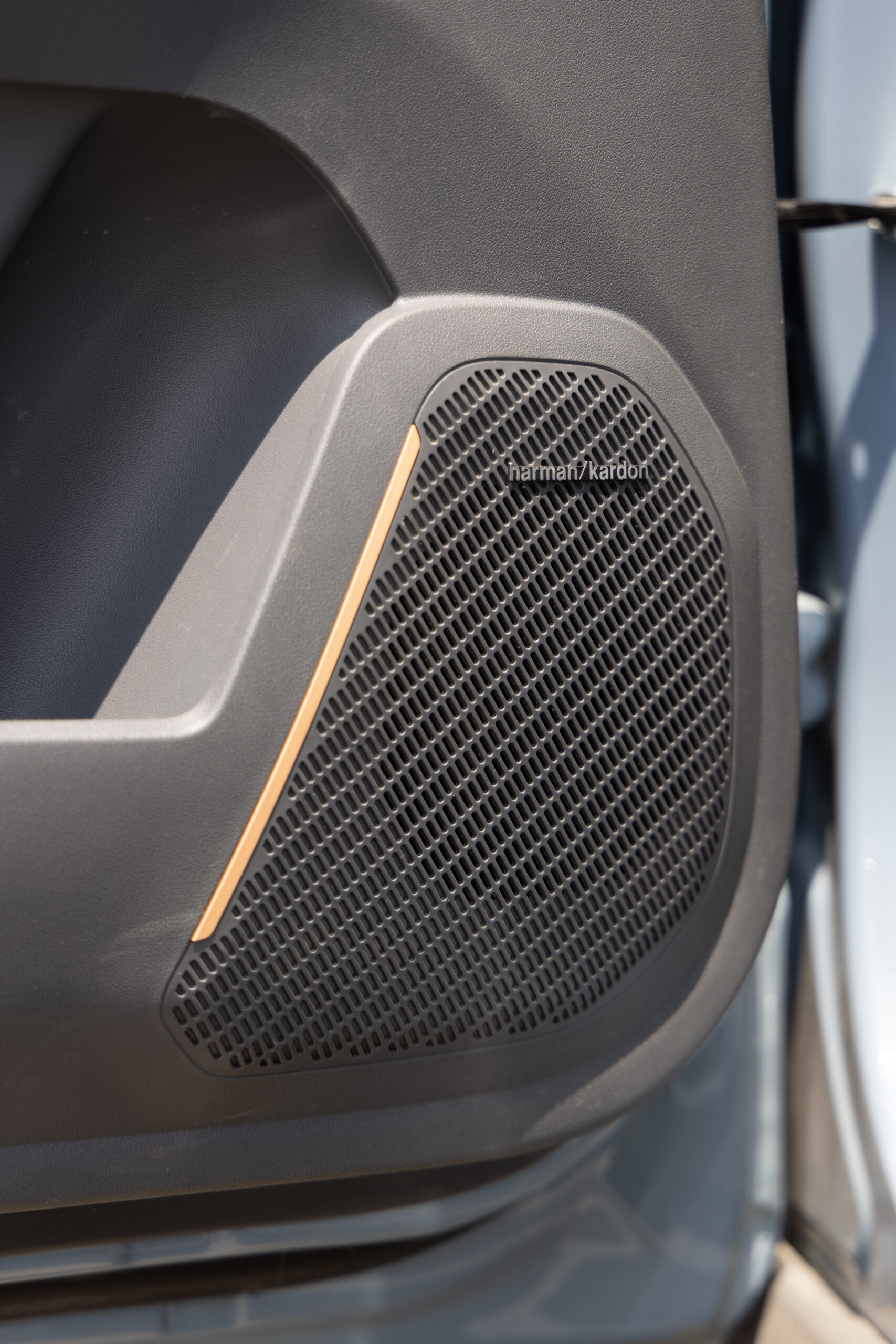
The colour schemes vary by variant, but all share a youthful, slightly playful palette. Matte orange accents, dual-tone finishes, and ambient lighting combine to create an environment that feels modern without being overwhelming.
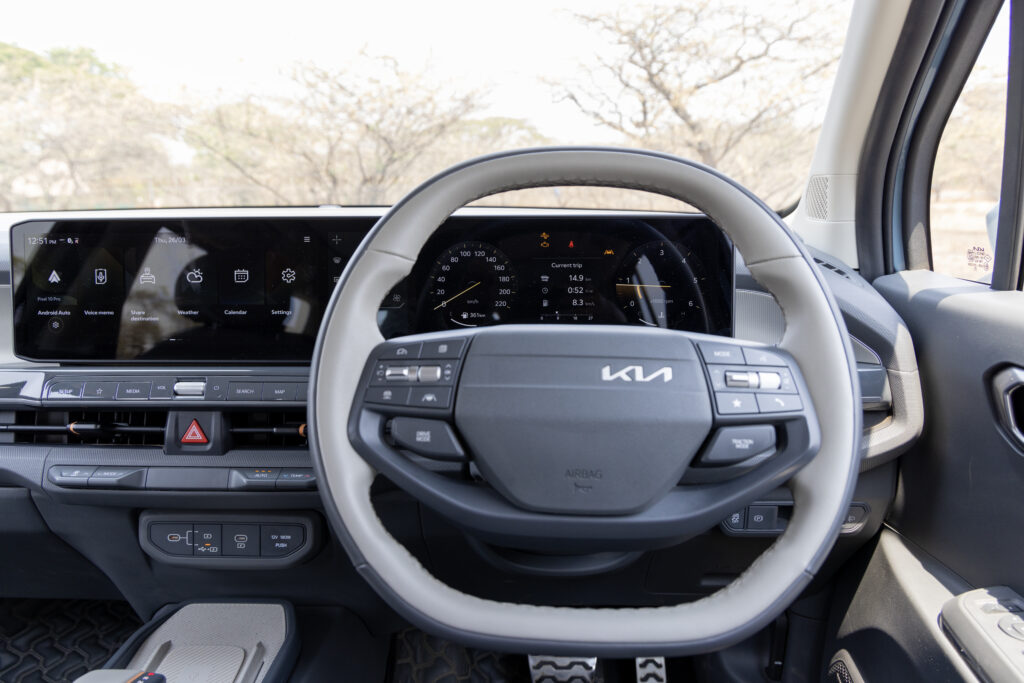
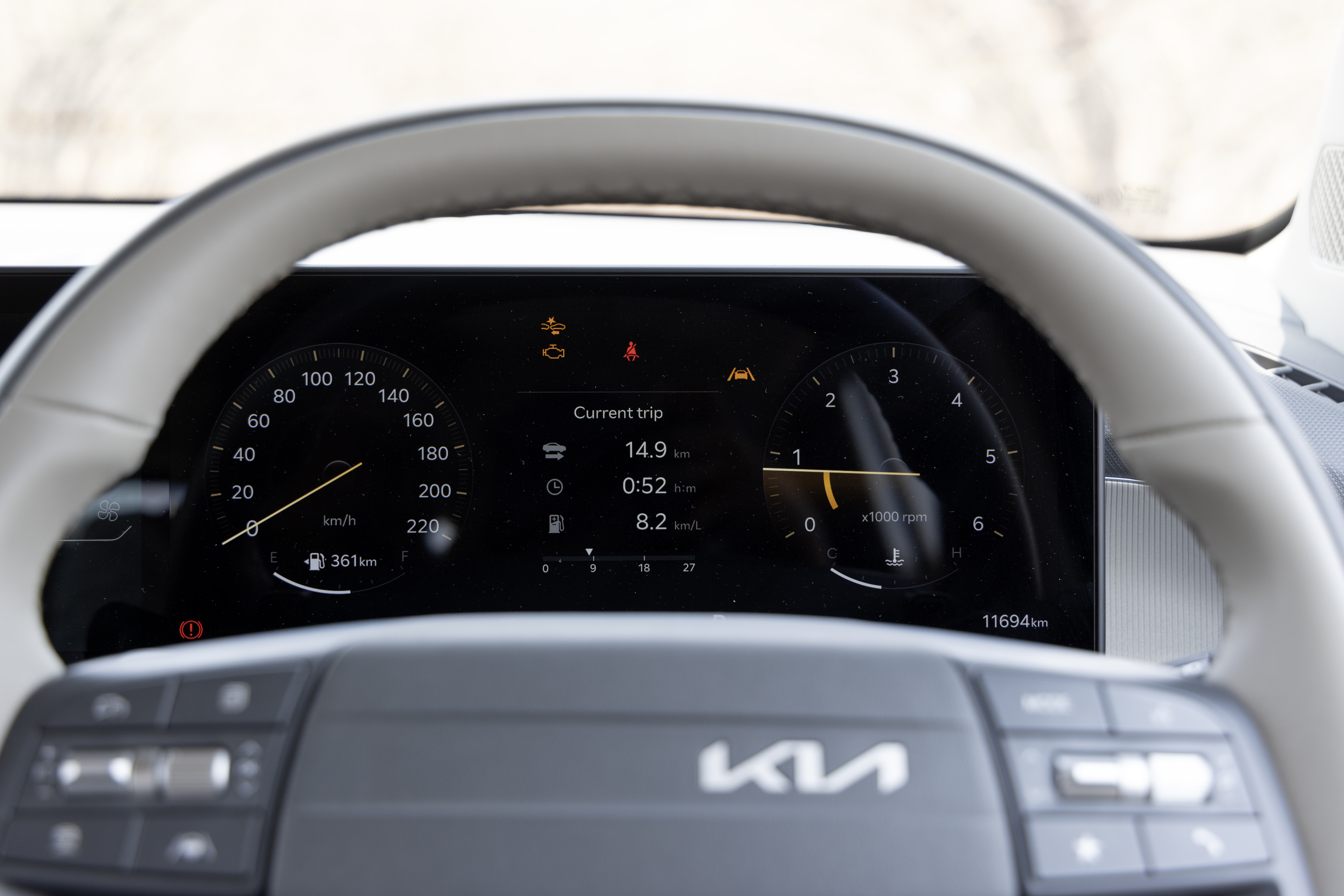
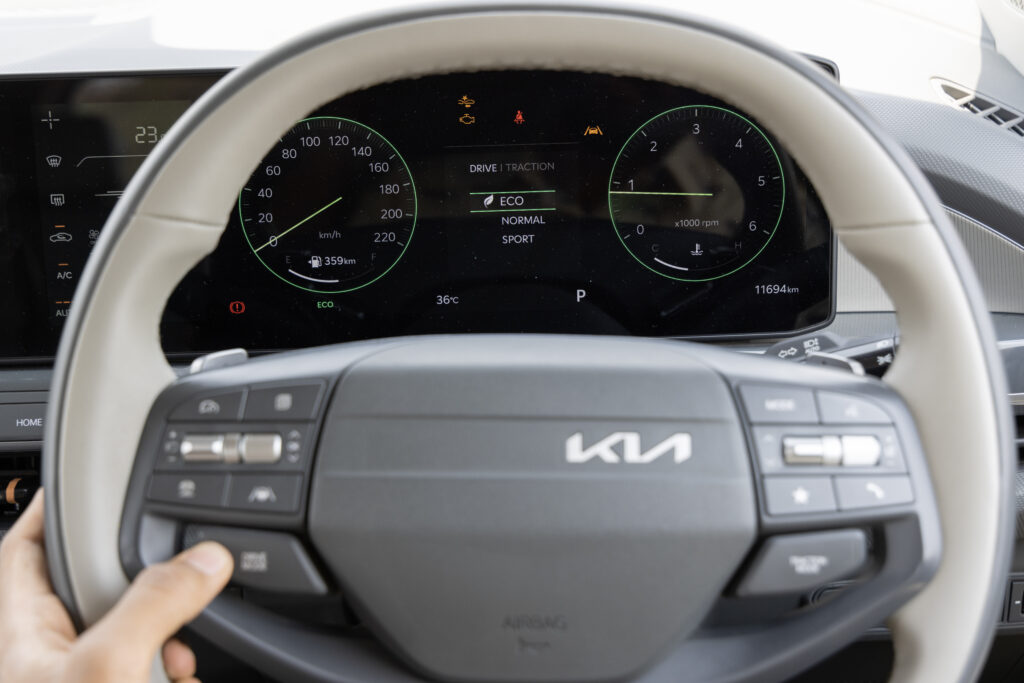
The steering wheel deserves a mention, too. It’s a two-spoke, squircle design with an offset logo, a departure from convention, but one that works once you get used to it. Controls are well-placed, and the inclusion of drive mode buttons on the wheel itself adds convenience.
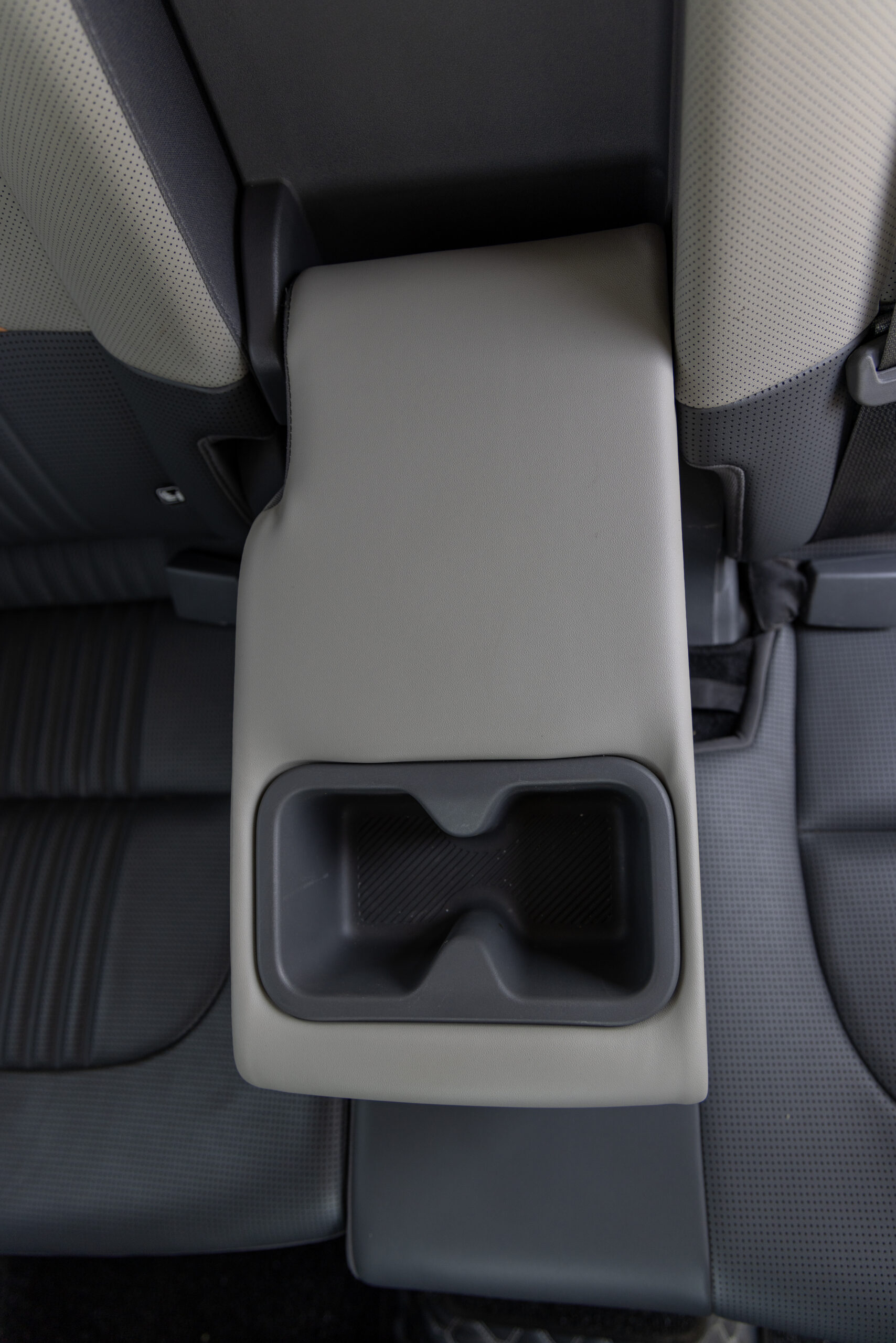
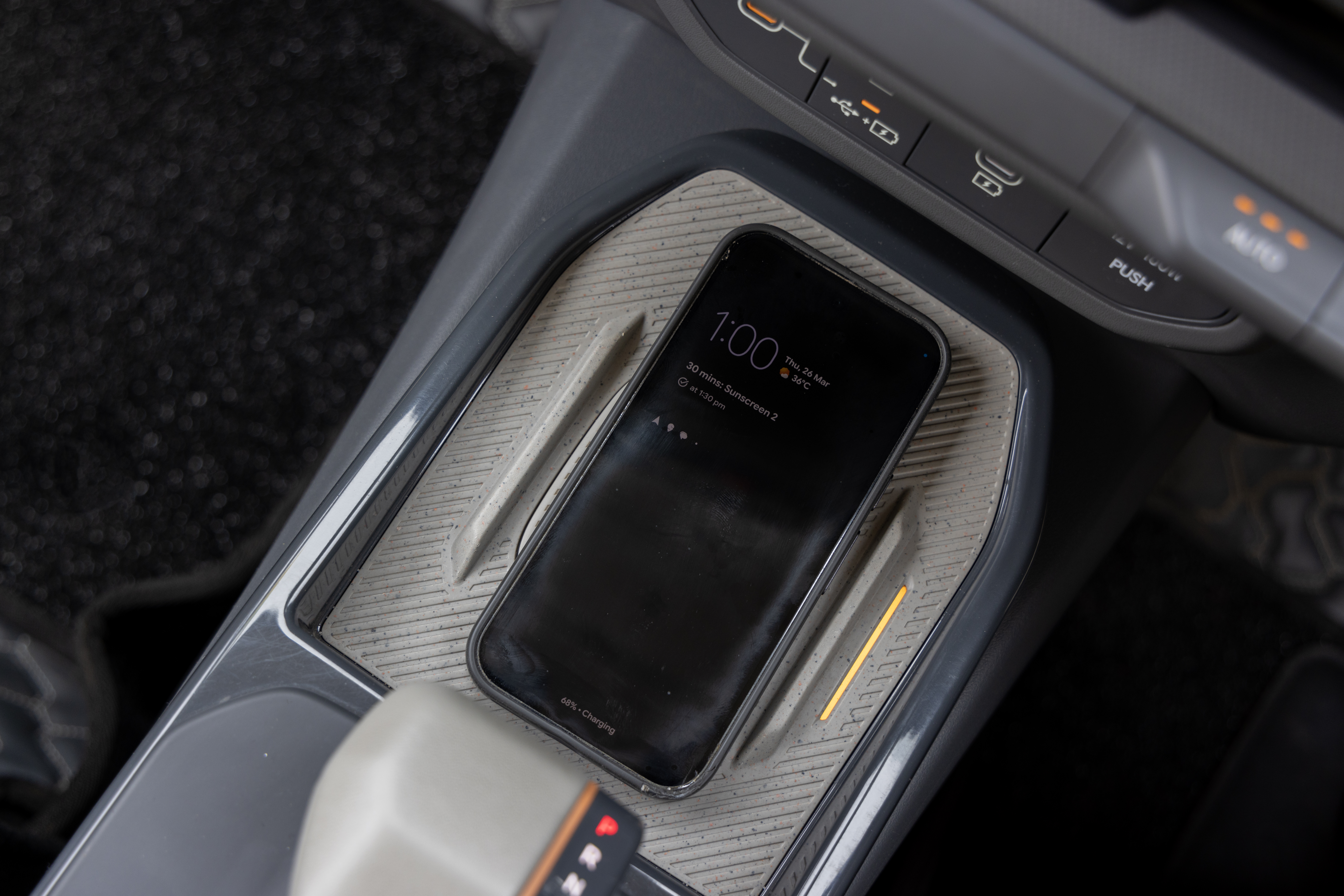
Storage spaces have been intelligently designed. The wireless charging pad is large and usable, the cupholders accommodate different sizes, and the door pockets can hold multiple bottles. Real-world usability was prioritised.
REAR SEAT EXPERIENCE: WHERE THE SYROS TRULY STANDS OUT
This is where the longer wheelbase starts paying dividends in a way that’s immediately noticeable.
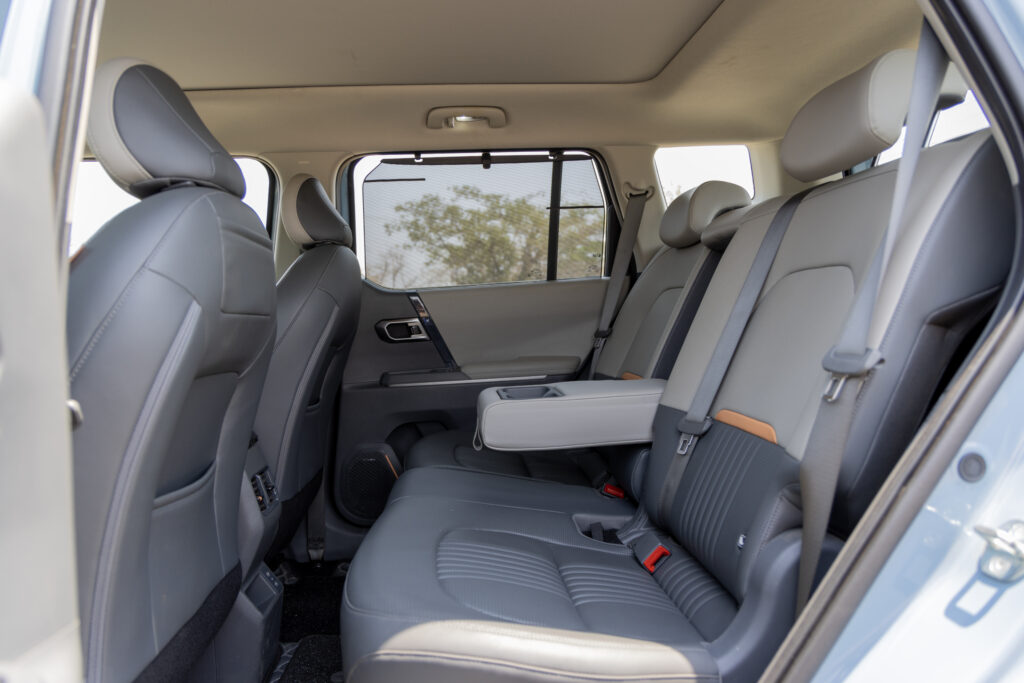
Both of us, comfortably over six feet, found ourselves seated in the rear without compromise. Legroom is generous, headroom is ample, and the overall sense of space feels closer to a segment above than within it.
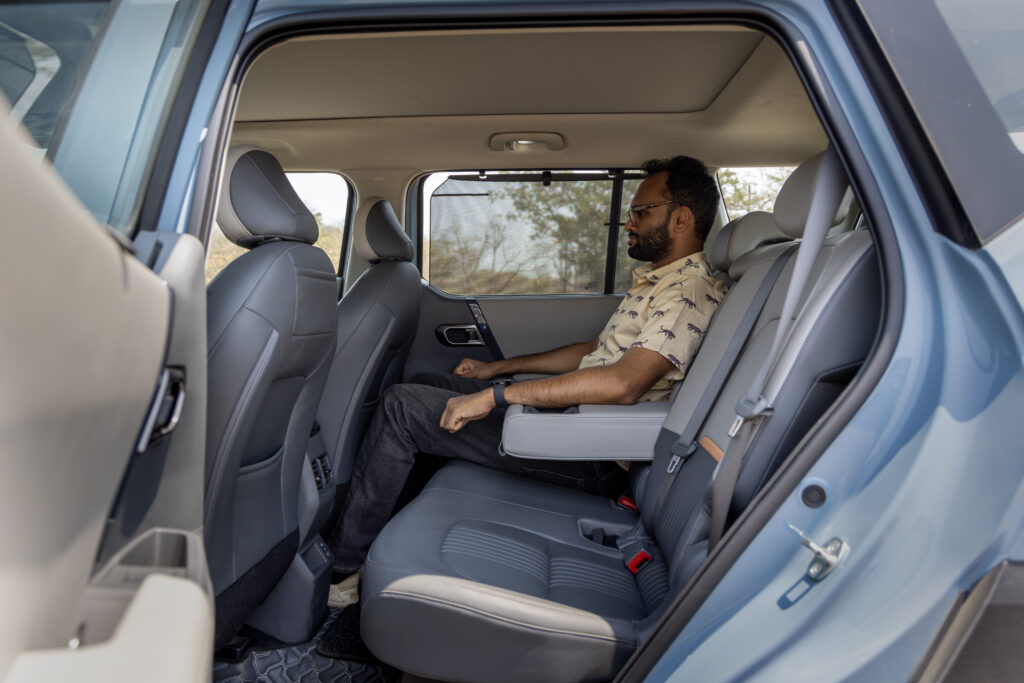
But Kia doesn’t stop at just offering space.
The rear bench is mounted on rails, allowing it to slide forward and backwards. This introduces a level of flexibility that’s rare in this segment. Need more boot space? Slide the seats forward. Want maximum legroom? Push them back.
The backrest reclines as well, offering multiple angles that significantly enhance comfort on longer journeys.
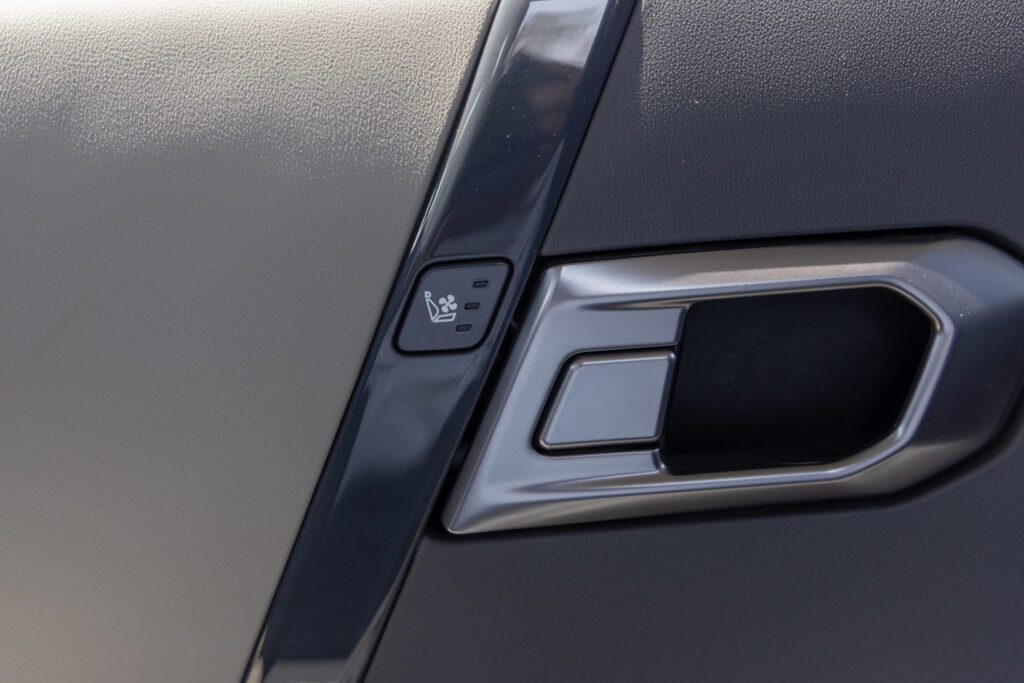
Rear seat ventilation is present, though limited to the seat base. While it would have been ideal to include backrest cooling as well, Kia’s explanation lies in packaging constraints; adding blower units to the backrest would have compromised sliding and reclining functionality.
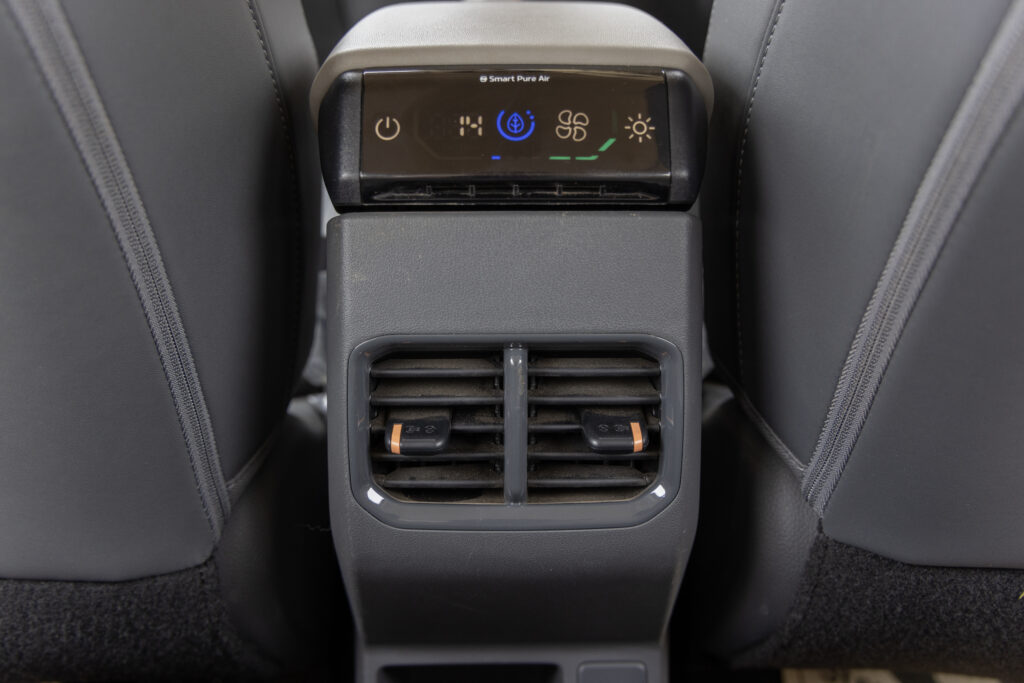
Sunshades, rear AC vents, and thoughtful touches like armrests and storage options further enhance the experience.
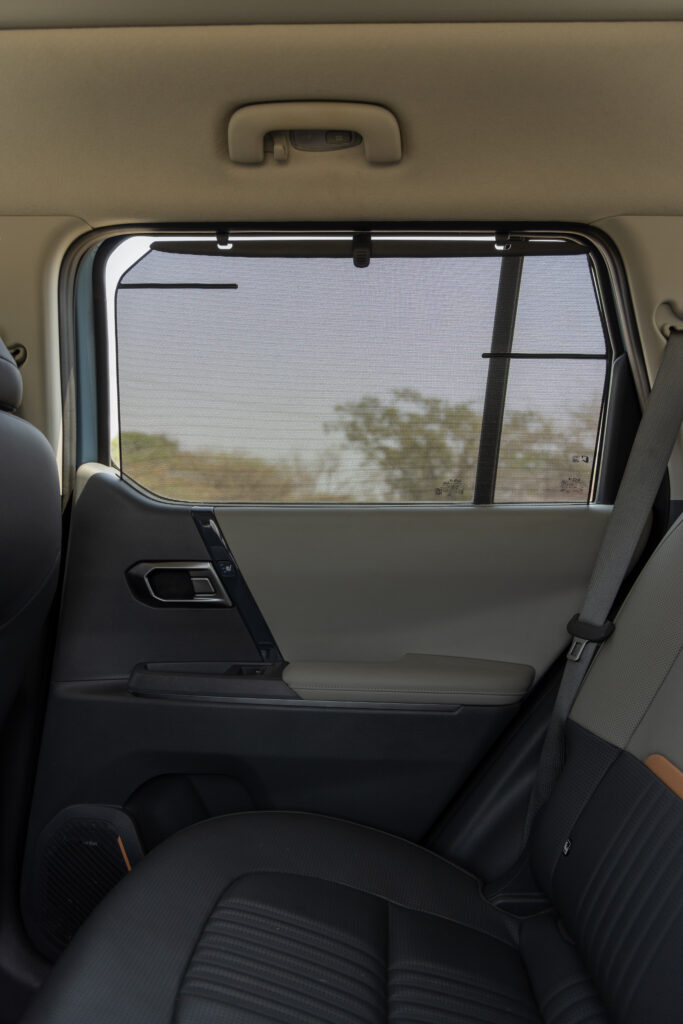
Width remains the only limitation. Three passengers at the back will feel tight, but for two, it’s an exceptionally comfortable place to be.
The boot, too, adapts to seat position, ranging from 390 to 465 litres. It’s practical, flexible, and well thought out.
PERFORMANCE: FAMILIAR, PROVEN, AND PURPOSEFUL
The 1.5-litre diesel engine under the hood produces 117bhp and 250 Nm of torque, paired with a 6-speed torque-convertor automatic. It’s an engine we’ve experienced across multiple Kia and Hyundai products, and here it behaves as expected.
Low-end torque is its strength. Off-the-line response is good, making city driving effortless. The gearbox shifts smoothly, though it leans towards comfort rather than urgency.
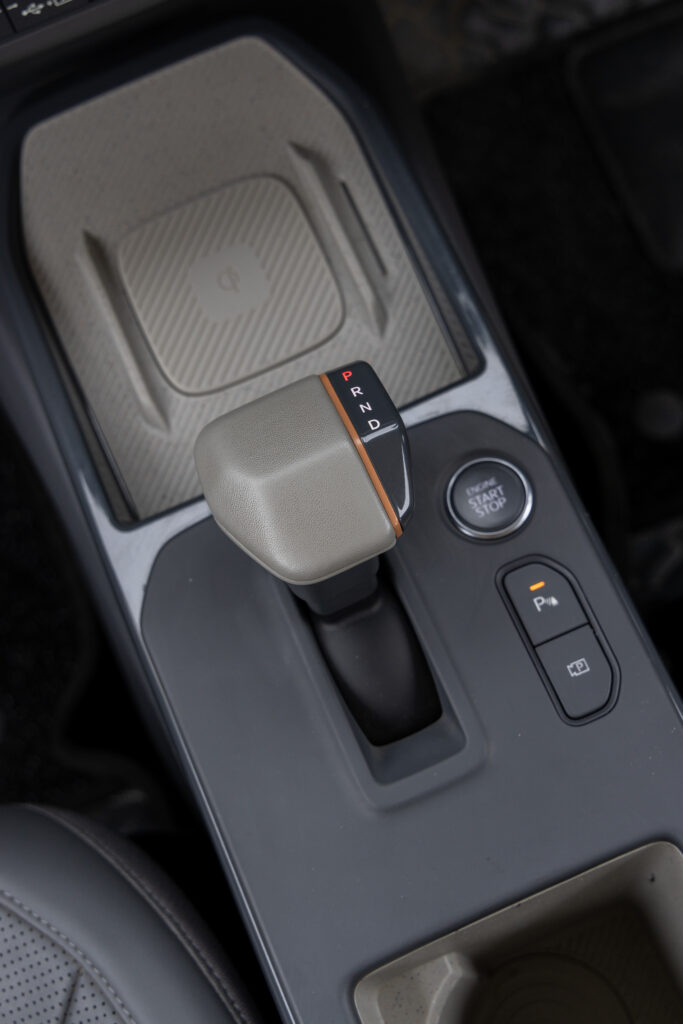
This isn’t a setup designed to thrill. It’s designed to move you along with minimal effort.
Overtaking doesn’t require planning. The torque delivery is linear and predictable, and the car feels relaxed in most driving scenarios.
Sport mode adds a bit of responsiveness, particularly on highways, but the default mode aligns better with the car’s overall character.
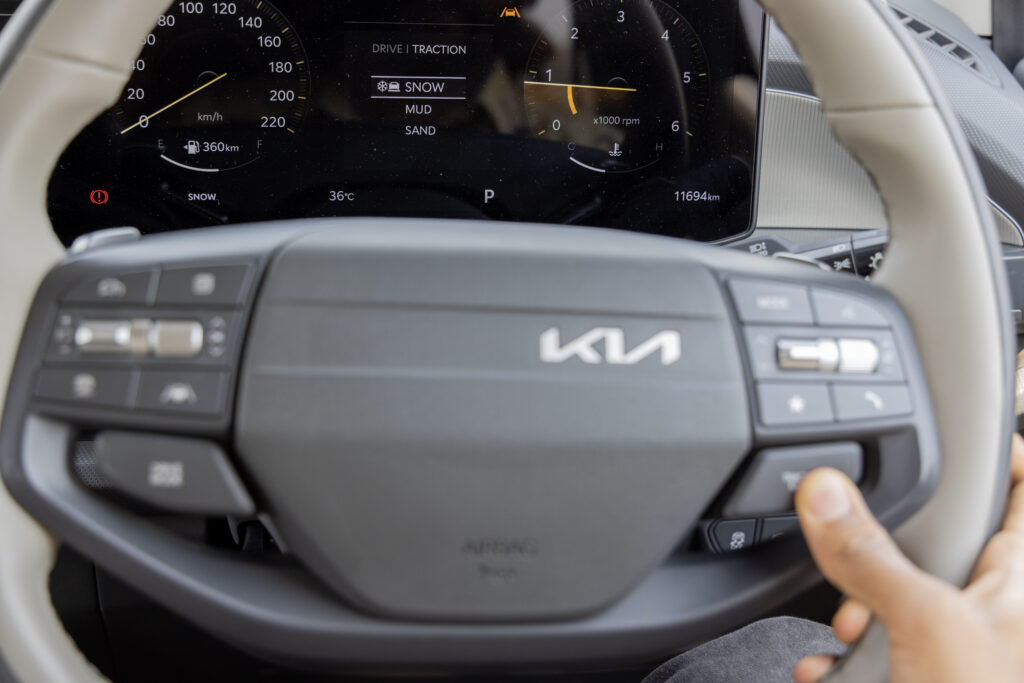
Paddle shifters are present, but rarely necessary. The gearbox does its job competently without intervention.
REFINEMENT AND EFFICIENCY
Refinement is where the Syros doesn’t fully match its otherwise polished character.
At lower speeds, the cabin remains reasonably quiet. But as revs climb beyond 2,500rpm, engine noise becomes more noticeable. It’s not harsh, but it does intrude into the cabin more than expected for a car focused on comfort.
Given Syros’ positioning, better insulation would have significantly enhanced the overall experience.
Efficiency, however, remains respectable. Even after extensive usage, over 10,000 kilometres including prior drives, the car delivered real-world figures in the 14–15 kmpl range.
RIDE AND HANDLING: COMFORT ABOVE ALL
Driving the Syros in city conditions highlights its biggest strength, ride quality.
The suspension is tuned to absorb imperfections. Potholes, rough patches, uneven surfaces, it handles them with composure. Even with 17-inch wheels, the ride remains largely unaffected.
On highways, it stays planted on smooth surfaces, though vertical movement becomes noticeable at higher speeds, especially on less-than-perfect roads.
Handling reflects its comfort-oriented nature. Body roll is present, and the limits are easy to find. It doesn’t encourage aggressive driving, and that’s intentional.
The steering weighs up at higher speeds, offering confidence, but could have been lighter in city conditions.
VERDICT: UNDERSTANDING THE SYROS
The Kia Syros is not a conventional answer to a conventional question.
It doesn’t try to be the sportiest.
It doesn’t try to be universally appealing.
It doesn’t even try to justify its existence in obvious ways.
Instead, it focuses on what matters in everyday use: comfort, space, usability, and practicality.
Now, the pricing plays a crucial role in how you perceive it. The Syros starts at ₹8.67 lakh for the entry-level HTK variant and goes up to ₹14.56 lakh for the top-spec HTX+ (ex-showroom). On paper, this might feel like a slightly awkward band to sit in. Stretch a bit lower, and you land comfortably into a well-equipped Sonet; stretch a bit higher, and the Seltos begins to come into view.
But that’s exactly where the Syros asks you to rethink your approach.
Rather than viewing it as a compromise between the two, it makes more sense to see it as a distinct proposition altogether. One that isn’t trying to replace either sibling, but rather offers something they don’t fully prioritise: rear-seat space that genuinely surprises, a comfort-first suspension setup, and a cabin experience that feels thoughtfully designed for daily life rather than occasional excitement.
Yes, the design will divide opinion.
Yes, refinement could be better.
But beyond that, it delivers where it truly counts.
Comfortable seats.
Flexible rear space.
A strong, usable feature list.
Real-world efficiency.
And a cabin that feels like it understands how you actually use your car.
In increasingly congested cities, where driving is less about speed and more about endurance, the Syros feels relevant.
It’s not trying to impress you instantly.
It’s trying to make your everyday better.
And in doing so, it quietly makes a very strong case for itself.
Shot by: Shreya Somani for Drive Around the Globe (DAG) India