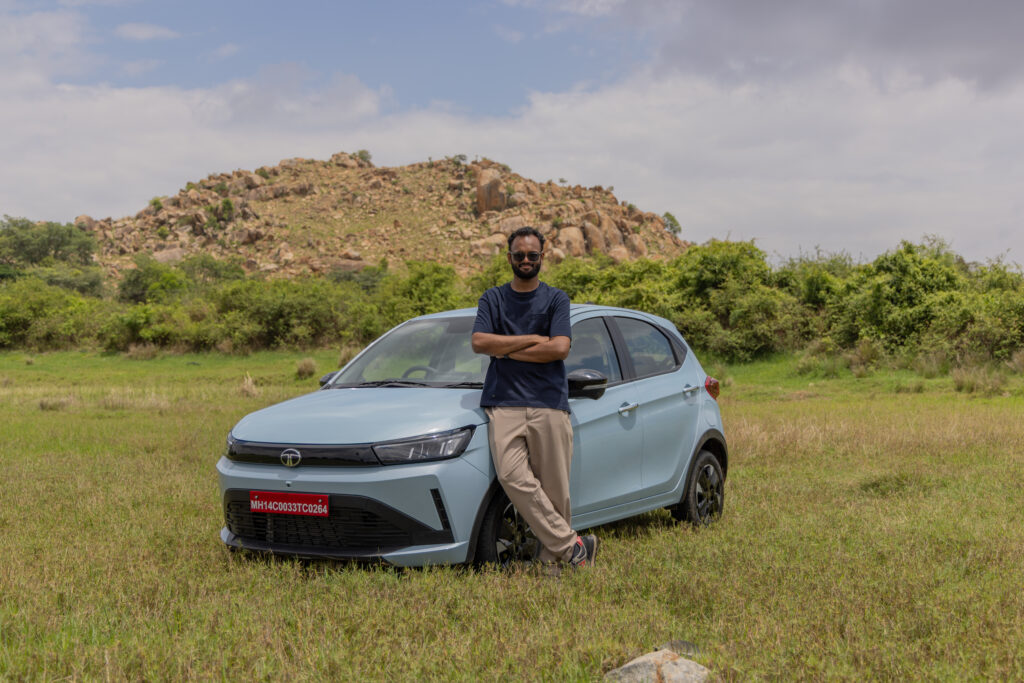
The 2026 update to the Tata Tiago gives it a design that will age well, a modern interior, and a safety package…
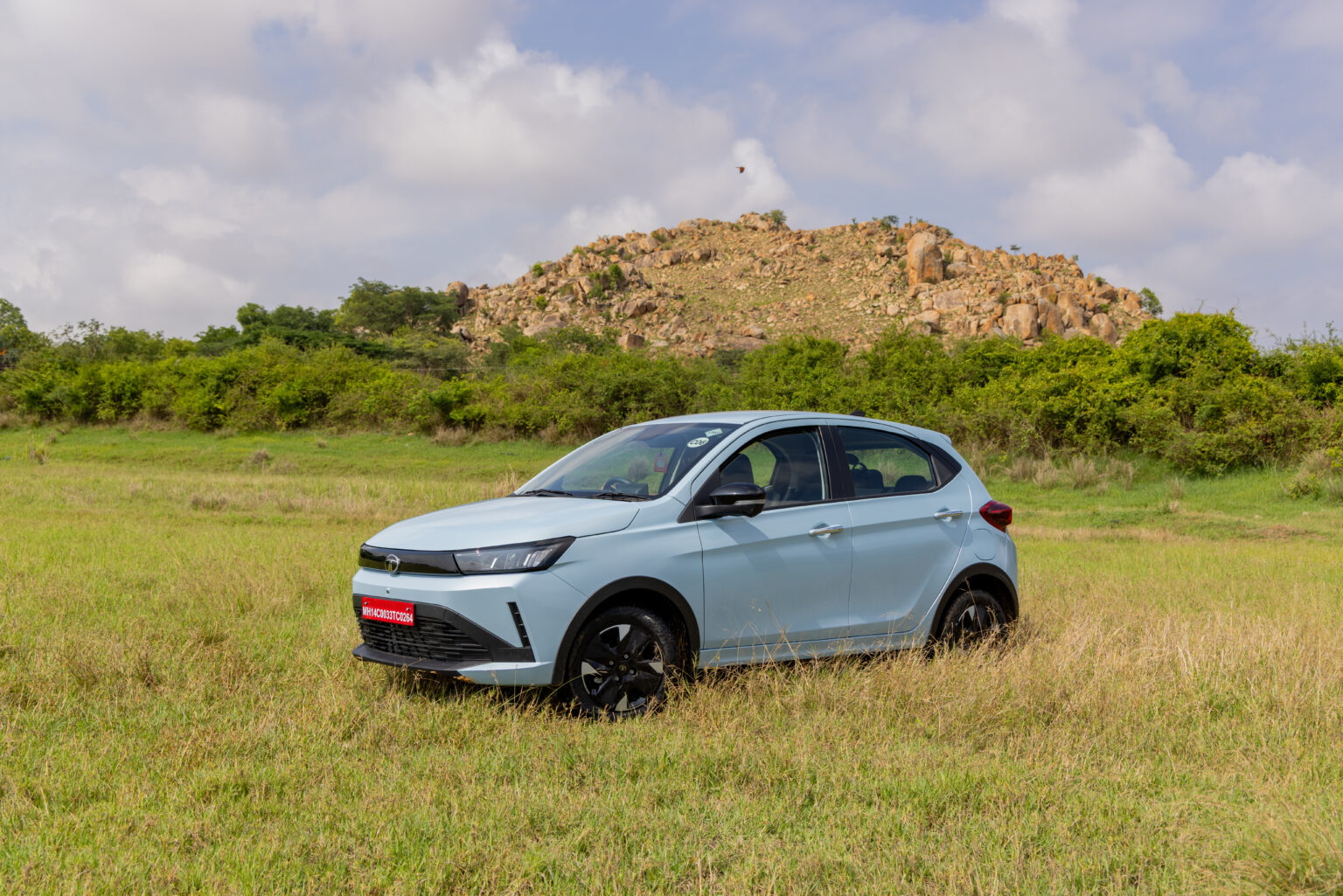
The 2026 update to the Tata Tiago gives it a design that will age well, a modern interior, and a safety package that inspires confidence while retaining the segment-leading ride quality
The hatchback segment doesn’t get talked about much anymore. All the energy in 2026 is somewhere around the Rs 10-lakh mark and above, which makes sense, because that’s where the margins are and that’s where the marketing budgets go. But it’s also the segment that most of India still quietly buys in, and Tata knows that better than most. The interesting thing about the Tiago’s position in their lineup is that it doesn’t need to carry the brand. The Punch does that. The Nexon does that. The Tiago just needs to be good. And with this update, Tata has largely managed that.
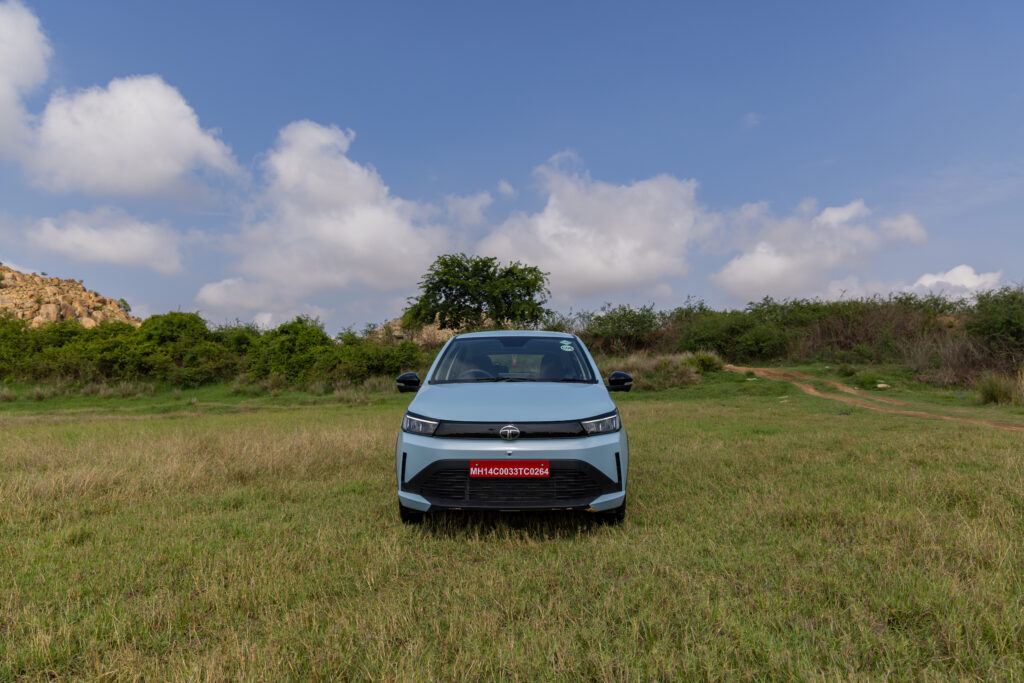
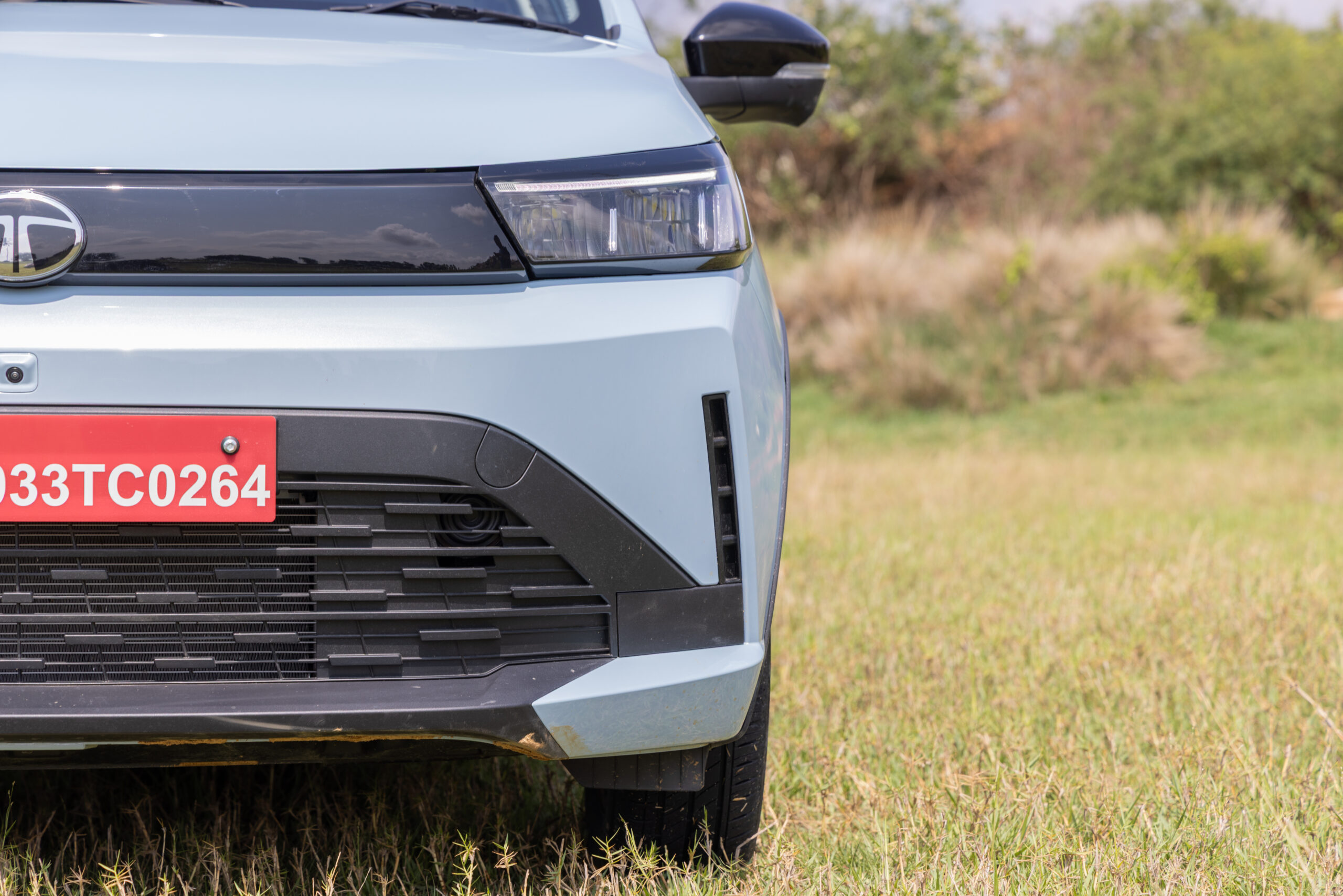
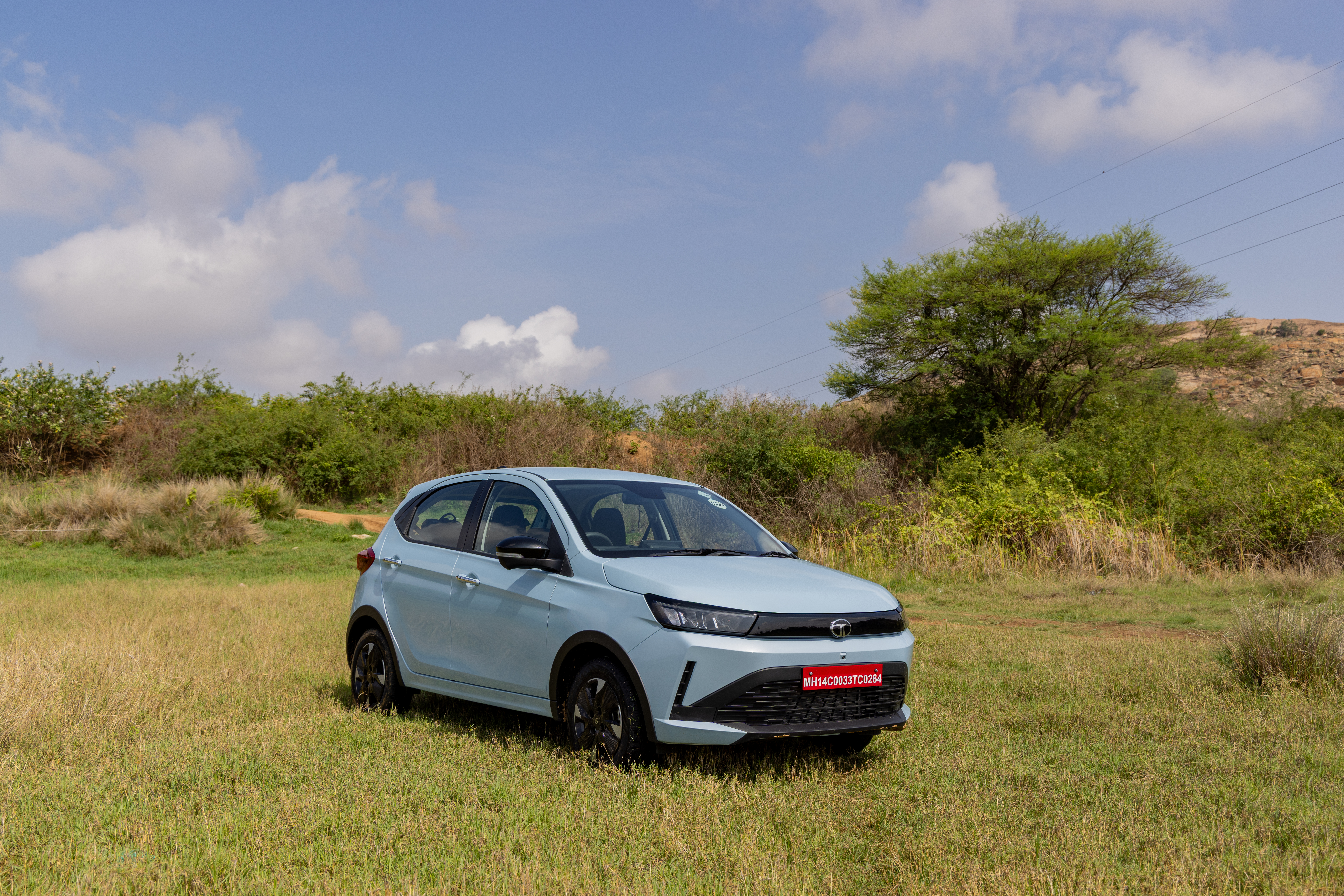
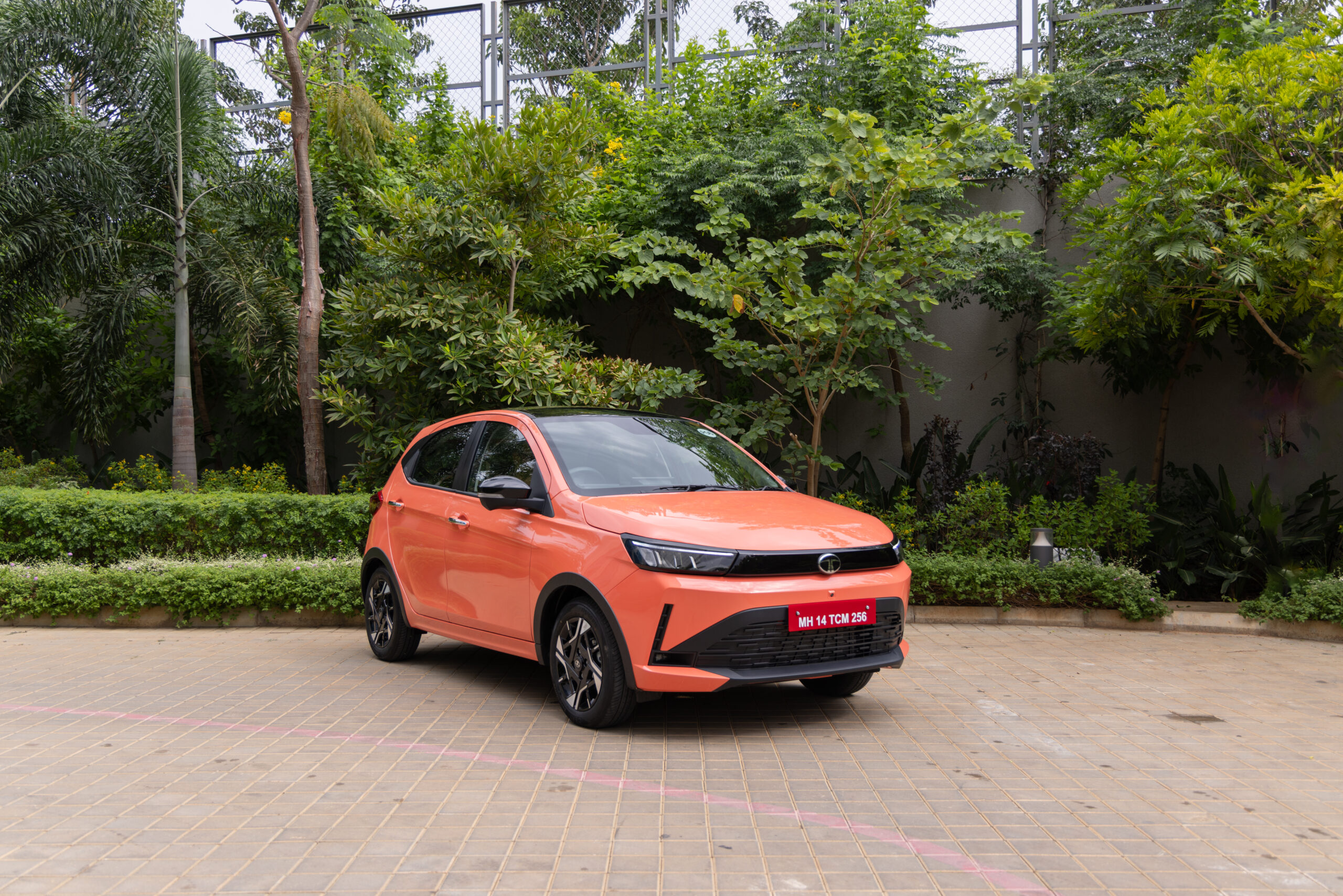
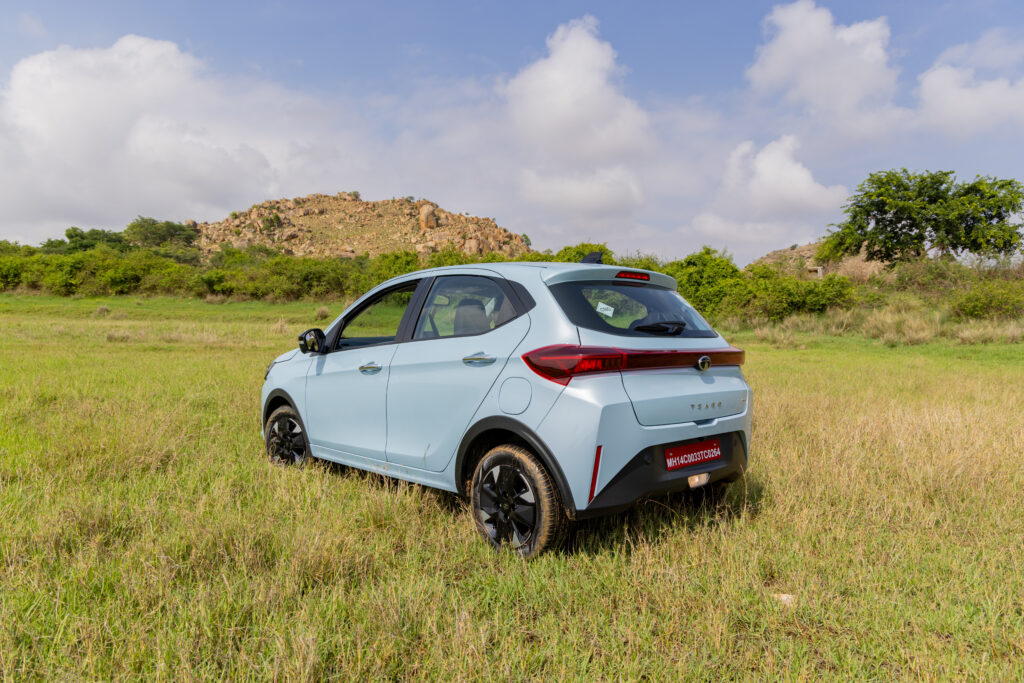
The outside has been worked over properly. The front end is sharper now, more upright than the outgoing car’s rounder face, and I think it’ll age better for it. New slim headlamps sit higher on the fascia alongside a redesigned grille and a bumper with a larger air dam. The whole thing reads as more resolved, more intentional than before. At the rear, connected tail-lamps and a cleaner bumper carry the theme through. New alloy designs and black wheel arch cladding over the sides round it out. None of this is dramatic, but I genuinely like where it’s landed. The 2026 Tiago looks like a car that was designed in this decade, which sounds like a low bar but wasn’t always a given in this segment.
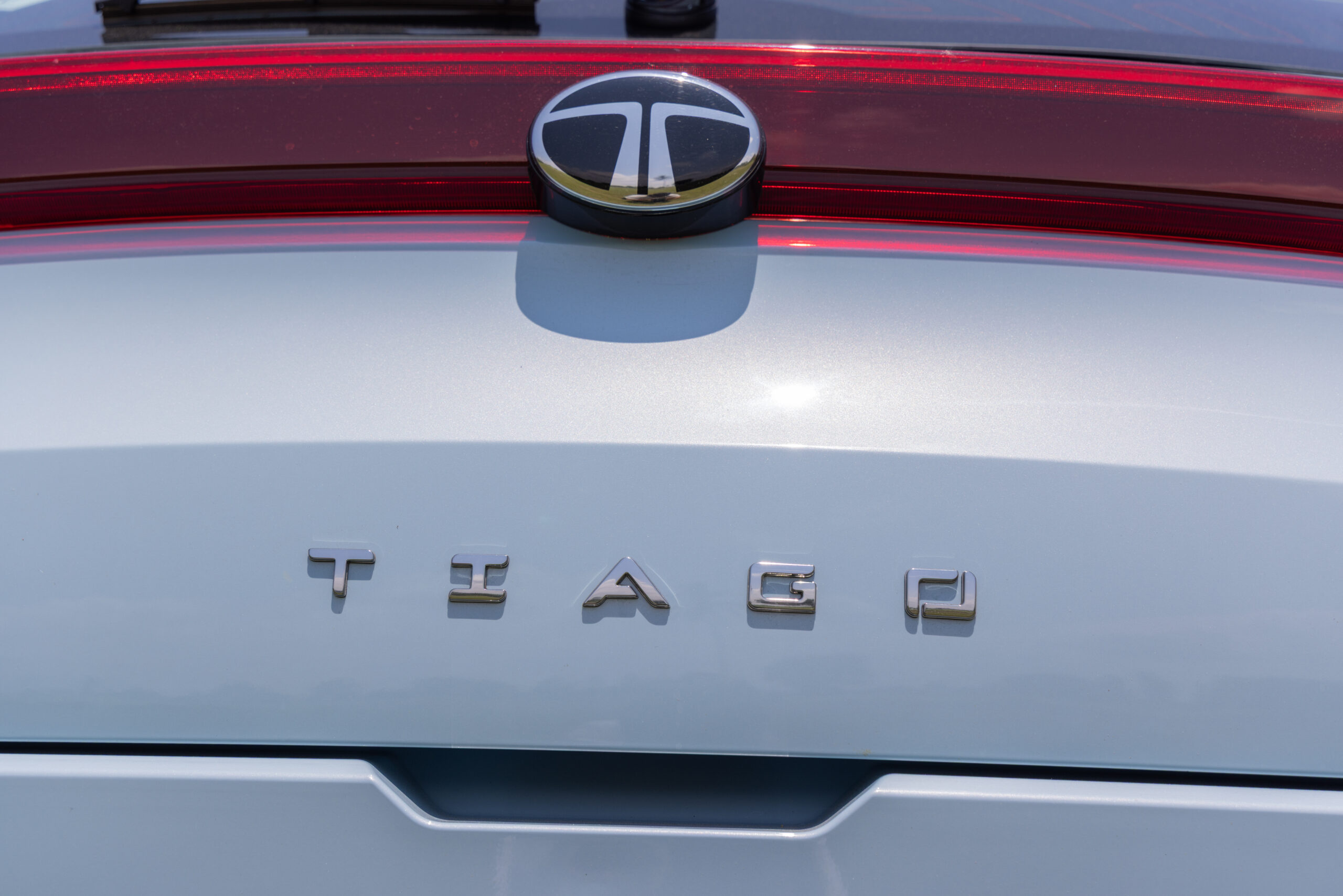
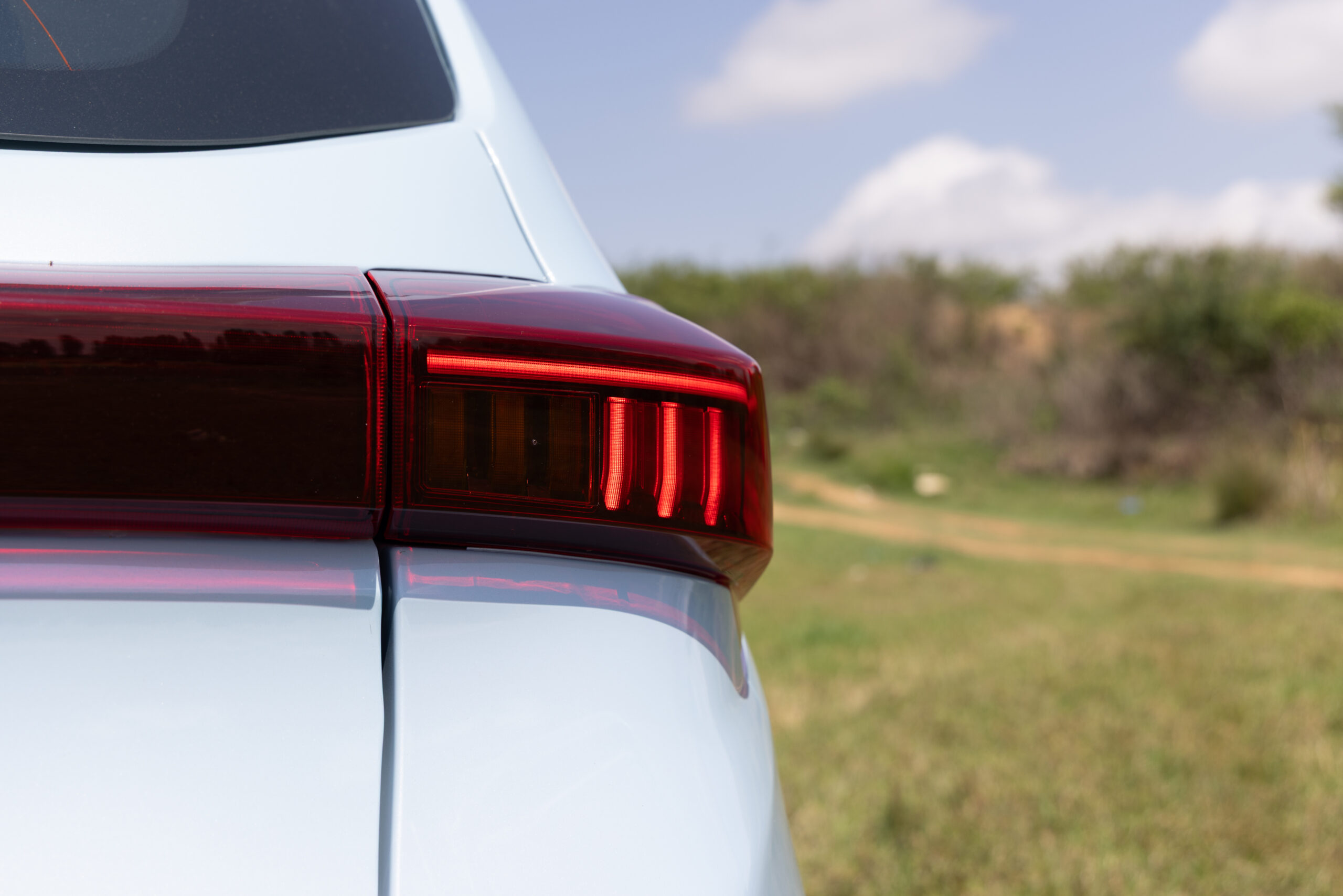
The colour options deserve a callout too. Six choices: Daytona Grey, Pangong Pulse, Pristine White, Pure Grey, Sobo Surge, and Varanasi Vibrance. In a segment that has existed almost entirely in white and silver since the beginning of time, the pastel options stand out. Of the two I’d actually consider, the Pangong Pulse works well on the car. The Varanasi Vibrance, not so much. Whether enough buyers will actually step away from the safe choices is another question, but the option being there is still better than it not being.
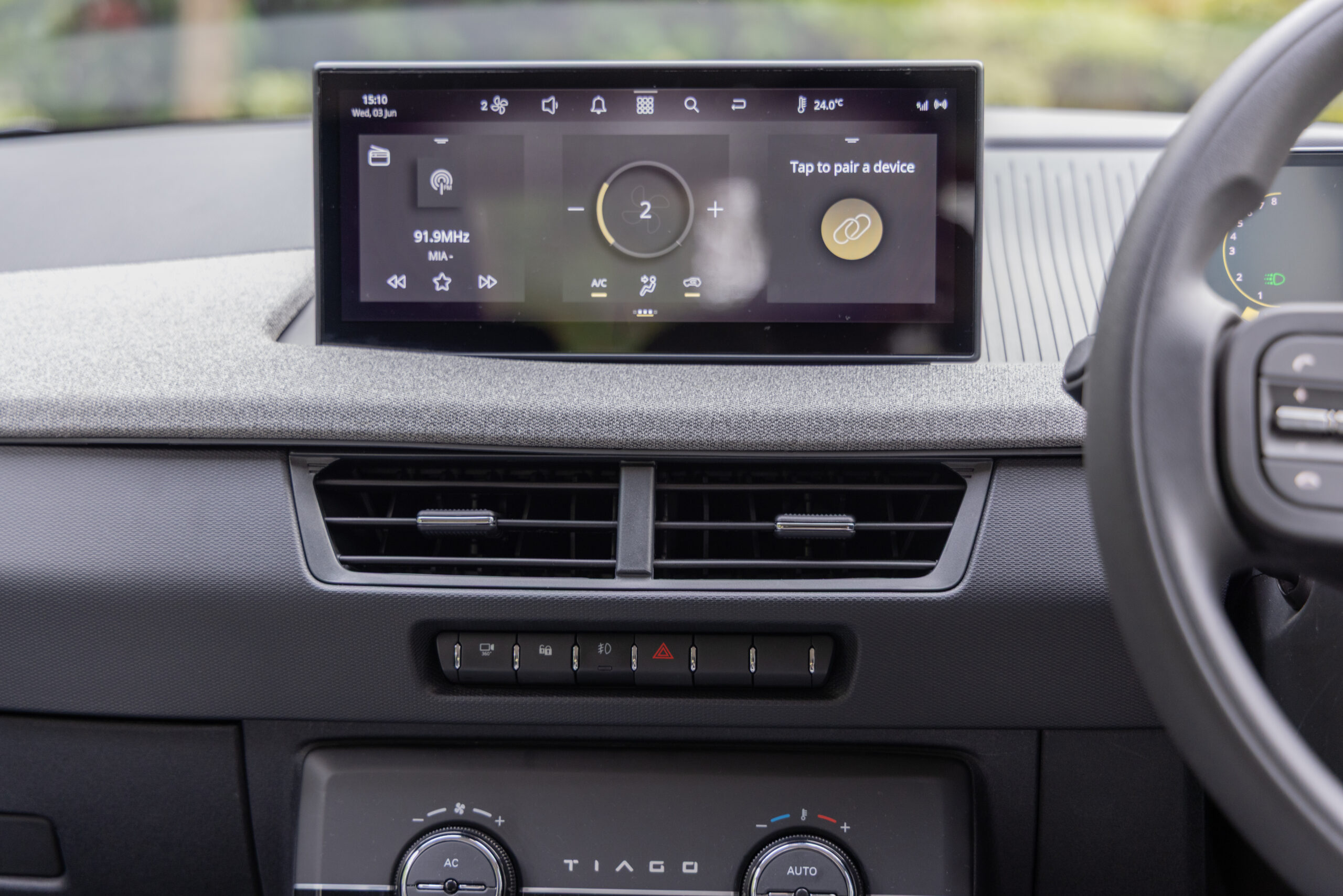
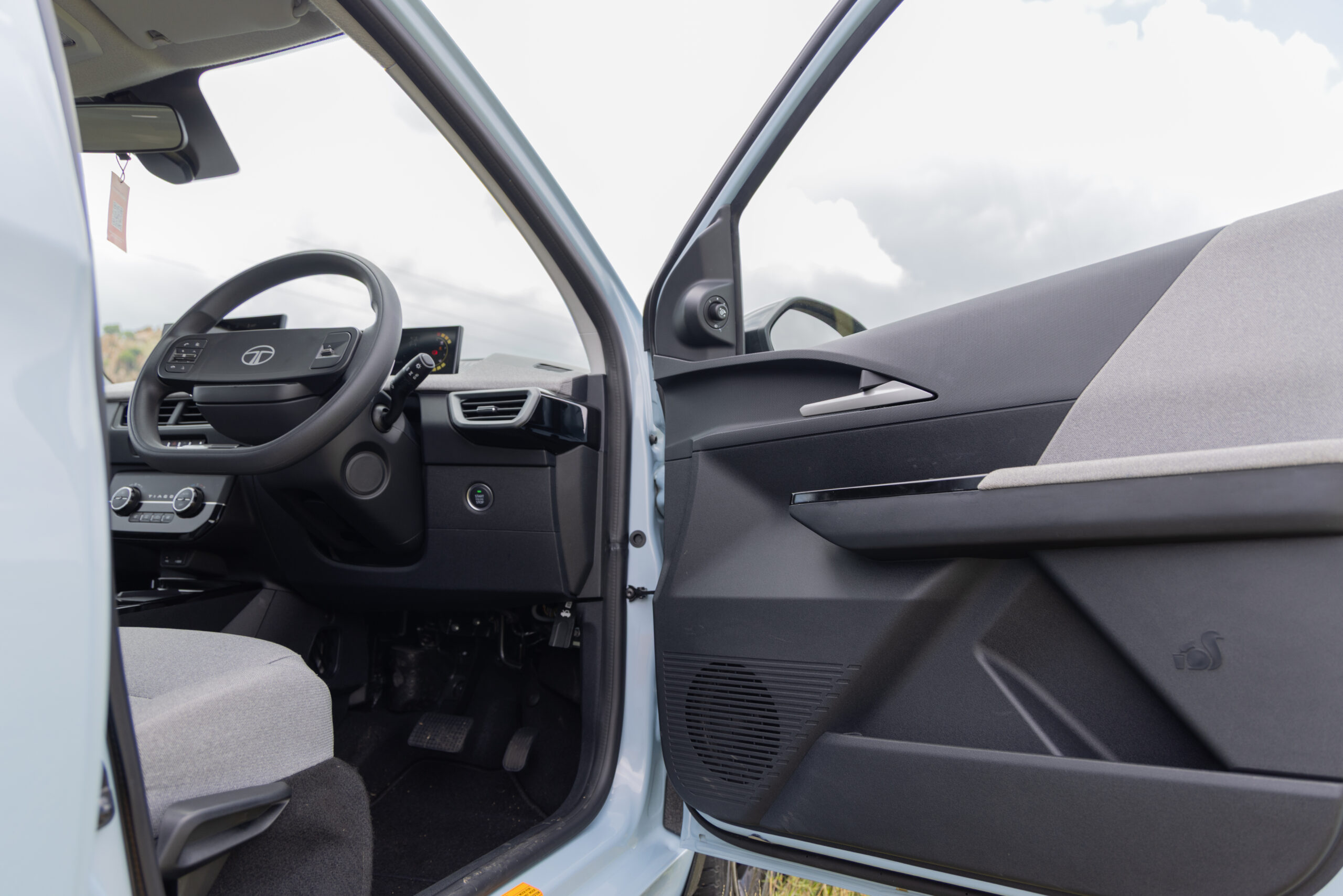
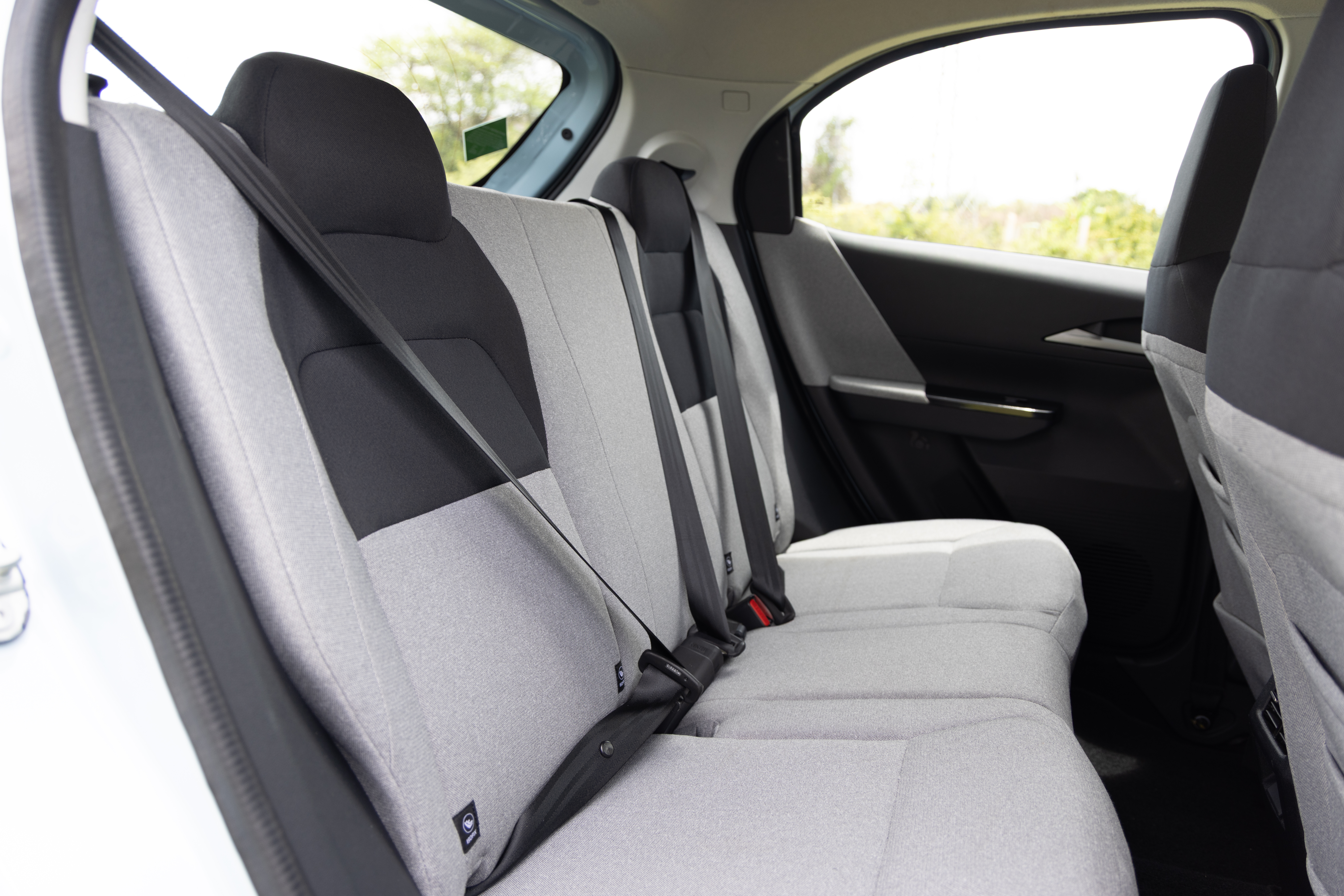
The bigger news is inside, and here the update is significant. The outgoing Tiago’s dashboard felt dated in a way that went beyond aesthetics. You could sense the cost-cutting in the surfaces you touched and the logic of the layout. The 2026 car is a meaningfully different place to be. There’s a flat, modern dashboard now, with a free-standing 10.25-inch touchscreen and a digital driver’s display. The screen itself is good: high resolution, responsive, no lag that bothers you. The centre console has been cleaned up, and the AMT gets a rotary gear selector. The materials are worth a mention too. This segment can’t really do premium, and Tata isn’t pretending otherwise, but the fabric choices on the dash, the armrests and particularly the seats show some thought. I’ve long maintained that fabric seats are the right call for our climate, and the Tiago’s are among the nicer ones in this price range. The whole thing feels like someone was briefed to make it feel current, rather than asked to stick a new screen onto an old architecture. Tata has also updated the electrical and electronics underpinnings, which is how features like wireless CarPlay and Android Auto, a wireless charging pad, rear AC vents, a cooled glove box and cruise control make it onto a car that starts at Rs 4.69 lakh. That list genuinely surprised me. You don’t expect it here, and you don’t expect it at twice the price from some of the competition.
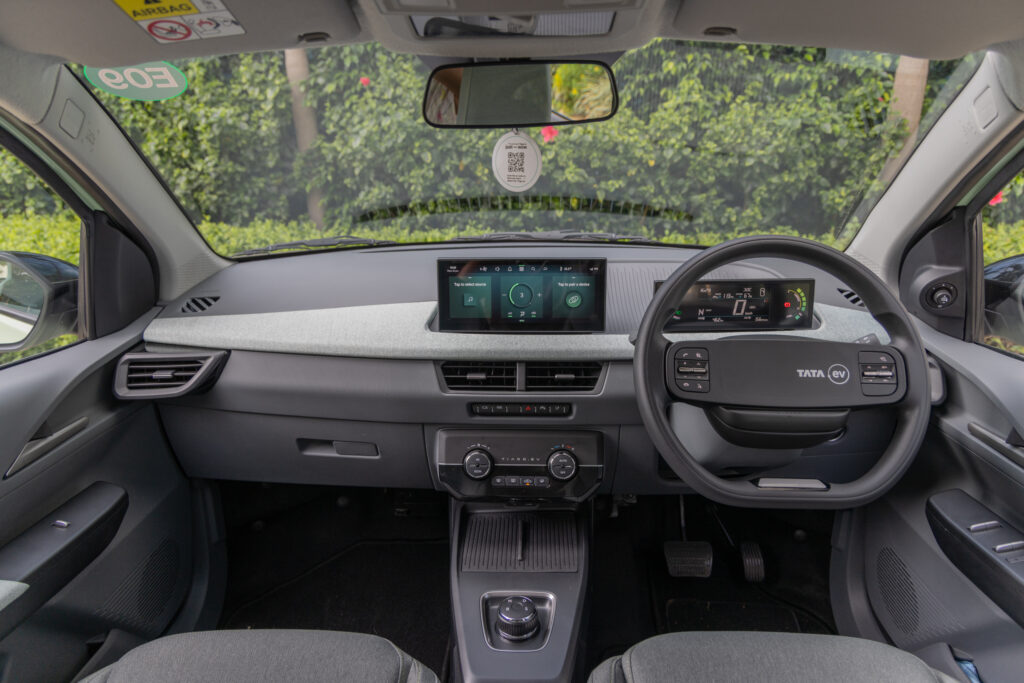
Six airbags are standard across the entire range now, which wasn’t the case before and isn’t something every rival in this segment can say. The 360-degree camera, ESC, ISOFIX anchor points, parking sensors and ABS with EBD round out a safety package that is, by some distance, the strongest argument for this car. Tata says the bodyshell has been strengthened too. In a segment where safety was historically something you paid extra to access, this is a real step in the right direction.
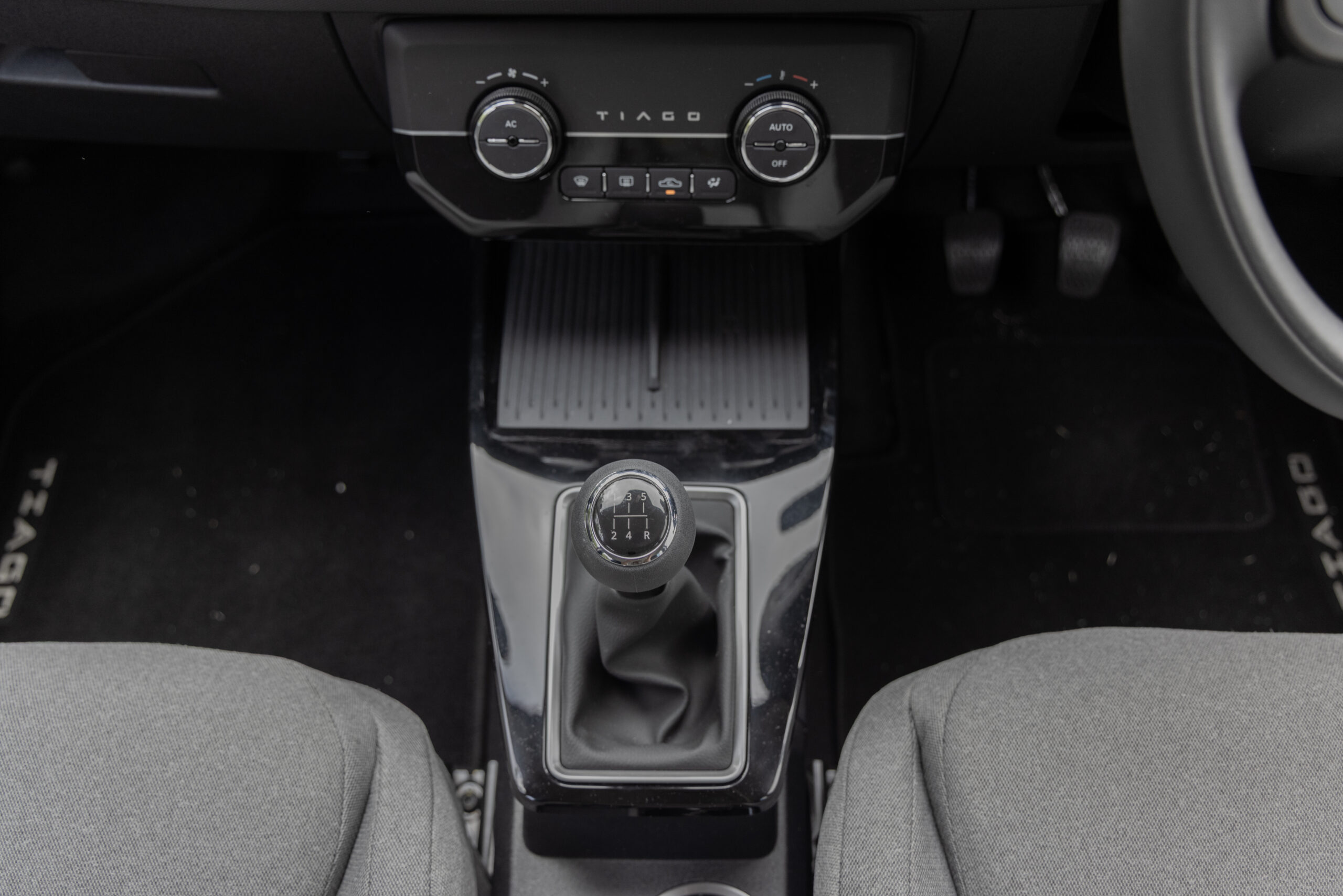
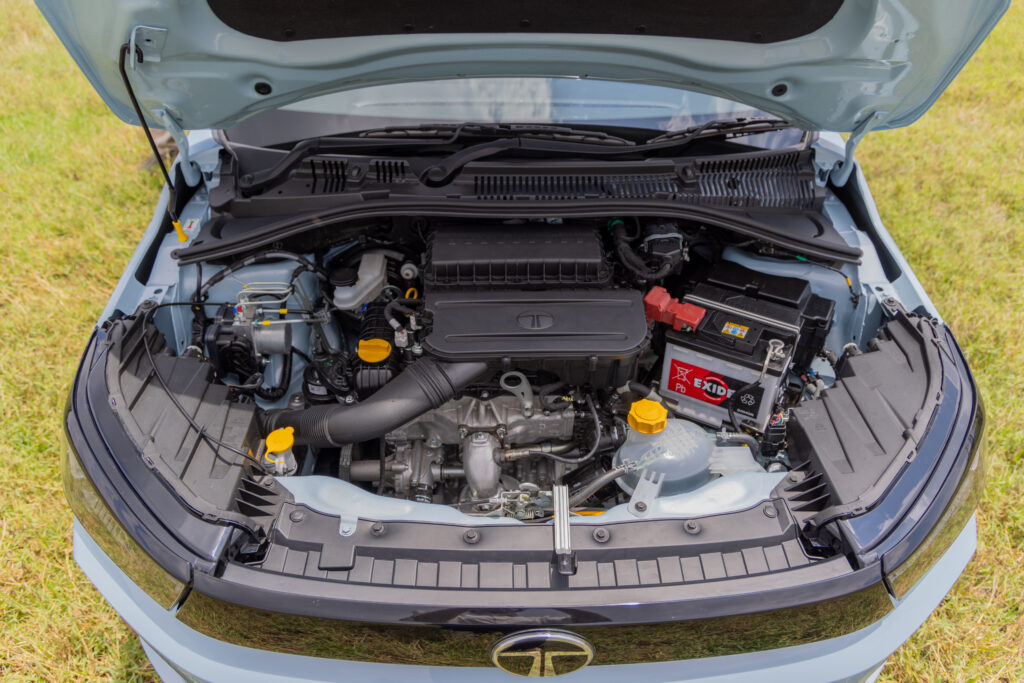
The mechanicals are unchanged, and most buyers probably won’t mind that at all. The 1.2-litre three-cylinder makes 86 bhp on petrol and 75.5 bhp on CNG, paired to either a five-speed manual or five-speed AMT. On the gearbox front, I’d go AMT without much hesitation. The manual is notchy, light enough, but it has a long throw and a bite point that sits high up the pedal travel. You need some time with it before you get used to it. The AMT does nod its head a little under part throttle, but it’s the more liveable of the two for city use. Where the Tiago does genuinely impress is the ride. For this segment, it’s exceptional. It swallows potholes and broken road with a composure that no rival at this price really matches, and it stays planted enough at highway speeds to give you some real confidence. That’s not a small thing when you consider what roads in this country actually look like. My one specific gripe is the steering, which sits misaligned on the car I drove. It’s something I’ve noticed on a few recent Tata launches, and it shouldn’t be happening. The three-cylinder also makes itself heard under hard acceleration, which is something you learn to tune out. But the honest summary is this: if you’re the sort of buyer who actually cares how a car responds when you push it, this isn’t your car. That’s fine. It was never meant to be.
One addition worth noting: the CNG AMT now gets paddleshifters, which is a first in this segment. Whether you’ll actually use them is a separate question, but the fact that Tata put them on a CNG automatic at this price point tells you something about the intent behind this update.
Pricing runs from Rs 4.69 lakh for the petrol manual to Rs 7.85 lakh for the top-spec Creative+ petrol AMT, with CNG going from Rs 5.79 lakh to Rs 8.55 lakh for the AMT Creative. That undercuts the Grand i10 Nios at every comparable trim and runs close to the Celerio throughout. The value, especially in the mid-range variants where most of the good stuff lives, is hard to argue with.
The Tiago will never be the car anyone gets genuinely excited about, and this update doesn’t change that. The mechanicals are the same, and it drives the way it always has, competently and comfortably, without ever doing anything interesting. But Tata has done a proper job of everything else: the interior is significantly better, the feature count is legitimately impressive for the money, and the safety spec raises the bar for the whole segment. That’s not a small thing.