
Maruti Suzuki India Limited has introduced India’s first flex-fuel passenger vehicle, marking a significant milestone in the country’s transition toward sustainable mobility.…
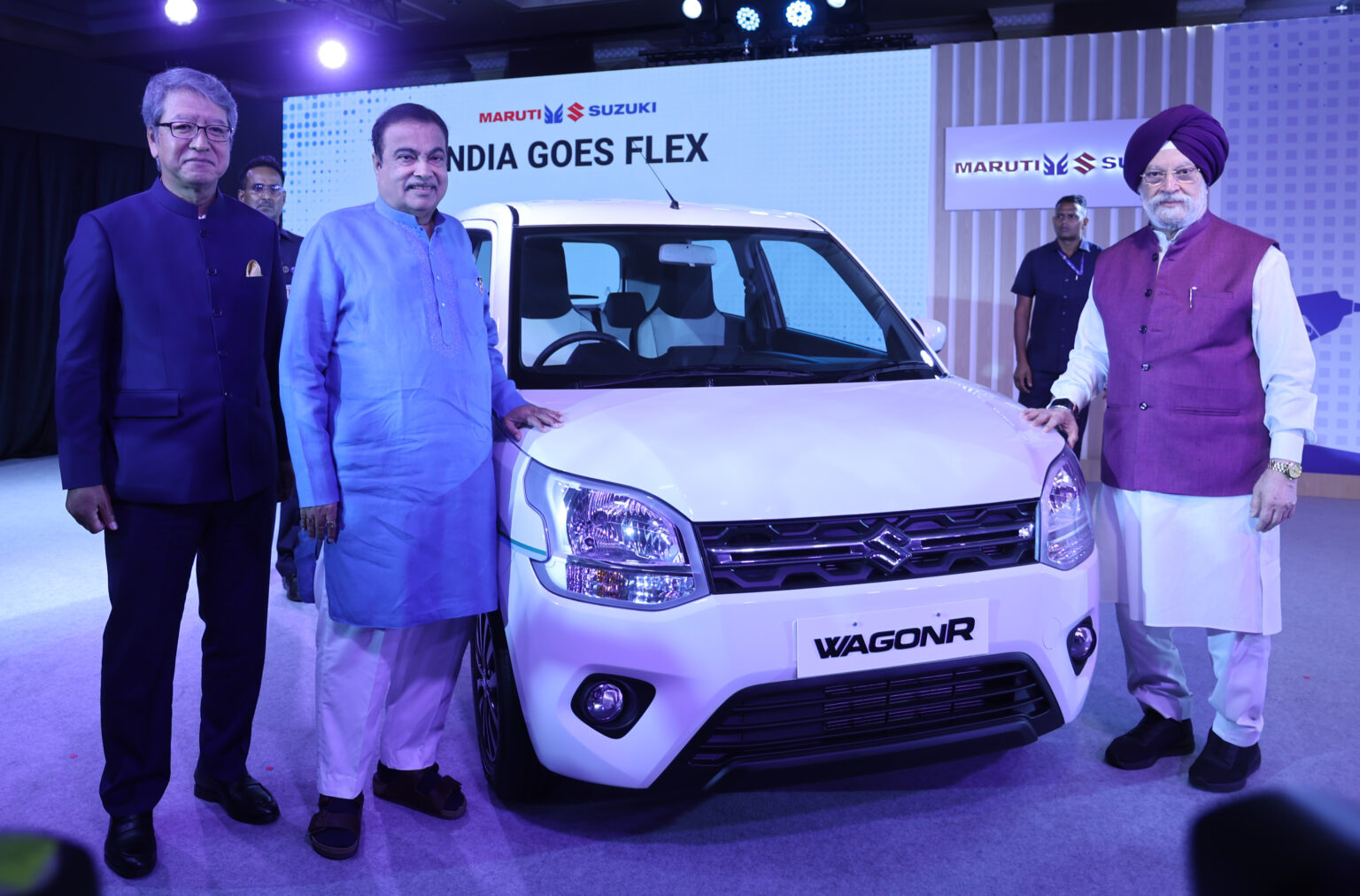
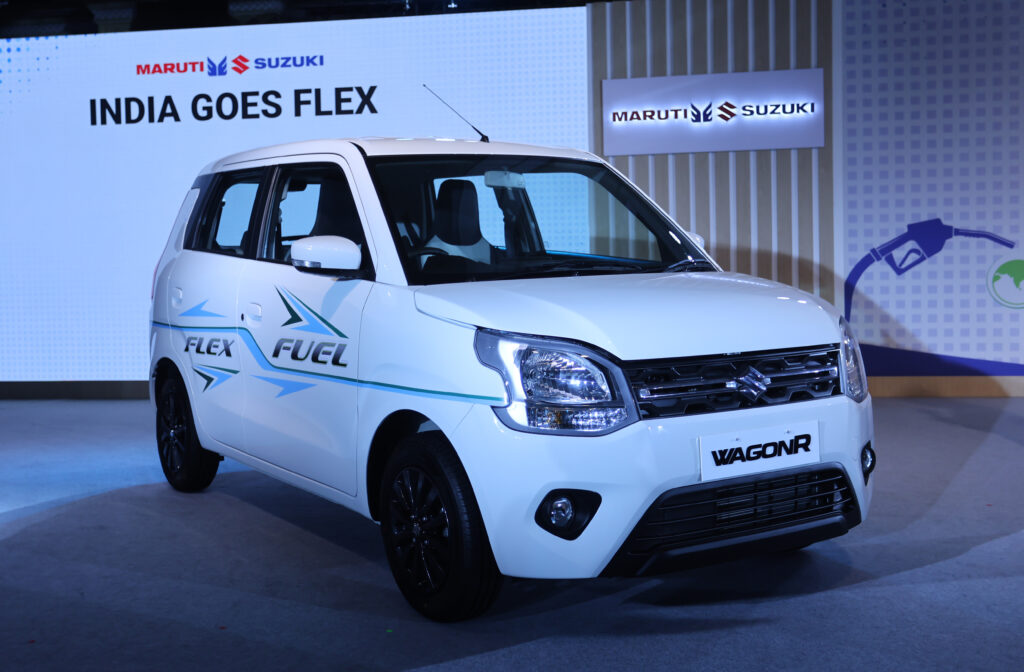
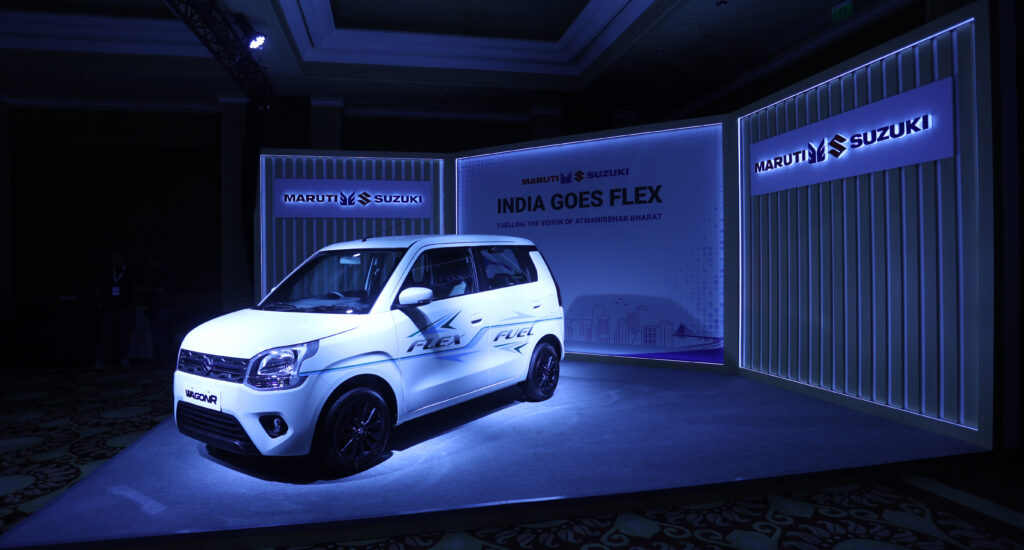
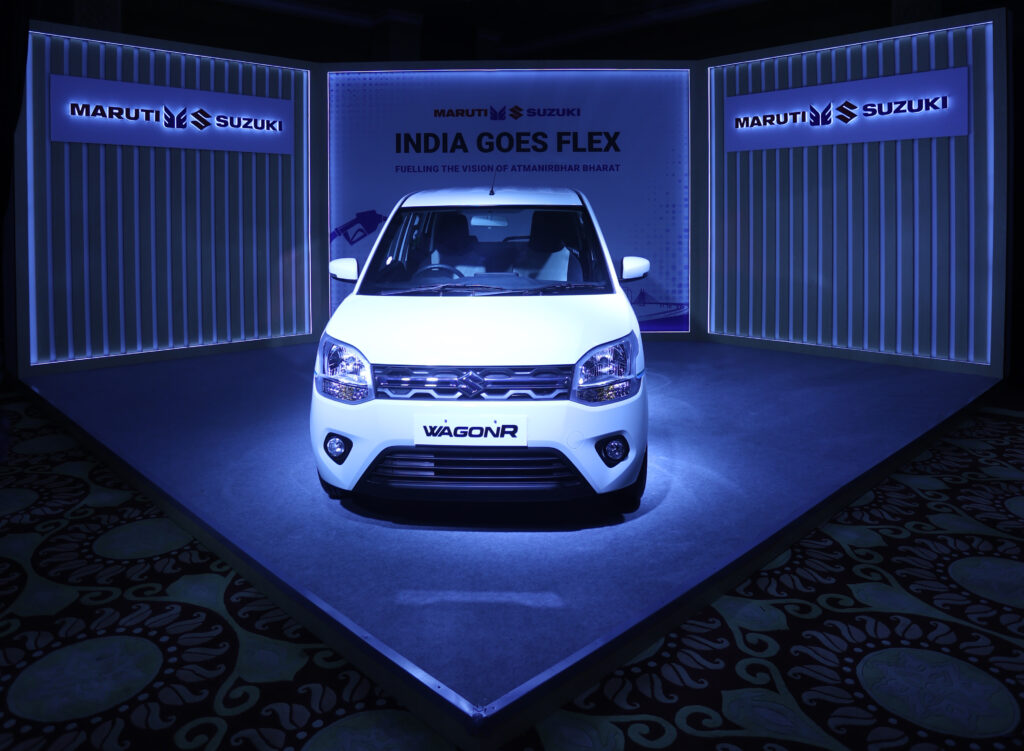
Maruti Suzuki India Limited has introduced India’s first flex-fuel passenger vehicle, marking a significant milestone in the country’s transition toward sustainable mobility. Based on the widely popular Wagon R hatchback, the new flex-fuel variant is engineered to operate on ethanol-petrol blends ranging from E20 to E100, supporting efforts to reduce dependence on crude oil imports and advance cleaner transportation solutions.
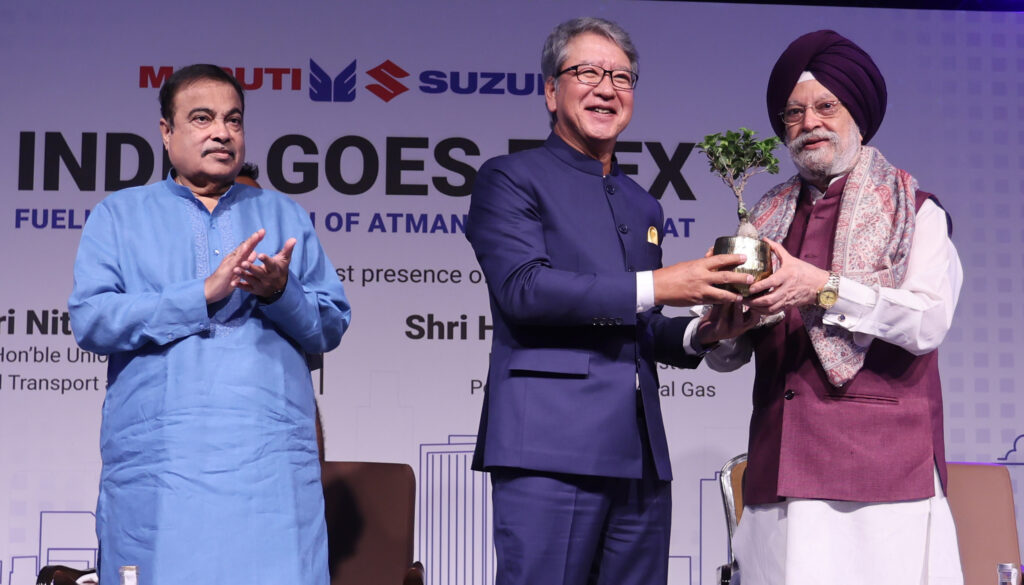
The launch took place in the presence of Union Minister for Road Transport and Highways, Nitin Gadkari, and Union Minister for Petroleum and Natural Gas, Hardeep Singh Puri, on the eve of World Environment Day. The initiative aligns with the Government of India’s vision of achieving greater energy independence while supporting the rural economy through increased ethanol production.
A flex-fuel vehicle offers customers the flexibility to use different ethanol-petrol blends without compromising performance or reliability. Maruti Suzuki has introduced this technology in the Wagon R, one of India’s most successful and trusted hatchbacks. The company believes flex-fuel technology can play a key role in reducing carbon emissions, cutting dependence on imported fossil fuels, and boosting farmer incomes through higher demand for ethanol.
According to Maruti Suzuki, the Wagon R Flex Fuel has been specially engineered for ethanol compatibility. It features advanced ECU calibration technology that automatically adapts to varying ethanol concentrations, allowing seamless operation on any blend between E20 and E100. The vehicle has been developed to support India’s long-term alternative fuel strategy while offering consumers an environmentally friendly mobility option.
Speaking at the launch, Nitin Gadkari highlighted the importance of biofuels in reducing India’s crude oil dependency and strengthening the agricultural economy. Hardeep Singh Puri described flex-fuel vehicles as a win-win solution that lowers emissions, reduces fuel import bills, and creates new opportunities for farmers.
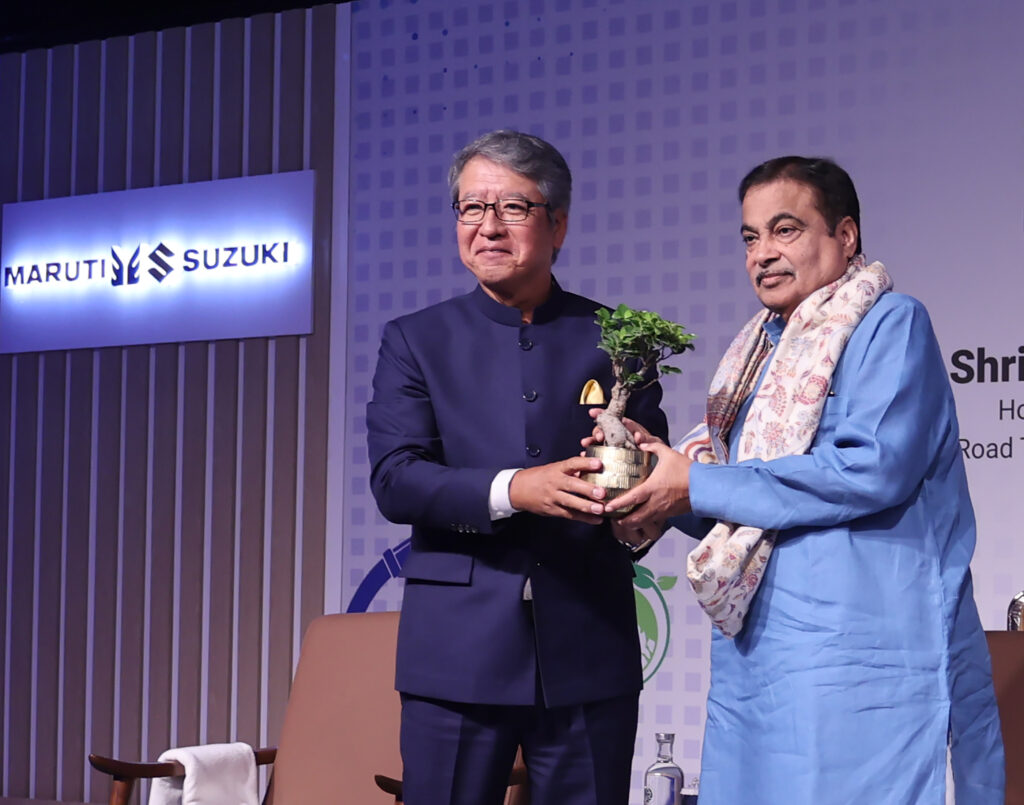
Maruti Suzuki Managing Director and CEO Hisashi Takeuchi stated that the company remains committed to offering multiple powertrain technologies, including electric vehicles, hybrids, CNG, and ethanol-based solutions. He emphasized that Maruti Suzuki aims to contribute actively to making “India Go Flex” and accelerating the adoption of sustainable mobility solutions.
With the launch of India’s first flex-fuel car, Maruti Suzuki has once again positioned itself at the forefront of automotive innovation, opening a new chapter in the country’s transition toward cleaner and more sustainable transportation.