
Flagship silicon and a screen from an older era, wrapped around a single camera. The iPhone 17e knows exactly who it is…
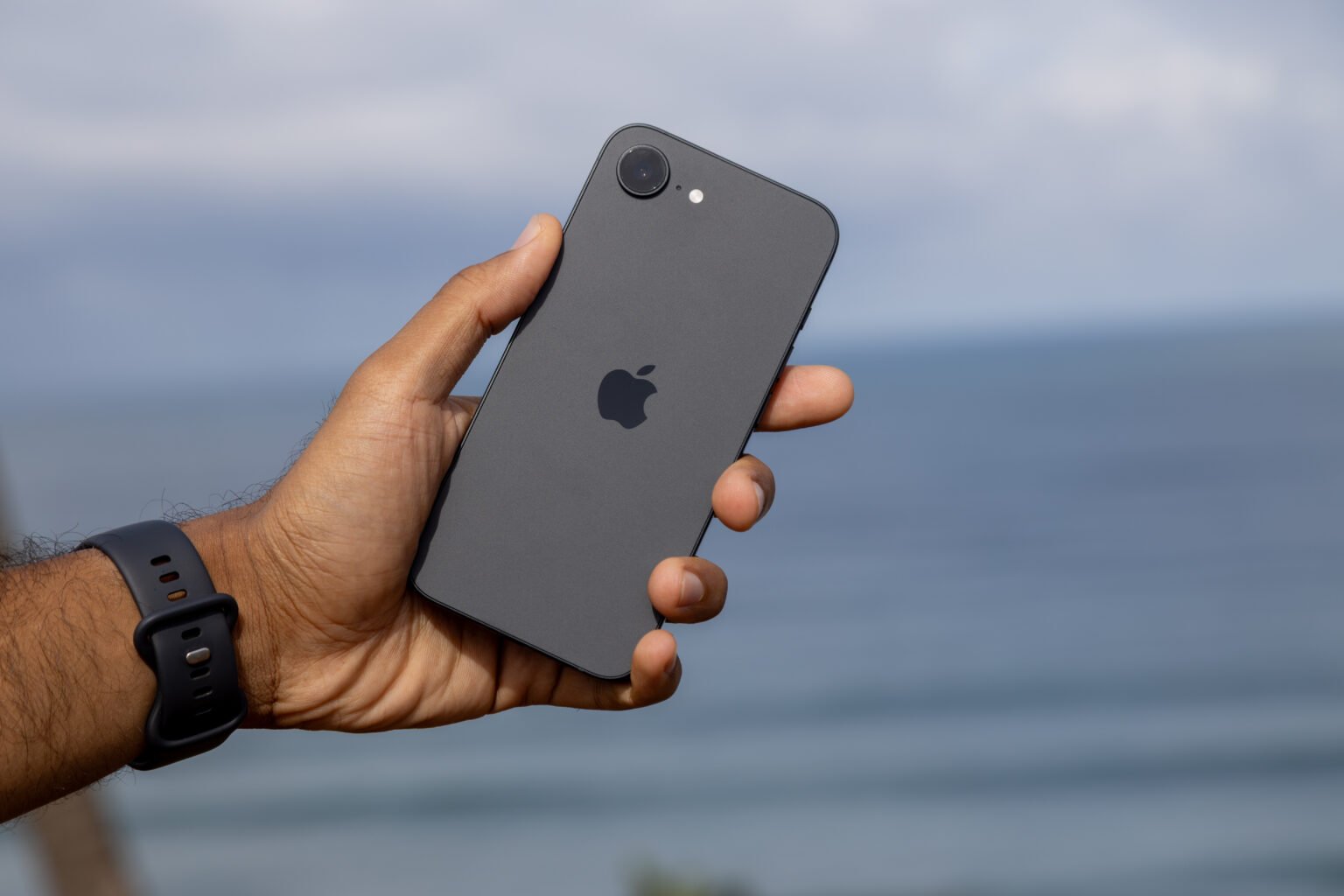
Flagship silicon and a screen from an older era, wrapped around a single camera. The iPhone 17e knows exactly who it is for, and the list is short.
There is a version of the smartphone conversation that never seems to reach the people it should. We spend our time arguing about refresh rates and camera counts, and somewhere in a living room a parent is holding a phone at arm’s length, squinting, wishing it were smaller and simpler and had a button they could actually feel.
I think about that person a lot, because I share half of what they want. Not the button, and not, if I am honest, the SE, which I never warmed to. But the size, yes. I have always wanted my phone to be small, and for years the only compact iPhone going was the SE, whatever I made of it.
That line was retired when the 16e arrived, and the iPhone 17e picks up from there, which makes reviewing it partly a question of who this cheaper, smaller iPhone is actually for now.
On paper, the 17e is a strange animal, a phone that is genuinely brilliant in a couple of ways and pointedly ordinary in others, and both halves matter.
Start with what is unambiguously good, because there is real substance here. Inside sits Apple’s A19, the same 3nm chip that powers the standard iPhone 17, shy of a single GPU core but otherwise the full article.
In practice, that means the 17e is quicker than a phone at this level has any right to be, chewing through heavy games and everything else without a stumble. This is not a hand-me-down processor dressed up to look like a cheaper phone. It is current-generation flagship silicon, and you feel it every day.
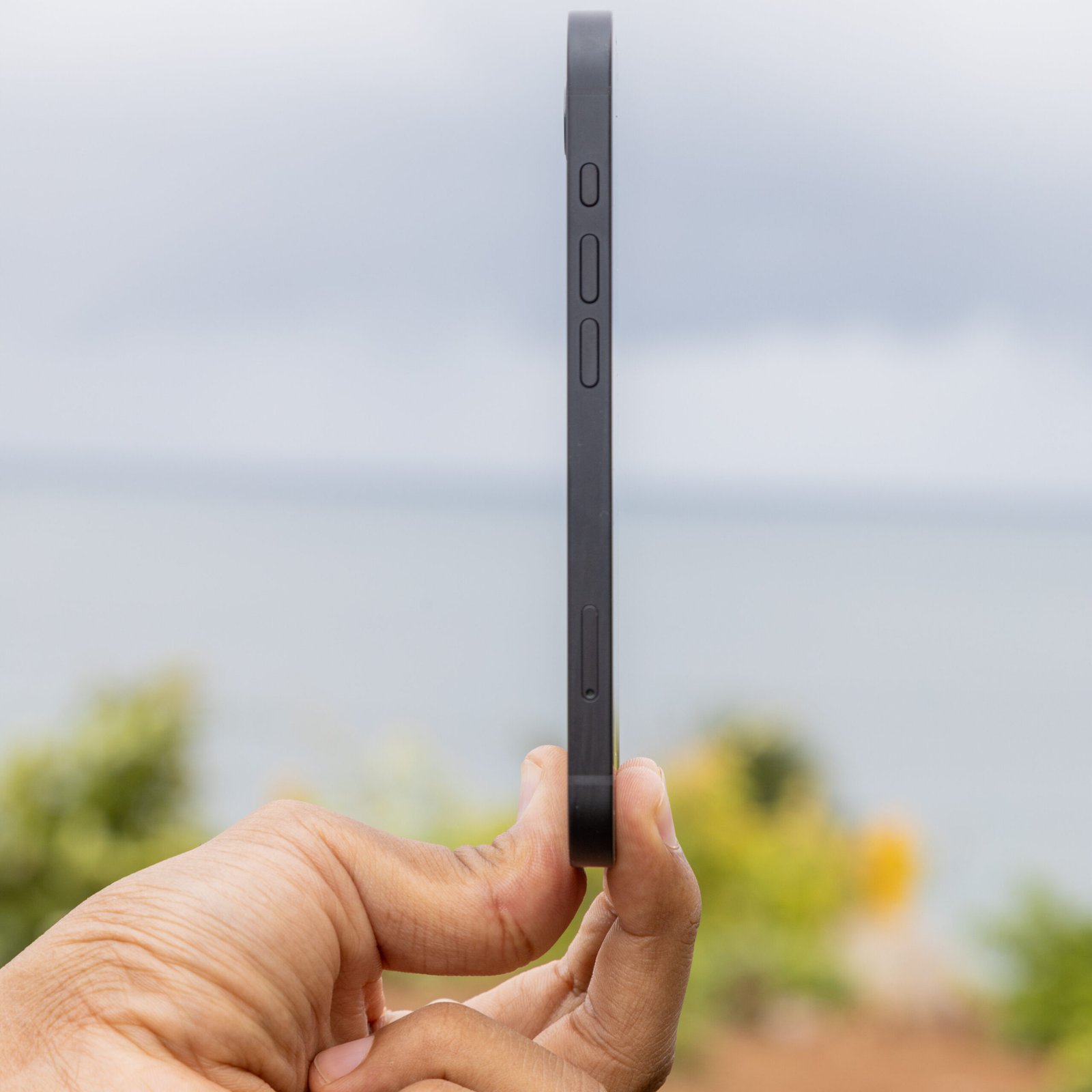
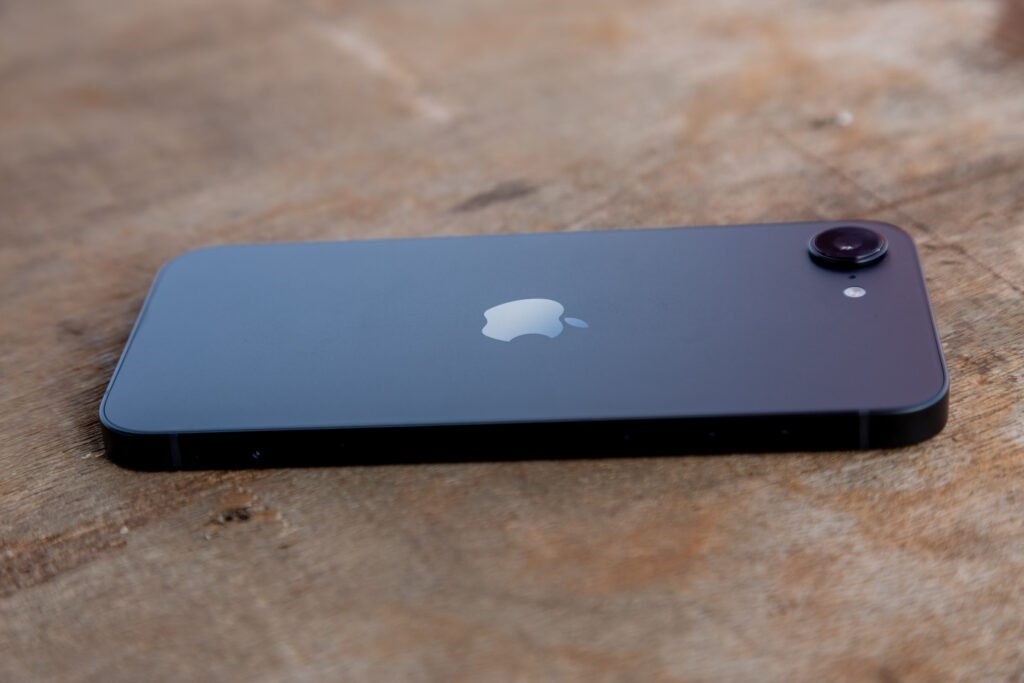
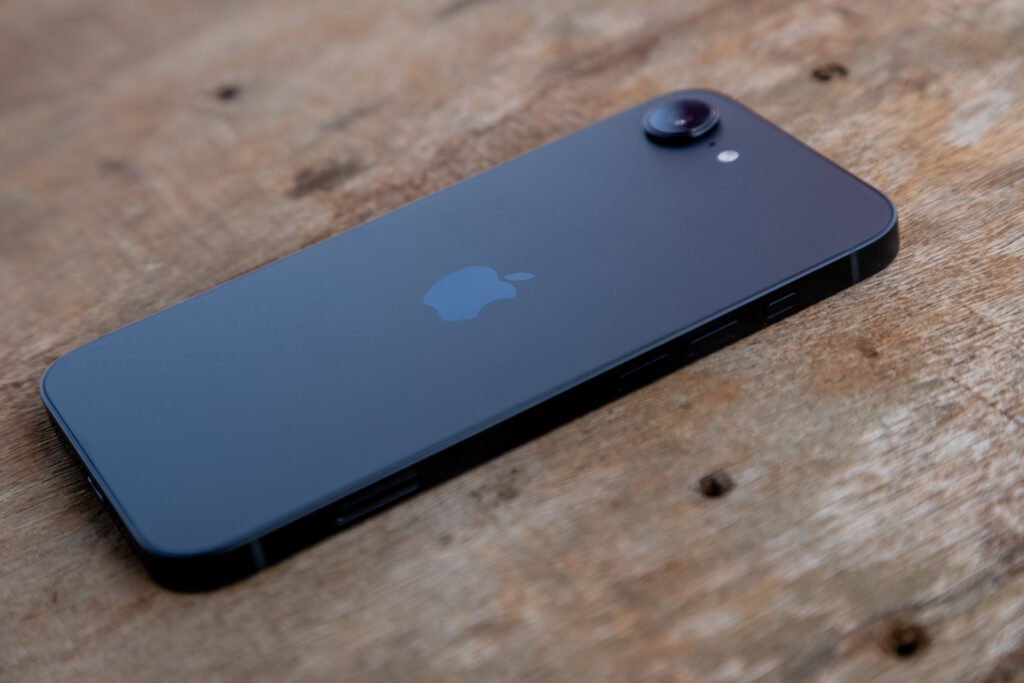
The build backs it up. It is compact, light, properly made, and unmistakably an iPhone in the hand, now with a soft pink option alongside black and white, a matte finish, an IP68 rating and the newer Ceramic Shield 2 front that Apple says resists scratches far better than before.
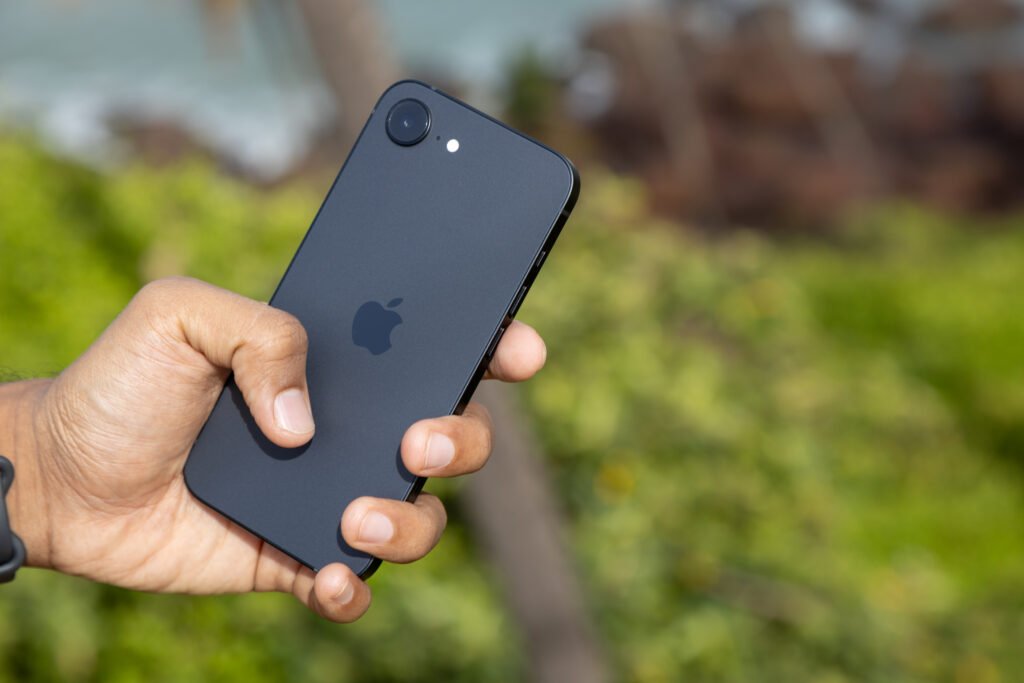
My review unit is the black, or rather graphite-grey, variant, and I like it a lot, understated in a way the pink never quite manages. There is no camera control key, but the customisable Action button carries over.
And crucially for me, it is small in a way almost nothing else is anymore, easy to use one-handed and easy to pocket, which is exactly the quality the SE line used to guard and almost no other current phone bothers with.
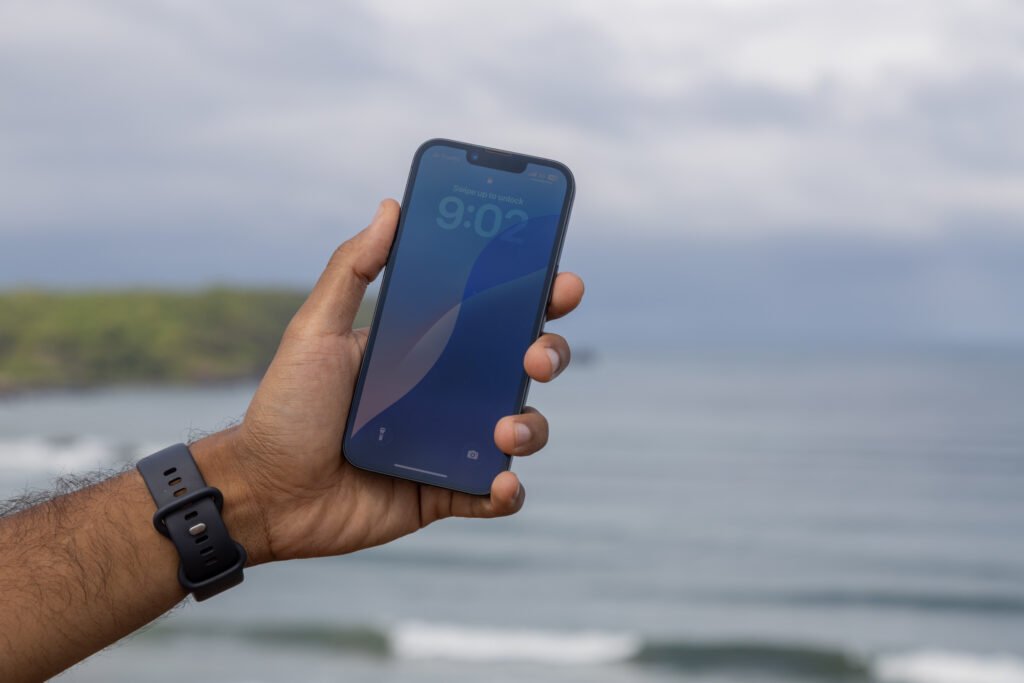
Then there is the other half. The 6.1-inch OLED is sharp, colour-accurate and bright enough at 1,200 nits, but it runs at 60Hz, and in 2026 that is the number that gives the game away.
There is no always-on mode, and a wide notch sits up top where newer iPhones have moved on. Face ID works flawlessly in any light, but the moment you scroll next to a 120Hz phone, the 17e feels a generation behind, and it is the refresh rate, more than the notch, that will nag at anyone who has used smoother screens.
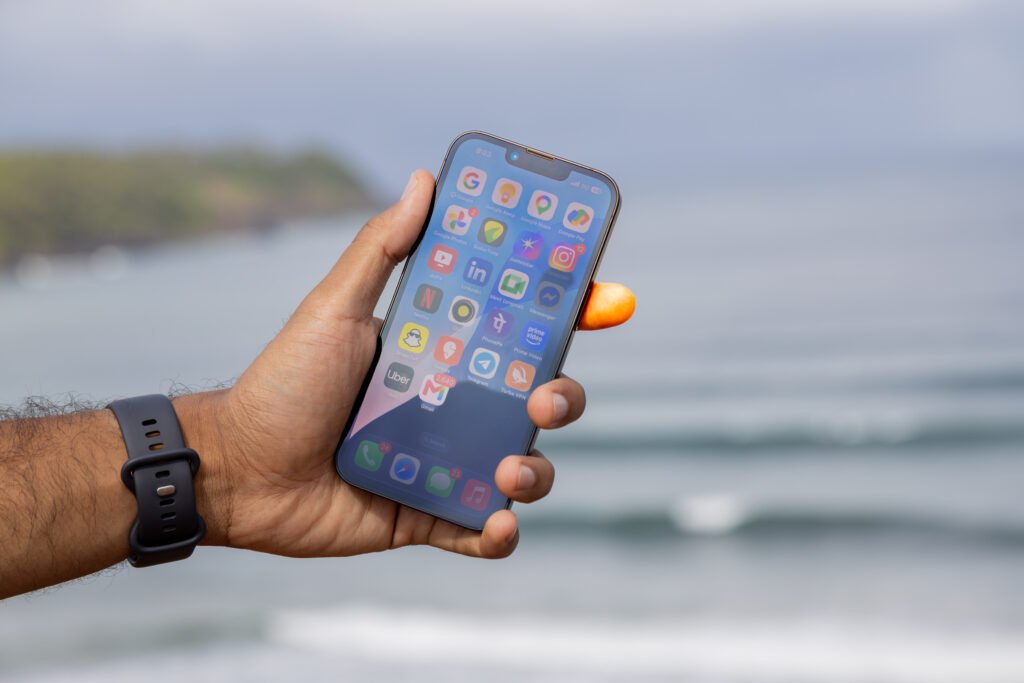
The camera tells a similar story of one good thing asked to do the work of three. There is a single 48-megapixel sensor on the back and a 12-megapixel selfie camera up front, and no ultrawide or telephoto at all.
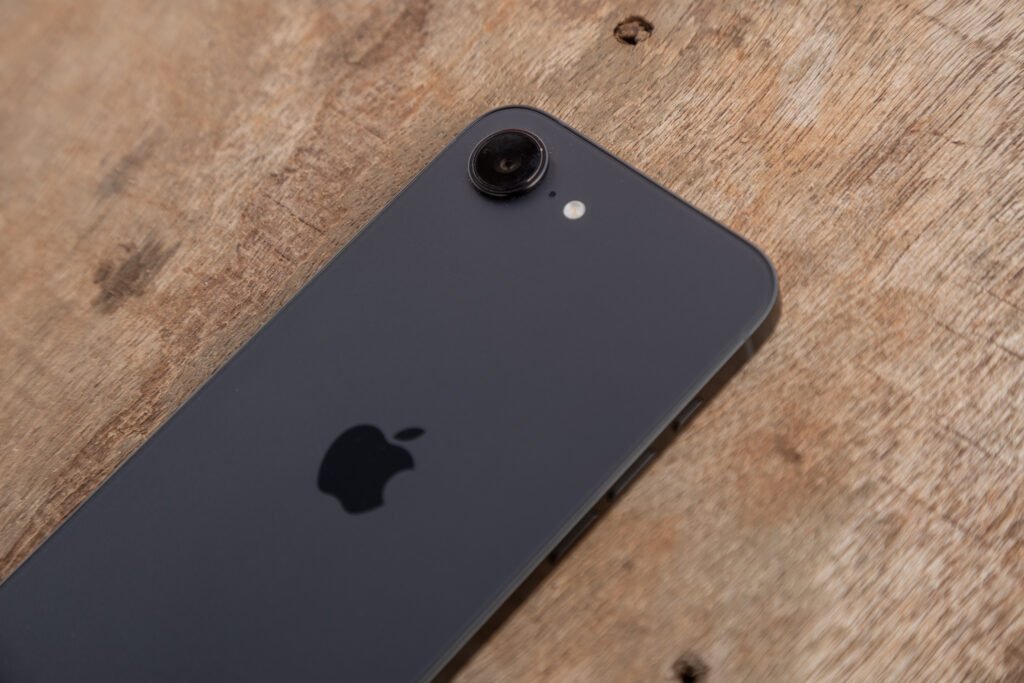
In good light, the main camera is genuinely strong, crisp and colourful, and I have no real complaints about it; it manages a near-optical 2x by cropping into the sensor, which is fine rather than special. Push to 10x digital, and results wobble; low light is not where it shines.
But it is the missing ultrawide that I felt most, and felt daily. In my line of work, shooting a car against a backdrop, or a gadget on a desk, or simply a room I want to capture whole, an ultrawide is not a luxury; it is the lens I reach for constantly, and its absence quietly shaped what I could and could not photograph.
Even in ordinary life, that wider field of view is the one you miss the instant it is gone. The main sensor is good. It is just conspicuously alone.
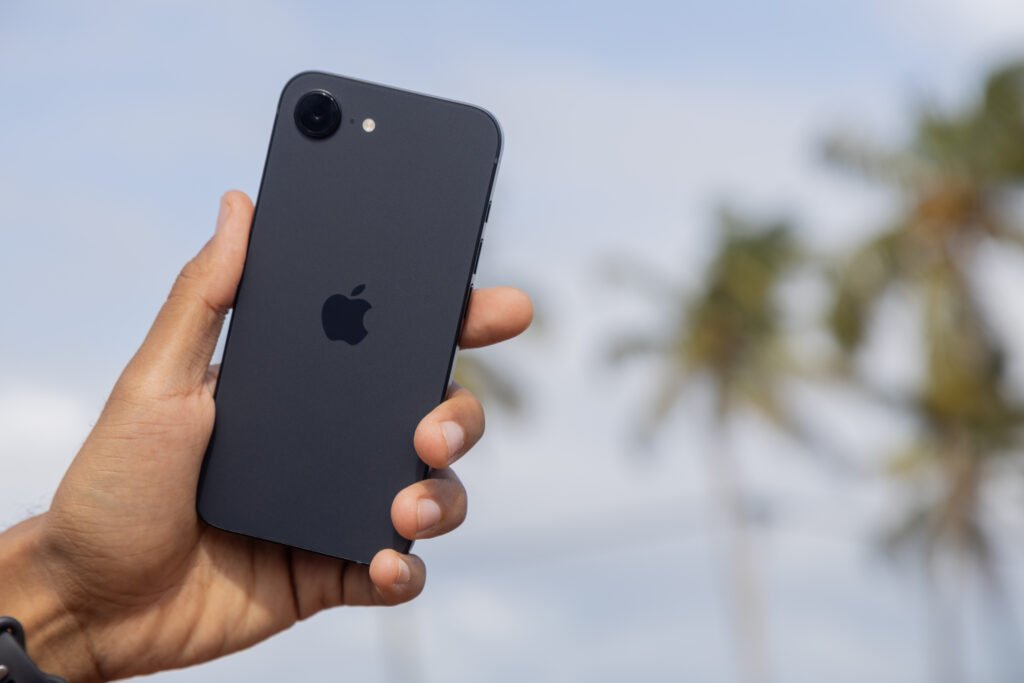
Battery life, it turns out, is one of the phone’s quiet strengths, and not what I expected when I walked in. The 4,005mAh cell is the same size as the 16e’s, but the more efficient A19 and Apple’s newer C1X modem stretch it noticeably further, and in day-to-day use the 17e comfortably clears a full working day with something in reserve.
Looped-video tests have it running past nineteen hours, which is exceptional at this price, and only a heavy day of shooting video and shifting large files, the kind of thing I do for work, pulled it down enough to want a top-up before night.
Charging is quick rather than class-leading, roughly an hour and a half from empty to full, and this year Apple has finally added Qi2 wireless charging at up to 15W along with MagSafe, opening the door to a whole ecosystem of magnetic chargers, mounts and accessories the predecessor locked you out of.
There is still no ultrawideband chip, so precision finding with an AirTag remains off the table.
All of which brings me to the thing that actually decides this phone: not any single spec, but the price and how it behaves as you climb the range.
The 17e starts at Rs 64,900 for 256GB, which is a sensible ask for what you get. The trouble begins at the top. The 512GB version costs Rs 84,900, and the base iPhone 17, with its 256GB, its 120Hz ProMotion display, its bigger and brighter screen and its second camera, sits at Rs 82,900.
Read that again. The most expensive 17e costs more than the cheapest iPhone 17, while giving you less phone. At that point the value argument, the entire reason a phone like this exists, quietly collapses.
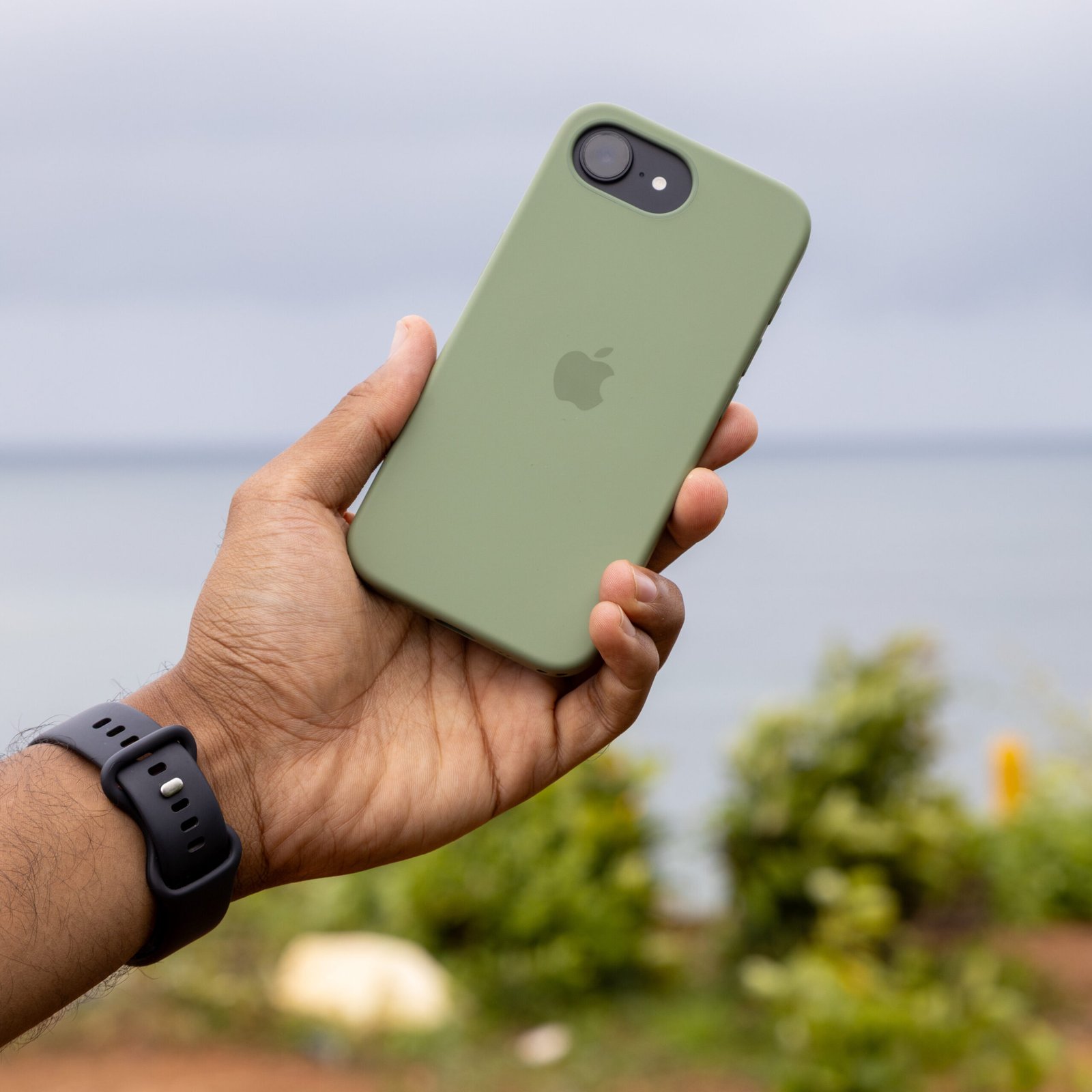
So the recommendation narrows to something very specific. The 17e makes complete sense as the 256GB model, for one of two people. The first is the buyer who simply wants the cheapest new iPhone and does not need more than 256 gigs of storage, for whom this is exactly the right entry point into the range.
The second is the person like me, who wants a genuinely small phone in a market that has all but abandoned the idea, and for whom that compactness is worth more than a smooth screen or a spare lens.
Outside those two, the maths stops working, and an Android rival will hand you flagship performance and a more versatile camera for less, while a lightly discounted iPhone 17 will outclass a maxed-out 17e for similar money.
But there is one more thread here that spec sheets miss entirely, and it is the one that made me think of my family. My mother is not a tech-savvy phone user. She reaches for hers to call, to read the occasional message, and little else, and she has no interest in the difference between 60Hz and 120Hz or in how many lenses sit on the back.
For someone like her, an iPhone was never about the newest anything. It was about continuing to use an iPhone, something she has been doing for a long while now. That pull is real, and for a certain buyer it outweighs every Android phone that is faster or cheaper on paper.
The 17e is an unusual phone with a confused price ladder. But as the least expensive way through that particular door, for the right person, it still quietly makes its case.