Fourteen years later, Renault’s iconic SUV returns with more polish, technology and maturity. Fourteen years is a long time in the automotive…
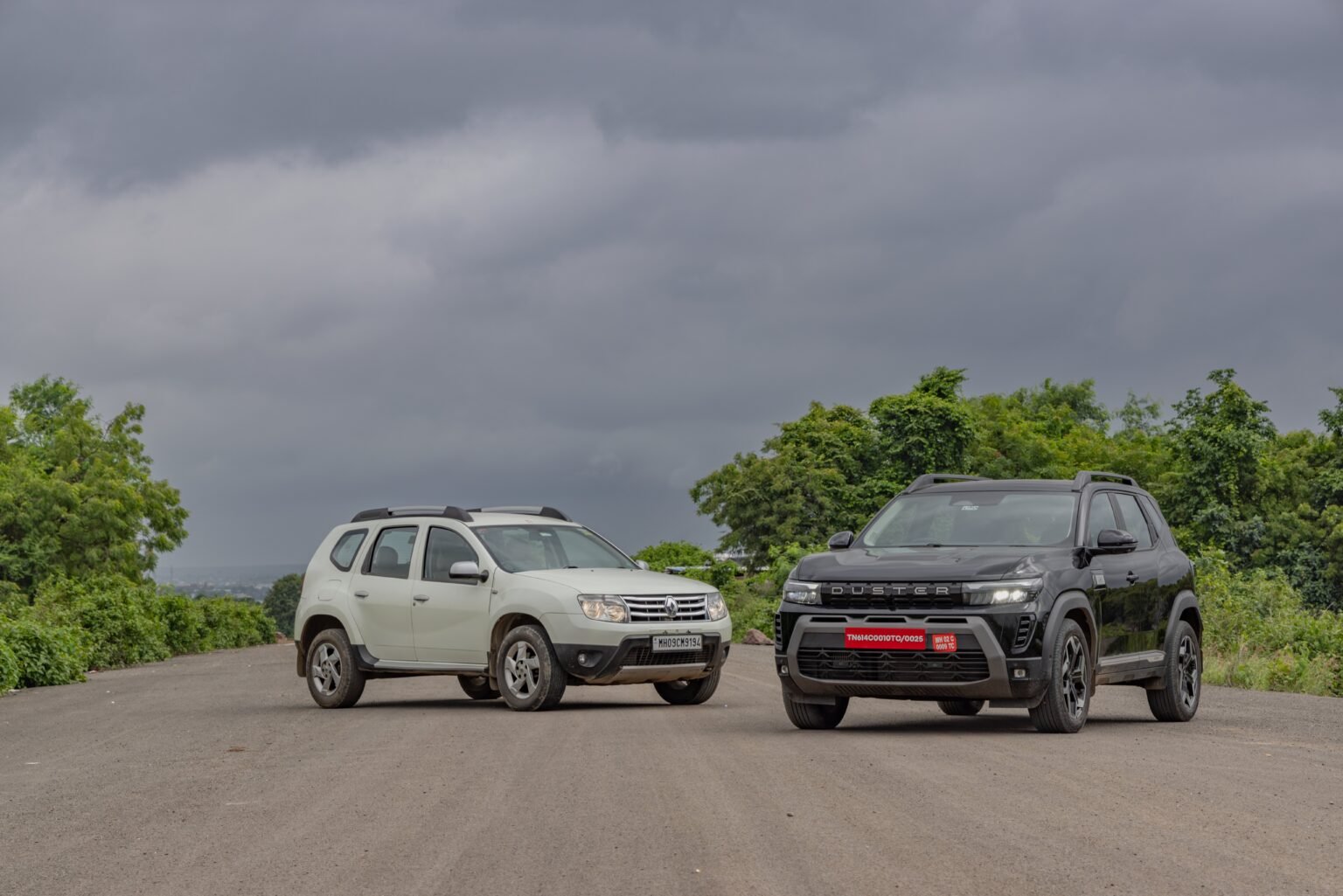
Fourteen years later, Renault’s iconic SUV returns with more polish, technology and maturity.
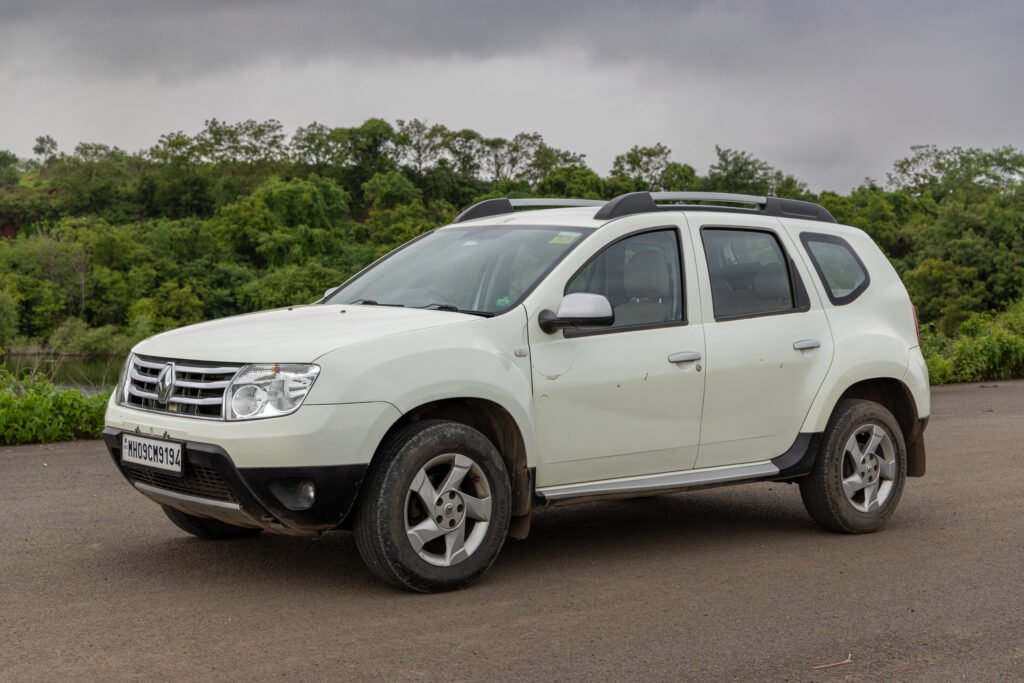
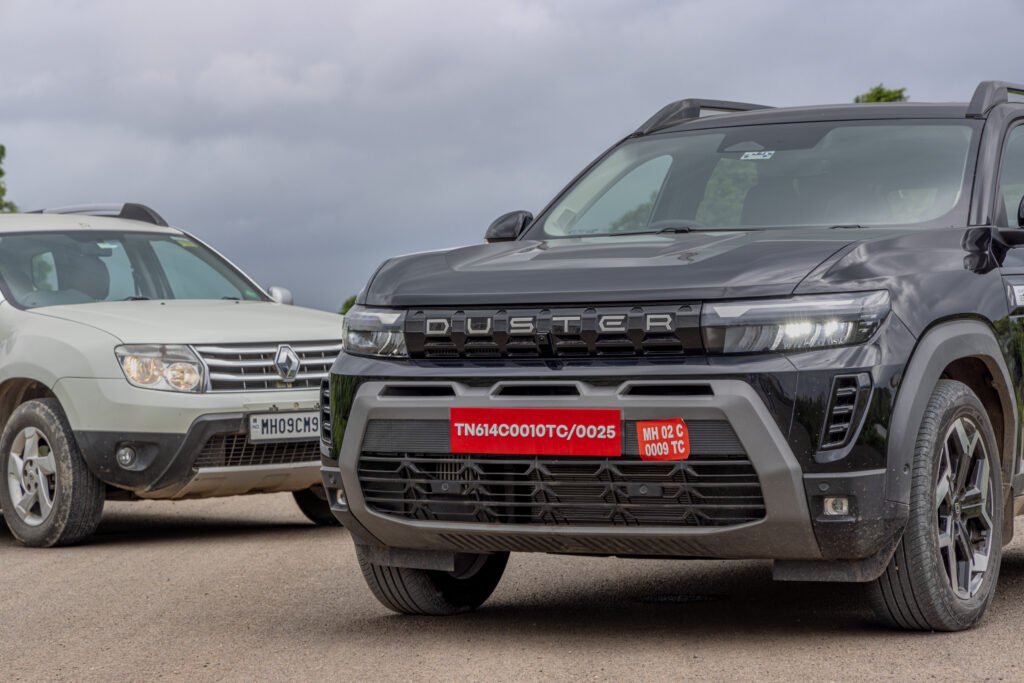
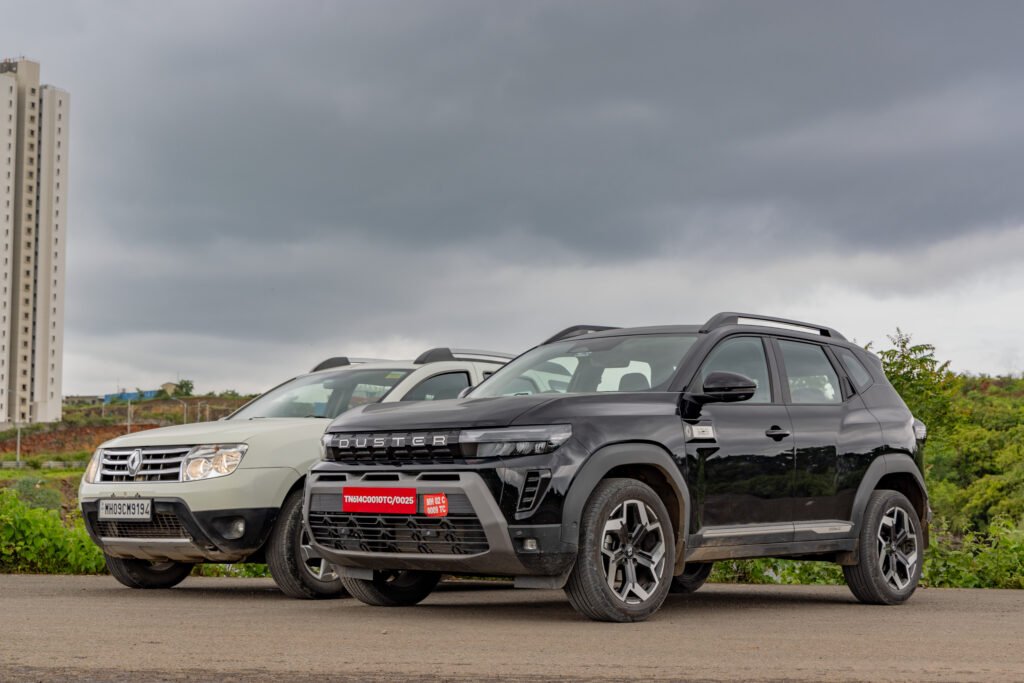
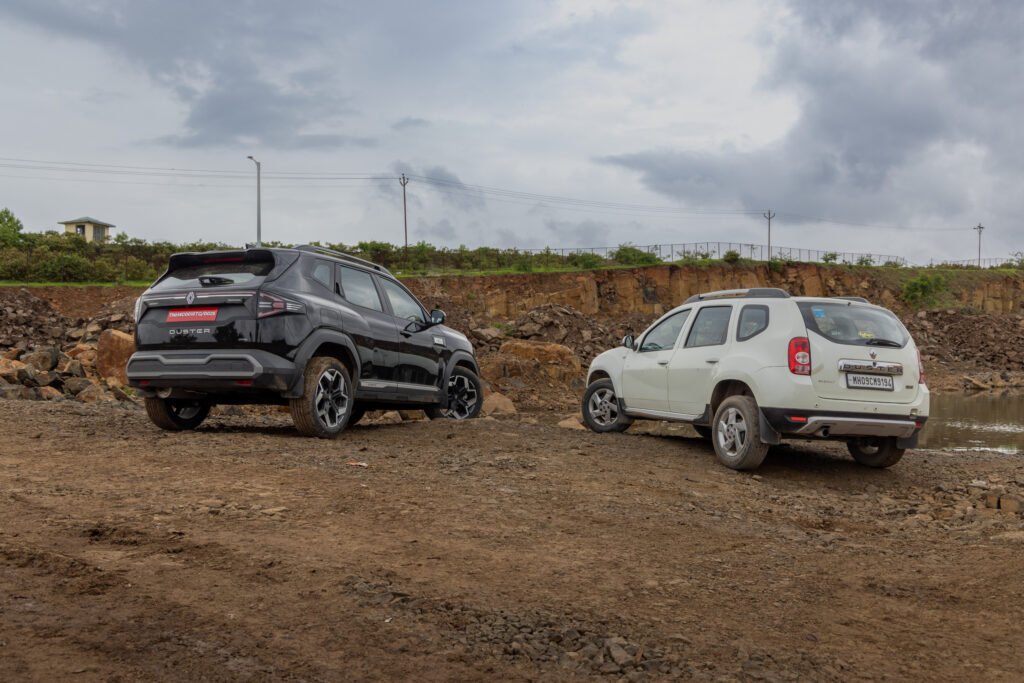
Fourteen years is a long time in the automotive world. In that time, SUVs have gone from niche lifestyle machines to the default choice for Indian families; technology has transformed how we interact with cars, and the humble Renault Duster that helped create the modern mid-size SUV segment has become part of automotive folklore. Now, four months after the all-new Renault Duster arrived in 2026, I have the old and new generations side by side, and the comparison is surprisingly revealing. The black DCT-powered new Duster in the ICONIC variant is bigger in ambition, considerably more sophisticated and packed with technology, while the old manual diesel still carries an honesty that made it so endearing.
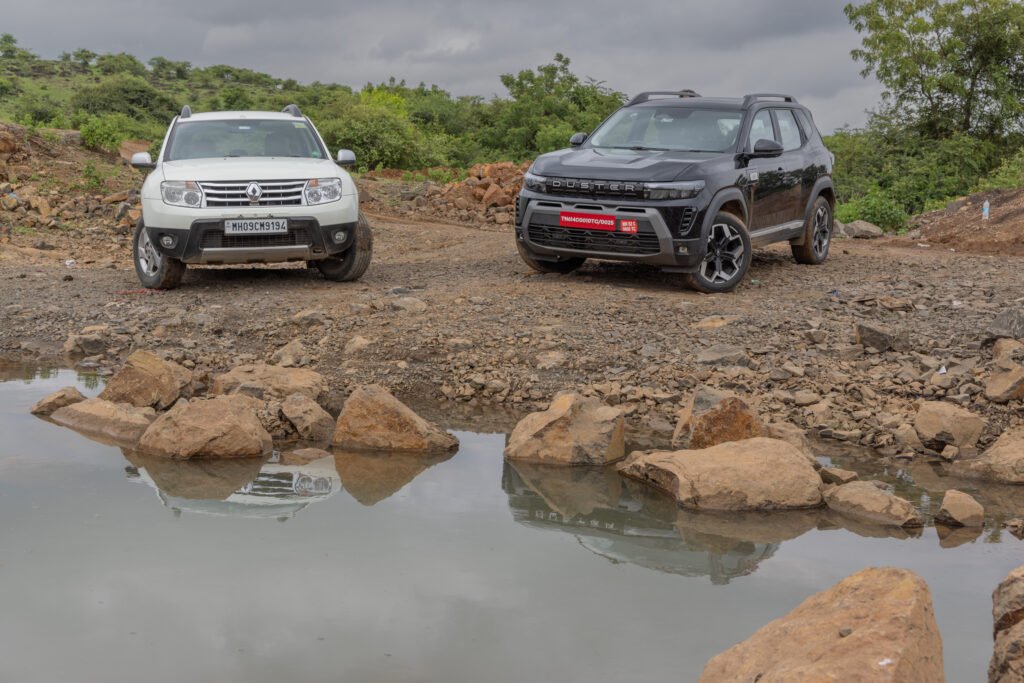
The question, then, is not simply whether the new Renault Duster is better. It is whether it still feels like a Duster.
A FAMILIAR SILHOUETTE
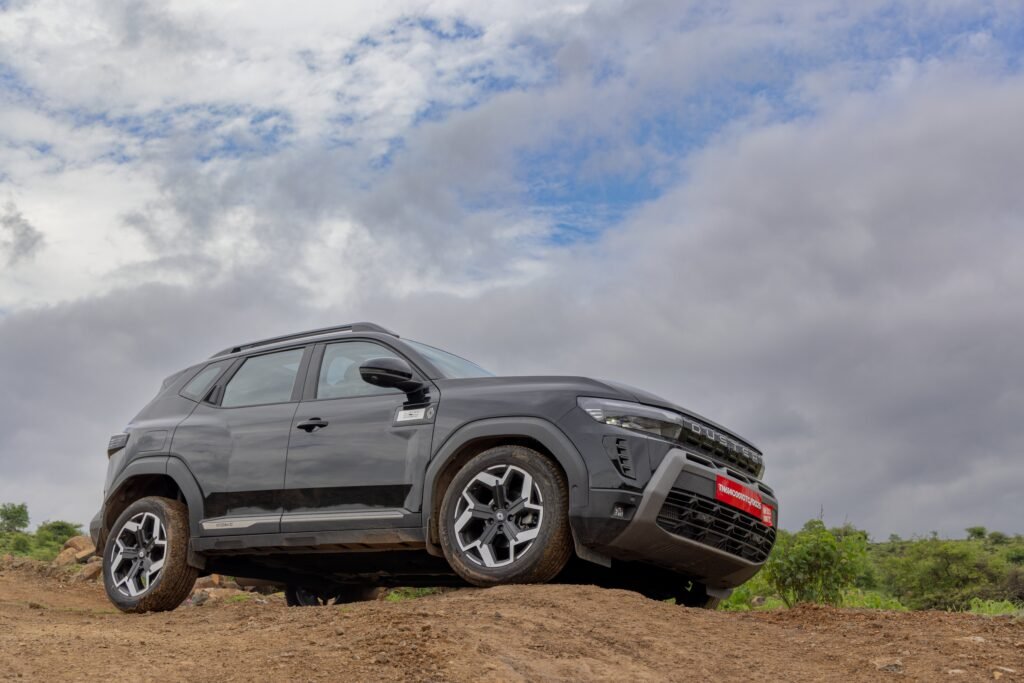
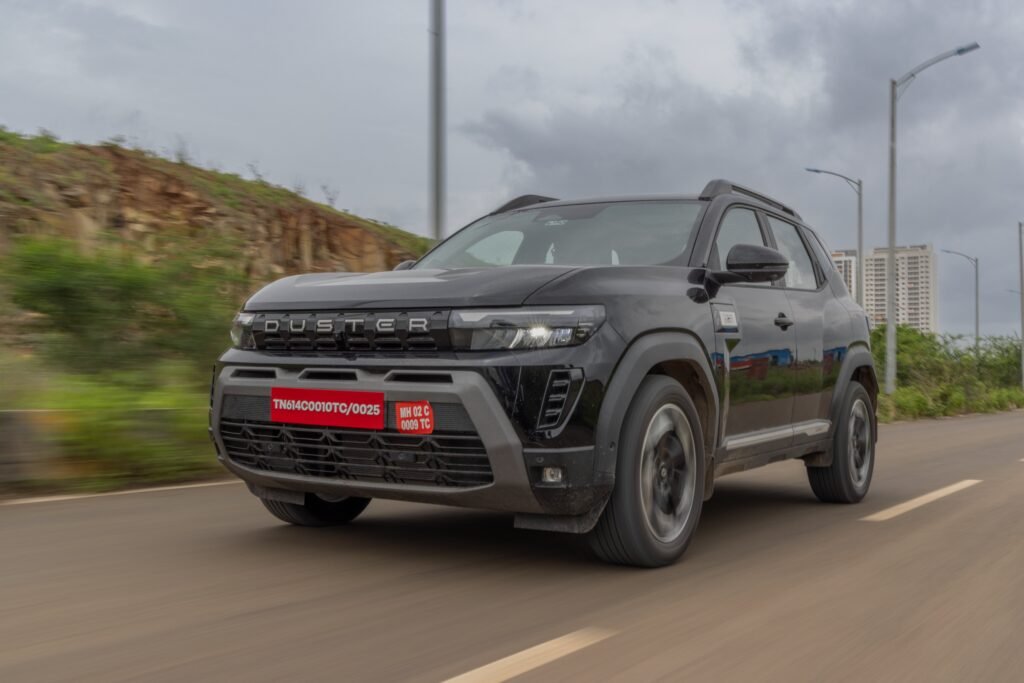
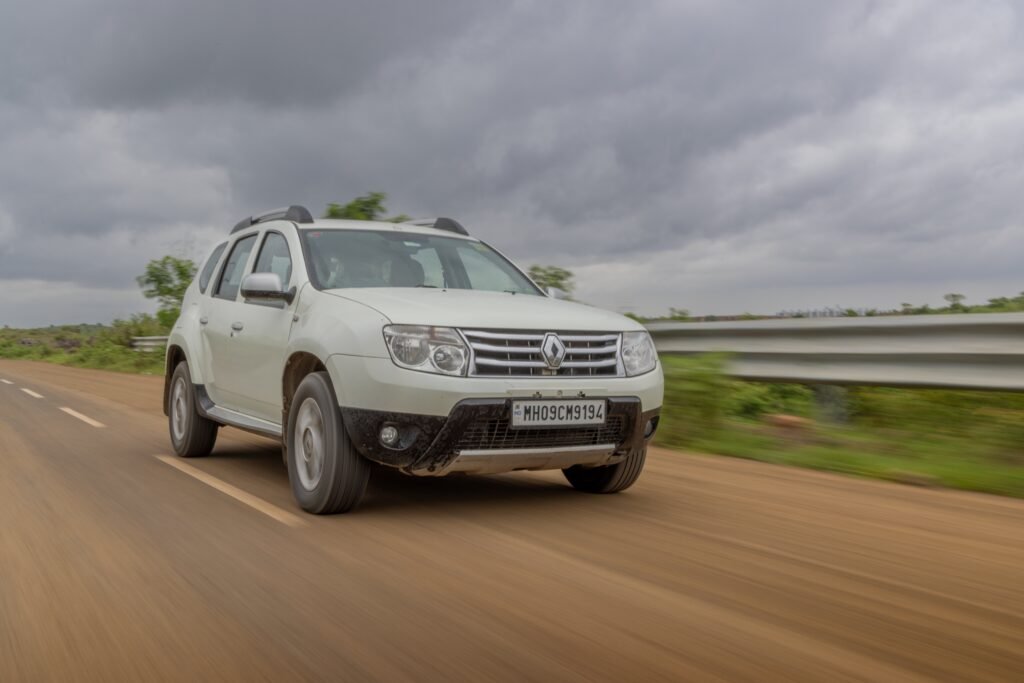
The first thing that strikes me when I look at the two cars together is how carefully Renault has evolved the Duster’s identity. The original Renault Duster was never conventionally pretty. It was upright, muscular and slightly utilitarian, with its broad stance and chunky proportions giving it an unmistakable presence. The new Duster 2026 follows the same philosophy, but interprets it with much sharper lines.
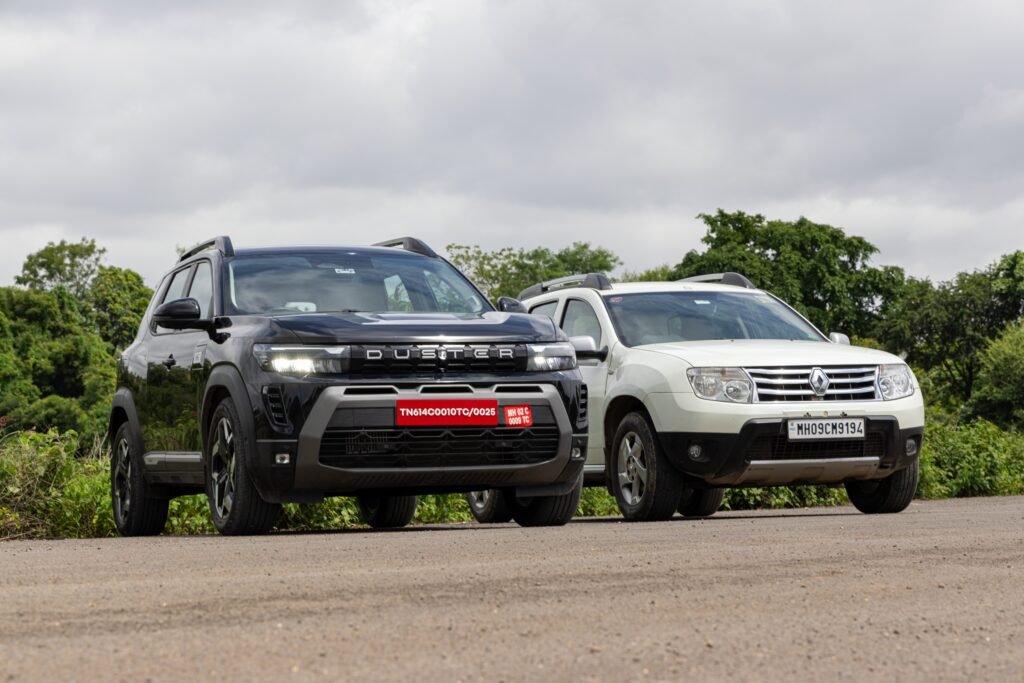
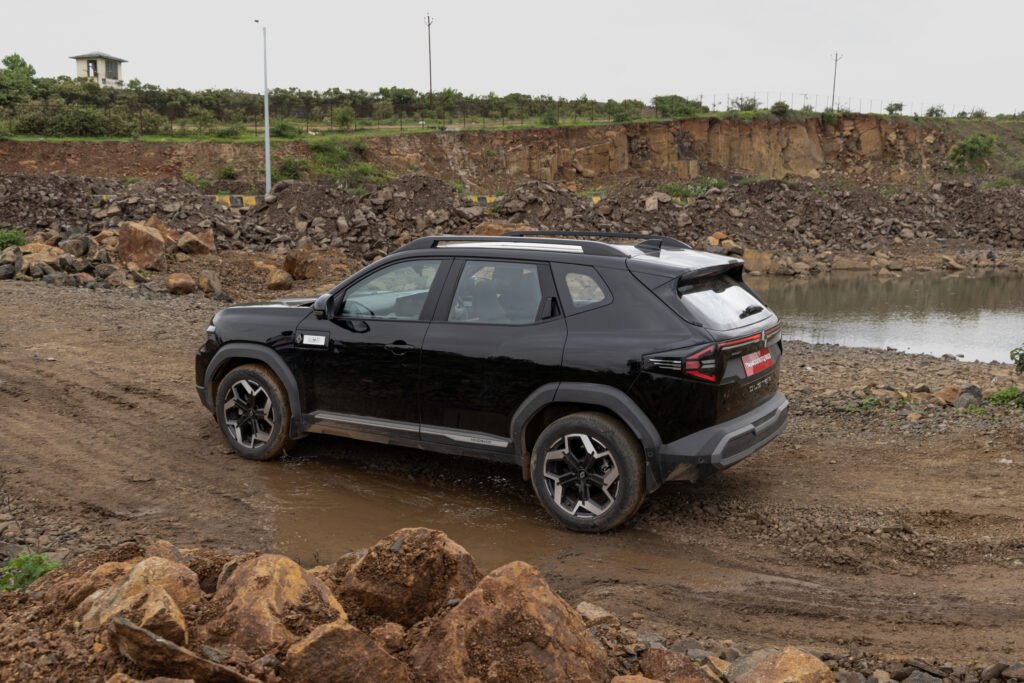
The squared-off wheel arches, pronounced bonnet, black cladding and upright stance make it immediately recognisable. There is more visual drama now, particularly with the LED lighting, 18-inch wheels and horizontal rear light signature, but Renault has resisted the temptation to make it look like just another urban crossover.
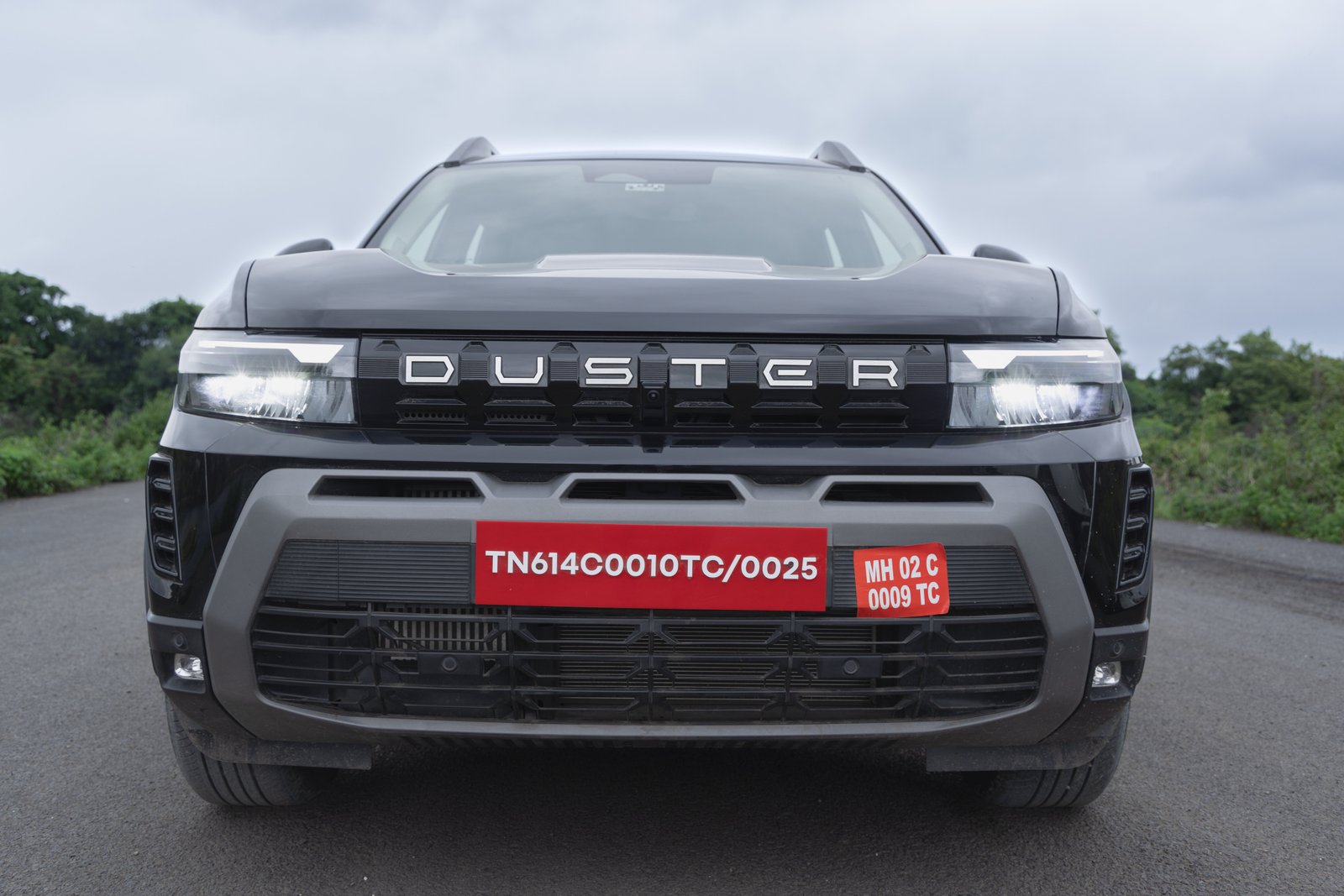
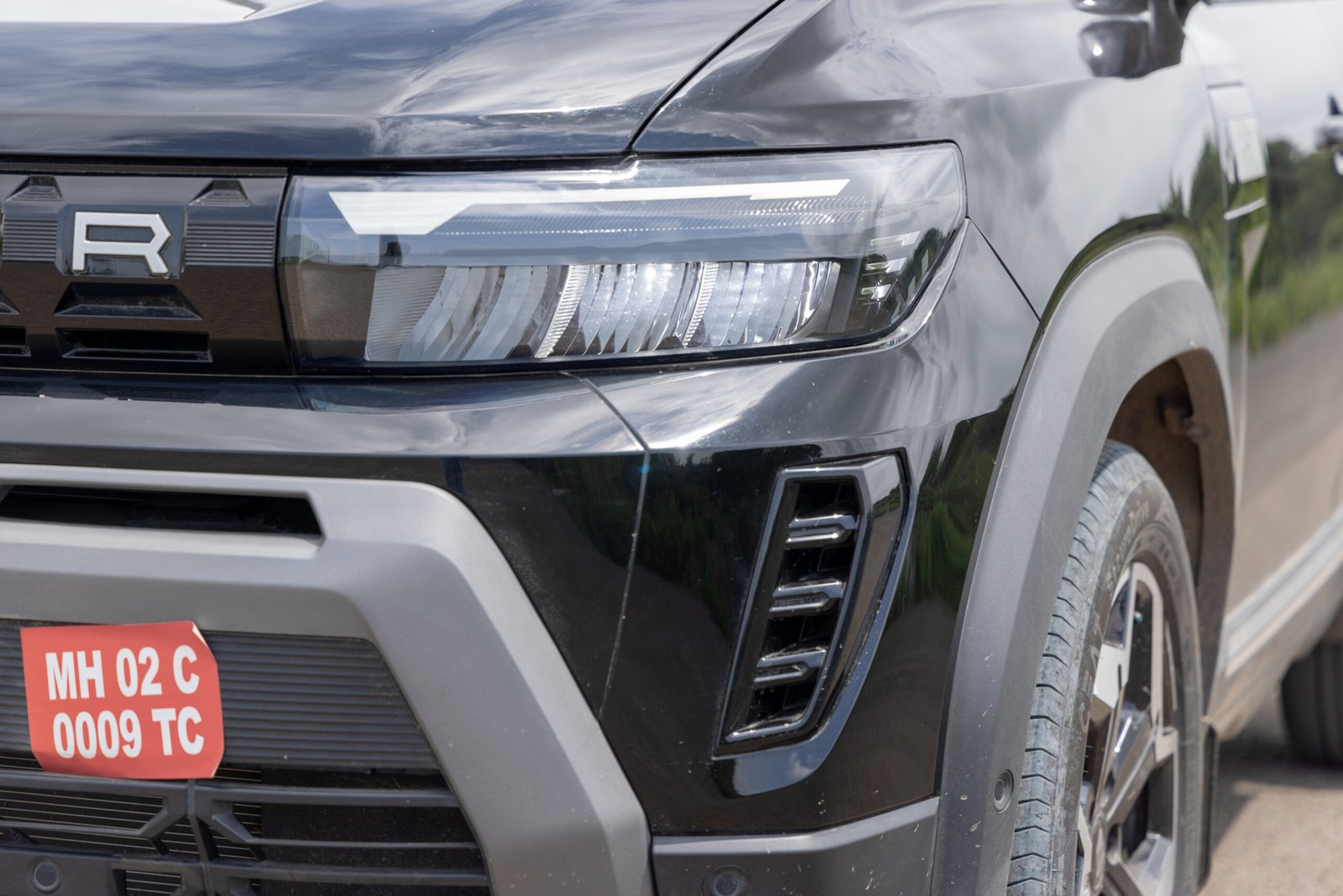
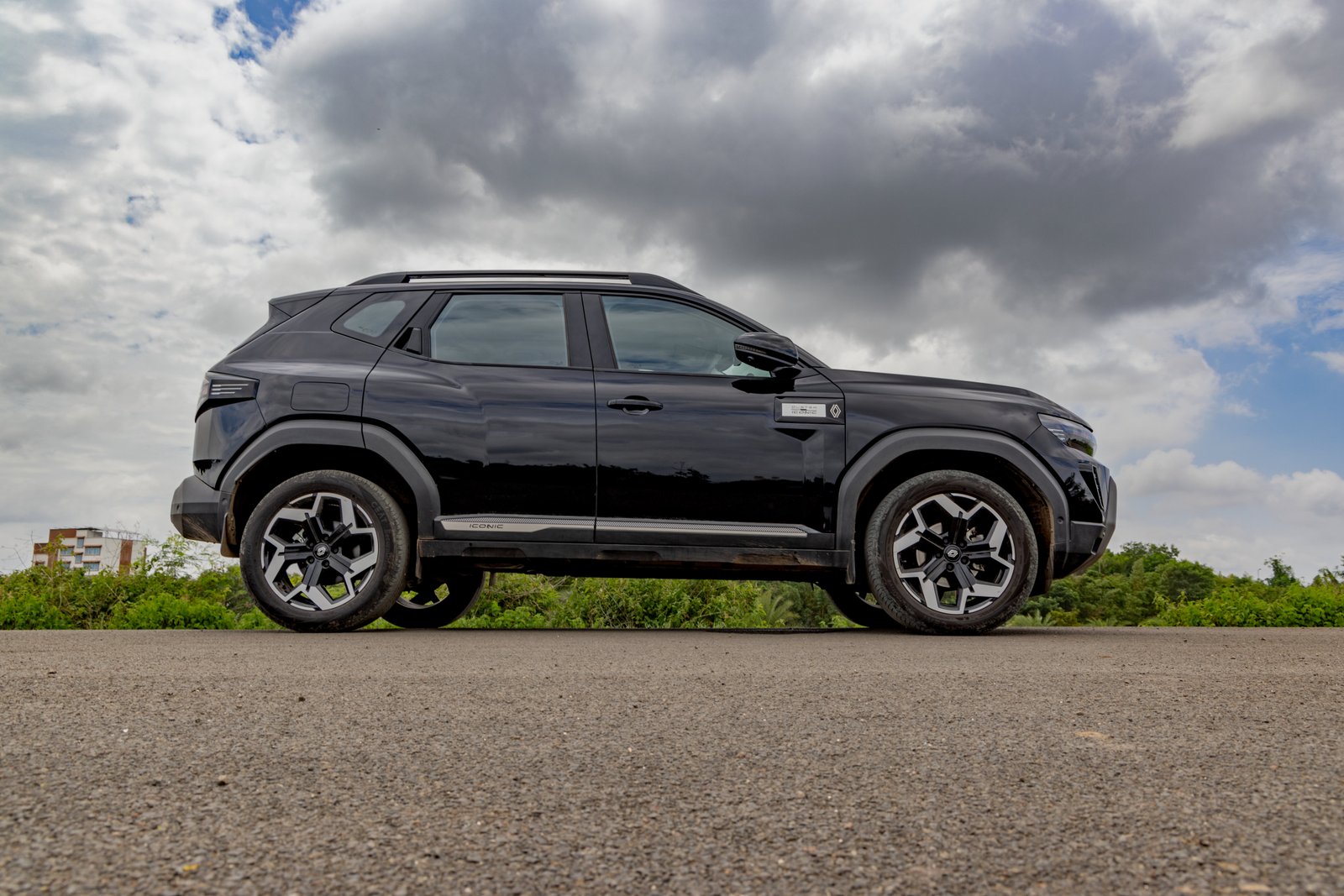
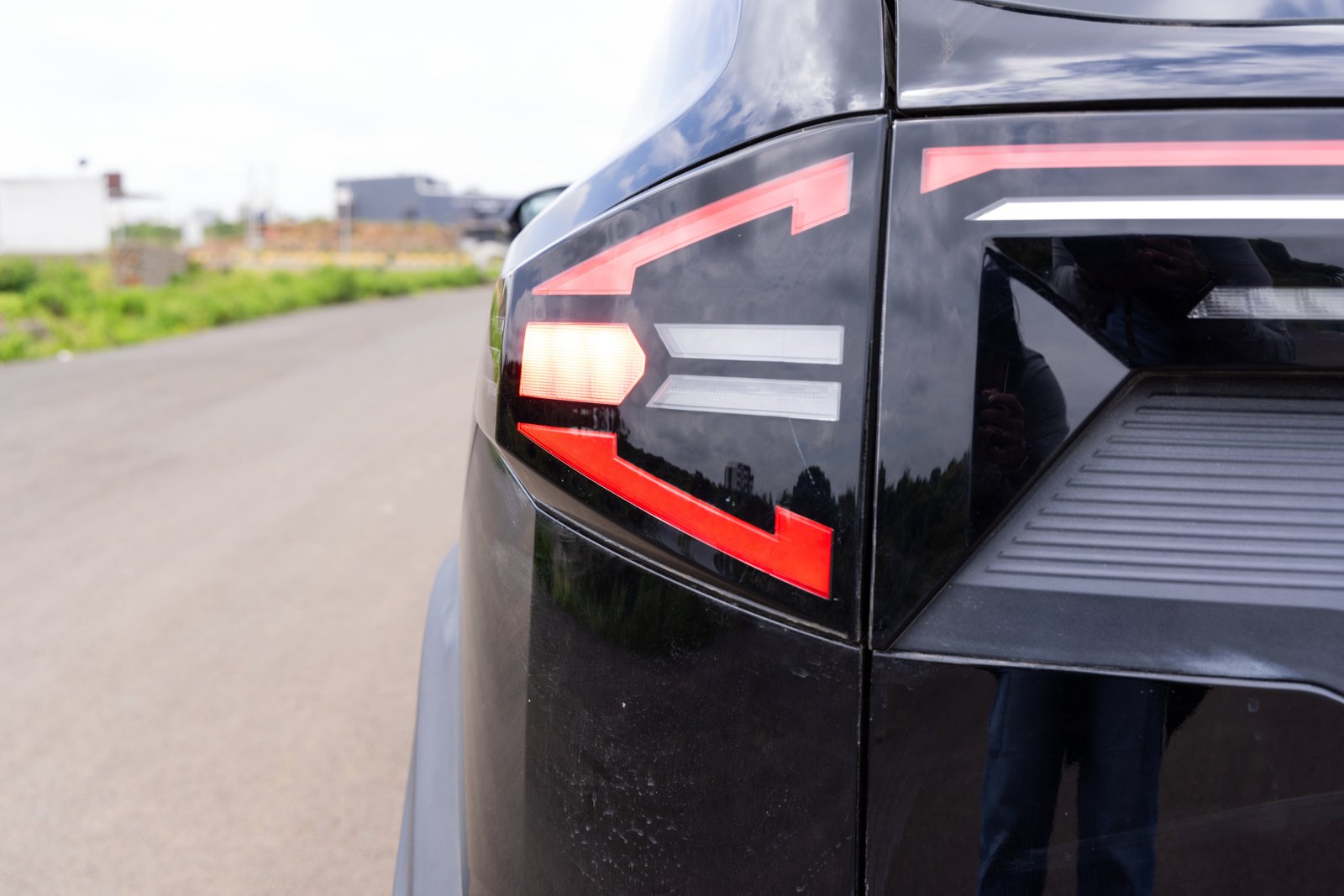
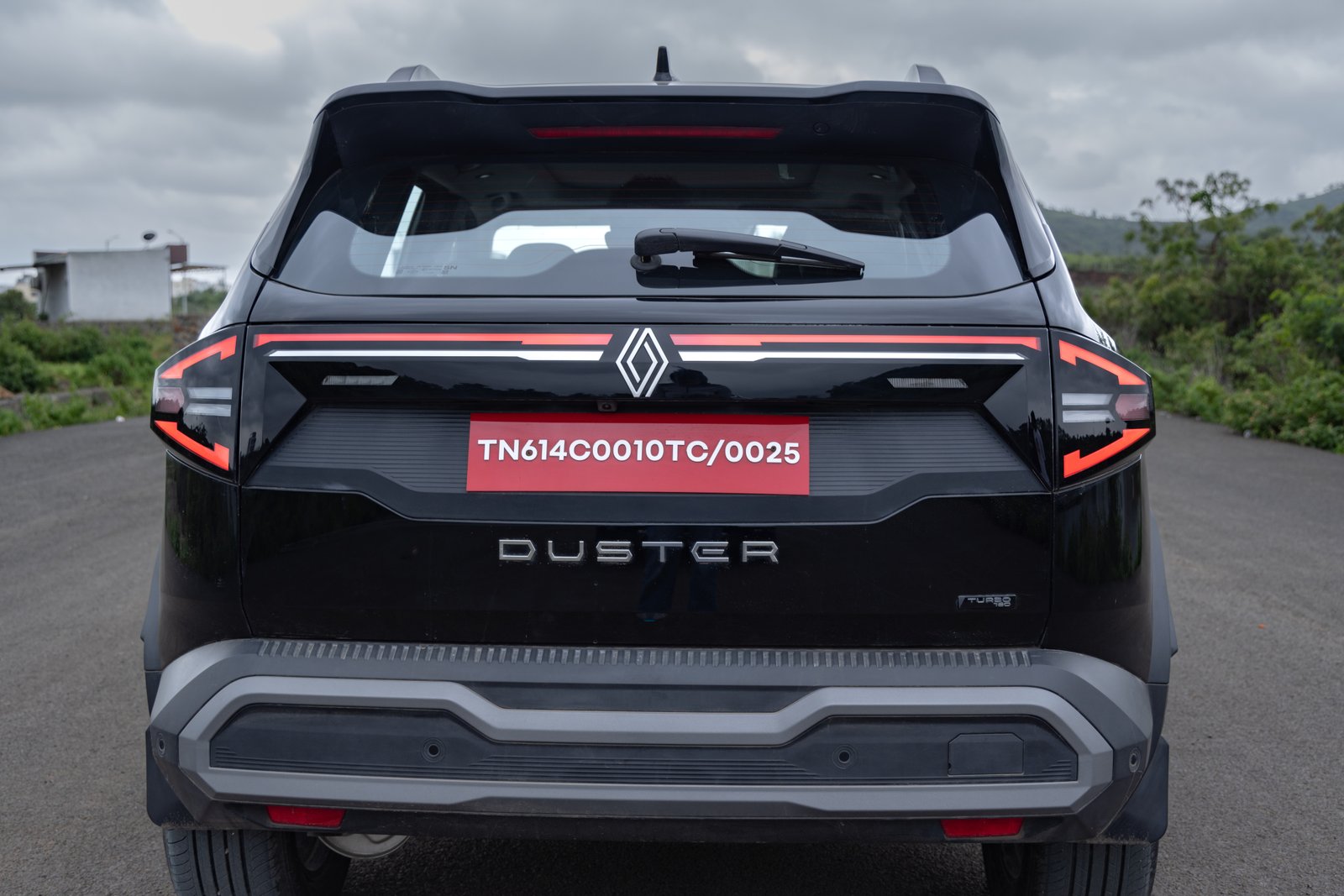
There is also something reassuring about its dimensions. At 4,346mm long, the new Renault Duster is only modestly longer than the 4,315mm original, while the wheelbase has actually moved from 2,673mm to 2,657mm. Ground clearance, however, has increased from 205mm to 212mm. That tells me Renault wasn’t chasing size for the sake of a brochure. It was trying to retain the proportions and stance that made the original so usable on Indian roads.
A DIFFERENT WORLD INSIDE
If the exterior is an evolution, the cabin is a revolution.
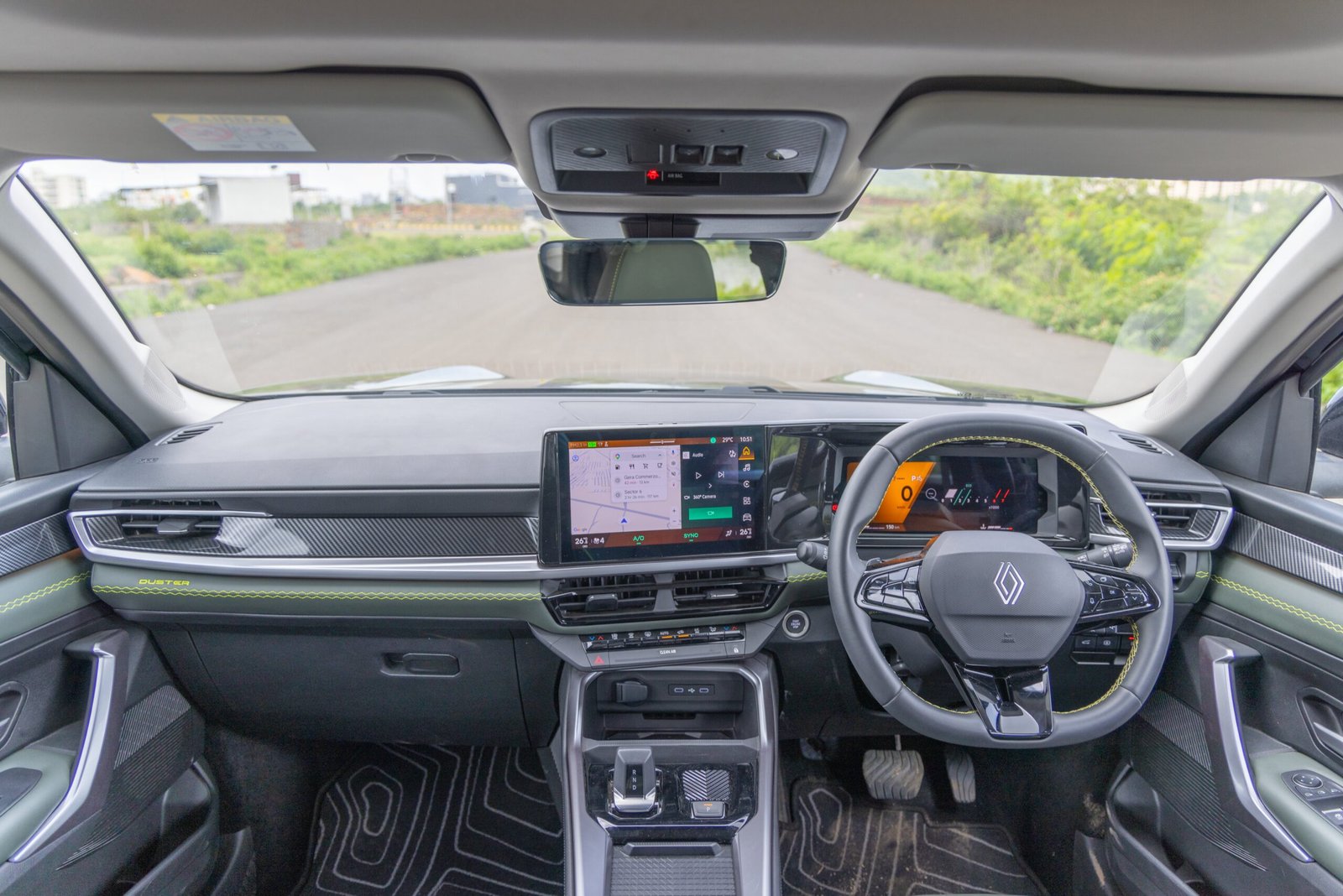
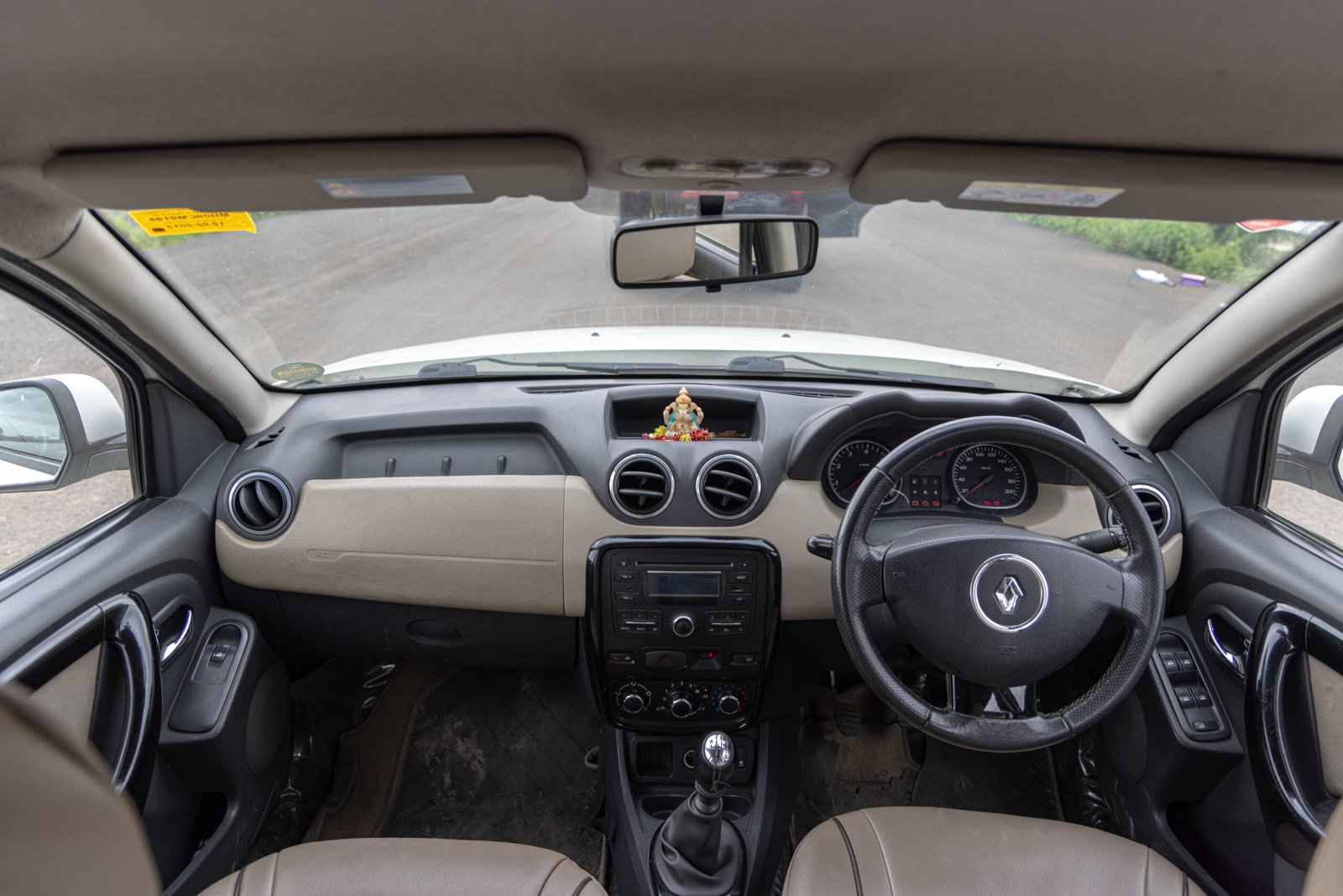
The original Duster’s interior was functional, straightforward and very much of its time. The new Renault Duster interior feels as though it has skipped several generations. There is a 10.1-inch OpenR Link touchscreen with Google built in, a 10.25-inch digital driver’s display, wireless smartphone connectivity, wireless charging, ambient lighting and connected-car functions.
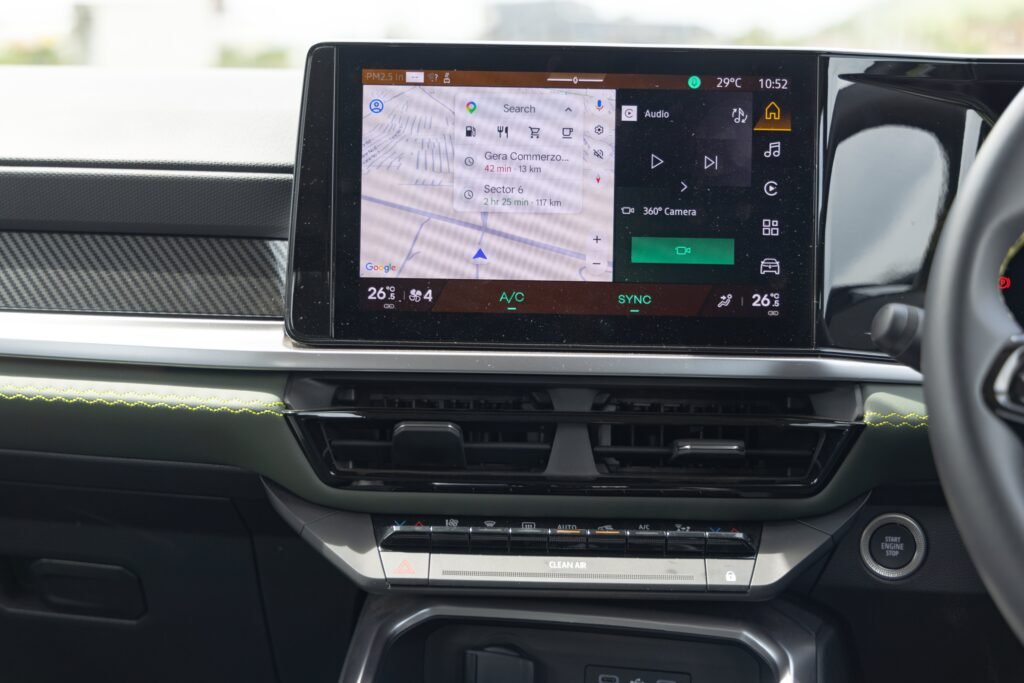
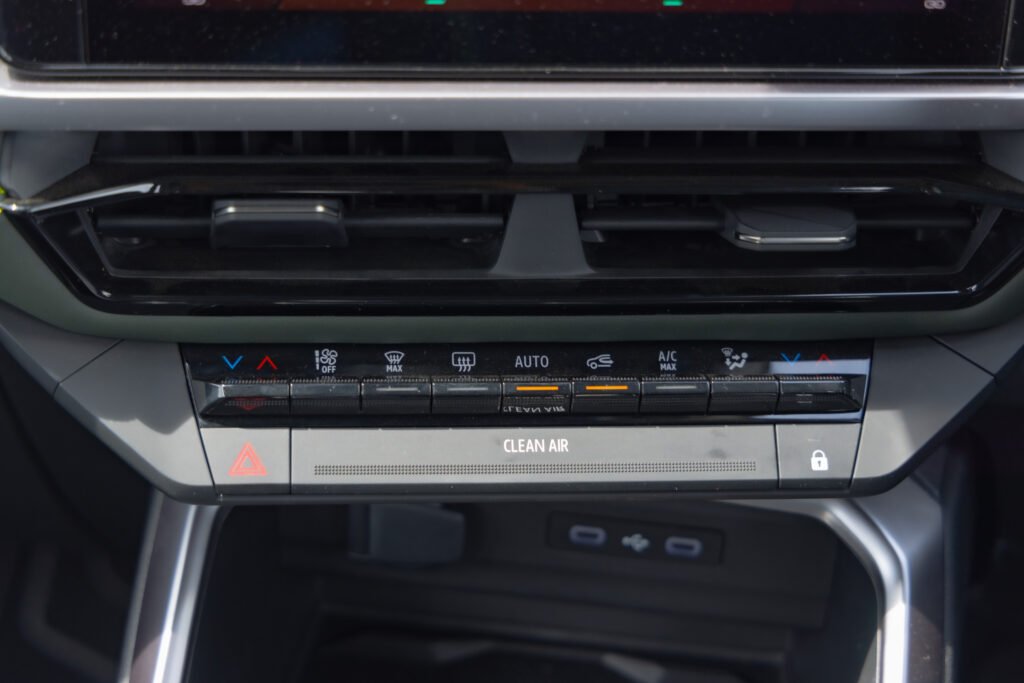
But the numbers don’t really explain the transformation. What I appreciate most is that Renault hasn’t forgotten that a car is something you have to live with. The climate controls remain physical, the steering-mounted controls are easy to access, and there are useful storage spaces around the cabin.
Then there are the features that change the character of the experience. The electrically adjustable and ventilated front seats are particularly welcome in our climate, while the panoramic sunroof brings an openness that the old Duster simply could not offer. The hands-free access card, push-button start and powered tailgate further move the new Duster into a more premium space.
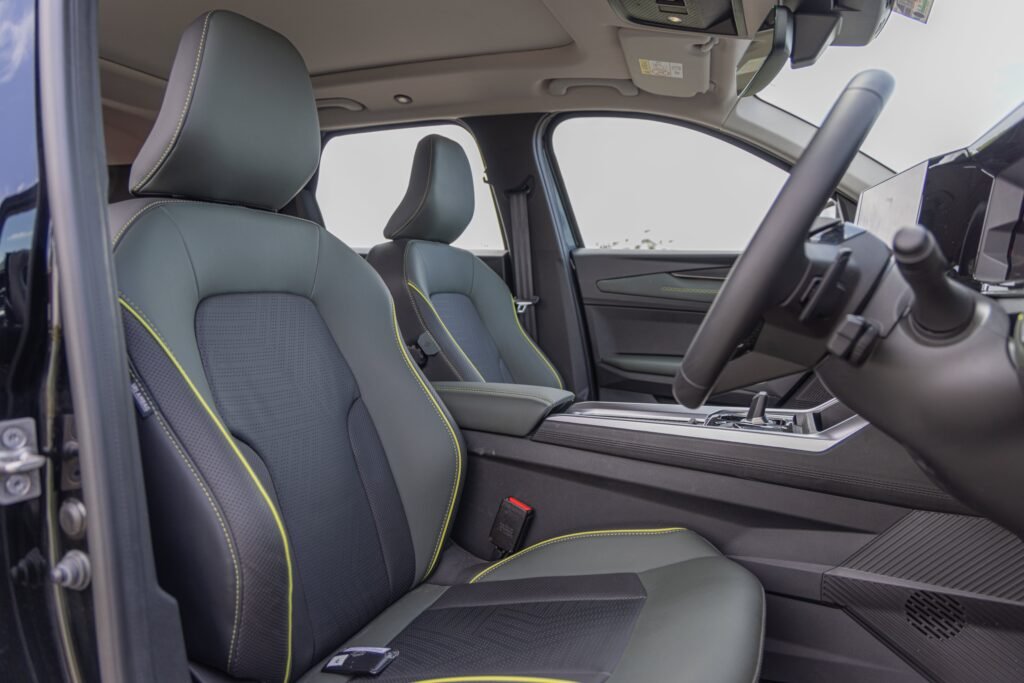
It is not luxury for luxury’s sake. These are conveniences that become part of the ownership experience.
THE PRACTICAL DUSTER
Practicality was always part of the original Duster’s appeal, and the new Renault Duster continues that philosophy.
The cabin remains spacious enough for everyday family use, with a useful rear bench, foldable 60:40 seats and rear air-conditioning vents. It doesn’t suddenly become a chauffeur-driven limousine, but it is comfortable enough for long journeys.
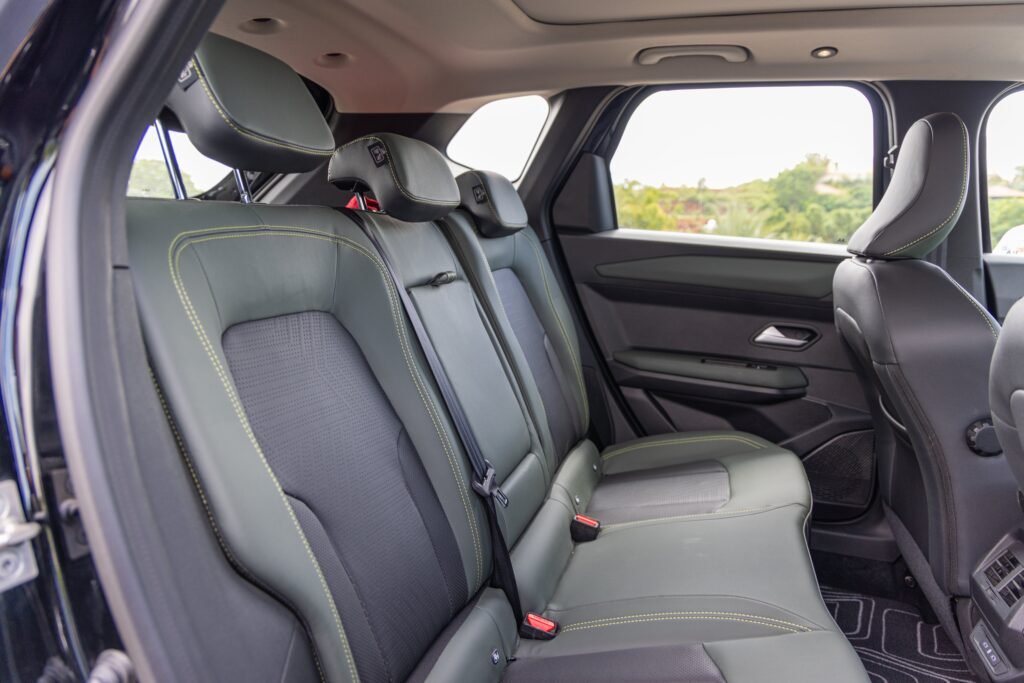
Where Renault has clearly prioritised practicality is at the back. The boot is generous, making the 2026 Renault Duster particularly suited to road trips, airport runs and the general luggage-heavy reality of Indian families.
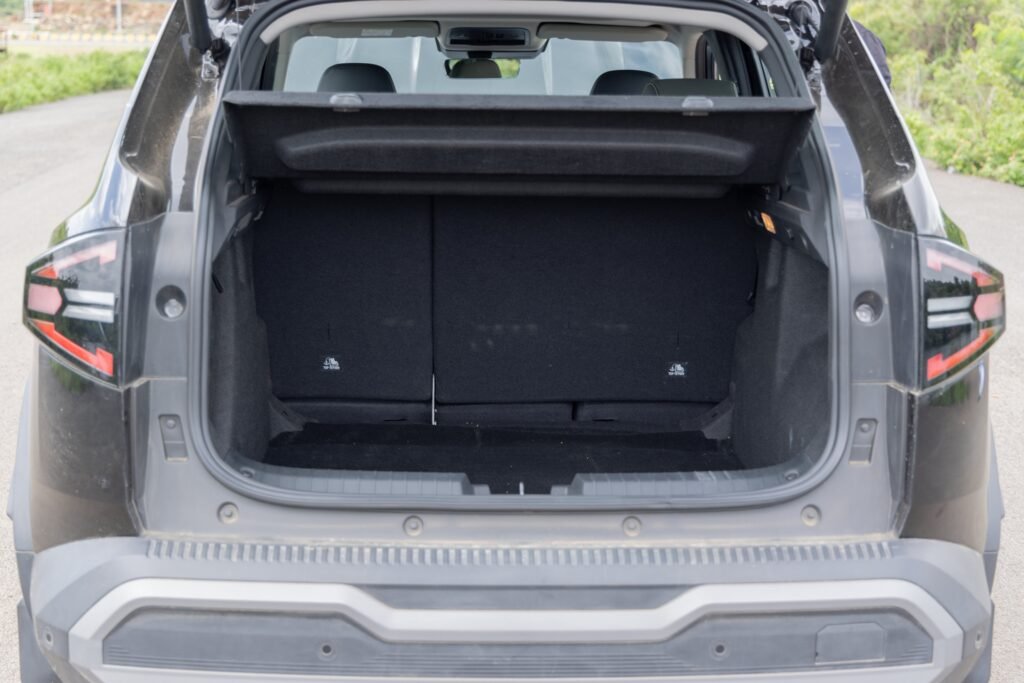
There is an interesting continuity here. The original Duster wasn’t about giving you every possible luxury. It was about giving you a car that worked. The new one simply wraps that same practicality in a considerably more sophisticated package.
FROM DIESEL TO TURBO PETROL
This is perhaps the biggest philosophical change.
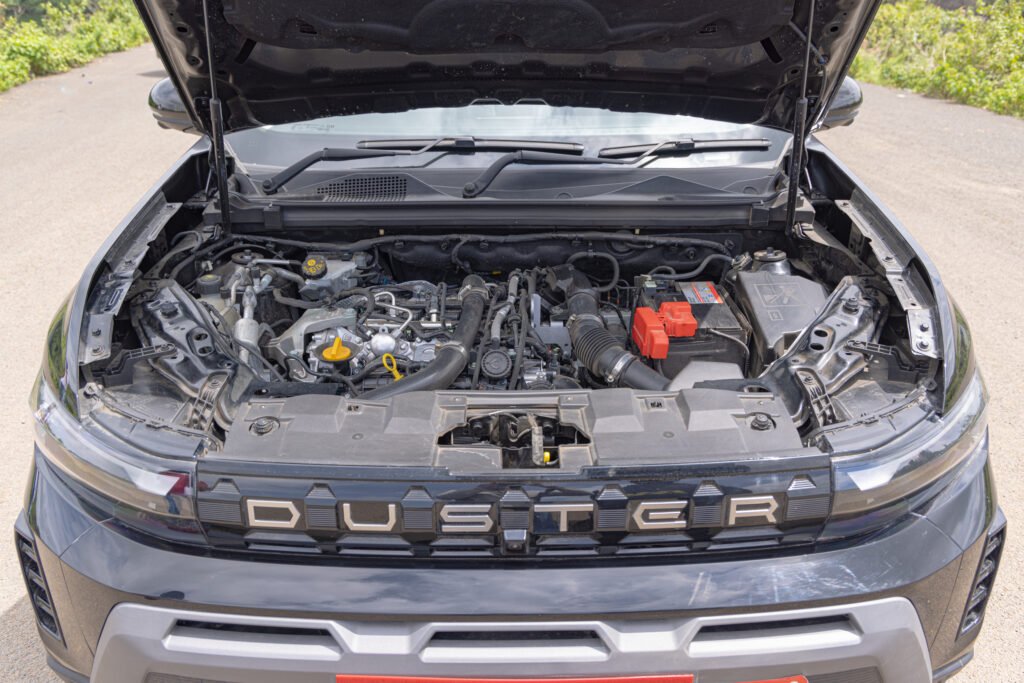
The old Duster I have here on test is powered by Renault’s familiar 1.5-litre dCi diesel, producing 108.45bhp and 248Nm, paired with a six-speed manual. It was never about explosive acceleration. Its appeal lay in the way it delivered its torque and settled into long-distance cruising with very little effort.
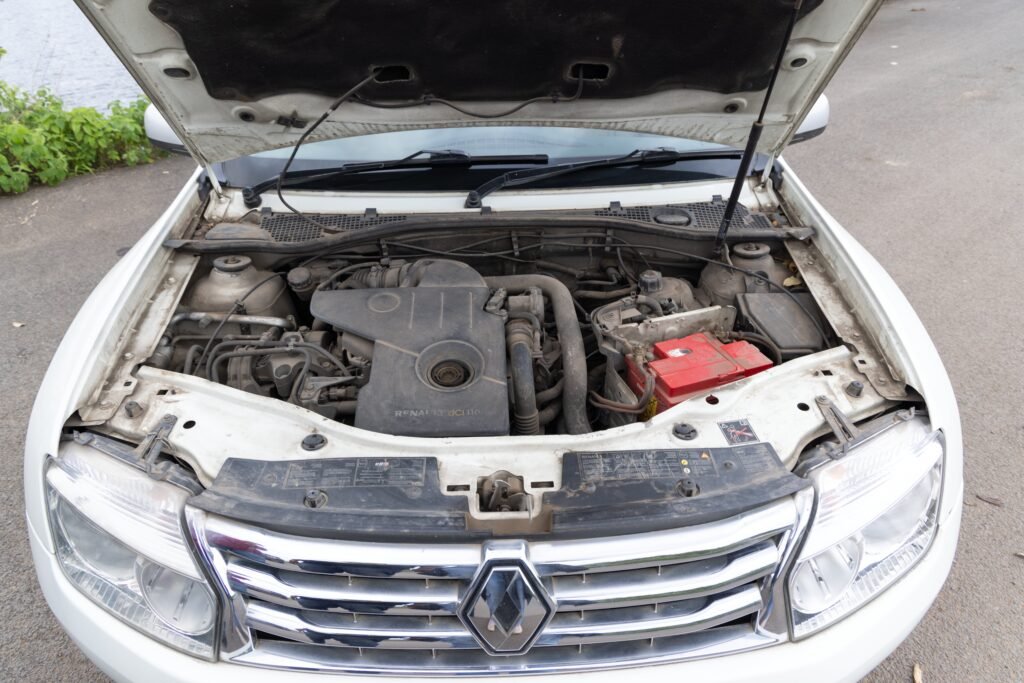
The new Renault Duster turbo petrol’s 1.3-litre turbo-petrol produces 160bhp and 280Nm and, in this test car, is paired with a six-speed DCT. The difference is immediately noticeable. The new car is faster, smoother and considerably more refined, particularly in traffic.
The Renault Duster DCT makes the new Duster effortless to drive around town, while the paddle shifters give me some control when I want to take matters into my own hands. It isn’t the same experience as the old manual diesel, and I don’t think it is supposed to be.
What I do miss is the character of the old Renault Duster diesel. There was something uniquely satisfying about that diesel’s low-speed shove and unmistakable soundtrack. It suited the Duster’s long-legged personality perfectly.
For now, Renault’s new Duster does not offer a diesel. There is, however, considerable interest around the possibility of a strong-hybrid powertrain and an AWD version making their way to India. If those versions arrive, they could add another dimension to the Renault Duster’s versatility.
THE DUSTER STILL KNOWS INDIAN ROADS
This is where the new Renault Duster feels most faithful to its predecessor.
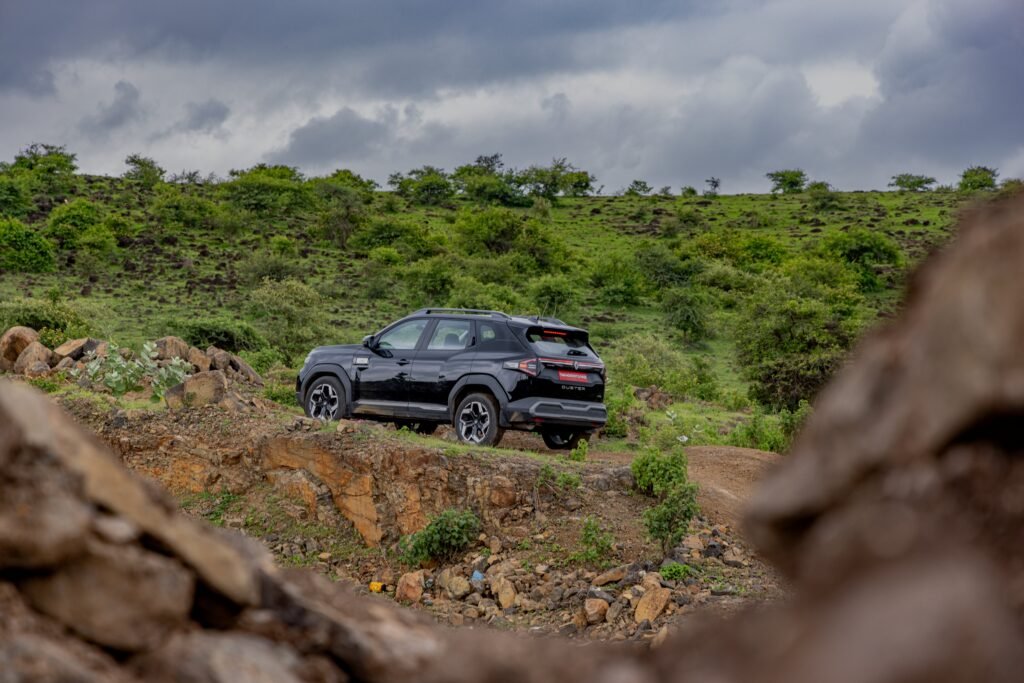
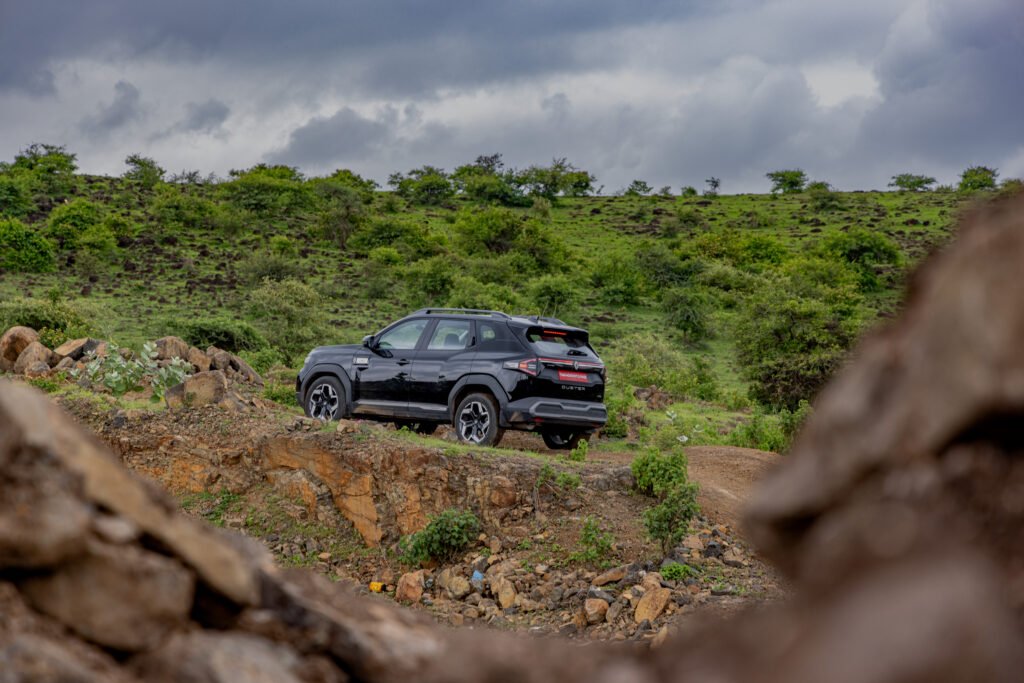
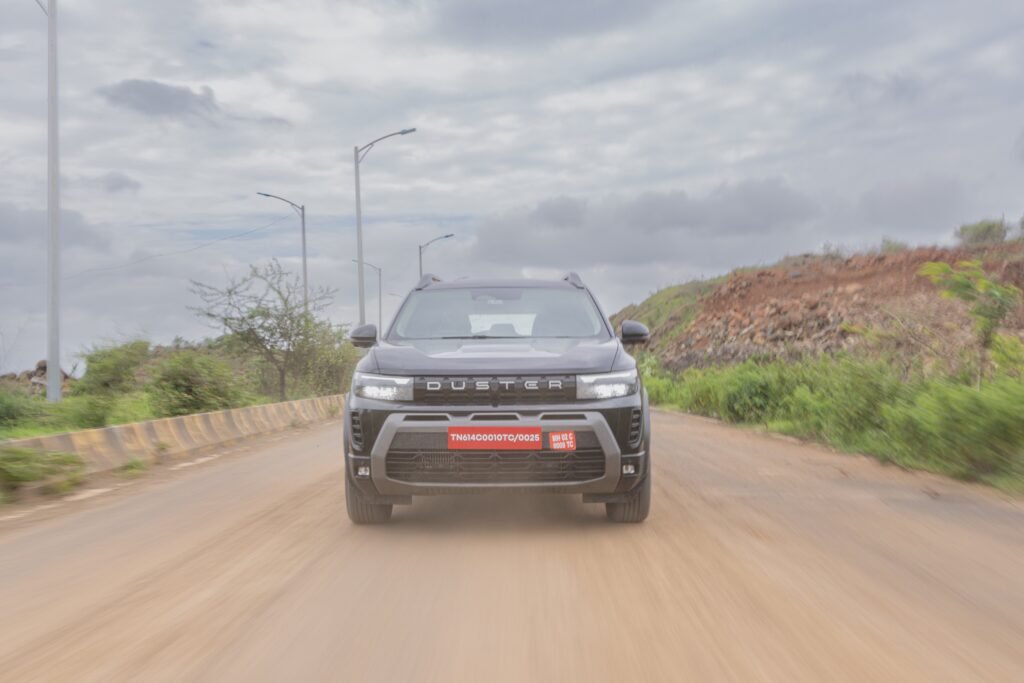
The original earned its reputation on broken roads, and the new generation retains that confidence. The suspension has a remarkable ability to absorb poor surfaces without allowing the cabin to become unsettled.
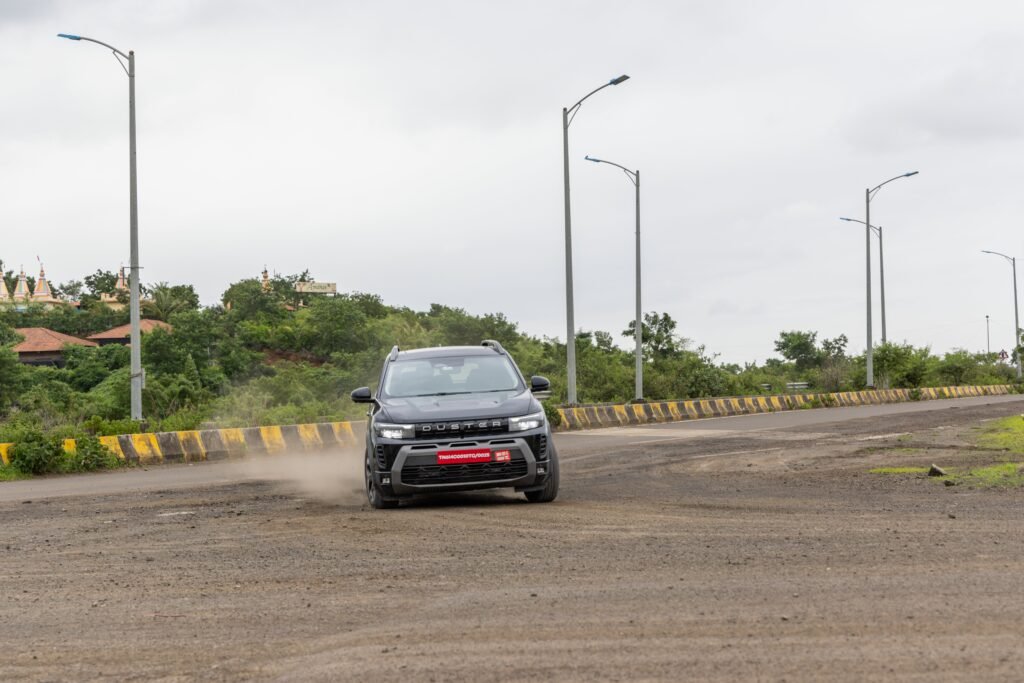
On a particularly rough stretch, I find myself noticing how little drama reaches the occupants. There is a sense of composure that is increasingly difficult to find as SUVs become larger, heavier and more focused on urban refinement.
The steering is lighter than the hydraulic setup of the old Duster, making the new car easier to manoeuvre in traffic. It doesn’t have the same mechanical feel, but the trade-off is a more relaxed everyday driving experience.
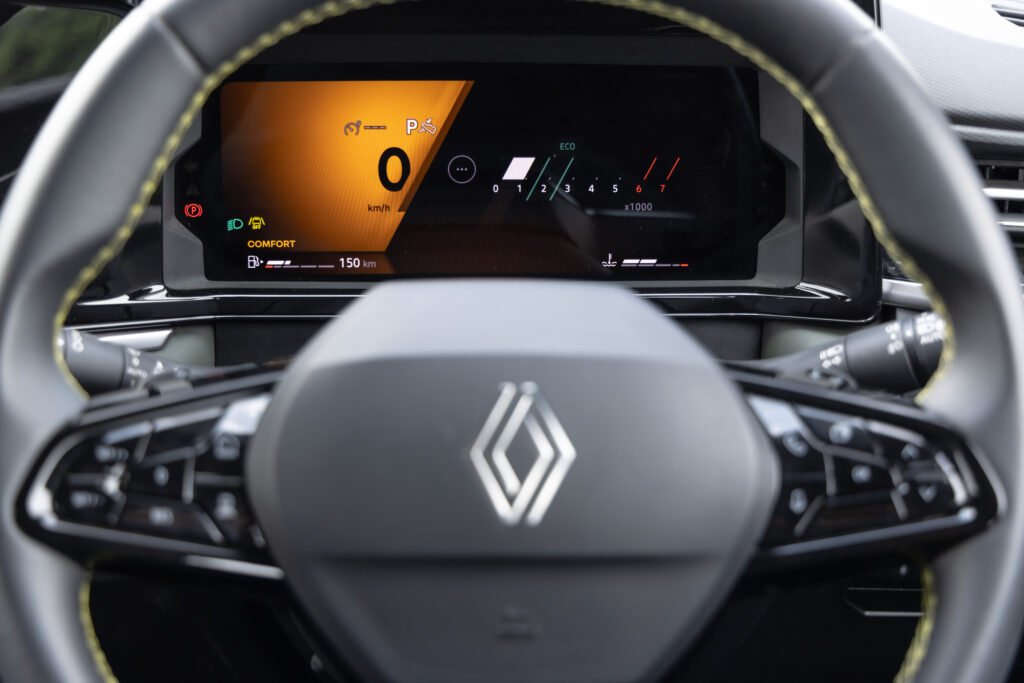
What has improved considerably is body control. The new Duster SUV feels more tied down through corners and at higher speeds, giving it a more mature character without losing the comfortable ride that defined the original.
SAFETY MOVES FORWARD
Safety is another area where fourteen years of automotive development become impossible to ignore.
The old Duster’s equipment reflected its era, with ABS and dual airbags among its key safety features. The new Renault Duster safety package moves into a completely different league, with multiple airbags, electronic stability control, traction control, hill-start assistance, blind-spot warning, lane departure warning, lane-keep assist, adaptive cruise control and automatic emergency braking.
It also gets a 360-degree camera and traffic-sign recognition, among other systems.
The significance of this isn’t simply the length of the equipment list. It is that safety has become an integral part of the new Renault Duster experience rather than an afterthought.
THE DUSTER GROWS UP
After spending time with both generations, I keep coming back to one thought: Renault hasn’t tried to recreate the old Duster.
Instead, it has understood what people loved about it and built around those qualities.
The new Duster is more sophisticated, more comfortable, safer and considerably better equipped. Yet it hasn’t lost the sense of purpose that made the original special. It still feels like an SUV designed for Indian roads rather than a crossover designed around a lifestyle brochure.
Of course, there are things I will miss. The old diesel had a character that the new turbo-petrol cannot quite reproduce. And for those who loved the original’s simple, almost utilitarian charm, the new car is undeniably more complex.
But progress was always going to change the Duster.
Fourteen years ago, it helped convince India that an SUV could be practical, comfortable and attainable without becoming cumbersome. Today, the new 2026 Renault Duster is attempting something different. It wants to bring that same philosophy into a market where expectations have changed dramatically.
And after four months, I think Renault has managed the difficult part.
It has made the Duster feel new without making it feel unfamiliar.
The old one remains the car that created the original gangsta. The new one is the car that has to carry it forward.
And perhaps that is the most important thing about the new Duster. It hasn’t returned to remind us of what it once was.
It has simply grown up, evolved and moved with the times, without forgetting where it came from.
SHOT BY: SACHIN KAWANKAR FOR DAG INDIA